REVIEW · BERLIN
Private Walking Tour Berlin 3 hours: Brandenburg, Historic Center
Book on Viator →Operated by Private Tour Berlin · Bookable on Viator
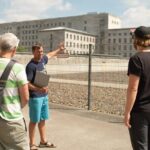
Berlin on foot hits different. This private tour keeps you on the best routes while you choose the themes that matter to you. You’ll get a customizable walk with a guide who can shape the focus, from WWII and the Berlin Wall to Prussian history and Jewish Berlin.
I also like the private pace: it’s just your group (up to 15), so you can pause, ask, and slow down when a building or story needs time. Guides such as Harald Zawuski and Susane Grauchy have strong English skills, which makes the street-level explanations easier to follow.
One consideration: it’s a walking experience with a moderate fitness level, and there are no personal headsets on the street—so pick a time when you can hear your guide clearly and wear comfortable shoes.
In This Review
- Key highlights worth your time
- Private walking tour Berlin: what you’re really paying for
- The stops that frame central Berlin (and what they teach you)
- Checkpoint Charlie: border crossing, not just a photo spot
- Brandenburg Gate: a symbol that keeps changing
- Unter den Linden: the big boulevard that tells a story
- Gendarmenmarkt: architecture with a cultural rhythm
- Alexanderplatz and the TV Tower: the East-Germany center in one view
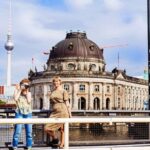
- Museumsinsel: when Berlin built a learning center in the middle of the city
- The Reichstag area: from imperial parliament to Germany’s Parliament
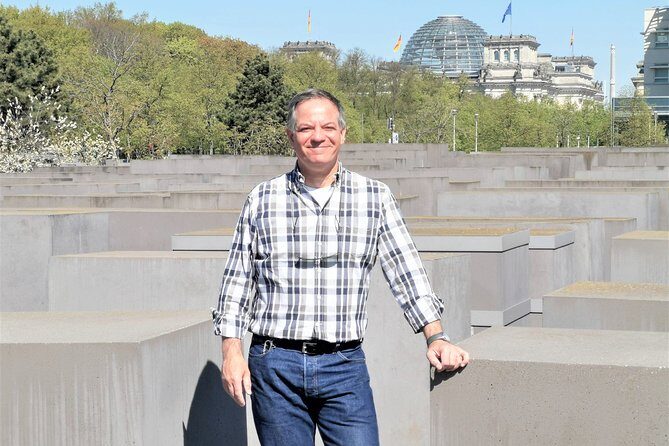
- The Holocaust Mahnmal: a memorial that changes how you look at the city
- The former site of Adolf Hitler’s bunker: history’s weight, without the spectacle
- East Side Gallery and original Wall remnants: street art meets political history
- Kaiser-Wilhelm-Gedächtniskirche: a church that remembers
- Kurfürstendamm and Potsdamer Platz: West and post-Wall redevelopment
- How the guide customizes your route (so it fits your trip)
- Why this feels better than navigating solo
- Practical notes that help you enjoy the 3 hours
- Bring the right footwear
- Weather won’t pause the plan
- No headsets means audio matters
- Your group size is capped
- Price, timing, and who should book this
- This tour is a great fit if you want
- It may feel less ideal if you
- About the cancellation rule, in plain language
- Should you book? My honest take
- FAQ
- What’s the duration of the private walking tour?
- How many people are in the group?
- Is the tour offered in English?
- Is food included in the price?
- Can the guide pick us up from our hotel or station?
- Are there headsets during the walk?
Key highlights worth your time
- Flexible focus on your topics: WWII, the Cold War, the Berlin Wall, Prussian history, and Jewish heritage
- Private group format (up to 15): your pace beats rushing past stops
- Classic Berlin landmarks, explained in context: from Checkpoint Charlie to the Reichstag area
- Local guide access and insider routing: you avoid the solo-navigation grind
- Works in all weather: bring the right layer and you’re set
- 3 hours that also help you plan the rest: you leave with orientation fast
Private walking tour Berlin: what you’re really paying for
This tour isn’t priced like a group bus ride. You’re paying for a local guide, real street-level navigation help, and the ability to tailor what you see within a short window.
The math is simple: $392.19 per group (up to 15) for about 3 hours. If you’re traveling as a small circle (two to four people), it’s a premium per person. If you’re traveling with friends or family, it can feel like good value because the guide time is shared. And because it’s private, you’re not stuck with a rigid script that ignores what you actually care about.
The other thing you’re buying is clarity. Berlin’s central sights can look similar at street level—stone facades here, memorials there, government buildings in the mix. A guide helps you connect the dots fast, especially for the layered 20th-century story.
You’ll also get a mobile ticket, and the tour runs in English. You’ll meet your guide within Berlin, and pickup from an airport, train station, or hotel is available on request (so if you’re arriving late or want to start right away, this is useful).
You can also read our reviews of more walking tours in Berlin



The stops that frame central Berlin (and what they teach you)
You’ll see major landmarks in and around the historic center, but the guide chooses the emphasis based on what you ask for. Think of it less like a checklist and more like a guided route through the city’s biggest themes.
Here are the sites that are part of the usual mix, and the kind of meaning you can expect at each one.
Checkpoint Charlie: border crossing, not just a photo spot
Checkpoint Charlie is famous for a reason: it was a high-profile crossing point during the Cold War era, when Berlin was split into East and West. In a walking format, you can watch how the area functions today while your guide ties it back to what border control meant in daily life.
The big win here is context. Without that, it’s easy to treat it as a single moment in time. With a guide, you start seeing Berlin’s political geography as something that shaped neighborhoods, movement, and even how people lived.
Brandenburg Gate: a symbol that keeps changing
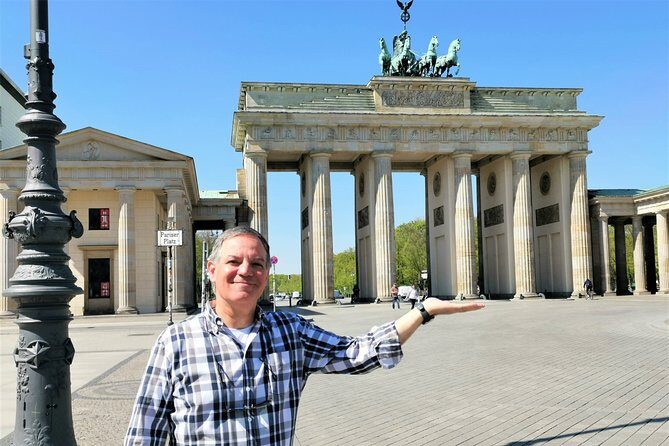
Brandenburg Gate sits at the intersection of power, ceremony, and national identity. Your guide can explain how it became a headline landmark because of what it represented during different eras, especially when Berlin’s story swung between conflict and reunification.
It’s a great anchor stop because it helps you calibrate the rest of the walk. After you’ve seen the gate and heard the timeline, other government and memorial sites make more sense.
Unter den Linden: the big boulevard that tells a story
This boulevard is one of those places where the street layout does some of the teaching. As you walk, you’ll notice how central Berlin’s planning aimed at visibility and connection between major civic spaces.
A guide’s job here is to translate the architecture and layout into meaning: which eras shaped what you’re seeing now, and why the street looks the way it does.
You can also read our reviews of more private tours in Berlin




Gendarmenmarkt: architecture with a cultural rhythm
Gendarmenmarkt is known for its baroque look and the contrast between the French and German domes. This is a place where the beauty is real, but the value comes from interpretation—how cultural life and civic design are connected in the city’s center.
If you like architecture and you want more than quick snapshots, this kind of stop is a sweet spot.
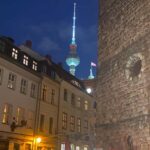
Alexanderplatz and the TV Tower: the East-Germany center in one view
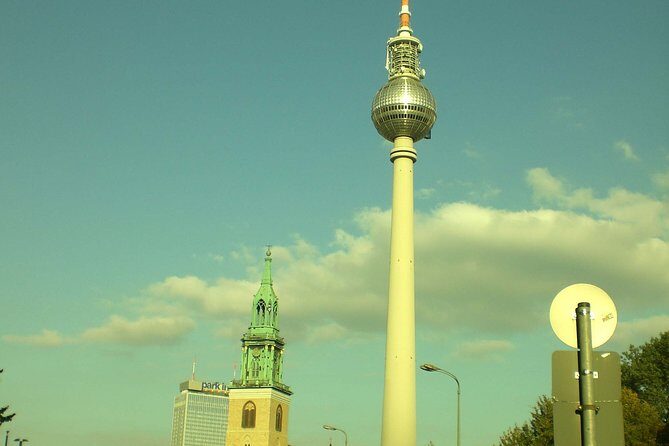
Alexanderplatz is a major meeting point that carried East Berlin’s identity. The TV Tower above gives you a visual anchor, even if you’re not going up inside.
The guide can connect why this area mattered politically and socially, and why it became a symbol of modernity in its time. It’s the kind of stop that turns a busy urban square into a readable chapter.
Museumsinsel: when Berlin built a learning center in the middle of the city
Museumsinsel is a reminder that central planning in Berlin wasn’t only about politics and power. It also funded cultural institutions and public learning spaces.
Even if you don’t step inside museums during a 3-hour walk, your guide can point out the significance of the island setting and how it fits into Berlin’s broader story.
The Reichstag area: from imperial parliament to Germany’s Parliament
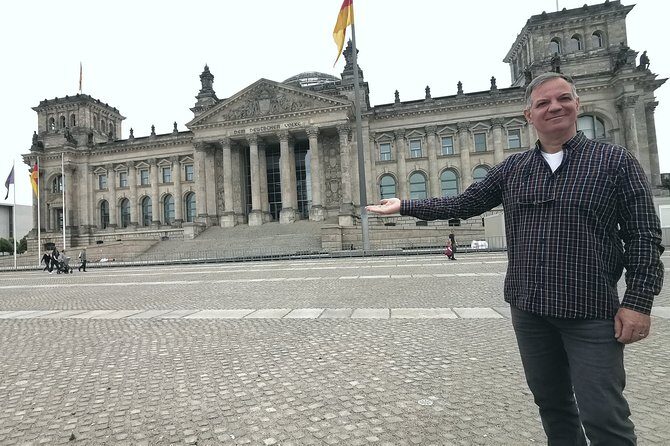
The Reichstag building is a headline site, but the key is understanding what it represents today versus what it represented in earlier eras. Your guide can explain how this building’s role shifted with Germany’s changes over the last century.
This stop is especially helpful if you want political history without turning the walk into a museum day.
The Holocaust Mahnmal: a memorial that changes how you look at the city
This is one of the most powerful parts of central Berlin. The site is designed to make you think, and a guide helps you connect the design to the story it honors.
It’s not about rushing through. If your guide offers time to stand and reflect briefly, take it.
The former site of Adolf Hitler’s bunker: history’s weight, without the spectacle
A stop like this is heavy. Your guide can frame it as a point in Berlin’s WWII narrative rather than a tourist trick. You’ll walk away understanding why locations like this still matter, even when nothing dramatic remains visible.
East Side Gallery and original Wall remnants: street art meets political history
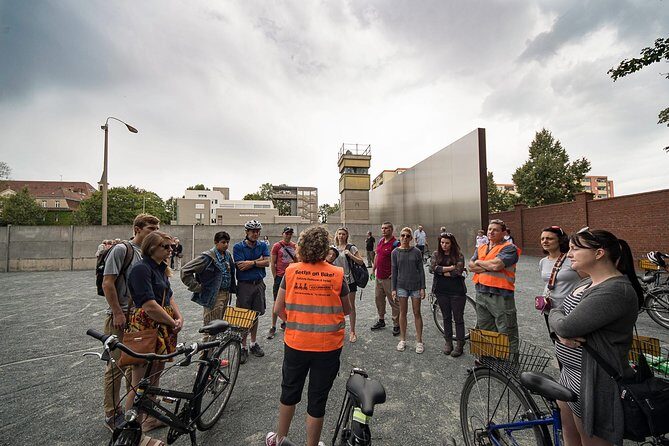
The painted Wall—especially the East Side Gallery—helps you see how the Wall became more than a barrier. You’ll also get a look at original remnants, which bring the story back to physical reality.
This is often where people feel the scale. Even during a short 3-hour walk, the guide’s explanation can make the Wall’s impact feel immediate.
Kaiser-Wilhelm-Gedächtniskirche: a church that remembers
This church isn’t just a sight—it’s a memory in stone. The guide can explain why the structure remains as it does and how it fits into Berlin’s WWII aftermath story.
If you care about how cities carry trauma in architecture, this is a standout.
Kurfürstendamm and Potsdamer Platz: West and post-Wall redevelopment
These areas help balance the story. Instead of only focusing on the era of division, you get a view of how Berlin changed afterward—through shopping streets, theaters, and modern urban design.
Potsdamer Platz, in particular, is known for its modern architecture. When your guide connects it to what was there before, it becomes more than a pretty square.
How the guide customizes your route (so it fits your trip)
The tour description makes it clear you’re not locked into one theme. Your guide can adjust the focus among big buckets, including:
- the Third Reich and WWII
- the Cold War and the Wall
- Prussian history
- Berlin’s Jewish heritage
That flexibility matters because Berlin can overwhelm you if you try to cover everything. With a private walk, you can say, for example: I want Jewish Berlin meaningfully explained, not skimmed. Or: I care more about the Cold War than architecture.
The best guides also use pacing as a tool. They’ll likely pause when a building or street corner has a lesson built into it. And because it’s private, you won’t be stuck waiting while someone else catches up—or forced to keep moving when you want to linger.
Why this feels better than navigating solo
Berlin can be a puzzle. Even when a map shows you landmarks, it doesn’t show you what you’re looking at in time order. A guide does.
Here’s what I like about the value:
- You avoid route-wasting: no hunting for the right turning point while you’re also trying to read context.
- You get interpretation, not just location: it’s the difference between seeing a monument and understanding why it was placed there.
- You get street-level orientation: after the walk, you’ll often have a better sense of where central areas sit in relation to each other.
Also, the tour can include a short stop for a typical Berlin snack or lunch if you ask. Food isn’t included, so you handle that part yourself—but the guide can help you choose something practical in the flow of the walk.
Practical notes that help you enjoy the 3 hours
This is where small details can make the difference between a smooth walk and a frustrating one.
Bring the right footwear
It’s a walking tour with moderate physical fitness required. You’ll want shoes you can stand and walk in for the full 3 hours, including stops.
Weather won’t pause the plan
It runs in all weather conditions. That means you should dress appropriately for Berlin’s changing conditions—layers help. If rain is in the forecast, plan on still moving.
No headsets means audio matters
There are no personal headsets when you’re with the guide on the street. If you have trouble hearing, sit closer to your guide, choose a day with manageable crowd noise, and keep your phone silent.
Your group size is capped
Up to 15 people means it stays small enough for interaction. Still, if you’re traveling with a larger friend group, check your comfort level with walking and discussion in a mixed-size private group.
Price, timing, and who should book this
At $392.19 per group for about 3 hours, this isn’t a “cheap by default” choice. It’s a good choice when private time with a good guide saves you effort and helps you get more meaning from central Berlin.
The tour also tends to get booked ahead (about 17 days on average). If your dates are flexible, you might still find openings. If you have fixed plans, book early so you can get the theme focus you want.
This tour is a great fit if you want
- a fast orientation to Berlin’s historic center
- a guided explanation of WWII, Cold War, and the Wall in walking time
- a private pacing option for people who don’t want to rush
- a guide who can tailor the theme to your interests
It may feel less ideal if you
- want a very long sightseeing day (3 hours is focused, not exhaustive)
- prefer self-guided trips where you control every stop with no group discussion
- need audio support via headsets (since none are provided)
About the cancellation rule, in plain language
This experience is non-refundable and cannot be changed for any reason. So if your plans are still shaky, consider whether you truly want to lock it in yet.
Should you book? My honest take
Yes, if you want central Berlin to make sense quickly and you value interpretation over wandering. This tour is built for people who like history, politics, and architecture—but want it explained in a way that’s readable in real time.
If you’re the type who hates navigating, loves asking questions, and wants a guide to shape the story around what you care about, this is a solid pick. And the strong English delivery from guides like Harald Zawuski and Susane Grauchy is exactly what you want when the city’s 20th-century history can feel dense.
If you’re on a strict budget or you’re confident you can self-navigate without losing the timeline, you might prefer a self-guided route. But if you want the short, high-impact version of Berlin’s biggest chapters on foot, this private walking tour is one of the smarter ways to spend 3 hours in the center.
FAQ
What’s the duration of the private walking tour?
The tour lasts about 3 hours.
How many people are in the group?
It’s a private tour, and the group size is up to 15 people.
Is the tour offered in English?
Yes. The tour is offered in English.
Is food included in the price?
No. Food and drinks are not included. A short snack or lunch stop can be built in on request.
Can the guide pick us up from our hotel or station?
Pickup from the airport, train station, hotel, or another place in Berlin is available on request.
Are there headsets during the walk?
No personal headsets are used while you’re with the guide on the street.