REVIEW · MUNICH
Munich : Private Walking Tour with A Guide (Private tour)
Book on GetYourGuide →Operated by Guydeez · Bookable on GetYourGuide
Munich gets complicated fast when you’re on your own. This private walking tour cuts through the fog with a local guide and a route you can shape to your interests. I love that it’s built for real city navigation, not just checklists, and that you get context for the big sights you came for.
I also like the way the guide usually blends what you’re looking at with how Munich thinks about it. You’ll get a clear thread through history, religion, and culture, without turning the walk into a lecture.
One possible drawback: it’s mostly an on-the-streets tour, and museum entry isn’t included, so inside visits may cost extra if you want them.
In This Review
- Key Things to Know Before You Go
- How This Private Munich Walk Works (And Why It’s Worth It)
- Price and Time: What $55 Buys You in Munich
- Picking Your Guide Experience: Tailoring, Language, and Pace
- Old Town Sights: Rathaus, Church Squares, and Baroque Details
- Handling WWII and Hard History Without Feeling Overwhelmed
- English Garden Breaks and Evening Munich Magic
- Practical Stuff That Makes the Tour Feel Smooth
- Who Should Book This Tour (And Who Might Skip It)
- Should You Book This Munich Private Walking Tour?
- FAQ
- FAQ
- What is the duration of this Munich private walking tour?
- How much does the tour cost?
- Is the tour private?
- What languages are the guides available in?
- Does the tour include museum tickets or museum entry?
- Is hotel pickup included?
- What’s included in terms of transport?
Key Things to Know Before You Go
- Custom route to match your mood: pick what you care about, and adjust the walk length.
- Main sights plus useful side areas: not just photos—actual orientation in town.
- Guides with strong Munich context: from church details to WWII-era explanations.
- Good support for transit: some guides even help you with the subway on first use.
- English, French, Spanish: choose the language that makes you comfortable.
- Museum visits cost extra: you’ll need to plan inside stops ahead of time.
How This Private Munich Walk Works (And Why It’s Worth It)
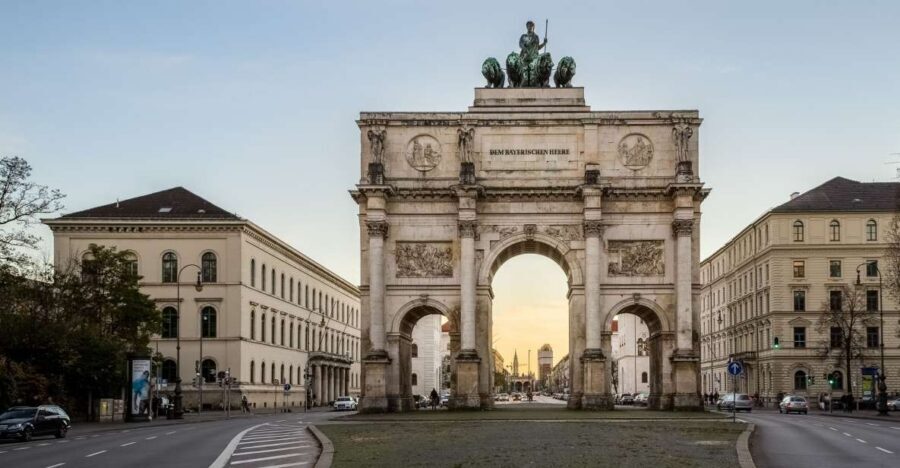
A self-guided day in Munich can feel like speed-running. One minute you’re trying to pronounce a square, the next you’re standing in front of a building that clearly matters, wondering why. With a private guide, you don’t waste that time.
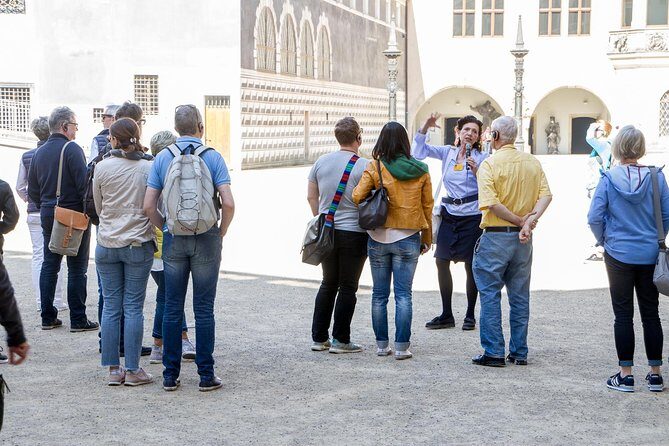
You get a personalized walking tour that focuses on the exterior of monuments and museums while explaining what you’re seeing and why it matters. In plain terms: you’ll walk with someone who knows how Munich “hangs together,” so the city starts making sense as you go.
The vibe is also practical. The format is designed for couples, solo travelers, and families who want a plan that can flex. If you’re tired, you can slow down. If you want more stops, you can ask for them. That’s a big deal in a city where the distances are manageable but the details are not.
If you care about getting your bearings fast, this style of tour usually delivers. Guides often bring helpful visual support too—one guide, Phillip, is noted for sharing a notebook of historic pictures, which makes the city’s changes feel real instead of abstract.
You can also read our reviews of more walking tours in Munich


Price and Time: What $55 Buys You in Munich

At $55 per person, you’re paying for private time with a guide plus their knowledge of where to go and how to pace it. The range is usually 2 to 8 hours, so the “value” depends on how long you want to be out walking and how much you want tailored attention.
Think of it this way: a shorter tour is great if you want orientation and the big outdoor highlights. Longer tours make more sense if you want space for slower stops, extra questions, and a more personal route—especially if you’re mixing neighborhoods or adding a park break.
Also note what’s not included: food and drink, attraction tickets, and inside museum admissions. So the tour price covers the guide, the walking experience, and the sightseeing guidance, but it doesn’t cover you eating or buying entry fees. If you plan ahead, you can keep costs predictable.
One more value angle: because the guide checks your preferences beforehand, you’re less likely to spend your paid hours on stuff you don’t care about. That’s not a small thing. In Munich, the difference between loving your day and just tolerating it can come down to whether the stops match your interests.
Picking Your Guide Experience: Tailoring, Language, and Pace

This tour runs with a live guide in English, French, or Spanish, and it’s a private group, so you aren’t stuck with a one-size-fits-all rhythm. That matters when your questions aren’t “typical tourist questions.” You’ll get answers that fit what you’re actually looking at.
Guides vary in style, but the names that show up strongly in feedback have a pattern: friendly, organized, and comfortable mixing big topics with approachable explanations. Phillip is specifically praised for combining history, religion, and culture without dumping an overwhelming amount of detail—plus he’s described as calm and helpful in tough weather.
If you’re new to Munich transit, that can be a quiet anxiety. One guide, Phillip, is also noted for assisting with a first subway trip, and that kind of practical help can save you stress later.
Other guide styles also fit different traveler types. Anna is praised for sharp info on Munich churches and the Rathaus, including Baroque art details. Verena is described as keeping a good pace—moving without rushing—and getting people out into areas like the English Garden for people-watching.
The takeaway for you: choose your tour length based on how many “askable moments” you want. If you like to linger at viewpoints and read signs, longer is better. If you prefer a crisp highlights day, shorter works fine.
Old Town Sights: Rathaus, Church Squares, and Baroque Details
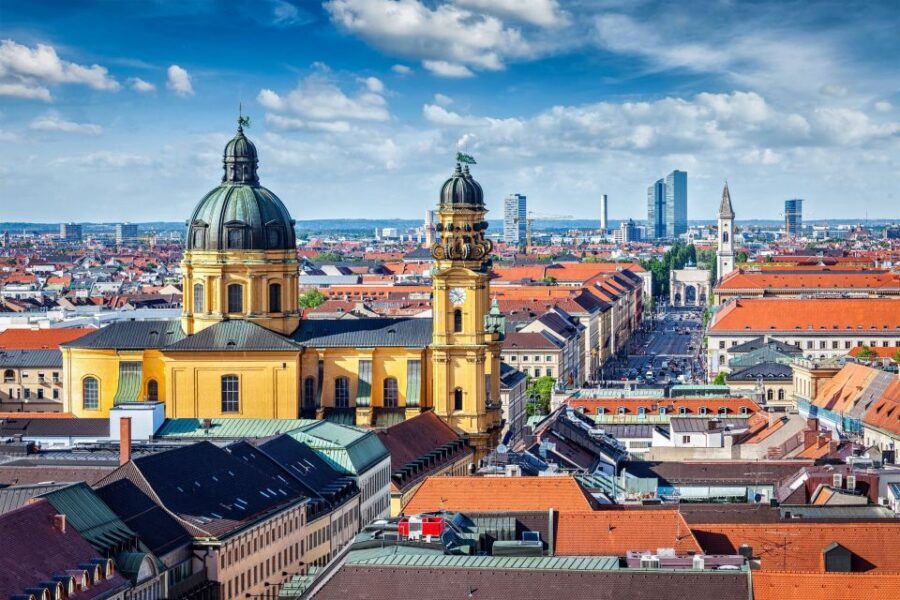
Munich’s center can look tidy and grand from far away, but it’s the smaller visual cues that tell the story. A good guide makes those cues readable—sculpture choices, church features, and the meaning behind civic landmarks.
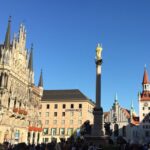
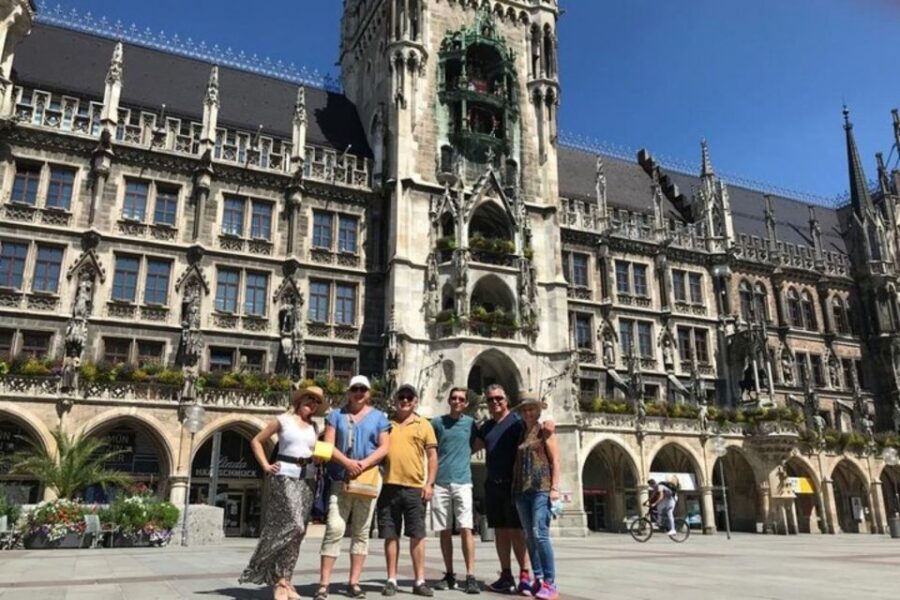
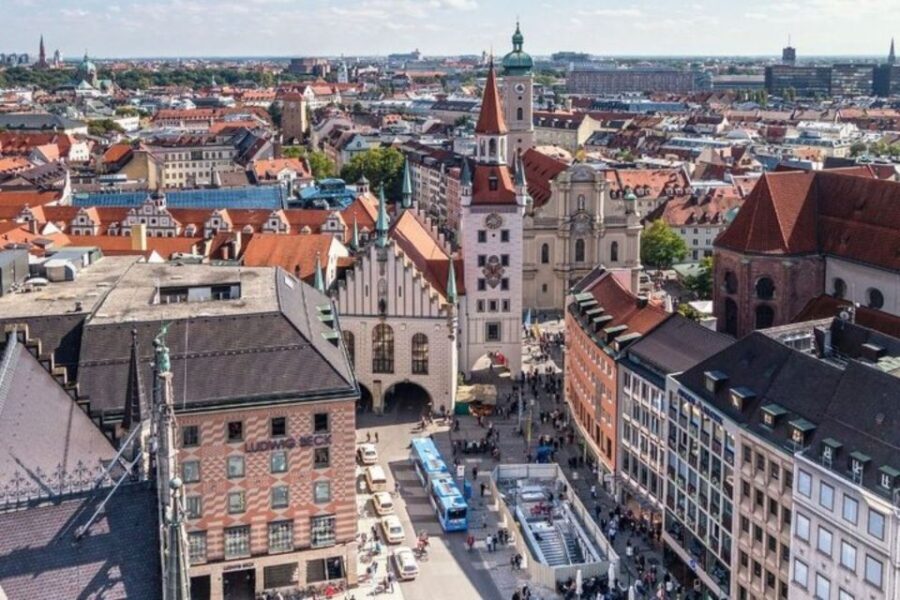
A standout for many people is the Rathaus area and nearby historic streets. Anna is specifically noted for excellent information around the Rathaus, and that fits the way these buildings function as both political symbols and community anchors. When you understand that, you stop treating it like a postcard background.
Churches are another big focus. You might find yourself talking about Munich’s religious architecture and what certain design choices were meant to communicate. Vicki’s note about city coverage includes good church information, and Anna is also praised for church-focused knowledge.
If you’re into art details, this kind of tour can be a win. Anna’s Baroque art expertise gets mentioned, which suggests you won’t just get the name of a church—you’ll get a few clear points about what to look for while you’re standing there.
One caution: if your main goal is museum interiors, keep expectations realistic. The tour is designed for exteriors and guided sightseeing, and inside entries aren’t included. That means you’ll still walk past the big places, but the deep interior experience will depend on what you choose to add.
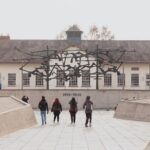
Handling WWII and Hard History Without Feeling Overwhelmed
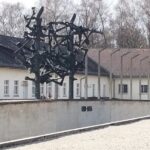
Munich’s story includes dark chapters, and you’ll likely run into them even on a normal sightseeing day. The difference between learning and feeling buried is how the information is paced.
Phillip is praised for sharing WWII and Nazi facts in a way that’s described as not overwhelming. That’s important. You can want context without turning your trip into a heavy slog, and a guide who knows how to keep it balanced can make your understanding stick.
You should also expect the guide to connect the past to what you see today—how streets and buildings reflect changes over time. One note highlights a guide correlating past and present with detailed explanations and images, which is exactly the sort of bridge that helps you process history in a grounded way.
If you’re traveling with kids, this pacing angle matters even more. The goal isn’t to avoid difficult topics—it’s to deliver them with a human, clear approach.
So, if history is part of your reason for coming, you’re in the right place. If you prefer only light background and quick mentions, you’ll want to say so at the start and ask for a lighter emphasis.
You can also read our reviews of more guided tours in Munich


English Garden Breaks and Evening Munich Magic
Munich isn’t only streets and monuments. It has breathing room, and guides often know when to add a change of pace.
English Garden comes up in feedback, including one tour described as running through the park for great people-watching. That’s practical advice in disguise: after an hour or two in dense Old Town lanes, a park stop gives your brain a reset. You also get a different side of Munich—less ceremonial, more everyday.
Timing can also change how the city feels. A guide recommendation in feedback notes that Munich is beautiful during the day, but magical at night, and suggests booking a later slot if you can. That makes sense because lighting changes everything: façades look warmer, and the streets feel less like a museum map.
If you’re choosing between a daytime and later time, here’s the simple way to decide:
- Daytime slot: best for sharper viewing and catching details.
- Later slot: best for atmosphere and softer visuals.
Either way, because you’re with a private guide, you can ask for the mix you want—Old Town focus first, then a park pause, or the reverse.
Practical Stuff That Makes the Tour Feel Smooth
A private walking tour only works if the day is comfortable. Munich weather can swing, especially in colder months, and guides seem used to adjusting. Phillip is mentioned as friendly even in cold, rainy weather, which tells you the tour aims to keep moving without acting like weather ruins everything.
Plan for walking. This is not a drive-around city tour. It’s a walking experience with public transport support depending on your selected option. The basic format includes walking and public transport (except if you pick an option that changes that), so you’ll likely cover more ground than pure walking while still staying close to the city’s real layout.
Food and drink are not included. That’s fine if you treat it like a planning opportunity. The tour description specifically mentions the guide can point you to nice places to eat, so come with a couple preferences (quick vs. sit-down, German basics vs. something lighter) and ask for a recommendation that fits your pace.
Museum tickets aren’t included either, and inside visits require contacting in advance with a supplement depending on the museum. If museums are a priority, ask early which one(s) make sense for your time window so you’re not rushing at the end.
What to wear: comfortable shoes. That’s not a travel cliche; it’s the difference between enjoying church steps and regretting them. Also bring a layer. Even when the day looks calm, Munich’s wind can make standing around feel longer.
Who Should Book This Tour (And Who Might Skip It)
This tour is a strong fit if you want:
- A private guide instead of a crowded group.
- A tour that can adapt to what you’re interested in that day.
- Help understanding Munich’s big landmarks and how history connects to what you see now.
- Practical city advice, including suggestions on where to eat and how to move around.
It may not be the best fit if:
- You mainly want museum interiors and already planned your ticketed visits.
- You only want a casual stroll with no history context.
- You’re not comfortable walking for a couple hours, because the format is still a walking-based experience.
For most people, it lands in the sweet spot: you get structured sightseeing, but you keep control.
Should You Book This Munich Private Walking Tour?
Yes, if you want Munich to make sense fast. The biggest reason is the private, customizable structure. You can get the Rathaus and church landmarks tied to explanations that feel readable, plus a guide who can shape the day toward what you care about—whether that’s art details, history context, or a park break.
I’d especially book if you’re the type who likes asking why something looks the way it does, or if you want help navigating transit and planning meals. If you’re a museum person, just plan your inside visits separately since entry isn’t included by default.
If you’re on the fence, choose a time slot that matches your energy. Short daytime walk for clarity and orientation. Later slot for mood and atmosphere.
FAQ
FAQ
What is the duration of this Munich private walking tour?
The duration is listed as 2 to 8 hours. Starting times depend on availability.
How much does the tour cost?
The price is $55 per person.
Is the tour private?
Yes. It’s described as a private group.
What languages are the guides available in?
Guides are available in English, French, and Spanish.
Does the tour include museum tickets or museum entry?
No. Museum visits are not included. If you want to visit a museum inside, you need to contact in advance, and a supplement may apply depending on the museum.
Is hotel pickup included?
Yes, hotel pickup is included if your accommodation is located in the city. Otherwise, you’ll meet at the pickup location.
What’s included in terms of transport?
It includes a walking tour and public transport, except if you select one of the options that changes this.