REVIEW · MUNICH
Munich Macabre Group Walking Tour
Book on Viator →Operated by Dark History Tours · Bookable on Viator
Death, coins, and beer in Munich.
This Munich Macabre Group Walking Tour mixes real old-town stops with hands-on archaeology led by archaeologist and historian Taff Simon, who tells stories in plain language instead of reciting a script. You’ll also get to handle items that normally stay behind glass, which makes the past feel physical and immediate. One thing to consider: the content can get graphic and unsettling (especially around graves and plague-era beliefs), so it’s not ideal for very young kids or anyone with a vivid imagination.
The route is easy to follow—your guide leads the way from Marienplatz to Old Town Hall and back—so you’re free to focus on what you’re seeing. I like that the tour connects big events (the Black Death, blood-libel accusations, witch trials) to the specific places where the evidence shows up in stone, street layout, and burial material. The outdoor walking plus some uneven surfaces means you’ll want decent shoes and a bit of patience with your feet.
In This Review
- Key Things That Make This Tour Worth Your Evening
- Entering Marienplatz: meeting point, tone, and why the tour starts there
- How the tour handles Munich’s medieval Jewish quarter and Blood Libel claims
- St. Peter’s Church: graves, symbols, and handling ancient coins
- Viktualienmarkt: from medieval outcasts to beer tasting and brewing rules
- Alter Hof: Wittelsbach power, a shocking medieval murder, and Talhoffer combat
- Old Town Hall witch trial: how evidence was manufactured and why it mattered
- Price, group size, and what you’re really paying for
- What to expect on the walk: timing, comfort, and weather reality
- Who this tour is best for (and who may not enjoy it)
- Should you book Munich Macabre?
- FAQ
- FAQ
- How long is the Munich Macabre group walking tour?
- What’s included in the tour price?
- Is the tour offered in English?
- Where do you meet for the tour?
- Is there an ending point or do you return to the start?
- How big is the group?
- What should I wear or bring?
- Is the tour suitable for children?
- Is the tour accessible by public transportation?
- Can service animals join?
- What if I need to cancel last minute?
Key Things That Make This Tour Worth Your Evening
- An archaeologist-led guide (Taff Simon) who uses real research stories, plus a sense of humor
- Hands-on handling of original ancient coins and pottery, plus replica medieval arms and armor
- A tight old-town route that keeps you moving through Munich’s medieval core without navigation stress
- Medieval beer samples tied to brewing penalties and why beer mattered daily
- Macabre history that’s grounded in sites like St. Peter’s, Alter Hof, and the Old Town Hall
Entering Marienplatz: meeting point, tone, and why the tour starts there
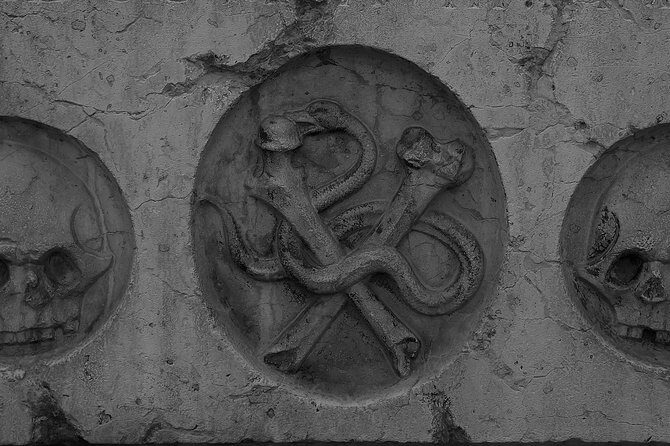
You begin at Fischbrunnen, Marienplatz 8 around 6:00 pm, then finish back at Marienplatz. Starting at this city square matters. Marienplatz is where Munich’s commercial and civic life has long gathered, so your guide can set the timeline fast—why the city grew where it did, and why the streets and buildings you see today make sense in the medieval layout.
Taff’s approach is part storyteller, part field archaeologist. You’ll notice how often he anchors a claim to an object, a symbol, or a construction clue rather than to vague “history says.” That style is why the tour works so well for mixed ages in the group, from teens to adults.
You can also read our reviews of more walking tours in Munich

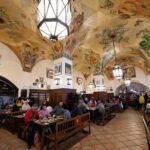

How the tour handles Munich’s medieval Jewish quarter and Blood Libel claims
One of the most important stops comes along Landschaftstraße, near the area that ran alongside the medieval Jewish quarter. Today, the street can look almost ordinary, which is exactly the point. Your guide uses the contrast to show how a community shaped Munich’s economic and cultural life—and how quickly that same community was targeted.
This is where you’ll learn about the devastating accusation cycle known as Blood Libel, including claims that Jewish people caused the Black Death or helped criminals and witches. The tour also brings in modern proof points: archaeological excavations connected to the U-Bahn project helped expand what people understand about this part of Munich.
A useful mindset for this stop: treat it like “place-based evidence.” Instead of only hearing about persecution as a distant topic, you connect it to streets, boundaries, and the physical record left behind. It’s heavy material, but it’s not just shock value; it’s structured so you leave with context.
St. Peter’s Church: graves, symbols, and handling ancient coins
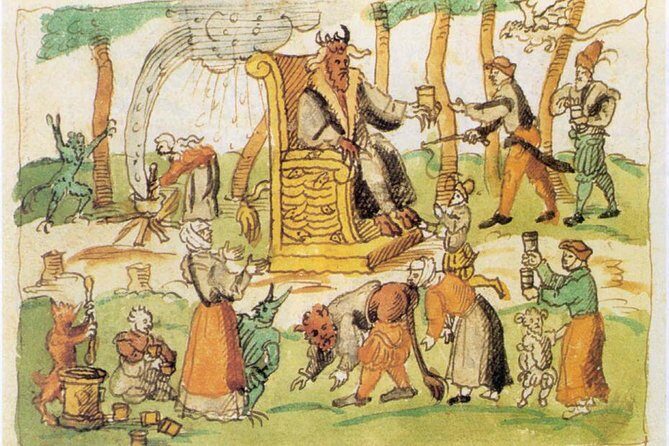
At St. Peter’s Church, you get the tour’s most “hands-on” archaeology vibe. Since it’s the oldest church in Munich, your guide turns that fact into a practical question: if a place is old, what does it mean for what’s buried there and how people marked it?
You’ll learn to decipher symbols on gravestones and pick up the burial logic behind early Bavarian rites—then contrast it with later realities where rest in peace could mean rest in pieces. The tour spends time on class, trade, and guild life, using gravestone details and architectural features as clues. That’s a clever bridge: it’s not only about death, it’s about how society organized itself.
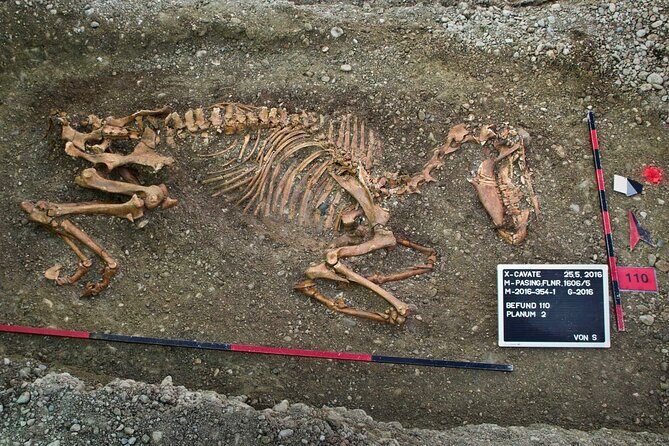
The most memorable element here is that you get to handle original ancient coins that would have been used as alms. Coins are small, but they’re packed with meaning: religion, charity, and daily practice folded into one object. You’ll also hear about grave goods like jewelry and weaponry, and your guide uses sensitive archaeological photo examples from construction excavations as context.
Practical note: this stop is educational, but it can be emotionally intense. If you’re traveling with kids, you might want to tell your guide in advance so the pacing and description level can be adjusted.
Viktualienmarkt: from medieval outcasts to beer tasting and brewing rules
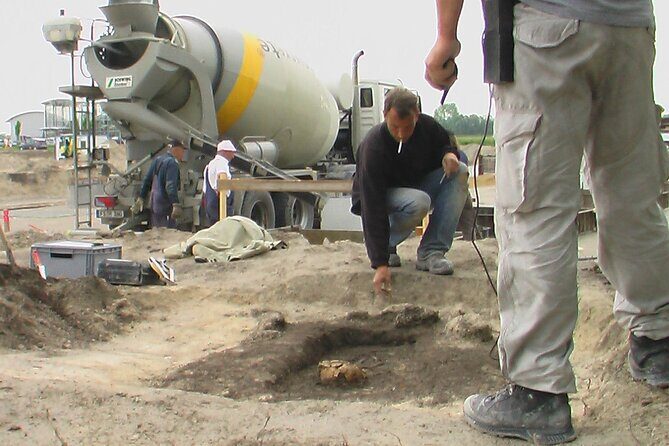
Viktualienmarkt today is a pleasant market scene—locals grabbing pretzels and cheese, then heading to beer gardens. But your guide points out that in medieval times, it could be a very different place if you were on the wrong side of society. You’ll hear the story of how an outcast could end up here, which reframes the “cute market” feeling.
Then the tour does something smart: it ties the moral and legal world of the Middle Ages to a taste you can experience. You’ll get authentic Medieval beer samples—small portions, not full servings—and your guide explains the penalties for making bad beer and pretzels. The lesson is that food and drink weren’t casual luxuries; they were regulated for public trust.
One practical advantage: this stop gives you a breather. You’re not just standing and listening—you’re tasting and connecting the story to a real sensory cue. And because beer is such a Munich signature, the macabre theme lands with less heaviness than you might expect.
Alter Hof: Wittelsbach power, a shocking medieval murder, and Talhoffer combat
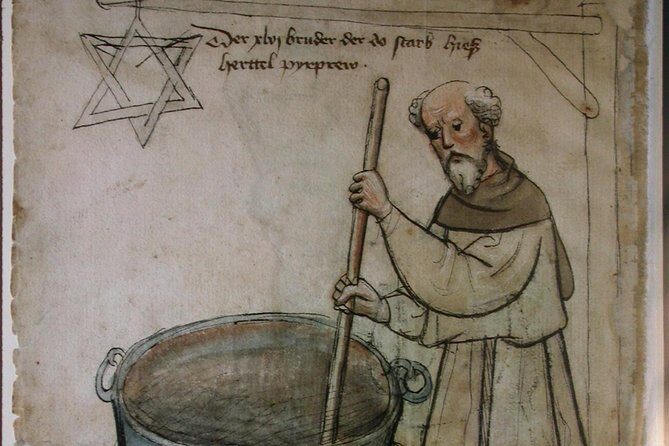
At Alter Hof, you’re in the former castle area tied to the Wittelsbacher—Bavaria’s royal family. That sets up a darker angle: your guide connects the site to a murder that shocked medieval Europe, and explains how the fallout would echo through later generations of Munich residents.
This stop also adds movement and texture. You’ll hear about medieval combat through the theories of late medieval sword master Hans Talhoffer. Then you get the fun part: handling replica swords (and possibly other replica arms or armor pieces, depending on what’s available and what time allows).
Finally, there’s a WWII archaeology thread. If timing works, you’ll hear how an Allied bomb in 1944 accidentally uncovered seriously ancient artifacts. The tour uses that discovery to bring pottery and other items into your hands so you can compare types and think about how archaeologists interpret fragmentary material.
This is a strong stop if you like your history with objects and “how do we know” explanations. It’s also where the tour’s best strength shows: it doesn’t isolate violence as entertainment. It uses fighting theory and material culture to explain how people lived, trained, and believed.



Old Town Hall witch trial: how evidence was manufactured and why it mattered
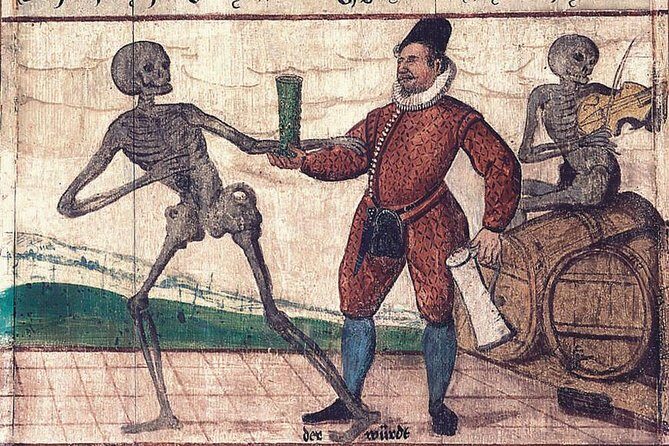
Your final “dark history” stop is the Old Town Hall, tied to what your guide frames as the most vicious witch trial in German history. You’ll learn about the background to the charges, the methods used to gather so-called evidence, and the fate of the Pappenheimers.
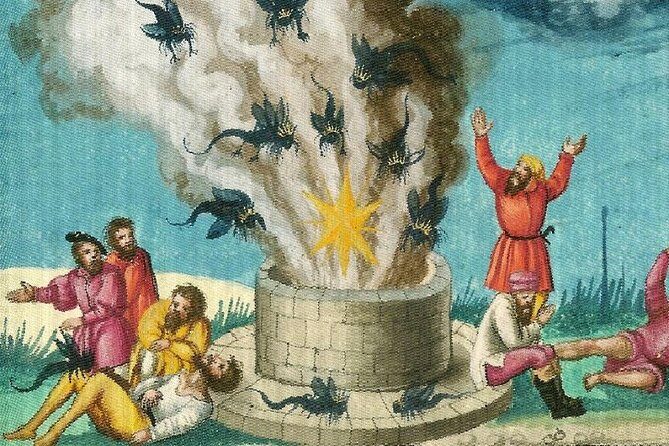
This is one of the stops that stays in your head after the tour, because it’s not only about the victims—it’s about the machinery of accusation. The tour highlights how “evidence” could be assembled in a way that ignored truth and protected power. That theme is reinforced with connections beyond Munich, including references to how the events felt as far away as colonial Massachusetts.
If you’re the type who wants a clear takeaway, this is it: the tour shows you how fear and politics can turn quickly into paperwork, testimony, and irreversible outcomes. And because this is tied to a real civic building, it lands with extra weight.
Price, group size, and what you’re really paying for
The price is $42.24 per person for about 2 hours 30 minutes to 2 hours 45 minutes. That’s not a budget deal, but it also doesn’t feel overpriced for what’s included—especially because this isn’t only a guided walk.
You’re paying for three value drivers:
- A small group experience (maximum 15 travelers), which keeps the tour interactive rather than one-way.
- Hands-on artifacts: original ancient coins and pottery plus replica medieval arms and armor.
- Alcohol included: medieval beer samples (with the note that supply issues can sometimes mean a modern substitute, still tied to the brewing history).
In plain terms: many walking tours sell stories. This one sells stories plus objects, and it’s guided by an archaeologist rather than a memorized script. If you love city history but get bored in lectures, that “touch the evidence” angle is the difference.
What to expect on the walk: timing, comfort, and weather reality
The tour is English only, and it uses a mobile ticket. Your start is set for 6:00 pm, and you’ll move through several outdoor streets and church-area spaces, so you’ll want to dress for evening weather even in good months.
The important comfort note is practical: there are some uneven surfaces, so good walking shoes matter. Seating availability is mixed by stop—some places offer seating, others don’t—so if you have needs related to sitting, you should flag it when booking so the route can be adjusted as much as possible.
Also, this is an outdoor walking experience that requires good weather. If conditions are bad or events block the route, the guide may adjust the route while keeping the same historical themes.
Who this tour is best for (and who may not enjoy it)
This tour is a great fit if you want Munich beyond postcard history. You’ll like it if you enjoy:
- macabre medieval stories, told with context rather than just shock
- archaeology in action, including handling coins and pottery
- a lively guide who can answer questions and keep teens engaged
It’s also a strong pick for families with older kids. The material includes some sensitive grave-related descriptions, but the operator notes they’ll try to temper the more descriptive elements when kids join. For very young children, you may want to think twice.
If you’re traveling with someone who hates dark themes or has an overactive imagination about unsettling topics, this probably won’t be the relaxing stroll you hoped for. The tour is intentionally themed—and it doesn’t hide that.
Should you book Munich Macabre?
If you’re deciding between a standard guided walk and something more unusual, I’d lean toward booking this one. For $42.24, you get a guided route across major old-town landmarks plus the rare chance to handle historical objects, not just view them.
The biggest reason to book is the combination: Taff Simon’s archaeologist storytelling plus hands-on props plus beer tasting. That trio makes the history feel lived-in, not museum-only. The main reason to skip is if the topic matter could be too intense—graves, plague-era beliefs, and witch trials are part of the experience, and the tour is honest about it.
If that sounds like your kind of Munich evening, this is an easy yes.
FAQ
FAQ
How long is the Munich Macabre group walking tour?
The tour runs about 2 hours 30 minutes to 2 hours 45 minutes.
What’s included in the tour price?
You get medieval beer samples, plus a guided experience led by an archaeologist and historian. You’ll also get to handle original ancient artefacts and replica medieval arms and armor.
Is the tour offered in English?
Yes. This tour is only offered in English.
Where do you meet for the tour?
You meet at Fischbrunnen, Marienplatz 8, 80331 München, Germany.
Is there an ending point or do you return to the start?
The tour ends back at the meeting point at Fischbrunnen.
How big is the group?
The tour has a maximum of 15 travelers.
What should I wear or bring?
Wear comfortable shoes with a grip, because there are some uneven surfaces. Dress for local evening weather, since it’s outdoors.
Is the tour suitable for children?
Some content is not really suitable for particularly young children, though the guide may temper more descriptive elements. It’s better for families with older kids who can handle dark historical topics.
Is the tour accessible by public transportation?
Yes, the meeting point is near public transportation.
Can service animals join?
Yes, service animals are allowed.
What if I need to cancel last minute?
The experience offers free cancellation if you cancel up to 24 hours in advance for a full refund. After that window, refunds are not available.