REVIEW · MUNICH
Munich: Birthplace of the Third Reich Guided Walking Tour
Book on GetYourGuide →Operated by Radius Tours GmbH · Bookable on GetYourGuide
Munich has a second story. On this 2.5-hour walk, you trace how Nazi power grew in everyday places—starting with early beer-hall gatherings linked to Hitler’s first major speeches, then moving to spots tied to Kristallnacht and the wider machinery of oppression. You’ll see surviving Nazi-era buildings and memorials for victims right in the same streetscape.
I especially like the way the guide turns street corners into cause-and-effect. Guides such as Jake and Sam are praised for being clear, answering questions, and keeping the story grounded in what you’re actually looking at. I also like the emotional balance: the tour doesn’t just list dates—it points you toward empathy and remembrance, including monuments honoring victims and opponents of Nazism.
One drawback to plan for: this is heavy history, and it’s still a walking tour. If the topic hits hard—or if weather turns nasty—you’ll want to dress for comfort and pace yourself.
In This Review
- Key highlights you’ll remember
- Why Munich turns history into something you can see
- Meeting at Radius Tours office and getting into the historic center
- Beer halls and early speeches: where a movement found its voice
- Goebbels and the Night of Broken Glass: turning propaganda into violence
- Nazi Headquarters and surviving WWII scars: when the past stays visible
- Monuments for victims and opponents: the remembrance part that matters
- Guide quality: why Jake, Sam, Dan, Nic, and Steve keep getting praised
- Price and value: $29 for a 2.5-hour lesson in Munich reality
- Timing, weather, and what to wear on a story-walk
- Who this tour fits best (and who might rethink it)
- Should you book this Munich Third Reich walking tour?
- FAQ
- How long is the guided walking tour?
- Where do I meet for the tour?
- Is the tour offered in English?
- What main locations are included in the experience?
- Does the price include transportation?
- Do I get hotel pick-up?
- Is free cancellation available, and can I pay later?
Key highlights you’ll remember
- Beer halls tied to Hitler’s early meetings: the places where fanatics first gathered, made plans, and delivered early speeches
- A stop connected to Goebbels and Kristallnacht: standing at the building where the Night of Broken Glass was plotted
- The official Nazi Headquarters area: you’ll see Nazi power in an official, administrative setting
- WWII-era survival in central Munich: many areas were bombed, but Nazi buildings endured, so the past feels uncomfortably near
- Monuments for victims and opponents: you end up facing remembrance, not just spectacle
- English live guiding with Q-and-A energy: guides are repeatedly praised for fielding questions and keeping it understandable
Why Munich turns history into something you can see
Munich isn’t just a backdrop for twentieth-century events. This city played a central role in the rise of the Nazi Party, long before the war engulfed Europe. That’s what makes this walk different from a generic WWII tour.
Instead of bouncing between a few big landmarks, the route teaches you how small decisions and propaganda can grow legs. You watch the shift from political movement to state power using real places: halls for meetings, streets for confrontations, and official buildings where ideology turned into policy.
And that’s the uncomfortable part. You’re not staring at a museum display in a safe box. You’re walking among buildings where life—and persecution—came out of the same streets.
You can also read our reviews of more walking tours in Munich

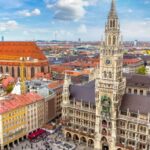
Meeting at Radius Tours office and getting into the historic center

The practical start is simple: you meet at the Radius Tours office. From there, the tour includes transportation to the historic center of Munich, so you’re not spending the first chunk of a 2.5-hour slot simply commuting on your own.
There’s no hotel pick-up. So if you’re staying outside central Munich, plan to make your way to the meeting point without counting on a pickup van.
This matters because the tour is short. With a 2.5-hour duration, every minute you don’t spend walking in circles is a minute you get with the guide’s explanation.
Beer halls and early speeches: where a movement found its voice
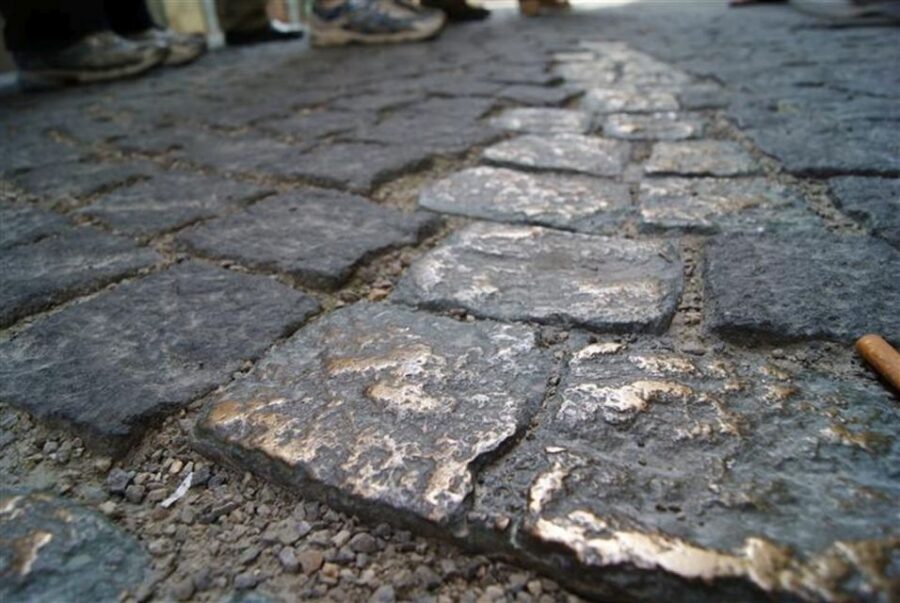
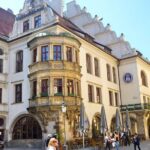
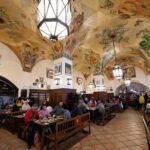
The tour’s early stops focus on the beer-hall world—places that feel social and ordinary now, but which once acted like political stages. You’ll visit beer halls where Hitler had his first party meeting and where early speeches helped build attention and followers.
Here’s why that part works: you get to connect propaganda to setting. Beer halls weren’t neutral venues. They were meeting points where ideas could spread fast, where intimidation could be normal, and where people could be pulled into a story that promised order, pride, and revenge.
You’ll also hear how the Nazi movement didn’t appear fully formed. It grew from early organizing and street-level conflict, including the push and pull between the Nazi Party and its opponents in Munich.
If you’re someone who likes history in human scale, this section is one of the most effective. You’re not just learning who did what—you’re learning how it sounded, how it sold itself, and how it recruited.
Goebbels and the Night of Broken Glass: turning propaganda into violence
One of the most striking stops is the building tied to Goebbels and the Night of Broken Glass (Kristallnacht). You stand in a place connected to the planning of a turning point that led directly into the Holocaust’s larger machinery.
This is the section where the tour becomes more than political history. You’ll be guided to face what anti-Semitism meant in practice—how hate was organized, promoted, and converted into coordinated violence.
A good guide makes a difference here. In the reviews you can see a pattern: guides are praised for handling a difficult topic with a mix of clarity and care. Some guides even use humor lightly as a pressure-release valve, without making the subject feel trivial.
For you, the takeaway is simple: watch how the tour connects ideology to real actions. When you understand that shift—from speech to planning to violence—the city feels different. Less like a postcard. More like a warning.
Nazi Headquarters and surviving WWII scars: when the past stays visible
The walk also includes a stop at the official Nazi Headquarters area. That’s a key moment because it shows the movement’s transformation: it wasn’t only activists and speeches. It became administration, command, and enforcement.
Then the tour adds an extra layer that’s hard to forget: you’ll see other nearby buildings with WWII scars and understand how much of central Munich was devastated by Allied bombing—yet many Nazi buildings survived and still stand today.
That combination is what makes the tour feel immediate. If the city had been erased completely, you’d experience history as something distant. Instead, you’re looking at structures that kept going after the bombs. And alongside them, you’re also shown memorials for victims and opponents.
That contrast is powerful, but it can be unsettling. Don’t expect a smooth, upbeat walkthrough. This is the part where you may need a few moments to let the setting sink in.
You can also read our reviews of more guided tours in Munich

Monuments for victims and opponents: the remembrance part that matters
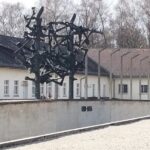
A tour like this earns its keep only if it doesn’t stop at the villains. Here, you also visit monuments honoring victims and opponents of Nazism. That changes the tone from “how did this happen?” to “who paid the price?”
In a city with layers—churches, streetscapes, and old civic buildings—memorials can be easy to miss if you’re moving fast. The guide’s job is to slow you down, point out what matters, and connect each memorial to the larger story.
I like this approach because it helps you avoid the common trap: treating history like a list of events. Instead, the tour keeps bringing you back to people—what was lost and what it cost to resist.
If you want something emotionally steady at the end, this section tends to deliver. The remembrance stops land better than any facts dump.
Guide quality: why Jake, Sam, Dan, Nic, and Steve keep getting praised
The consistent theme in the feedback is the guide. Not in a vague way. In specific ways.
- Jake is repeatedly praised for being knowledgeable and for inviting and answering lots of questions.
- Sam is singled out for being especially thorough—another sign that the tour doesn’t rush through the hard parts.
- Dan stands out for making one of the most interesting history lessons people say they’ve had, with good question-handling and clear explanations.
- Nic is praised for organizing the walk well while still taking time to answer individual questions.
- Steve is described as delivering the story with empathy and humor in a way that helps people process, not just memorize.
That matters for you because this is not a casual tour. It’s a story with moral weight. You need a guide who can explain without turning the topic into a performance.
If you’re the type who reads and wants context, some guides also bring photo-binders or similar aids to help you picture what you can’t literally see anymore. That’s especially helpful when you’re standing in place and trying to imagine what happened there.
Price and value: $29 for a 2.5-hour lesson in Munich reality
At $29 per person for 2.5 hours, you’re paying for two things: a guided narrative and transportation to the historic center.
The value isn’t only the price tag. It’s the fact that the tour is structured around meaningful sites. You’re not spending most of your time hunting for addresses or guessing what you’re looking at. And because it’s guided, you get the connective tissue: why Munich mattered, how the Nazi Party rose, and where major milestones fit in.
Also, the range of positive feedback on guides suggests that you’re buying more than “someone talking.” You’re buying explanation, pacing, and the ability to handle questions—especially in a topic where misunderstandings can be easy.
If you’re only in Munich briefly, this tour is a strong use of time. It’s short enough to fit, but heavy enough to change how you see the city.
Timing, weather, and what to wear on a story-walk
This is walking history. So treat it like any other outdoor tour: plan for weather, wear comfortable shoes, and don’t dress like you’re going to a nice dinner.
One review notes a rainy day and praises how the guide handled it. Another mentions freezing temperatures making it feel long at first—then quickly manageable as the tour got going. That’s a pretty honest preview: you’ll feel the weather at the start, then the story takes over.
Bring a small layer you can add or remove. And consider carrying water or a light snack. The tour length is only 2.5 hours, but you’re likely to ask questions, stop for photos, and stand still at a memorial. Comfort keeps your brain open for the harder parts.
If you’re hoping for a gentler start time, there’s also mention of an earlier morning option for at least some schedules.
Who this tour fits best (and who might rethink it)
This guided walk is a great fit if you:
- care about how ideology grows in real places
- want a city-focused story instead of only general WWII facts
- like asking questions and getting direct answers from the guide
- appreciate remembrance that includes victims and opponents, not only perpetrators
You might rethink it if:
- you’re sensitive to emotionally intense material and want a lighter history option
- you’re not comfortable with a 2.5-hour outdoor walk
- you prefer museums over street-level history
That’s not a judgment. It’s just matching your day to your energy level.
Should you book this Munich Third Reich walking tour?
I think it’s worth booking if you want Munich history that actually connects street scenes to real events—beer halls, official power, Kristallnacht, and the memorials that insist on accountability.
Choose it when you have at least a bit of mental room for heavy themes. Choose it even more if you like guides who answer questions and keep the pacing respectful.
If you’re looking for a simple sightseeing loop, skip it. If you want to understand why Munich is remembered the way it is—and why the city makes room for remembrance—you’ll likely find this tour hits the right balance of facts, setting, and human meaning.
FAQ
How long is the guided walking tour?
It lasts 2.5 hours.
Where do I meet for the tour?
Meet at the Radius Tours office.
Is the tour offered in English?
Yes, the live tour guide offers the tour in English.
What main locations are included in the experience?
You’ll see beer halls tied to Hitler’s early meetings and speeches, a building connected to Goebbels and the Night of Broken Glass, the official Nazi Headquarters area, and monuments honoring victims and opponents of Nazism.
Does the price include transportation?
Yes. It includes transportation to the historic center of Munich.
Do I get hotel pick-up?
No, hotel pick-up is not included.
Is free cancellation available, and can I pay later?
You can cancel up to 24 hours in advance for a full refund. You can also reserve now and pay later.