REVIEW · MUNICH
Munich: Highlights Walking Tour with a Guide
Book on GetYourGuide →Operated by Guydeez Tours · Bookable on GetYourGuide
Munich has a way of pulling you in fast. This 3-hour Old Town walking tour is a smart way to see the city’s top landmarks in sequence, with a guide who keeps you oriented and points you toward good next steps. I especially like how it’s built around Marienplatz (the heart of it all) and then flows into the big-name sites you’ll be seeing anyway, but with explanations that help them make sense.
Two things I like a lot: you get a real private guide with the chance to customize the walk to your interests, and you also come away with practical advice for the rest of your Munich days, not just photos at famous spots. One possible drawback to think about: with a 3-hour schedule, the guide’s focus matters—if you want a lighter touch (less church/war detail) or you’re counting on a specific Glockenspiel show time, it’s worth making sure the timing lines up with what you care about.
In This Review
- Key Highlights Worth Paying Attention To
- Why This Munich Old Town Walk Feels Efficient
- Meeting at Marienplatz: Finding the Julia-Capulet-Statue Start
- Marienplatz and the Glockenspiel: How to Plan Your Timing
- Frauenkirche: The Cathedral Stop That Can Shape the Whole Tone
- Rathaus-Glockenspiel: More Than a Clock, a Civic Message
- Hofbräuhaus and Beer Culture: Fun Facts That Make Munich Click
- Odeonsplatz: Beauty, Power, and the Dark Side of the Square
- Residenz and Viktualienmarkt: Royal Bavaria and Real Daily Life
- Private vs Group: When Customization Is Actually Worth It
- Price and Value: What $53 Buys You in Munich
- Timing Reality Check: Glockenspiel and Route Focus
- Who This Tour Suits Best
- Should You Book This Munich Highlights Walking Tour?
- FAQ
- How long is the Munich highlights walking tour?
- Where do I meet the guide?
- Which sights will the tour cover?
- Are Glockenspiel performances included during the tour?
- Is this tour private or group-based?
- What languages are the live guides available in?
- What’s included and what’s not included?
Key Highlights Worth Paying Attention To
- Marienplatz Glockenspiel times (11:00, 12:00, 5:00 from March–October) help you plan the day
- Private, customizable walking format means you can steer the emphasis if you speak up
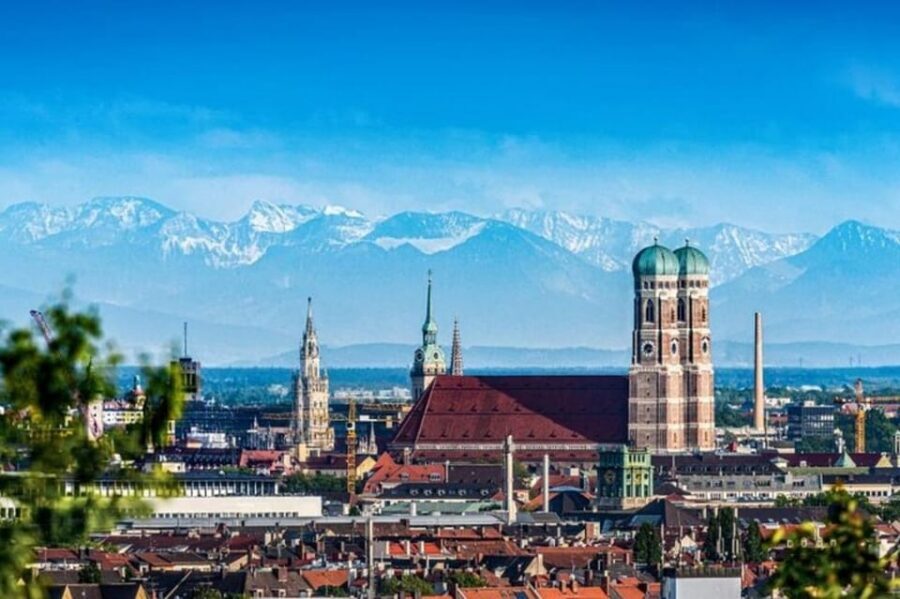
- Frauenkirche + Rathaus-Glockenspiel put church and civic Munich in the same route
- Hofbräuhaus stop brings in Munich’s beer culture, including talk of the beer purity law and Oktoberfest
- Odeonsplatz context includes the square’s role in Nazi rallies (1930s–1940s)
- Viktualienmarkt and Residenz round things out with everyday food life and royal power
Why This Munich Old Town Walk Feels Efficient
Munich is easy to get lost in emotionally, even when you can technically find your way. You’ll see big squares, famous churches, and grand buildings, but without context they can feel like a checklist. This tour helps you turn the checklist into a story.
For your money, you’re not just buying walking time. You’re buying guided flow—your guide is there to connect what you’re seeing to what matters: why Marienplatz is central, what the Rathaus clock display represents, and why the Residenz isn’t just pretty walls but a symbol of Bavarian power. You’ll also get guidance on what to do after the tour, which can save you hours of guessing.
The price—$53 per person for about three hours—can be good value if you’re the type who wants local guidance over solo wandering. And if you choose a private option, it’s even better, because the guide can adjust pace and priorities rather than forcing everyone into a fixed script.
You can also read our reviews of more walking tours in Munich

Meeting at Marienplatz: Finding the Julia-Capulet-Statue Start
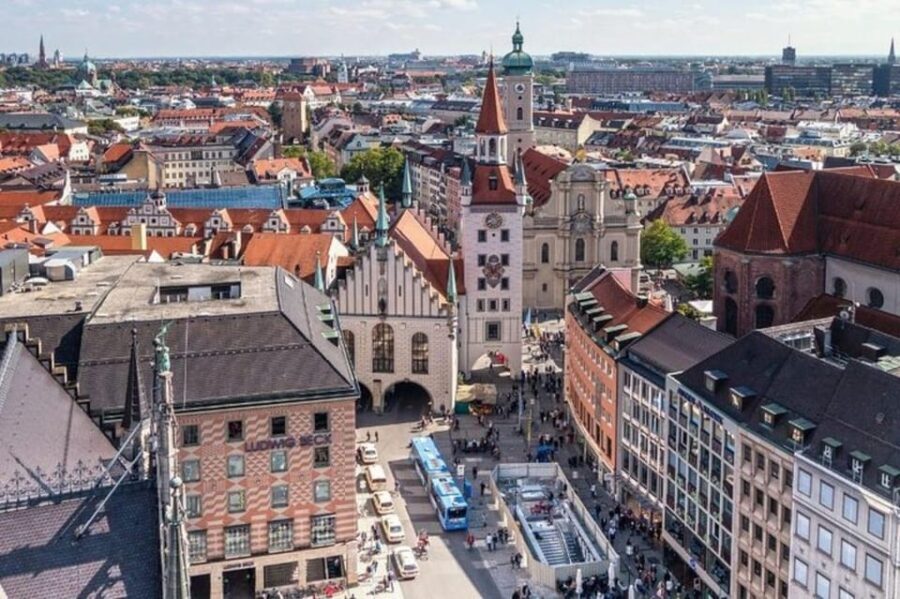
The meeting point is in the Marienplatz area, at the Julia-Capulet-Statue. That’s a useful detail: Marienplatz is one of those locations where you can build the rest of your day around it, whether you head to museums afterward or stop for lunch nearby.
I like starts like this because you’re not wasting time in transit at the beginning. You’re positioned right where the action is, and from here the walk naturally leads you from the city’s civic center to religious landmarks, then toward the beer hall and major squares.
Practical tip: if your goal includes the Glockenspiel at a specific time, arrive a few minutes early and don’t dawdle outside the group. The tour runs on foot, and the most famous moments are time-based.
Marienplatz and the Glockenspiel: How to Plan Your Timing
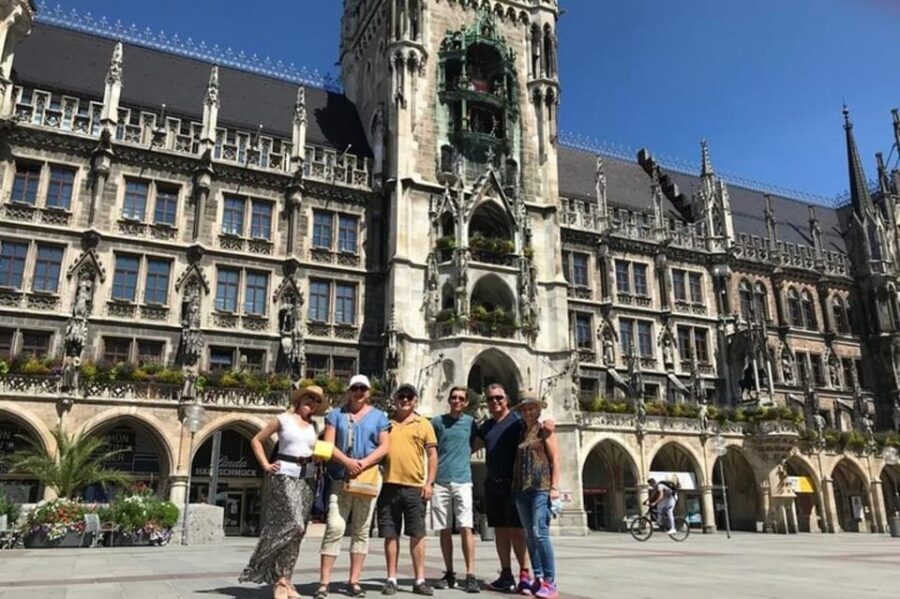
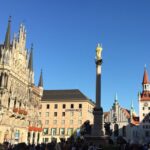
Marienplatz is where you feel Munich’s “public life.” Your guide brings you to the main square and points out what to watch for and what to understand when you look up at the Glockenspiel.
Here’s the key scheduling detail you can actually use: the Glockenspiel performs at 11:00, 12:00, and 5:00 from March through October. If your tour date falls within those months, this is a real advantage. You can time your day so you’re not just hearing about it—you’re seeing it when it happens.
One thing to watch out for: with only three hours total, the tour pace has to be efficient. If you care deeply about catching a particular show—say, the noon one—confirm that the route is built to land you in the right spot at the right minute. One unhappy booking called out a mismatch between promised timing and how the guide ended the route, so treat your show time like an appointment, not a wish.
Frauenkirche: The Cathedral Stop That Can Shape the Whole Tone
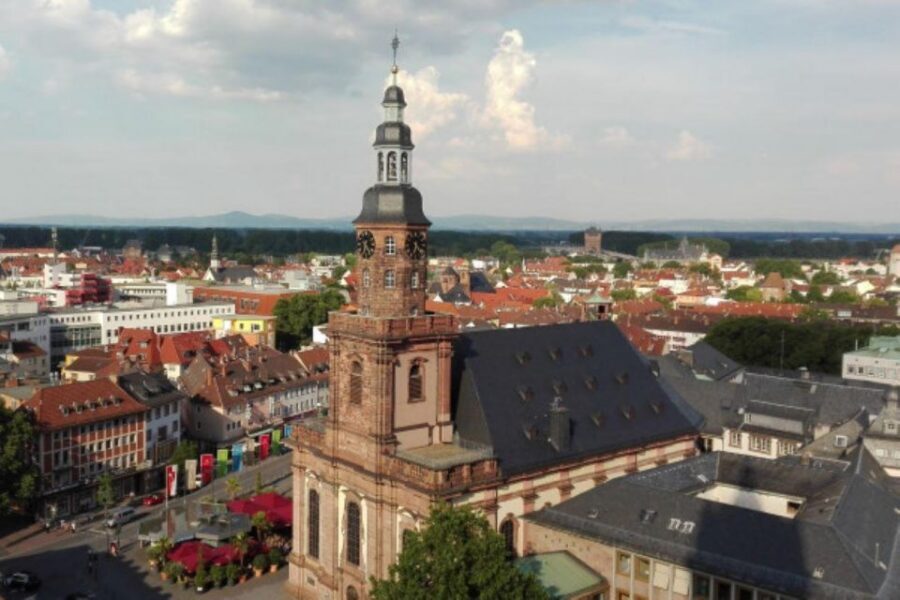
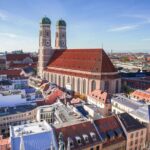
Next comes Munich Frauenkirche, described as the city’s largest church and a major cathedral. This is a stop that can go two ways, depending on the guide’s style and your interests.
If you’re into architecture and how Munich’s historic buildings survived war, this stop can be very meaningful. But if you want more of a quick visual overview and less detail, be aware that some guides may spend more time explaining damage from the war and how the rebuilding looks today.
That’s not “good” or “bad” on its own—it’s just a mismatch risk. If religion-focused detail isn’t your thing, say so early. A private and customizable structure can help, but only if you communicate what you want: lighter commentary, more city-life context, or more about civic buildings and squares.
Rathaus-Glockenspiel: More Than a Clock, a Civic Message
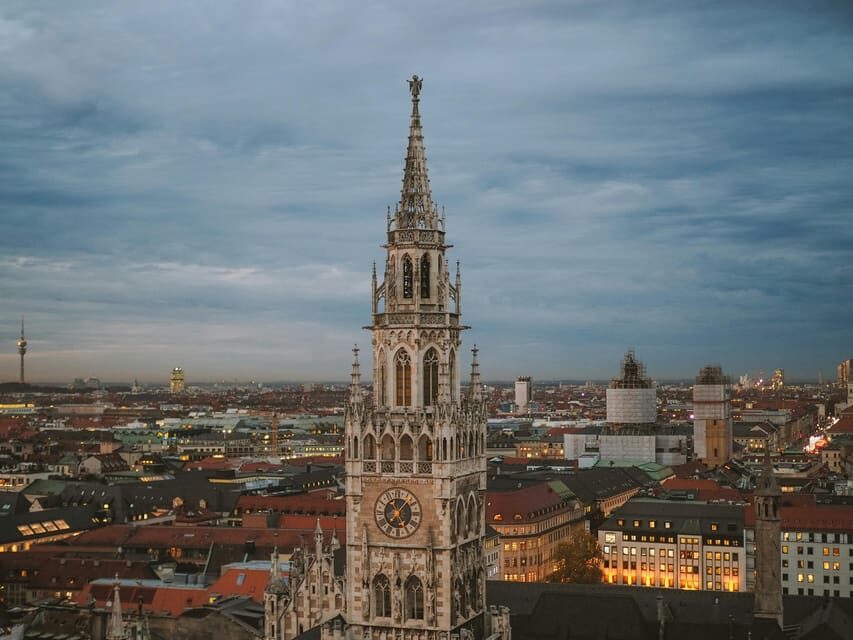
Then you’ll move to the Rathaus-Glockenspiel, one of Munich’s most visited sights. This is the kind of landmark you probably recognize from photos, but you’ll get much more out of it when you understand its history and significance.
Why it matters: Munich’s public identity isn’t only religious. The city expresses pride through civic art and ceremonial displays. With a guide, you connect the Rathaus clock work to the larger idea that these buildings aren’t just backdrops; they’re part of how the city tells its own story.
If your timing lines up, this is also the area where you’re most likely to want to look up and catch performances. Again: keep a close eye on time during your walk if a specific show is on your must-see list.
You can also read our reviews of more guided tours in Munich


Hofbräuhaus and Beer Culture: Fun Facts That Make Munich Click
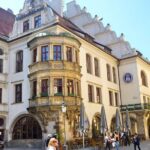
From the civic center, the walk shifts toward Munich’s most famous “culture export”: Staatliches Hofbräuhaus (the world-famous beer hall).
This is a great stop if you want the atmosphere without pretending you’re a beer expert. Your guide will share fun facts around the beer purity law and the annual Oktoberfest—both of which are central to how Munich sees itself. Even if you don’t plan to drink, this kind of explanation makes the beer hall feel like a historical institution rather than just a tourist stop.
A practical note: drinks and food are not included. That’s fine, because you can decide on your own budget and appetite. If you’re trying to keep the day efficient, this can be a good place to grab a quick refreshment afterward—either before or after the walk, depending on where you end up.
Odeonsplatz: Beauty, Power, and the Dark Side of the Square
Next comes Odeonsplatz, one of Munich’s most beautiful squares. Your guide won’t just point out the scenery. You’ll also learn about the square’s use during Nazi rallies in the 1930s and 1940s.
This is one of those moments where good guiding matters. It’s easy to take a beautiful location and treat it like it only has one story. A responsible tour gives you the full context—so you can see what happened here, without turning it into a grim lecture or skipping over it entirely.
I appreciate stops like this because they keep Munich from turning into a postcard. The city has layers, and if you understand that, the rest of your sightseeing becomes clearer.
Residenz and Viktualienmarkt: Royal Bavaria and Real Daily Life
The walk finishes with highlights on the edges of the big “big ticket” areas: the Residenz and a pass by Viktualienmarkt.
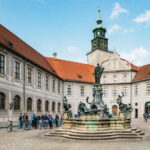
At the Residenz, you’re seeing the largest inner-city palace in Germany and the ancestral home of the Wittelsbach royal family of Bavaria. Even if you don’t go inside on this specific tour, just standing in the right sphere of context helps you grasp what this place represents: Bavarian power made architectural.
Then you’ll pass Viktualienmarkt, described as the largest inner-city fresh food market in Germany. This contrast is why I like the last stretch. One stop signals authority and heritage. The other signals everyday life—food, vendors, and the city’s daily rhythm.
If you want to extend your day after the walk, Viktualienmarkt is often the kind of place you can return to for a snack or a simple wander. It’s Munich you can touch.
Private vs Group: When Customization Is Actually Worth It
This tour can be private and customizable. If you’re with a group that has mixed interests—one person wants churches, another wants squares, someone else wants beer culture—private is where you’ll get more satisfaction per minute.
Even in a private setup, remember: the day is still three hours. Customization helps with emphasis, pacing, and how much time you linger, but it won’t magically expand the schedule. If you have two “must-see” items that conflict—like a specific Glockenspiel time and a deep interior palace visit—prioritize what you care about most and tell the guide upfront.
Guides you may encounter include people praised for preparedness and tailoring, like Elettra and Roberto. That’s encouraging, and it’s a reminder to choose this tour if you like guided context rather than purely self-paced sights.
Price and Value: What $53 Buys You in Munich
At $53 per person for around three hours, you’re paying for three things:
- A guide who connects landmarks into a coherent route
- Time efficiency—you see the main nodes without spending your entire morning figuring out what matters
- Help booking tickets for desired visits
That last part can quietly boost value. Ticket friction can turn a good sightseeing plan into a stressful one. With assistance, you can stay calmer and keep your energy for actually looking.
Your wallet question should be simple: do you personally benefit from guidance? If you’re the kind of traveler who likes walking with someone local and leaving with a better plan for the rest of your day, this price makes sense. If you prefer self-guided browsing and you already know exactly which doors you want to go through, then you might find a DIY plan cheaper. But you’d be doing more work on your side.
Timing Reality Check: Glockenspiel and Route Focus
Here’s the balanced truth. This is a walking tour with a planned sequence, and the biggest time-sensitive moment is the Glockenspiel during the performance windows in March–October. If you’re visiting in those months and you want the show, be ready to treat the group as the clock.
Also, be aware that guide focus can swing the feel of the tour. One unhappy experience described a heavy emphasis on church war damage and a shortfall on time to reach certain promised moments. That doesn’t mean every tour runs that way, but it does highlight what you should do: ask for what you want early and confirm timing if Glockenspiel is a top priority for you.
If you keep those two things in mind—your show time and your interest level in church commentary—you’ll get the most out of the experience.
Who This Tour Suits Best
I’d point you toward this tour if:
- You’re new to Munich and want the main Old Town landmarks in a sensible order
- You like learning why places matter, not just where they are
- You want practical advice for what to do next after the walk
- You want a route anchored around Marienplatz and the city’s iconic clock moments
- You’d benefit from private flexibility if your group has different interests
If your group is very religious-architecture-focused, you may love the church emphasis. If your group isn’t, speak up and steer the guide toward civic buildings, squares, the beer culture, and the daily-life market pass-by.
Should You Book This Munich Highlights Walking Tour?
Book it if you want a guided, efficient Munich orientation that makes the landmarks feel connected: Marienplatz, Frauenkirche, Rathaus-Glockenspiel, Hofbräuhaus, Odeonsplatz, plus context around the Residenz and Viktualienmarkt. The guide-led advice and the ticket-booking support add real value for a short visit.
Skip it or be extra cautious if your trip centers on very specific timing (a particular Glockenspiel show) and you’re sensitive to tours that lean heavily into church/war detail. In that case, send a quick note with your preferences before you go, and on the day, ask the guide to align the pacing with your priorities.
FAQ
How long is the Munich highlights walking tour?
It lasts 3 hours.
Where do I meet the guide?
Meet your guide in front of the Julia-Capulet-Statue.
Which sights will the tour cover?
You’ll see Marienplatz and the Glockenspiel, Frauenkirche, the Rathaus-Glockenspiel, the Staatliches Hofbräuhaus in München, Odeonsplatz, and you’ll also pass by the Residenz and Viktualienmarkt.
Are Glockenspiel performances included during the tour?
The Glockenspiel performs at 11:00 am, 12:00 pm, and 5:00 pm from March until October. Your timing on the walk depends on the tour schedule, but the guide will take you to the key spots.
Is this tour private or group-based?
A private group is available, and the tour is described as private and customizable.
What languages are the live guides available in?
English, French, Spanish, Italian, and German.
What’s included and what’s not included?
Included: guide, walking tour, private/exclusive tour if selected, and help from the team to book tickets for desired visits. Not included: drink or food.