REVIEW · MUNICH
Munich 4hr Private Walking Tour with Certified Guide
Book on Viator →Operated by Japan Guide Agency · Bookable on Viator
Munich can feel like a movie set, in real life. This private 4-hour walking tour puts you in the center of it, with a government-licensed English-speaking guide and flexibility to focus on the sights that match your mood. You’ll move efficiently between major landmarks without the big-tour march, and your guide will help you read what you’re seeing like it has footnotes.
I especially like two things: first, the small-group pace. You’re not stuck waiting for slow walkers or herded into one-size-fits-all explanations. Second, you get practical local help from your guide, including food and drink suggestions and even tips for using Munich’s bus/train app, like one guide named Vanessa shared in her guests’ feedback.
The main consideration is cost vs. entrance fees. The tour is pricey at $391.40 per person, and while many stops are free-entry, several high-demand museums and palaces are not included, plus you’ll cover transportation if needed and your own lunch.
In This Review
- Key things that make this tour worth your time
- Why this private 4-hour walk makes sense in Munich
- Getting oriented fast at Marienplatz and the Neues Rathaus Glockenspiel
- Peterskirche, Frauenkirche, Asamkirche, and Theatinerkirche: churches that tell different stories
- St. Peter’s Church (Peterskirche)
- Frauenkirche (Cathedral of Our Dear Lady)
- Asamkirche (Asam Church)
- Theatinerkirche St. Kajetan
- Viktualienmarkt: the easiest way to taste Bavaria without a formal meal
- English Garden and the Eisbach wave: Munich’s local pause button
- Residenz München and Nymphenburg Palace: when royal rooms beat quick sightseeing
- Residenz München
- Nymphenburg Palace
- Deutsches Museum and BMW Museum: choosing one museum path in limited time
- Deutsches Museum
- BMW Museum
- Alte Pinakothek and Olympiapark: art and modern Munich in one menu
- What the certified guide actually adds: pacing, stories, and local tips
- Price and value: what $391.40 per person really buys you
- How to pick your 2–3 sites so you don’t feel rushed
- Who this tour fits best (and who should adjust expectations)
- Should you book this Munich private walking tour?
- FAQ
- How long is the Munich private walking tour?
- Is this tour private?
- Can I choose which sights I visit?
- Do I need to buy entrance tickets for the stops?
- Is pickup available?
- What about transportation during the tour?
- Will I meet the guide in a specific place?
- Is there a mobile ticket?
- Is the guide English-speaking?
- What if the weather is bad?
Key things that make this tour worth your time
- Private, certified English guide: you get conversation, not just announcements.
- Choose 2–3 sites: you can build a day around your interests instead of ticking boxes.
- Old Town to green space: Marienplatz and major churches pair naturally with the English Garden.
- Most landmark admissions are free: several stops list admission ticket free.
- Your guide helps you travel smarter: practical transit tips came up in guest notes (including how to use the app).
- Good pace for a half-day: the guidance emphasizes not rushing you.
Why this private 4-hour walk makes sense in Munich
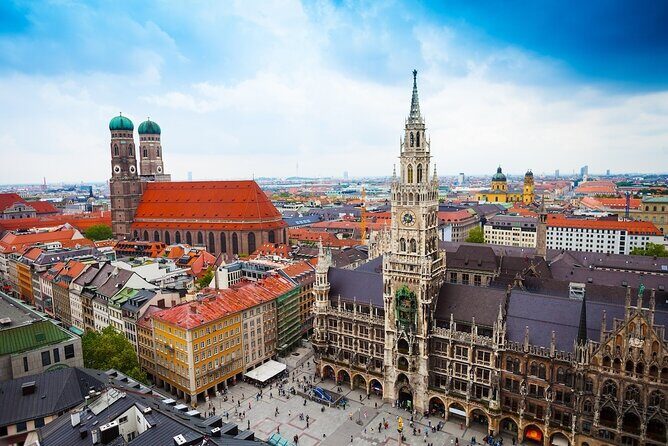
Munich rewards people who move with intent. This tour is built for that. In just about four hours, you can cover the city’s most recognizable “yes, that’s Munich” moments—squares, churches, markets, and big public spaces—without spending the whole day commuting or standing in line with strangers.
The private format matters more than you might think. A smaller group means your guide can slow down when you want to read details on facades, or speed up when you’re chasing views. It also means you can ask follow-up questions and get answers tied to what you’re standing in front of.
One more reason I like this setup: you’re not forced into one rigid route. You pick 2–3 sites from the available options, so if you’re more church-and-history, you can lean that way. If you’re more parks and people-watching, you can do that too. And because many stops are listed as free-entry, you’re less likely to lose time to ticket surprises.
If you’re planning this day, keep the weather in mind. The experience notes that it requires good weather, so in cold rain you’ll want a flexible backup plan.
You can also read our reviews of more walking tours in Munich

Getting oriented fast at Marienplatz and the Neues Rathaus Glockenspiel
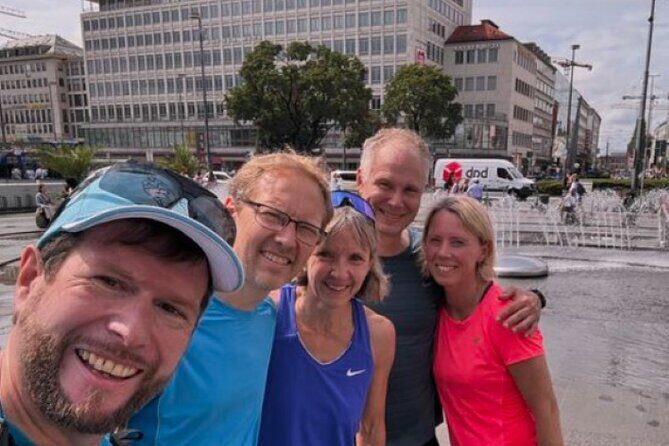
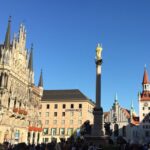
Start in the heart of the city: Marienplatz. This square is the place where Munich’s civic life, shopping energy, and sightseeing orbit all meet. It’s lively without needing a backstory, but your guide will help you see how the buildings and clock traditions shaped daily life here.
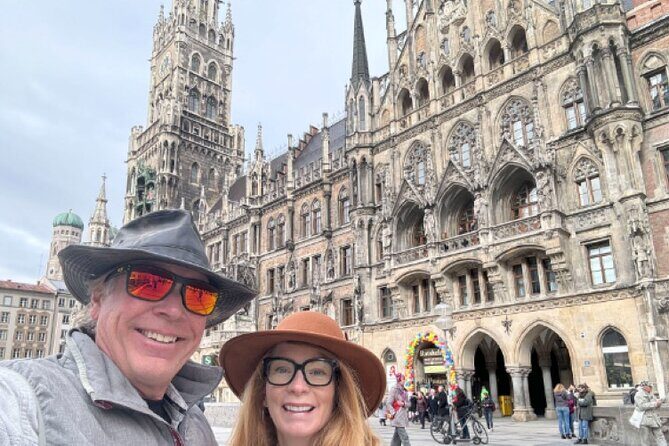
Right beside it is the New Town Hall (Neues Rathaus), a Gothic Revival showpiece. The reason people gather here is the Glockenspiel clock tower feature. It plays on a schedule and recreates historical events with moving figures and music. Even if you’re not usually into clocks, this is one of those Munich moments that becomes a memory anchor: you’ll point to it later when you’re explaining the city to someone back home.
How to make the most of this stop:
- Arrive with enough time to watch the timing (the show happens twice each day).
- Look up. The tower and facade details are part of the payoff, not just the figures.
- If your 4 hours include only a couple of sites, Marienplatz is the one that gives you the biggest “Munich identity” return for your time.
Both Marienplatz and the town hall-related stops are listed as admission ticket free, which helps this feel like a high-value start.
Peterskirche, Frauenkirche, Asamkirche, and Theatinerkirche: churches that tell different stories
Munich has a way of layering eras on top of each other, and the churches are where you feel it in your feet and your eyes. This tour’s church options each have a distinct personality, so you can choose based on what you want to see: color, scale, decoration, or views.
St. Peter’s Church (Peterskirche)
This is Munich’s oldest church, and it’s known for its Baroque architecture and the striking green dome. The best part for many people is the view option: climbing the tower can reward you with panoramic sights of the city and, on clear days, the Alps in the distance. If you like seeing a city from above, this stop is a strong pick.
Frauenkirche (Cathedral of Our Dear Lady)
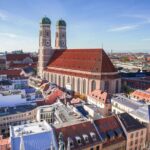
The twin onion domes are Munich’s shorthand on postcards, but the cathedral interior and stained glass are where it becomes more than a photo. Frauenkirche is iconic for a reason, and the tower climb option is another big draw for people who want orientation and skyline angles.
You can also read our reviews of more guided tours in Munich


Asamkirche (Asam Church)
This one is a contrast machine. Instead of grand scale, it leans into Bavarian Rococo drama—ornate altars, frescoes, and a ceiling that feels like it’s doing too much in the best possible way. If you like churches where decoration has a personality, Asamkirche is the “wow” candidate.
Theatinerkirche St. Kajetan
Think bright facade and polished Baroque interior. Theatinerkirche has a distinctive yellow exterior and an impressive interior with frescoes and ornate altars. It also functions as a concert space at times, so you might catch a musical event depending on schedules during your dates.
A practical note: many church stops list admission ticket free, but tower access can be the extra deciding factor for how much time you’ll want to spend at each place. Tell your guide early if you want climbs included or if you’d rather keep it all street-level.
Viktualienmarkt: the easiest way to taste Bavaria without a formal meal
If you want a stop that feeds both your curiosity and your appetite, Viktualienmarkt is one of the best. This open-air market is known for fresh produce, gourmet foods, and local specialties. It’s a long-standing food hub and a natural place to grab a snack instead of committing to a full sit-down lunch (especially since lunch isn’t included on the tour).
Why this market works inside a walking tour:
- It breaks up the “architecture block” of churches and squares.
- It’s also a people-watching stage for Munich’s day-to-day rhythm.
- It pairs well with a later beer-garden vibe, because the surrounding atmosphere is part of the experience.
Even if you don’t plan to buy much, spending time here gives you something a guidebook can’t: context for the flavors locals actually gravitate toward. And based on guest feedback, guides can steer you toward foods and drinks to try later, which is exactly how to make a market stop feel useful beyond the moment.
English Garden and the Eisbach wave: Munich’s local pause button
After the city-center concentration of landmarks, the English Garden (Englischer Garten) feels like an exhale. It’s one of the largest urban parks in the world, and the point isn’t just walking paths—it’s that it’s built for locals to hang out. Meadows, winding paths, and wide-open space make it easy to reset.
The signature detail here is the Eisbach wave, a spot where surfers ride a wave in the river current. It’s one of those Munich oddities that makes the city memorable. If you’re there when conditions line up, it’s a fun visual break from churches and museums.
This is also a smart choice if you want your tour to feel less like a checklist. Markets and parks are where you can blend in, slow down, and absorb Munich without constantly looking for the next photo angle.
Residenz München and Nymphenburg Palace: when royal rooms beat quick sightseeing
If you’re into royal power, art collections, and big palace interiors, you can plug in a palace stop from the options list. The big names here are Residenz München and Nymphenburg Palace.
Residenz München
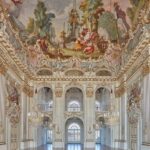
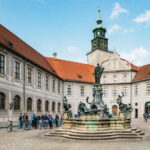
Residenz München is the Wittelsbachs’ former royal residence. It’s now a museum complex, so you’re trading street views for opulent rooms and art collections. This is not a quick stop if you want it to feel meaningful. In a 4-hour format where you choose only 2–3 sites, it’s best if you genuinely care about interiors and curated-looking museum rooms.
Nymphenburg Palace
Nymphenburg was the summer residence, with a grand palace and landscaped grounds. Again, you’ll want to pick this if the palace style itself is your goal, not just if you want a famous building. The grounds and pavilions can take time, and your guide can help you focus on what’s most worth seeing.
Both palace options list admission ticket not included. That means you should budget for your own entry costs if you choose them.
Deutsches Museum and BMW Museum: choosing one museum path in limited time
Two museum options in this menu target very different passions: technology and automobiles.
Deutsches Museum
This is one of the world’s largest and oldest science and technology museums. The collection spans physics, aviation, and renewable energy, with hands-on displays and historical artifacts. If you like interactive learning, this can be a great use of part of your 4 hours because the exhibits can feel active and not just observational.
BMW Museum
BMW museum is a different style: design, engineering, and the car brand story. It includes interactive exhibits and displays of classic and modern cars, and the building itself has a sleek look that you’ll notice even before you go inside.
Because both are listed as admission ticket not included, you’ll want to choose based on interest, not on trying to “do both.” In a half-day tour, trying to squeeze in a tech museum plus a car museum would usually steal time from everything else you came for.
Alte Pinakothek and Olympiapark: art and modern Munich in one menu
If you’re an art-first visitor, consider Alte Pinakothek. It’s one of the most important art galleries, with European masterpieces spanning from the Middle Ages to the 18th century. You’ll see works by artists such as Rembrandt, Rubens, and Dürer. This is a stop that rewards focus. With limited time, you’ll likely want your guide to help you decide which rooms or highlights matter most to your taste.
On the more modern side, there’s Olympiapark. Built for the 1972 Summer Olympics, it now works as a sports and entertainment hub. You get scenery, a lake and gardens, and the iconic Olympic Tower for panoramic views. If you want a change from “cathedral architecture,” this is a solid pick, especially if the city skyline views are high on your list.
Alte Pinakothek lists admission ticket not included, while Olympiapark lists admission ticket free—another small value signal depending on what you choose.
What the certified guide actually adds: pacing, stories, and local tips
The guide is the engine of this tour. You’re not just receiving directions. You’re getting layered explanations for what you see and why it matters. The city’s architecture can feel like a wall of stone until someone connects it to the people and choices behind it.
The best proof comes from guest notes about a guide named Vanessa. Her enthusiasm for Munich was described as contagious, and the tour wasn’t portrayed as a dry lecture. Guests also highlighted her pacing—on time, and moving at a speed that felt neither rushed nor dragging.
Two practical strengths stood out in that feedback:
- She pointed guests toward local foods and drinks and even restaurants, not just monuments.
- She helped with transit mechanics, including showing how to use the bus/train app for tickets and how to take public transportation from a hotel that was farther out.
That second point is underrated. Munich can be easy to navigate, but it still helps to have a real person tell you the most sensible way to get from A to B without wasting time.
Price and value: what $391.40 per person really buys you
At $391.40 per person, this isn’t an impulse buy. It’s priced for a private experience with a certified local English-speaking guide, plus the flexibility to choose 2–3 sights that fit your interests.
Here’s how to think about value:
What you’re paying for
- A private guide experience (not a crowded bus).
- A government-licensed, English-speaking local guide.
- Efficiency: walking + site choices mean you use your hours well.
- Included mobile ticket and a structured meeting point (plus pickup is listed as offered).
What costs extra
- Transportation fees are not included.
- Entrance fees and lunch are not included. (That said, many of the listed sightseeing stops show admission ticket free.)
Where the math often works
If you would otherwise spend time coordinating your own route, or if you want someone to help you prioritize what matters, the guide can save you frustration. And since several of the core sights are free-entry, you avoid paying for every stop just to keep the tour moving.
There’s also group discount information, which could make it better if your travel party is combining plans.
How to pick your 2–3 sites so you don’t feel rushed
Because you’re choosing a limited number of stops, your strategy matters.
A few smart combinations based on the menu:
- Old Town identity: Marienplatz + Neues Rathaus/Glockenspiel + one church (Frauenkirche or Peterskirche if views matter to you).
- Church-and-art vibe: Theatinerkirche + Asamkirche + Viktualienmarkt to balance heavy interiors with a food break.
- Nature reset: one landmark cluster (like Marienplatz) plus the English Garden for a slower, more local-feeling second half.
- Museum day-lite: choose either Deutsches Museum or BMW Museum alongside one free landmark stop so you’re not paying for every hour.
Before you book, tell the guide what you want most: skyline views, interior decoration, or just moving efficiently with great stories. The best tours aren’t the ones with the most stops. They’re the ones where each chosen stop feels worth the time you gave it.
Who this tour fits best (and who should adjust expectations)
This tour fits most people because it’s designed for a walking-based half day and notes that most travelers can participate. If you’re traveling with a service animal, service animals are allowed.
Where you should calibrate expectations:
- If your group hates climbing towers, pick churches accordingly and tell your guide you prefer street-level viewing.
- If your priority is museums, remember that some museum and palace admission tickets are not included, and a 4-hour walk can only cover so much if you also want unhurried time.
If you’re visiting for the first time and want a high-quality orientation in a short day, this is a very practical way to do it. If you’ve already toured Munich extensively and you want a deep museum day, you might find a different day-long plan better.
Should you book this Munich private walking tour?
I think you should book it if you want Munich in a tight time window and you value a guide who can set the scene in plain language. This tour shines when you want flexibility: choose a couple of signature landmarks, add one personal-interest stop (church, park, art, or a museum option), and let the guide handle the connections between them.
Book it especially if:
- You like private pacing and real conversation.
- You want help using public transit smoothly.
- You’d rather pay for guidance than spend your time building the route on your phone.
Skip or consider another option if:
- Your budget is strict once you add museum/palace entrance fees.
- You’re traveling in weather that’s likely to spoil outdoor walking plans.
- You want a full-day museum crawl. This is a half-day tour, and it’s meant to keep you fresh, not exhausted.
FAQ
How long is the Munich private walking tour?
It runs for about 4 hours.
Is this tour private?
Yes. It’s a private tour/activity, so only your group participates.
Can I choose which sights I visit?
Yes. The tour is customizable, and you can choose 2–3 sites from the available sights list.
Do I need to buy entrance tickets for the stops?
Entrance fees are not included generally, but many listed sights show admission ticket free. Some major attractions show admission ticket not included.
Is pickup available?
Pickup is offered.
What about transportation during the tour?
Transportation fees are not included, but the experience notes you are near public transportation.
Will I meet the guide in a specific place?
You meet up with your guide on foot within a designated area of Munich.
Is there a mobile ticket?
Yes. A mobile ticket is included.
Is the guide English-speaking?
Yes. The tour includes a certified local English-speaking guide.
What if the weather is bad?
The experience requires good weather. If it’s canceled due to poor weather, you’ll be offered a different date or a full refund.