REVIEW · MUNICH
Munich: Private Half-Day Guided Walking Tour
Book on GetYourGuide →Operated by Munich Tours - and the Region · Bookable on GetYourGuide
Munich has stories on every corner. This private walking tour stitches together royal power, old churches, and World War II reminders across Munich’s center, with stops that make you look up and keep walking. I really like the way it hits major landmarks like Marienplatz and Frauenkirche, and I also like the guidance from a local history expert (including Julian, who’s adaptable to what you care about). One thing to consider: food, drinks, snacks, and transport aren’t included, so plan on grabbing your own break.
You’ll meet your guide at your accommodation, then walk a tight, logical route for about 4 hours. Expect a mix of architecture, art, and city life facts, plus a route that can include add-ons in the English Garden if time allows. It’s also wheelchair accessible, and the tour is in English with a bilingual local guide.
In This Review
- Key highlights worth planning around
- Why this half-day private walk works so well in Munich
- Meeting point, timing, and how the walk is paced
- Marienplatz and the Rathaus: the civic center you’ll recognize immediately
- Viktualienmarkt: where city food culture meets local life
- Frauenkirche: Munich’s iconic church and what it signals
- From the synagogue to Asam’s Church: learning Munich beyond the obvious landmarks
- Residenz Palace and Hofbräuhaus: power, wealth, and everyday culture
- House of Art, Munich Nazi remnants, and the Eisbach Surfers: the city in sharp focus
- Schwabing, University of Munich, and Königsplatz: tragedy and triumph in one broader story
- Optional English Garden time: Monopterus, Japanese Tea House, Chinese Tower, and Lake House
- What you really get: a strong local guide changes everything
- Price and value: $336 per group for a 4-hour private tour
- Who should book this Munich walking tour
- Should you book it or not?
- FAQ
- How long is the Munich private walking tour?
- Is this tour private?
- What language is the live guide?
- Where does the tour start and end?
- What’s included in the price?
- What’s not included?
- Is pickup included?
- Is the tour wheelchair accessible?
- Is there flexibility if my plans change?
Key highlights worth planning around
- Hotel start and hotel end: easier logistics on a half-day.
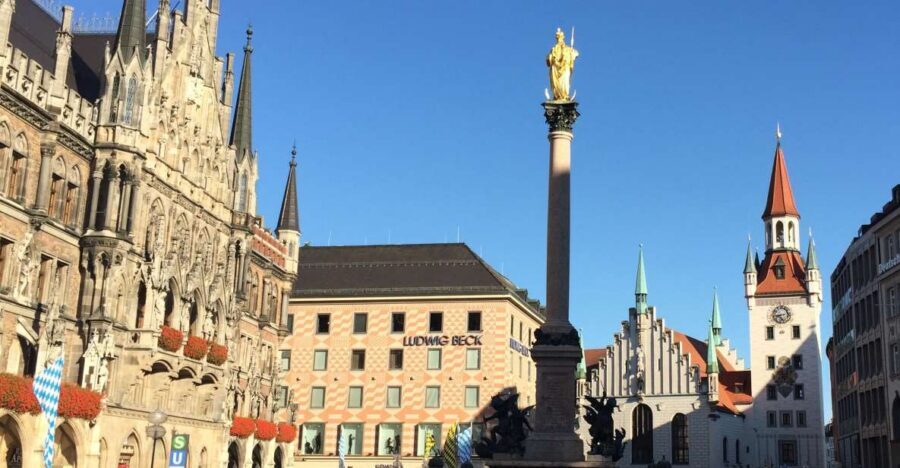
- Marienplatz and Rathaus: the civic heart of Munich early in the day.
- Women’s Church (Frauenkirche) plus food-sensor stops: architecture and Viktualienmarkt in one run.
- Residenz Palace and Hofbräuhaus: where politics and daily culture overlap.
- House of Art, Nazi-era remnants, and the Eisbach surfers: serious history next to modern Munich habits.
- Optional English Garden views: Monopterus, Japanese Tea House, Chinese Tower, and the Lake House if your timing works.
Why this half-day private walk works so well in Munich
Munich is the kind of city where you can waste hours staring at a view without understanding what you’re looking at. This tour fixes that by staying efficient: you cover the Old City core, then move outward to key “what happened here” spots. At the end of 4 hours, you should feel like Munich has a plot, not just a skyline.
I also like the private format because it makes the pace realistic. You’re not stuck listening to a one-size-fits-all script. The guide can adjust to your interests, and you’ll notice it with guides like Julian, who was described as friendly, knowledgeable, and adaptable.
One more practical win: hotel start and hotel return means you don’t have to figure out public transit at the beginning and end. It’s a small thing, but in a city that can be walkable and also spread out, it adds up.
You can also read our reviews of more walking tours in Munich

Meeting point, timing, and how the walk is paced
This tour starts with a meet-up at your accommodation in Munich, then you go on from there together. By the end, you’re back at your hotel. That alone makes it a good choice for a first or second day, when you want orientation fast.
Duration is 4 hours. That’s long enough to cover meaningful ground and still short enough to keep your day flexible. You’ll want comfortable shoes because it’s a walking tour and transport isn’t part of the package.
You’ll hear the guide in English, with a bilingual local guide. The tour also mentions headsets for larger groups; in a private group, you may not need them all the time, but it’s a good sign that sound setup is thought through.
Marienplatz and the Rathaus: the civic center you’ll recognize immediately
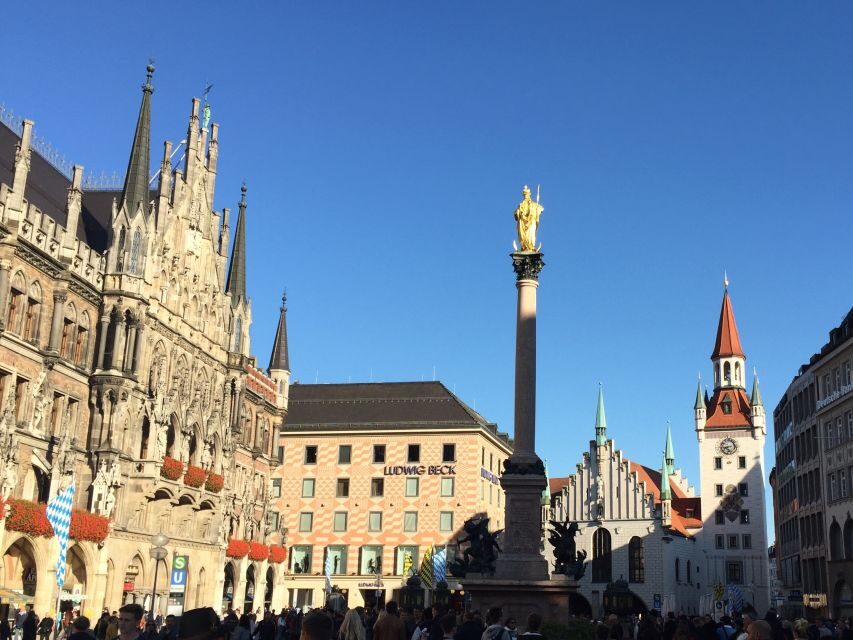
The walk begins in Munich’s well-preserved Old City, with Marienplatz (Mary’s Square) as your anchor point. This is where Munich’s “day-to-day” energy shows up—street life, big landmark views, and the kind of space where city events make sense.
From there, you head toward the Town Hall, the Rathaus. This stop is valuable because it teaches you to read the buildings, not just photograph them. Your guide connects civic architecture to how Munich operated over time, including references that go from older dynasties to the far darker chapters of the 20th century.
If you’re the type who likes facts you can actually remember later, this portion is where the tour earns trust. You’re building a mental map, and the Rathaus gives you a strong reference point for everything that follows.
Viktualienmarkt: where city food culture meets local life
Next comes Viktualienmarkt, the Victuals Market. This is more than a pleasant break spot. It’s a snapshot of how people live in Munich—markets as social space, not only grocery shopping.
I like this inclusion because it slows the tour just enough. You can take in the atmosphere while your guide layers in details about local culture and how the city’s public spaces evolved. Even if you don’t buy anything, the market helps you feel the city instead of only seeing it.
Practical tip: since food and drinks aren’t included, decide ahead of time whether you’ll grab a snack here or wait for later. Either way, you’ll get more out of the walk if you’re not hungry.
Frauenkirche: Munich’s iconic church and what it signals
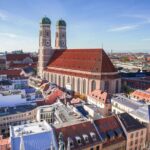
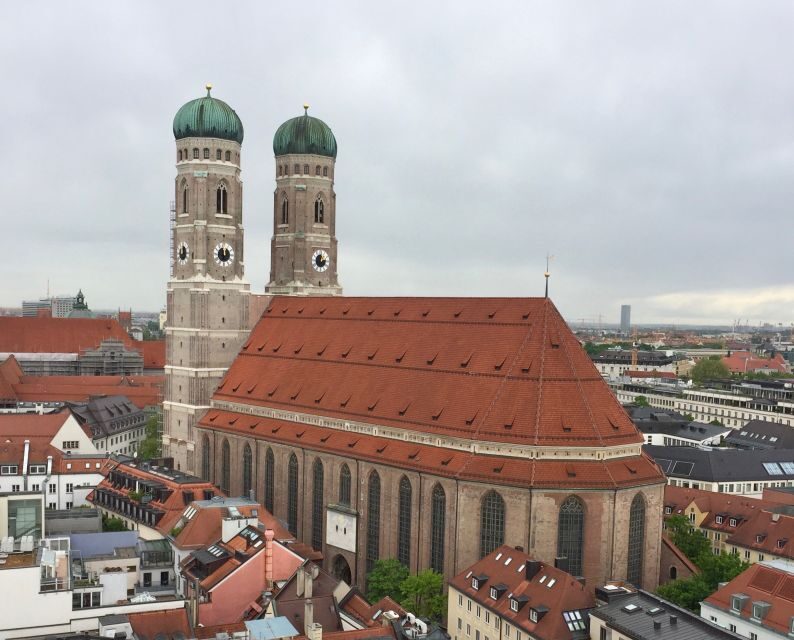
The tour then moves to the Church of Our Lady, known as Frauenkirche. It’s one of those landmark buildings you spot on postcards, but a guided walk helps you see what makes it more than an image.
Your guide uses this stop to connect architecture with history and artistic choices. That matters because churches in old European cities often functioned as visible statements of authority and identity. You’re learning to notice the style and the intent, not just the exterior.
The best part of this sequence is contrast: market life, then a major religious landmark. You feel how Munich’s public world spans everyday routine and formal power.
You can also read our reviews of more guided tours in Munich


From the synagogue to Asam’s Church: learning Munich beyond the obvious landmarks
A key strength of the route is that it doesn’t only stay in the “standard tour checklist.” You’ll come across Munich’s Synagogue and Asam’s Church (Asamkirche), plus other major streets and viewpoints along Maximilian St.
This section is where the city feels more human and more complicated. Synagogue-related sites bring forward the story of Jewish community life in Munich and the historic shifts it faced. Asam’s Church, on the other hand, highlights the artistic and architectural side of Munich in a way that feels personal—small enough to absorb, impressive enough to matter.
I like that this part of the route makes you pay attention to details. You’re not just walking past; you’re being guided to notice what you’d normally miss on your own.
Residenz Palace and Hofbräuhaus: power, wealth, and everyday culture
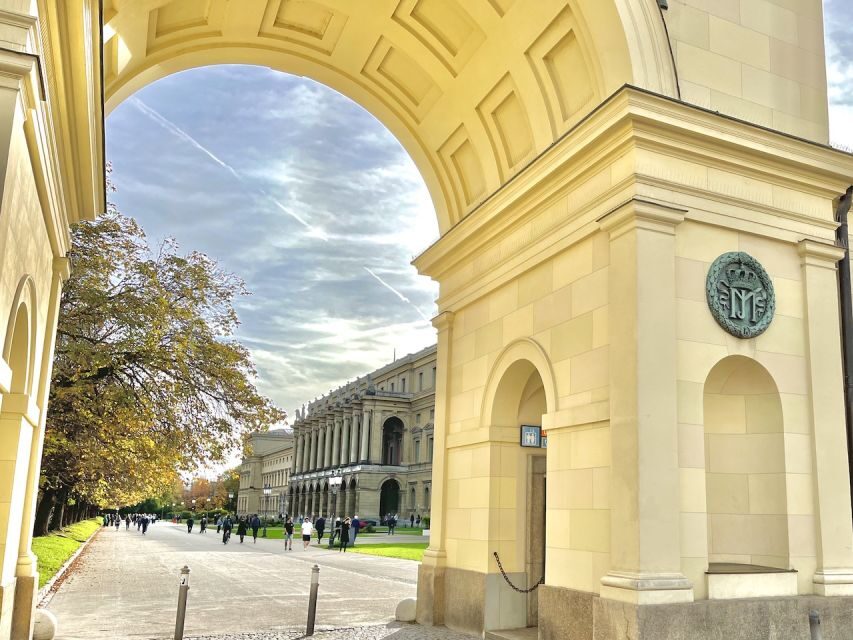
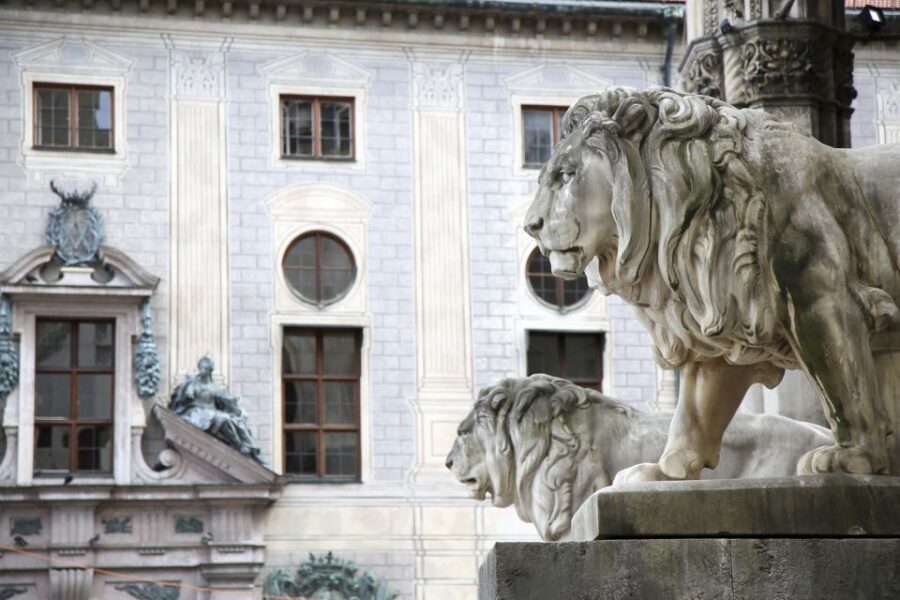
The Residenz Palace stop gives you a strong sense of Munich as a seat of ruling dynasties. It’s one thing to see a grand building; it’s another to understand what the building was for and how it shaped public life.
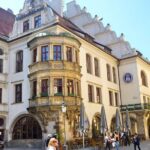
Then the tour brings you toward the Hofbräuhaus, the famous beer hall. This pairing works because it shows two sides of Munich: formal authority and social tradition. Your guide ties the story together so it doesn’t feel random—palace history sets up why places like beer halls became so central to public identity.
A quick reality check: if your goal is only photos, you’ll still have a good time. But if you care about context—why buildings look the way they do and how events shaped daily life—you’ll get more value here.
House of Art, Munich Nazi remnants, and the Eisbach Surfers: the city in sharp focus
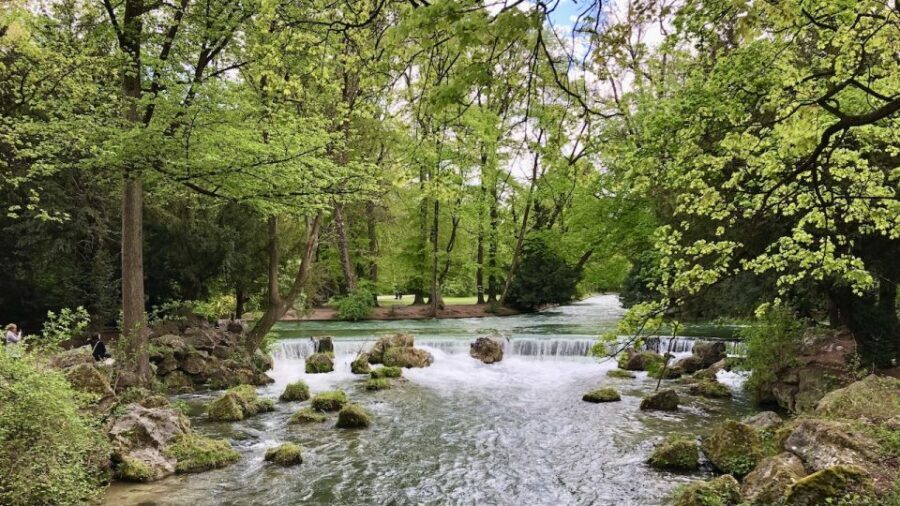
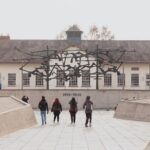
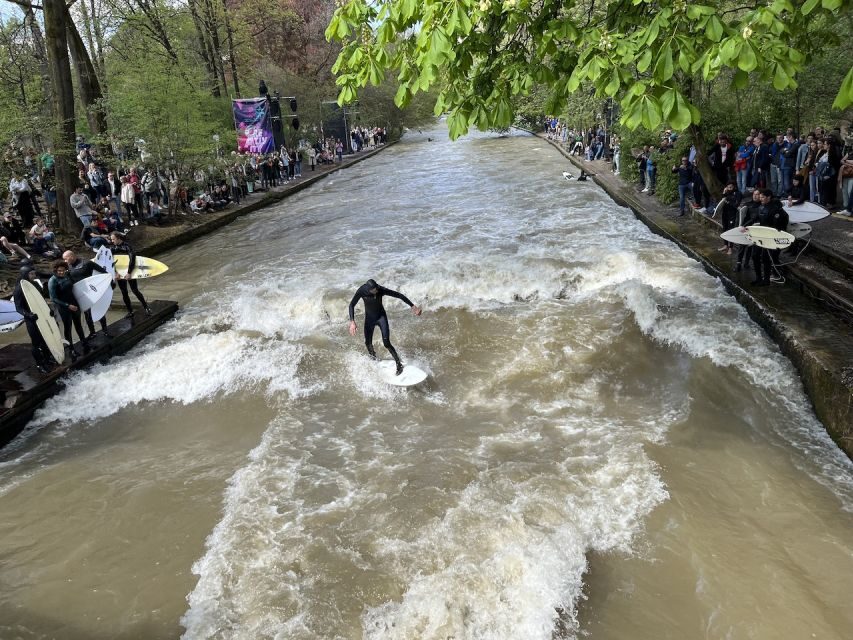
One of the more thought-provoking segments includes the House of Art and Munich Nazi Remnants, followed by the Eisbach Surfers. The balance is intentional: serious history next to modern behavior.
Why that pairing matters: Munich doesn’t hide its past in a corner. You’re shown reminders tied to World War II and Hitler-era history, and then you’re pointed toward how the city lives now—people testing the river and having fun right where you’re also learning history.
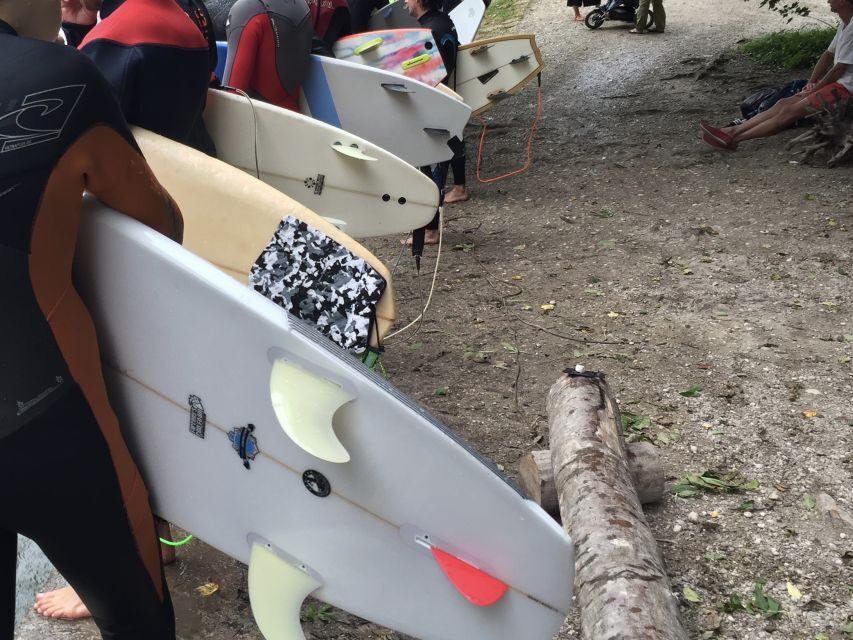
The Eisbach Surfers stop is a fun reminder that a city can carry heavy memory while still being a place where people gather, watch, and enjoy. It’s memorable because it breaks the idea that history should only be solemn.
Schwabing, University of Munich, and Königsplatz: tragedy and triumph in one broader story
The tour continues beyond the tight center into Schwabing and the University of Munich area. This is described as a place of great tragedy and triumph. Even without overloading you with details at every step, the point is clear: Munich’s story isn’t limited to palaces and squares. It includes education, political change, and lives shaped by the era.
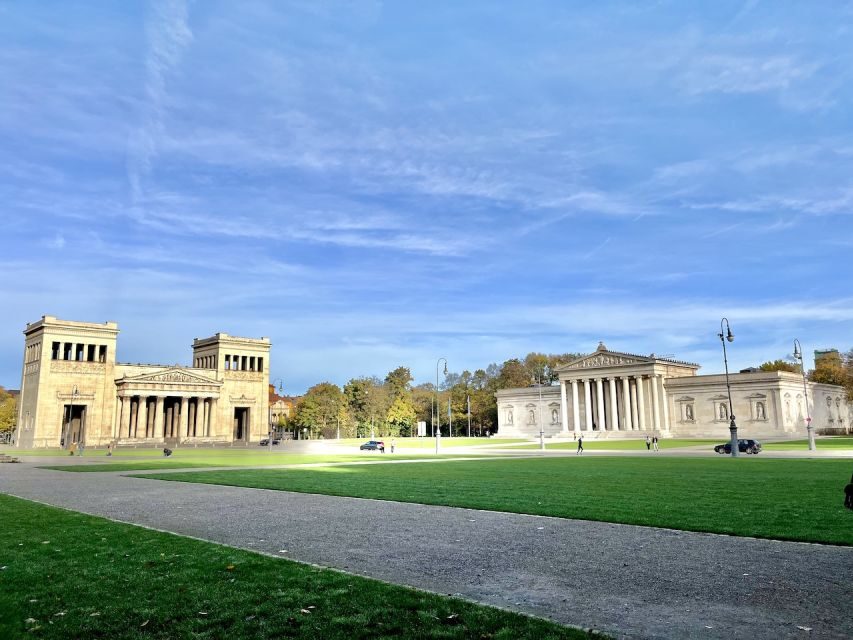
Then you move to Königsplatz and the Gallery Quarter. Königsplatz is useful as a “systems” stop. It helps you connect architecture and space planning to how the city expressed identity through public design.
If you want a walk that doesn’t only skim the surface, this is where you get that momentum. The city starts to feel connected: center to edge, politics to culture, past to present.
Optional English Garden time: Monopterus, Japanese Tea House, Chinese Tower, and Lake House
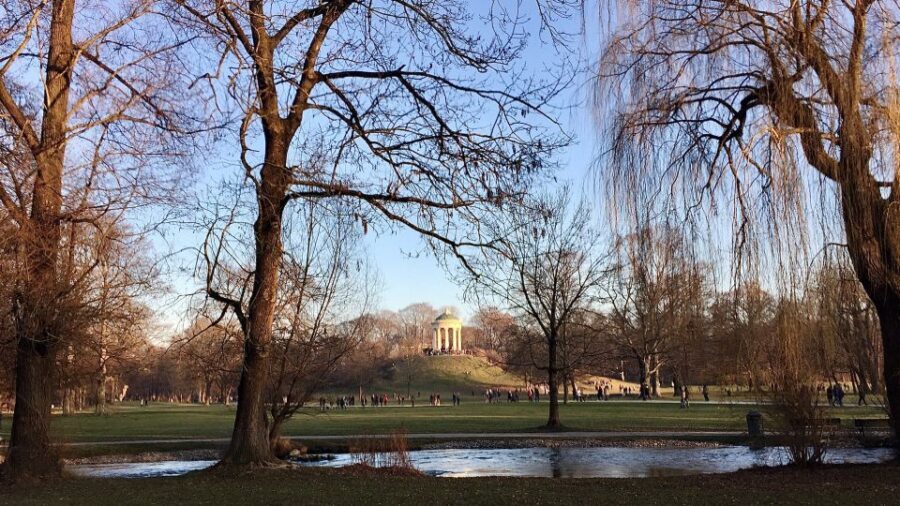
If you have time, the route may add stops in the English Garden: Monopterus, the Japanese Tea House, Chinese Tower Beer Garden, and the Lake House.
These are strong choices for people who like a break from stone architecture. The English Garden offers open-air perspectives, plus famous spots that feel like mini worlds inside the city. It’s also a nice way to end a history-heavy half day with something calmer.
Just remember: it’s optional and time-dependent. If you’re the kind of traveler who wants a perfect checklist regardless of timing, you might treat these as bonuses rather than promises. If you’re flexible, you’ll likely enjoy the payoff.
What you really get: a strong local guide changes everything
The tour’s biggest differentiator is the guide. One review highlighted a guide who has lived in Munich for 40 years and is a true history expert. Another emphasized Julian, described as fabulous—knowledgeable, friendly, and adaptable to the group’s interests.
That matters because Munich is not hard to walk through; it’s hard to interpret. A strong guide gives you the “why” behind the “what.” And in a city where layers of history overlap, that’s the whole game.
Also, because this is private, you’re not stuck with awkward dead time. If you ask a question and the answer points to another nearby detail, the tour can flow instead of stalling.
Price and value: $336 per group for a 4-hour private tour
The price is $336 per group, up to 35 people, for a 4-hour private guided walking tour. On paper, that might sound high until you think about what you’re actually buying.
You’re paying for:
- a private guide (time and local expertise)
- hotel pickup/meet-up and hotel return
- a structured route that covers major landmarks without you planning each step
- an English-language guided experience
If you’re traveling as a small group, this often works out well versus booking multiple separate tours or paying for the kind of local expertise you can’t easily replace with apps. If you’re a solo traveler or a couple, the value depends on whether you’re also planning to spend money on similar paid experiences that day. But as a “one guided half-day that sets your whole trip up,” it can be a smart spend.
Who should book this Munich walking tour
I think this tour fits best if you want:
- a practical first taste of Munich with real context
- a guided focus on architecture, churches, and major civic sites
- a route that includes both lighter city culture and heavier World War II history
- the flexibility of a private group and an English-speaking guide
It’s also a good match if you like talking to locals and getting clear answers instead of wandering around guessing. If you prefer silent sightseeing and self-guided wandering, you might find the guided pace less your style.
Should you book it or not?
Book it if you want a structured, easy-to-follow way to understand Munich in 4 hours. You’ll likely get the most value from the guide-led connections between buildings, art, and key historical moments—especially if you care about how the city got to where it is today.
Skip it if you’re only here for quick snapshots and you don’t want any historical framing. In that case, you might prefer a self-guided walking route and spend your time where you choose, without the added guidance.
If you do book, wear comfortable shoes and plan for a self-supplied snack. Then let the guide do what you can’t easily do alone: connect the dots across Old City landmarks, quieter cultural stops, and the story Munich tells in both stone and street life.
FAQ
How long is the Munich private walking tour?
The tour lasts 4 hours.
Is this tour private?
Yes. It’s a private group walking tour.
What language is the live guide?
The live tour guide is in English.
Where does the tour start and end?
It includes hotel start and end. You meet your guide at your accommodation in Munich, and you’ll return there at the end of the tour.
What’s included in the price?
Included items are the hotel start and end, a bilingual local guide, and the private walking tour.
What’s not included?
Food, drinks, snacks, and transport are not included.
Is pickup included?
Yes. Pickup is included in the sense that you meet the guide at your hotel or accommodation address in Munich, then you continue together.
Is the tour wheelchair accessible?
Yes, it is wheelchair accessible.
Is there flexibility if my plans change?
You can cancel up to 24 hours in advance for a full refund, and you can reserve now and pay later.