REVIEW · BERLIN
Kreuzberg Private Walking Tour: Immigrants, Artists & Hipsters
Book on Viator →Operated by Insight Cities · Bookable on Viator
Kreuzberg moves fast, and the streets show it. This private tour of Berlin’s cutting-edge neighborhood pairs street art with real-life immigrant culture, plus a historian’s take on how SO36 got wild and how it may change next.
I especially like the way the walk starts with strong landmarks and quickly turns into context you can feel—Oberbaumbrücke sets the tone, then you’re watching the past and present overlap. I also like that the guide shapes the pace for your group, so you’re not stuck marching to someone else’s script. The main thing to consider is that it’s not purely on foot: you’ll use public transport a few times because some distances don’t make sense for walking.
In This Review
- Key Points You Should Know Before You Go
- Kreuzberg’s SO36: Where Street Art, Immigrants, and Hipster Life Collide
- The Private Guide Factor: Why This Feels Different From a Group Walk
- Starting Point at Schlesische Str. 18: Get Your Bearings Fast
- Oberbaumbrücke: Double-Decker Views and the First Layer of SO36
- The Berlin Wall Memorial Pause: What’s Left and What It Taught the Neighborhood
- Orianienstraße and SO36: Street Art Walls, Turkish Life, and Old Clashes
- Viktoriapark: The Green Break That Makes the Stories Stick
- Walking Past a Neighborhood That Keeps Changing (And Why That’s the Whole Point)
- Price and Value: What $450 Per Group Really Buys
- Timing, Pace, and What to Do With Your 3 Hours
- Who This Tour Is For (and Who Might Skip It)
- Should You Book This Kreuzberg Private Walking Tour?
- FAQ
- FAQ
- Where does the tour start?
- How long is the Kreuzberg private walking tour?
- How much does it cost, and how many people are in the group?
- Is this tour walking only?
- What major stops are included?
- Is there a ticket included for attractions?
- When do you receive confirmation after booking?
- Can I cancel for a full refund?
Key Points You Should Know Before You Go
- Private, historian-led: you get context in plain language, not a generic slideshow.
- SO36 focus: street battles, long-time Turkish businesses, and the district’s nickname come into the story.
- Berlin Wall remnants: you’ll pause on what’s left and connect it to how the area evolved.
- Street art meets housing reality: abandoned spaces and creative communities shaped what you see today.
- Viktoriapark stop: you get a breather of green space without losing the thread of the neighborhood.
- Future talk matters: riverside development plans and gentrification pressures are part of the walk’s ending.
Kreuzberg’s SO36: Where Street Art, Immigrants, and Hipster Life Collide
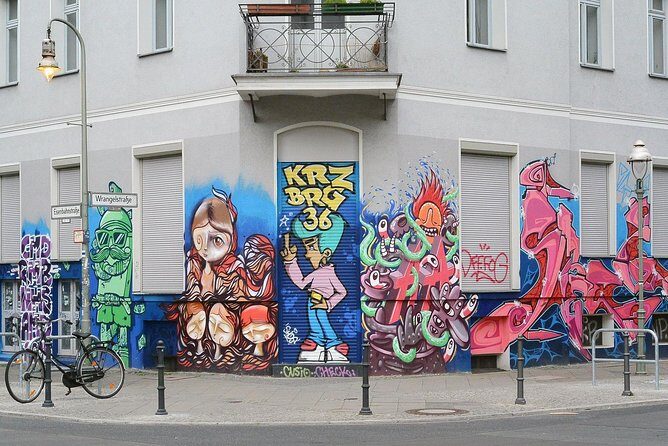
If you want Berlin that feels current, Kreuzberg is the place to start. This neighborhood has long attracted artists, activists, and people who don’t fit the usual script—and yes, famous visitors like David Bowie have been part of that story too. What makes this tour useful is how it connects the look of the streets to the forces that made them: migration, economic change, and years of political tension.
You’ll see how the area earned its hard reputation. Kreuzberg has been shaped by a worker’s district past, WWII bomb damage, Cold War suppression, and a long tug-of-war between residents and outsiders. Then you’ll walk through the day-to-day reality of modern Kreuzberg: cafés, bars, markets, and a steady mix of Turkish culture and other immigrant communities that still drive what’s on menus and in shops.
You can also read our reviews of more walking tours in Berlin



The Private Guide Factor: Why This Feels Different From a Group Walk
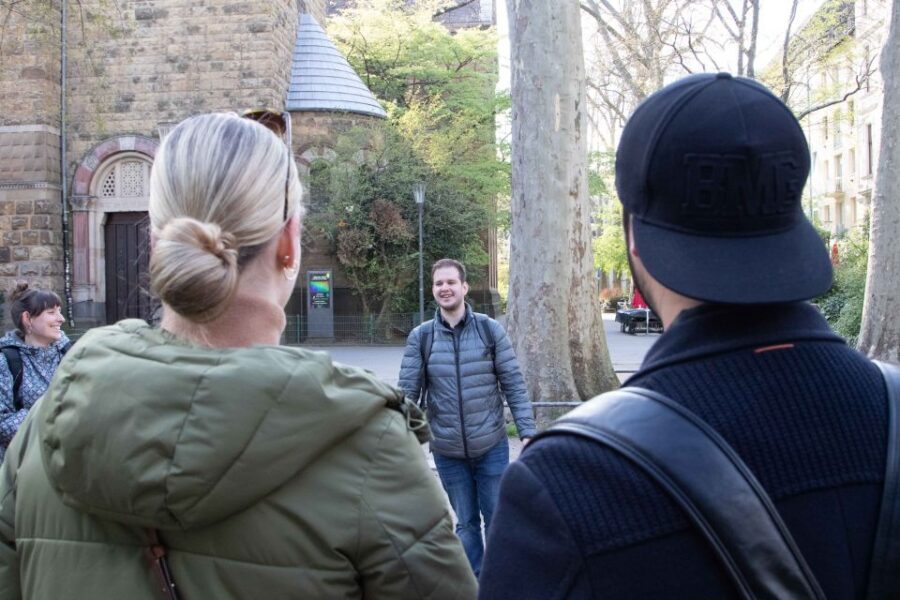
A big reason to book this specific tour is the private format. With a maximum of 10 people, you’re less likely to get lost in the crowd, and more likely to get answers to the questions you actually care about. In the reviews, the guide Klaus comes up again and again for being friendly and fun, while also keeping things at the group’s pace. If you’re traveling with kids or just like to take your time, that pacing matters.
This is also a historian-led walk, which means you’re not only getting what to look at—you’re getting why it exists. Street art, old buildings, and the cultural mix can look like “cool Berlin” until someone connects them to housing, policy, conflict, and community building. That connection is the value you’re paying for.
Starting Point at Schlesische Str. 18: Get Your Bearings Fast
The meeting spot is Schlesische Str. 18, 10997 Berlin. It’s a convenient start for public transit, and that matters because you’ll use transit a few times during the tour. Think of the schedule like “walking chapters,” not one long grind.
Once you meet up, you’ll quickly shift from navigation mode to story mode. The early focus is on Kreuzberg’s eastern half—often referred to by the old postal-code nickname SO36—and how that identity formed. Even if you’ve only skimmed Berlin photos online, this helps you recognize what you’re looking at.
Oberbaumbrücke: Double-Decker Views and the First Layer of SO36
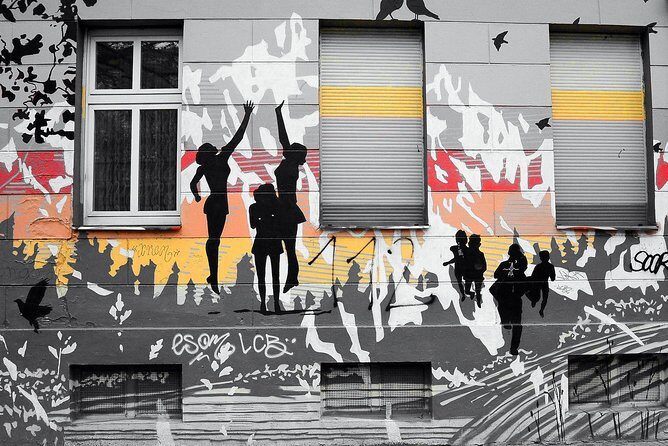
Your first major stop is Oberbaumbrücke, the double-decker bridge crossing the Spree. This is a strong “welcome” location because the bridge visually links parts of Berlin in a way that feels physical, not just historical. You’ll also pass major landmarks tied to SO36 as the guide sets the stage.
From here, the tour moves beyond pretty scenery into meaning. You’ll hear how Kreuzberg’s rough-and-tumble past fed the creative energy people associate with the neighborhood today. A key idea you’ll take with you: old urban patterns—abandoned spaces, damaged structures, and pockets that didn’t fully get erased—helped create room for street art and unofficial community life.
One practical tip: bridges and river viewpoints can be breezy. If you’re there in cooler months, bring a layer so the photo stops feel like a pleasure, not a cold punishment.
The Berlin Wall Memorial Pause: What’s Left and What It Taught the Neighborhood
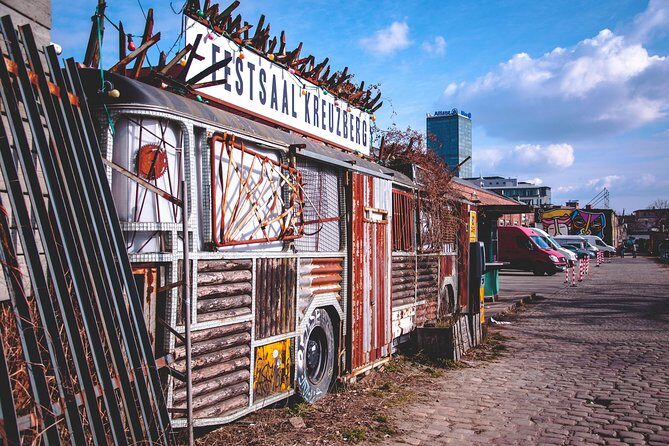
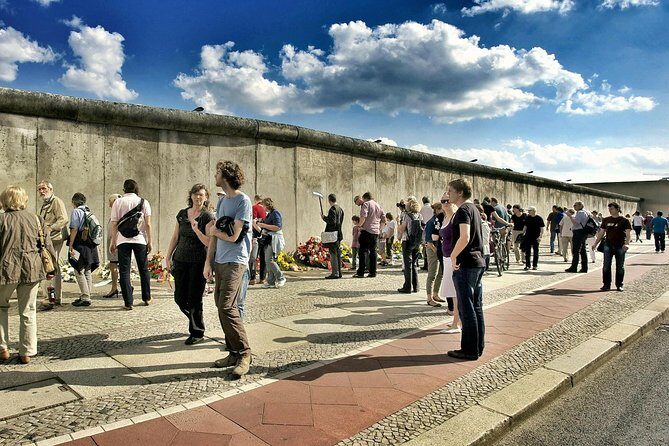
Next comes a pause for the Memorial of the Berlin Wall. You’ll spend about 25 minutes here, which is long enough to slow down and actually look at what remains. This matters because Kreuzberg’s identity is tied to Berlin’s division in a very direct way: borders shaped movement, and movement shaped where communities could grow.
What I like about this stop is that it’s not treated like a museum lecture. You’re meant to connect the wall’s physical presence to the creative survival strategies that grew afterward—street art, community spaces, and the re-use of buildings and plots that didn’t follow the usual development track.
You can also read our reviews of more private tours in Berlin



Orianienstraße and SO36: Street Art Walls, Turkish Life, and Old Clashes
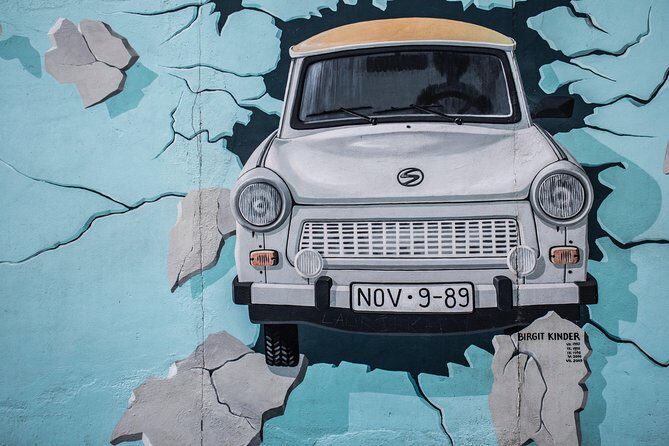
From the Wall memorial, the tour continues through areas where street art feels like it belongs to the neighborhood, not just a “thing to photograph.” A highlight is Orianienstraße, one of Kreuzberg’s most famous streets, known for eclectic boutiques and cafés.
You’ll also learn why SO36 has that name, and you’ll hear about historic street battles between Berlin anarchists and police around the turn of the century. That part of the story helps explain why this area is often associated with counterculture rather than mainstream trends.
The practical payoff for you is simple: when you’re later browsing shops or grabbing a snack, you’ll recognize that Kreuzberg’s vibe wasn’t invented by marketing. It grew out of conflict, migration, and the kind of community that forms when people keep building despite pressure.
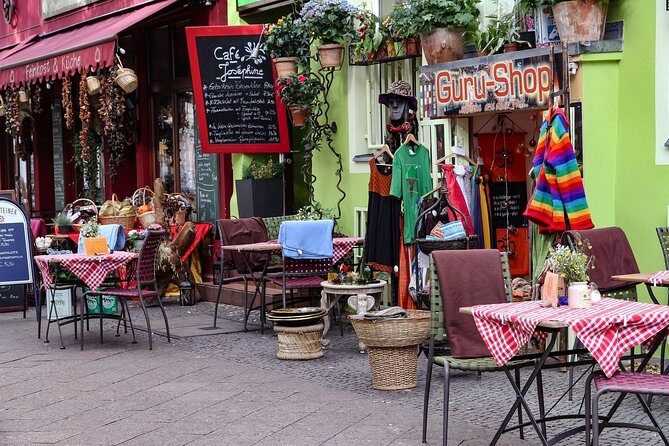
Also pay attention to the Turkish food and businesses you pass. The neighborhood functions like a “salad bowl of immigrants,” and that shows up fast in what’s open, what’s cooked, and what’s spoken on the street.
Viktoriapark: The Green Break That Makes the Stories Stick

You’ll get one of the nicer resets built into the route: Viktoriapark. This is one of Kreuzberg’s well-known green spaces, and it’s a smart choice because it gives your brain a breather after heavy historical context.
Even if you’re not someone who stops for parks at home, this kind of break helps you absorb the day. It’s also a reminder that Kreuzberg isn’t only about walls and politics—there’s everyday life, and people need places to slow down.
If you’re traveling with kids, this is also where the walk becomes easier. A short period of open space makes the rest of the route feel more manageable.
Walking Past a Neighborhood That Keeps Changing (And Why That’s the Whole Point)
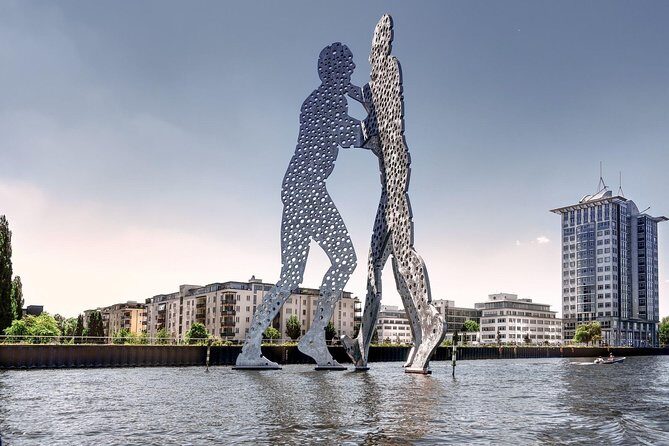
A huge part of the experience is how the guide handles the present and future. The tour doesn’t freeze Kreuzberg in a “cool past” frame. Instead, it points to how fast the neighborhood is being shaped by new development pressures—especially riverside plans that could speed up gentrification.
This is where the walk becomes more than sightseeing. You’ll see the tension between creativity and rising costs. You’ll also hear how the area’s historic mix—abandoned buildings and unconventional community spaces—helped create the street art culture you see today. Then the guide helps you understand the looming threat: when those spaces get converted to something more profitable or regulated, the culture can get pushed out.
If you want Berlin that feels honest, this is one of the best ways to get it. Kreuzberg’s story isn’t just about beauty. It’s about power, rent, and who gets to stay.
Price and Value: What $450 Per Group Really Buys
This tour costs $450 per group for up to 10 people, and it’s a 3-hour private walking experience. That pricing model can feel steep until you do the math. If you fill the full group size, it comes out to about $45 per person—suddenly the cost feels more like a high-quality local guide and historian conversation than a premium “tour ticket.”
It also helps that the walk is practical, not just theoretical. You get a route built around major anchors like Oberbaumbrücke, a Wall memorial stop, and neighborhood streets like Orianienstraße—plus context that explains why those places matter. And since it’s private, you’re more likely to get your guide’s attention and pacing, not just information pumped through a headset.
One more value point: you’ll use a mobile ticket, which cuts down on fiddly logistics on the day.
Timing, Pace, and What to Do With Your 3 Hours
You’ll choose either a morning or afternoon departure. The tour is about 3 hours, and since it includes short transit segments, it’s designed to keep moving without turning into a sprint. In other words: you’re seeing a neighborhood, not checking off a list of stops at any speed.
Bring comfortable shoes. Even with transit, this is still a walking tour across dense city streets. If you’re the type who likes lingering for photos, the private format helps, but don’t plan on adding extra stops far beyond what the guide has set.
If you like to move faster or want extra flexibility, there’s an optional bike rental listed at 10 EUR per person. But that’s not required, and you’ll still get a full experience without it.
Who This Tour Is For (and Who Might Skip It)
This is a strong fit if you want more than “Berlin wall photo + street art shots.” It’s for you if you care about how immigrant communities shape a neighborhood, how counterculture grew, and how gentrification shows up in real urban plans.
It also works well for families and mixed-age groups. One review highlights a parent and a 12-year-old using the tour to explore bohemian Kreuzberg while learning its history, and the guide Klaus was praised for friendliness and steering the pace. That kind of adaptability is exactly what you want from a private guide.
If you hate walking, hate history, or want a purely food-and-shopping style tour, this might feel heavier than you prefer. But if you want the story behind what you see, it’s a great match.
Should You Book This Kreuzberg Private Walking Tour?
I’d book it if you want Kreuzberg explained in a human way—street by street, with stops that actually mean something. The private historian-led format and the chance to move at your group’s pace make the $450 price feel more reasonable, especially if you’re traveling with friends or family.
If you’re short on time in Berlin and you want one neighborhood that shows the city’s tensions and creativity side-by-side, this is a smart choice. You’ll leave with a clearer map in your head and a better sense of what you’re looking at when you wander the streets on your own afterward.
FAQ
FAQ
Where does the tour start?
The tour starts at Schlesische Str. 18, 10997 Berlin, Germany.
How long is the Kreuzberg private walking tour?
It lasts about 3 hours.
How much does it cost, and how many people are in the group?
It costs $450 per group and the tour maximum is up to 10 travelers.
Is this tour walking only?
No. You’ll use public transport a few times, since some distances between key sites are too far to walk.
What major stops are included?
You’ll visit Oberbaumbrücke, the Memorial of the Berlin Wall, Orianienstraße / SO36, Viktoriapark, and additional areas in Kreuzberg tied to the SO36 story.
Is there a ticket included for attractions?
The stops listed for admissions show ticket free entries, and the tour itself includes the walking tour with the historian guide.
When do you receive confirmation after booking?
You receive confirmation within 48 hours of booking, subject to availability.
Can I cancel for a full refund?
Yes. You can cancel up to 24 hours in advance for a full refund.