REVIEW · MUNICH
From Munich: Dachau Memorial Site Full-Day Tour
Book on GetYourGuide →Operated by InMunich Tours · Bookable on GetYourGuide
One place in Bavaria hits you fast—Dachau. This full-day tour from Munich takes you through the Dachau Memorial Site with a Memorial-qualified English guide, tracing how the camp worked from 1933 to 1945. I like the way the route is structured, so you’re not wandering around in the dark, and I also like the focus on key buildings like the Jourhaus and the Appellplatz, not just broad facts.
You’ll see the infamous entry area, then move into the parts of the camp tied to punishment and confinement, including the bunker and barracks. One consideration: it’s emotionally heavy and not a quick walk-and-leave kind of outing—plus it’s not suitable for kids under 14.
In This Review
- Key things to know before you go
- Why Dachau works as a Munich day trip
- Meeting at Marienplatz: get the start point right
- Getting there by public transportation (and why it’s worth it)
- The on-site flow: from entrance gateway to camp systems
- Jourhaus and the infamous gateway
- The S.S. training facility and the School of Terror
- Bunker, barracks, and how the day-to-day system worked
- Bunker and punishment spaces
- Barracks (including Barrack X) and camp life by design
- The three phases of Dachau: how the camp evolved
- Timing, breaks, and what a 6-hour day actually feels like
- What makes the guide experience so important here
- Price and value: why $51 can still feel like a bargain
- Who should book this Dachau day trip (and who shouldn’t)
- Practical rules inside the Memorial Site
- Should you book this Dachau Memorial Site Full-Day Tour?
- FAQ
- Where do I meet the guide in Munich?
- How long is the Dachau Memorial Site full-day tour?
- What language is the tour guide?
- How long is the guided visit inside the camp?
- Is the tour okay for kids?
- Can I bring food and eat during the tour?
- Are video recordings allowed?
- Does the price include transportation?
- Is this tour accessible for wheelchair users?
Key things to know before you go
- Memorial-qualified guide, in English: expect careful, explanatory commentary focused on camp life and death.
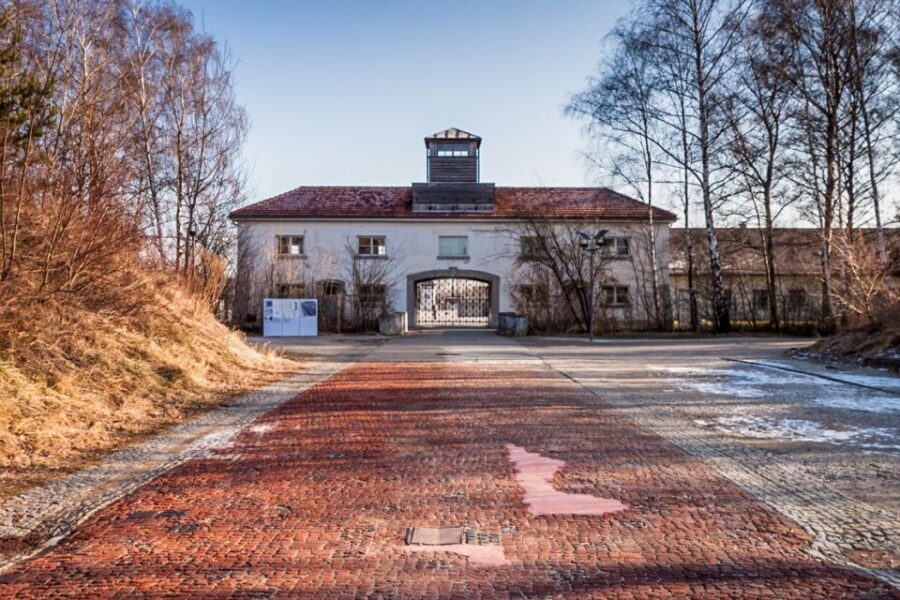
- A guided route with major stopping points: Jourhaus, Appellplatz, bunker, barracks (including Barrack X), and more.
- You learn the camp in phases: your guide covers the three phases of the camp and how it changed over time.
- A full 6-hour day from Munich: about 4 hours inside the Memorial Site, plus time for public transport.
- Rules matter inside: no video recording, no smoking, and you can’t eat during the tour itself.
Why Dachau works as a Munich day trip
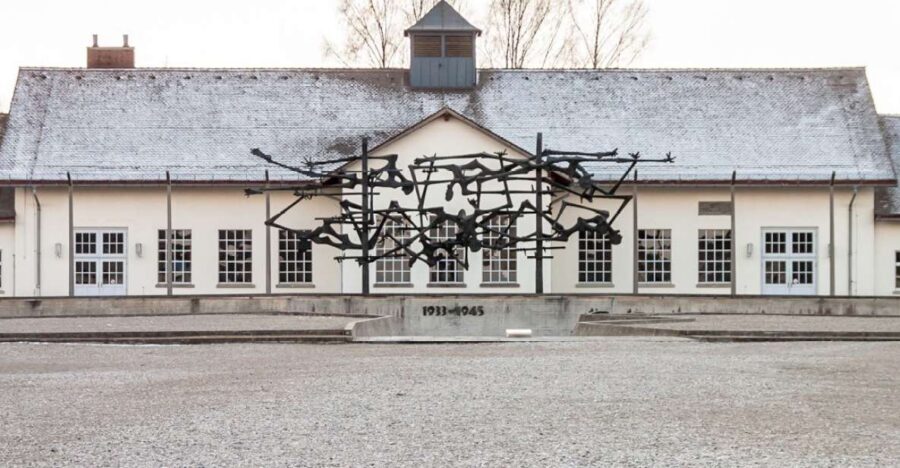
Munich to Dachau is close enough that this feels like a real day out, not a travel project. The bigger win is that the day keeps structure: you meet in the city, move together by public transport, and then spend several hours on-site with a qualified guide. When you’re dealing with a place this serious, structure helps. You don’t have to figure out what matters first.
Also, Dachau is often treated like a “must-see box.” This tour does something better. It connects the site to the machinery of the Nazi camp system—how prisoners arrived, how the camp was organized, and how day-to-day operations ran. That’s why the buildings and the route aren’t just background. They’re the evidence.
A few more Munich tours and experiences worth a look

Meeting at Marienplatz: get the start point right
Your day begins at Marienplatz, in front of the department store Ludwig Beck at Marienplatz 11. Look for a white and blue umbrella and signage advertising the Dachau tour. If you’re arriving late or stuck, you’ll call the local partner using the emergency phone number provided.
This matters more than you might think. The group has a tight flow: metro, bus/coach, then the on-site block. If you’re not at the right meeting point, you can miss the timing that keeps the day on track.
Getting there by public transportation (and why it’s worth it)
The tour uses public transit and short transfers, not private shuttles. You’ll spend about 40 minutes by subway/metro, then 10 minutes by bus/coach, before you reach the Dachau Memorial Site. After the visit, it’s back the same way: bus/coach, then train, and you’ll return to Marienplatz in the late afternoon.
The practical benefit: you get a normal travel rhythm that makes Munich feel like home base, and you avoid the stress of scheduling a separate taxi or tour-only transit. The trade-off is obvious—public transport is still public transport, so build in a bit of patience and wear shoes that can handle a long day.
The on-site flow: from entrance gateway to camp systems
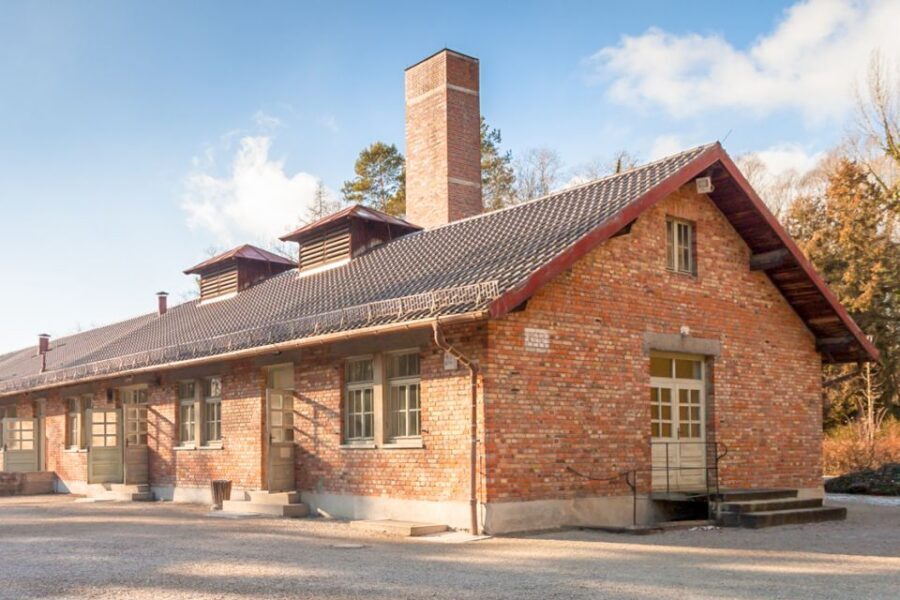
Once you’re inside, the route is built around the story the camp tells through space. This is not a casual walk. Even with a guided pace, you’re moving through parts of a site where people were registered, imprisoned, punished, and killed over years.
Jourhaus and the infamous gateway
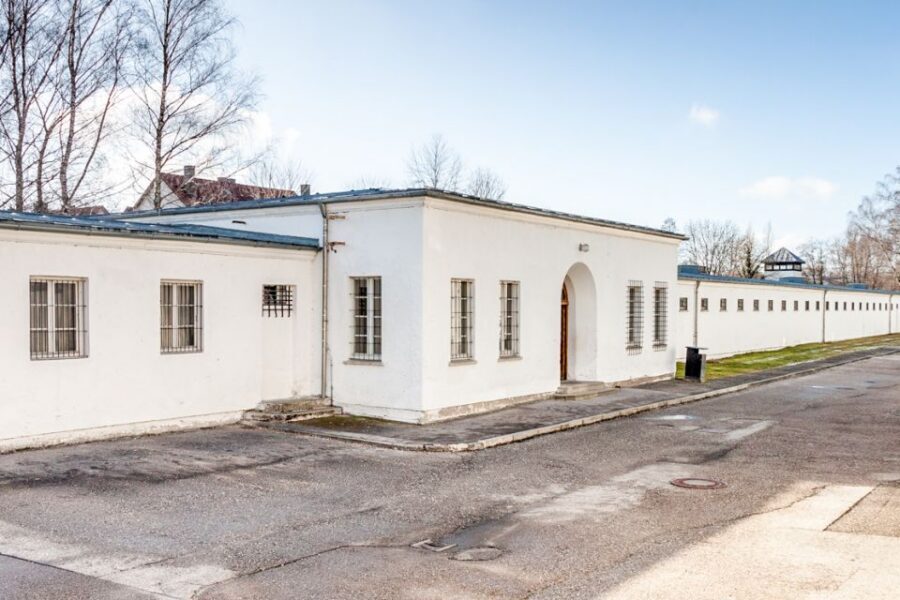
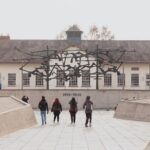
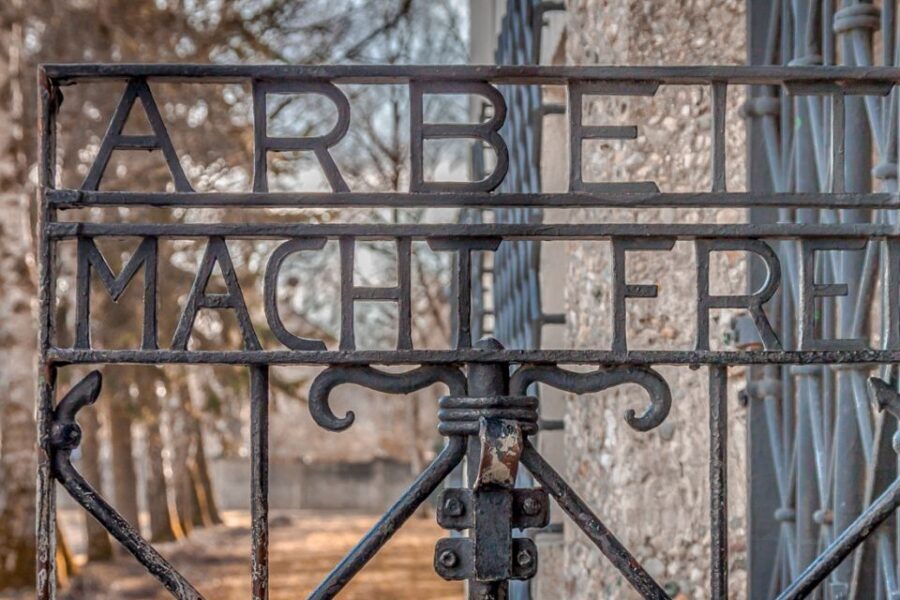
A major early stop is the Jourhaus, the entry building area tied to the camp’s gate zone. Your guide walks you through the entrance area and the infamous sign, Arbeit Macht Frei, and explains what it meant in context—how propaganda and control worked together at the very threshold.
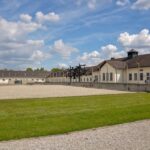
Then you transition toward key areas used for organization and daily rhythm at the camp, including the Appellplatz (the roll-call yard). This is where the tour’s big lesson lands: the camp wasn’t chaos. It was methodical. The layout reinforced routine and obedience.


The S.S. training facility and the School of Terror
You’ll also see the S.S. Training Facility, sometimes referred to as the School of Terror. Expect your guide to connect the facility to the way the Nazi system trained personnel to carry out violence and control. Even if you’ve read about Dachau before, seeing the physical place helps your brain stop treating it as abstract history.
Bunker, barracks, and how the day-to-day system worked
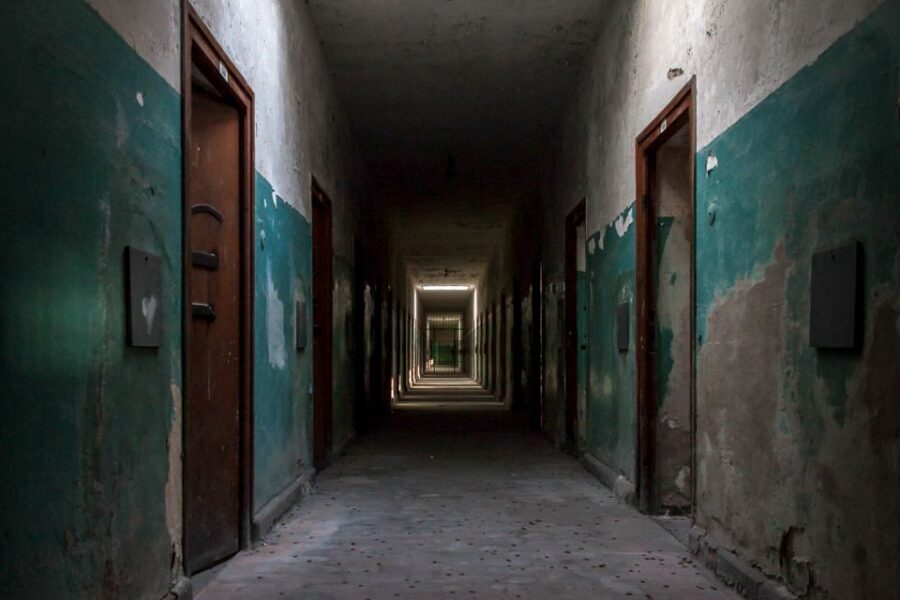
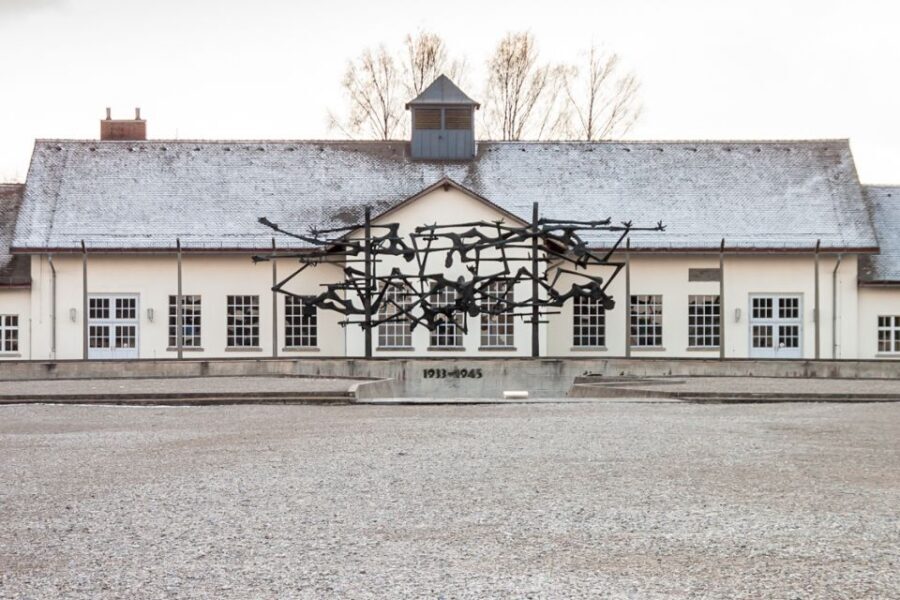
The heart of the tour is where you move beyond the gate and into the camp’s structures tied to confinement and punishment. This is where the guide’s explanations do the most work for you.
Bunker and punishment spaces
You’ll tour the bunker, with your Memorial-qualified guide explaining the role it played. The idea isn’t to “shock for shock’s sake.” It’s to understand how the Nazi system used brutal punishment as both discipline and intimidation—designed to break people physically and psychologically.
Barracks (including Barrack X) and camp life by design
You’ll also visit Barrack X and other barracks. Your guide covers what prison life looked like in practice and how the camp was organized to keep people under constant threat. You’ll hear about registration and the movement of prisoners through the system—from their arrival to trials in torture and punishment.
This part can be hard. The buildings are plain, almost “ordinary” looking from a distance. Up close, you grasp what the architecture was for: controlling bodies, controlling time, and stripping identity.
The three phases of Dachau: how the camp evolved
One of the most valuable parts of this tour is that your guide doesn’t treat Dachau as one static moment. You’ll learn about the camp’s three phases and its evolution across the Nazi regime’s 12-year rule.
You might not get a neat “timeline poster” feeling during the walk, but you do get a framework: how the camp’s purpose, organization, and procedures shifted over time. That helps you understand why different parts of the site feel “of a piece” while still reflecting change.
Timing, breaks, and what a 6-hour day actually feels like
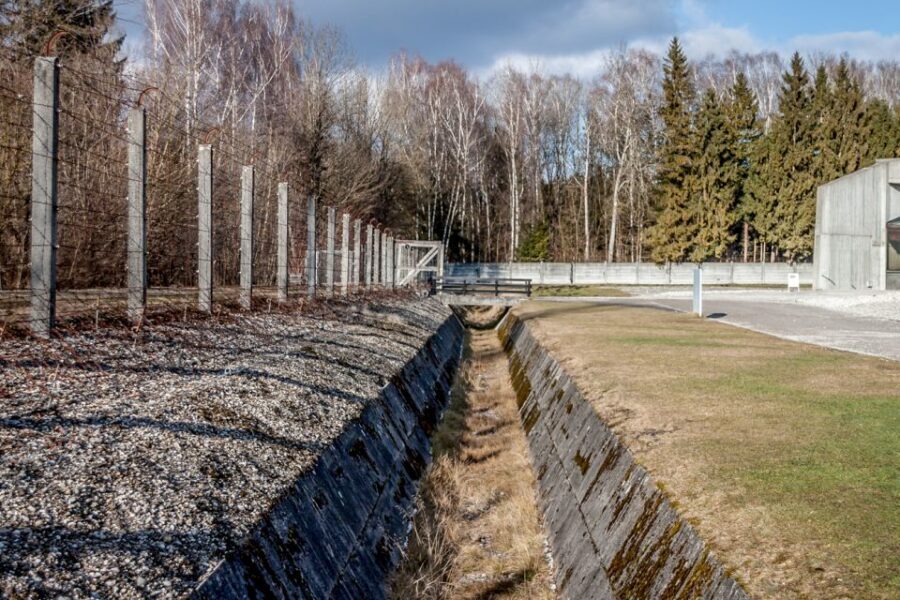
The total duration is 6 hours, including about 4 hours inside the camp and roughly 2 hours of travel. There’s also a 15-minute break before your main guided block on-site (about 3.83 hours of guided touring).
Plan for a day with limited room to drift. This is the kind of tour where you’ll want to keep moving because the guide is threading the story through specific locations. Reviews for this experience often point out that the pacing stays steady and that bathroom stops are limited to set moments—so don’t wait until you’re desperate.
What to bring:
- Comfortable shoes
- Water
- Weather-appropriate clothing
- Snacks, but remember you can’t eat during the tour at Dachau
Note on food: the tour doesn’t allow eating during the tour itself, so have a solid breakfast. You can also bring something for the train, where appropriate.
What makes the guide experience so important here
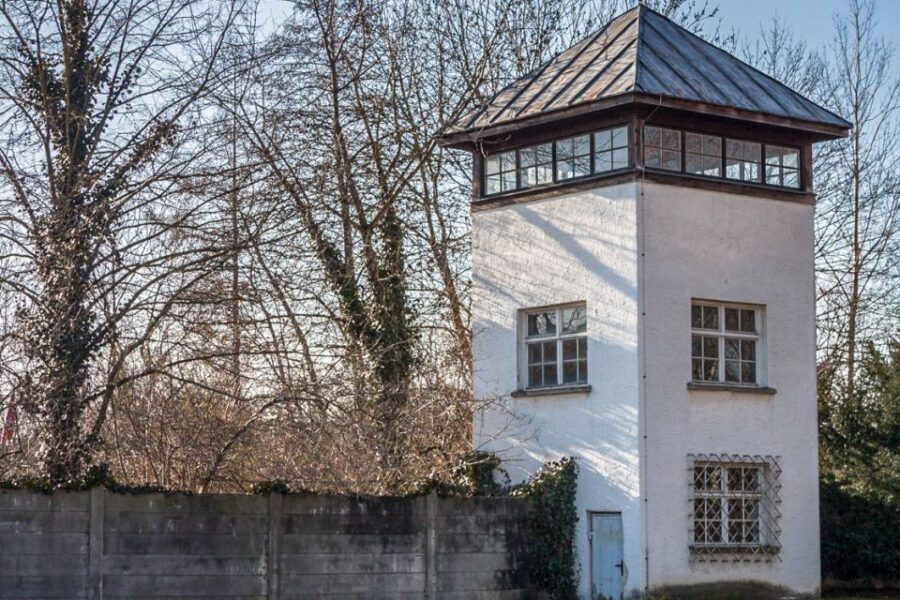
I’m big on self-guided sightseeing. But Dachau is different. A Memorial-qualified guide is what turns “locations” into “understanding.” You’ll get commentary on camp life and death for prisoners who passed through the gates from 1933 to 1945, plus explanations of why the camp opened and who the first prisoners were.
The best part is the balance your guide is expected to strike: factual, specific, and respectful. You don’t just hear what happened—you hear how the system worked. That’s where the tour becomes more than a checklist.
Price and value: why $51 can still feel like a bargain
At about $51 per person, this tour can be good value if you care about two things: qualified interpretation and a guided route through complex, heavy material.
You’re paying for:
- A live guide (not audio-only)
- On-the-ground direction so you don’t miss key stops
- The transport cost (train fee and bus fee)
If you tried to DIY this day from Munich, you might save a little money on the guide. But you’d likely lose the structure that helps you make sense of Dachau’s layout and the camp system in a single visit. For many people, the guide component is the difference between “I saw buildings” and “I understand what they represented.”
Who should book this Dachau day trip (and who shouldn’t)
This tour fits travelers who want structure and serious context. It’s also a solid choice if you appreciate learning through a guided walk rather than reading alone.
That said, it’s not suitable for:
- Children aged 13 and under
- Children under 14, because the content and themes aren’t considered suitable by Memorial Site guidelines
- People with mobility impairments, and it’s not suitable for wheelchair users
- People with respiratory issues (you’ll be outdoors and moving for several hours)
If you fall into one of these categories, you’ll want to choose a different format that matches your needs.
Practical rules inside the Memorial Site
A few restrictions keep the visit respectful and focused:
- No video recording
- No smoking
- No alcohol or drugs
- You can’t eat during the tour inside the camp
These rules are simple, but they affect your day. If you’re someone who likes to snack while walking, adjust your plan. If you’re a frequent photo shooter, leave the video habit at home. Use photos sparingly if allowed where you are, but follow the site rules first.
Should you book this Dachau Memorial Site Full-Day Tour?
I’d book it if you want a guided, Memorial-qualified visit that explains how Dachau operated—through the entry points, the structured camp spaces, and the systems behind registration, punishment, and confinement. The combination of a 6-hour day, about 4 hours inside, and a tight on-site route is a workable way to understand a site that deserves focus.
I’d pause or rethink if you’re looking for light sightseeing, if your group includes children under 14, or if mobility or health needs make a long, outdoor walking day difficult. In that case, the site can still be worth visiting—but you may need a different approach.
If you do book: wear good shoes, eat before you go, and come ready for an experience that stays with you after the bus ride back to Munich.
FAQ
Where do I meet the guide in Munich?
Meet your guide at Marienplatz, in front of the department store Ludwig Beck, at Marienplatz 11. Look for a white and blue umbrella and signs advertising the Dachau tour.
How long is the Dachau Memorial Site full-day tour?
The total duration is about 6 hours, including roughly 4 hours inside the camp and about 2 hours of travel time.
What language is the tour guide?
The live tour guide speaks English.
How long is the guided visit inside the camp?
You’ll have about 4 hours total on-site, with a guided tour component that runs around 3.83 hours.
Is the tour okay for kids?
Children aged 13 and under are not permitted. Children aged 14 and over are welcome if accompanied by parents who understand the graphic nature of the tour content; proof of age may be required.
Can I bring food and eat during the tour?
No. Eating food is not permitted while on tours at Dachau. Plan to have a big breakfast, and you can bring something to eat for the train if needed.
Are video recordings allowed?
No, video recording is not allowed.
Does the price include transportation?
Yes. The tour includes the train fee and bus fee, plus a live guide.
Is this tour accessible for wheelchair users?
No. It’s not suitable for wheelchair users and not suitable for people with mobility impairments.