REVIEW · COLOGNE
Cologne: Ticket for the German Sport & Olympia Museum
Book on GetYourGuide →Operated by Deutsches Sport & Olympia Museum · Bookable on GetYourGuide
Sport history you can play.
With a German Sport & Olympia Museum ticket in Cologne, you get hands-on activity stations, including the original goal wall from the ZDF studio, plus a roof playground where kids can burn energy with big city views. The museum covers everything from ancient Greece to today, but here’s the trade-off: this isn’t a guided tour, so you’ll rely on the exhibits and signs to connect the dots.
I like that you’re not stuck just watching behind glass. You can rent sports equipment for play in dedicated areas, and the small-group format (up to 10 people) with a German/English host keeps things from feeling chaotic. For $12 per person for a full day, it’s strong value if your idea of fun includes movement and a bit of sports-nerd context.
In This Review
- Key things to know before you go
- A sport museum inside a 1896 customs hall on the Rhine
- How the self-guided visit works (with a small-group host)
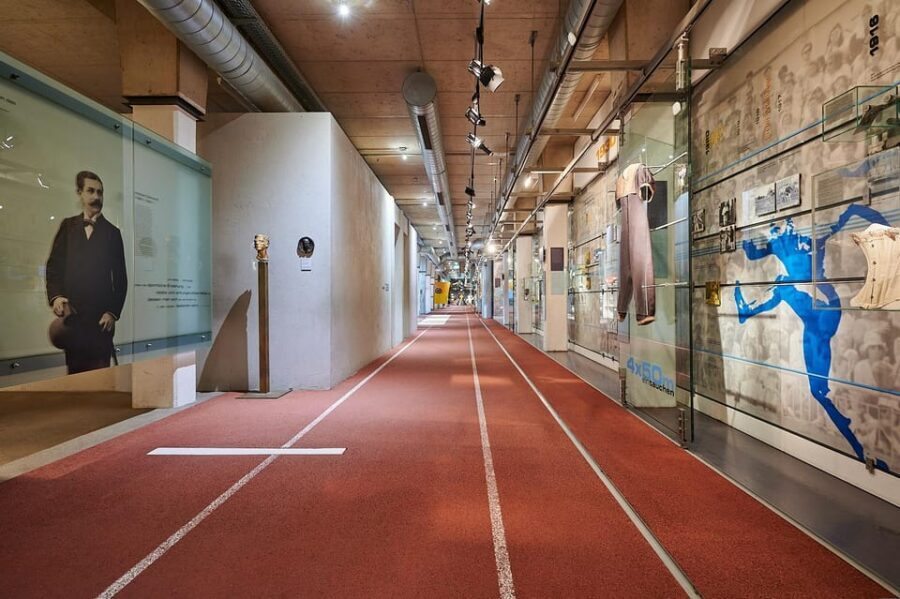
- From ancient Greece to modern competition: the museum arc
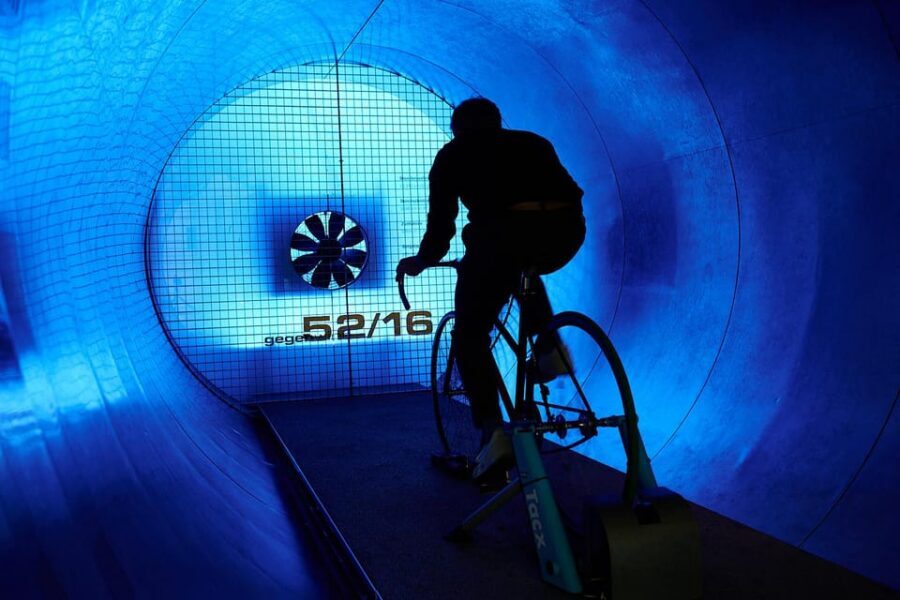
- Interactive must-dos: ZDF goal wall and the wind-tunnel bike
- Roof playgrounds: letting kids move (and giving adults a breather)
- Free sports equipment rental: play like you mean it
- Price and value: why $12 can feel like a lot more
- Who this is best for (and who might prefer a different plan)
- Should you book this Cologne sport museum ticket?
- FAQ
- How long is the experience?
- Is a guided tour included?
- What’s included with the ticket?
- Can I rent sports equipment on-site?
- What languages are available for the host or greeter?
- Is the museum wheelchair accessible?
- Are reduced-price tickets available?
Key things to know before you go
- ZDF goal wall experience: try the original-style target setup from the studio.
- Wind tunnel bike: get a feel for effort and airflow in a controlled challenge.
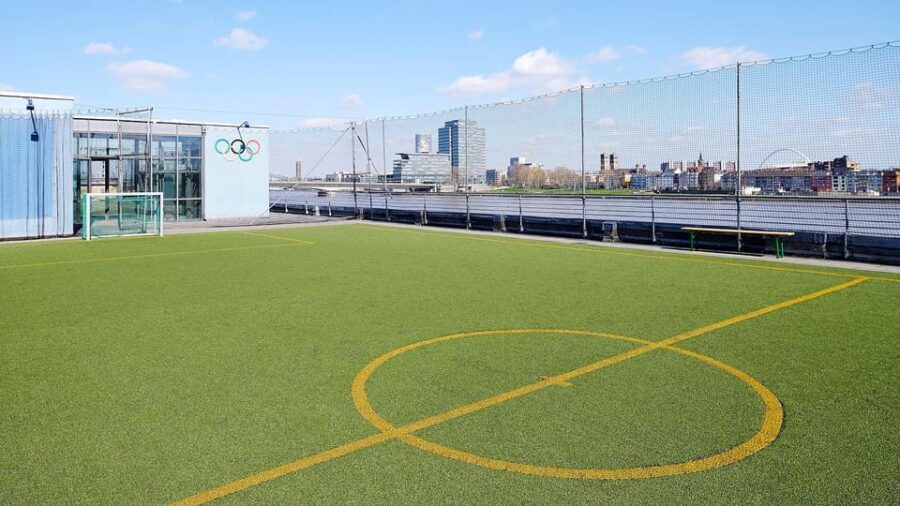
- Roof playgrounds: two major play areas on the roof, plus a view over the city.
- 2,700 square meters + 2,000 objects: a big indoor footprint that covers sport’s evolution.
- Free sports equipment rental: footballs, basketballs, and more for play in set zones.
A sport museum inside a 1896 customs hall on the Rhine
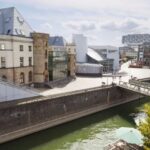
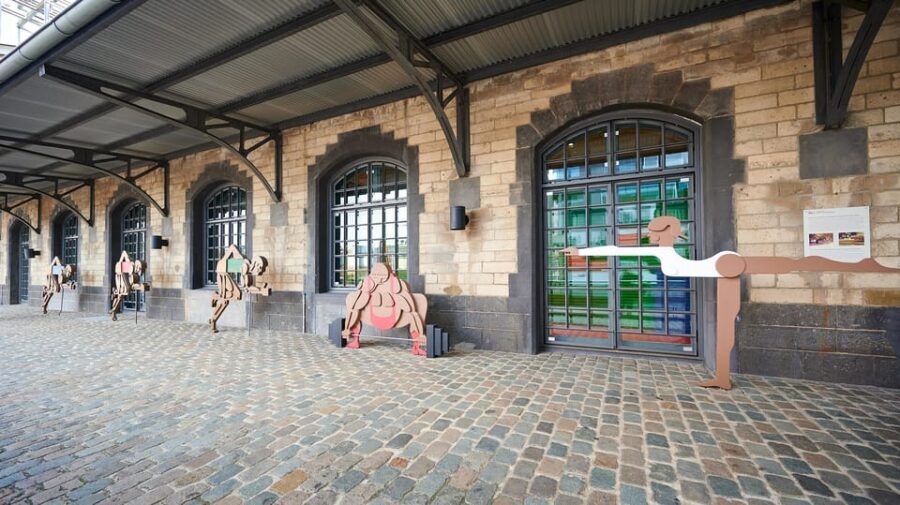
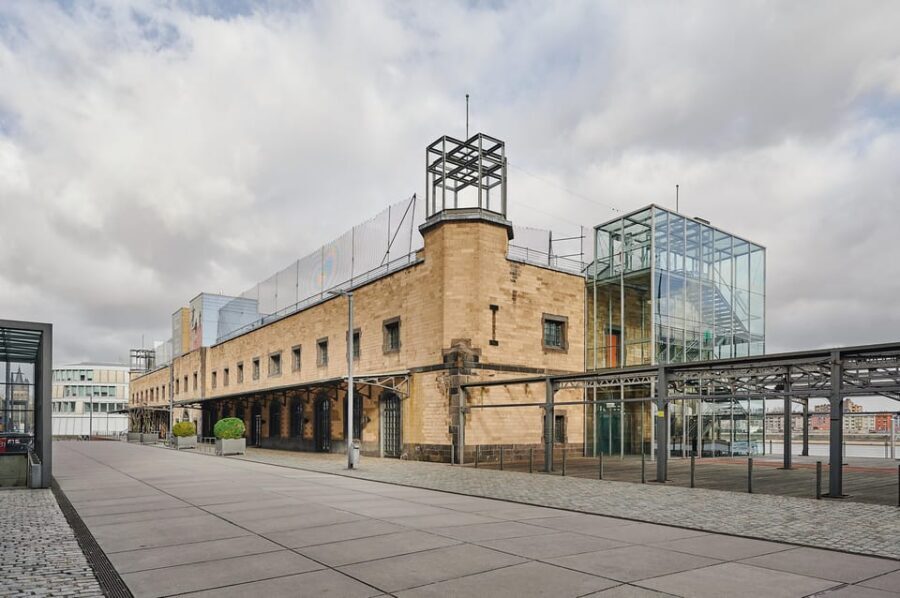
The German Sport & Olympia Museum sits right along the Rhine in an old customs hall dating from 1896. That matters more than it sounds, because the building gives the place a sturdy, almost old-school atmosphere that contrasts nicely with the modern feel of the interactive exhibits.
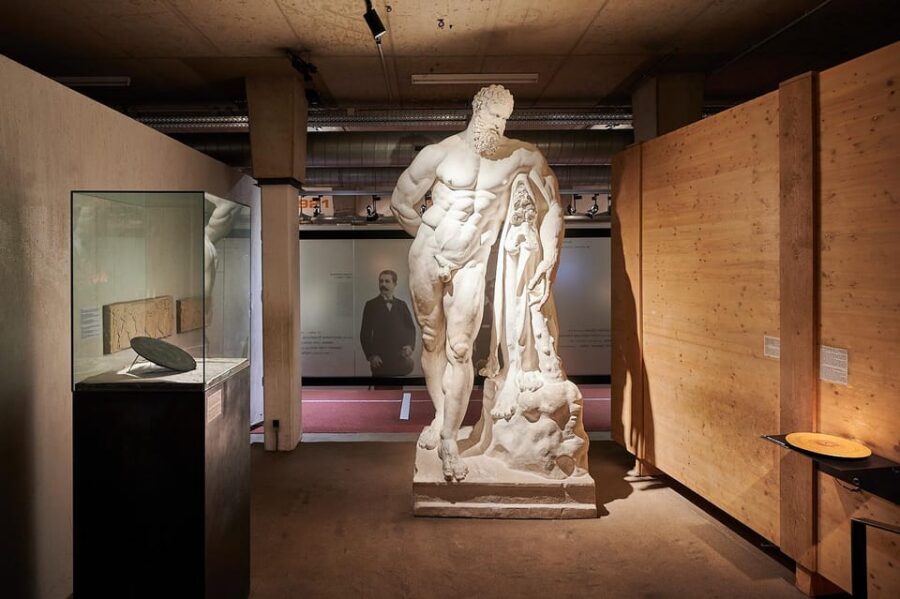
Inside, the museum is set up as an adventure-style experience. You’re not just looking at trophies or reading match reports. The space is about movement, encounters, and the emotional side of sport: wins, losses, pressure, risk, and even the side effects that come with competition. The museum’s size gives you room to switch modes. One moment you’re walking through sport history; the next you’re in an activity zone testing yourself.
Also, you’ll spend time near the Rhine area even if you never leave the building. If you like the idea of “museum + a little atmosphere,” this one gives you that. It doesn’t feel like a sterile indoor planetarium. It feels like a place made for people who want to do something, not just look.
A few more Cologne tours and experiences worth a look

How the self-guided visit works (with a small-group host)
This ticket is all about access and time, not a scheduled guided walkthrough. There’s no guided tour included, so your experience will be what you make of it: browse, test stations, repeat what you enjoyed, then come back to see what you missed.
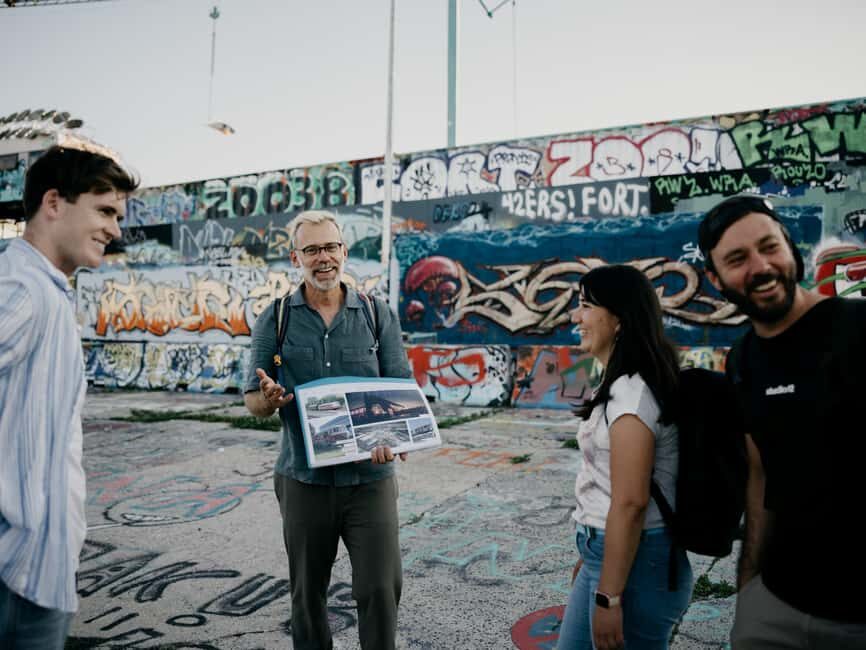
Still, you’re not totally on your own. A host/greeter is available in German and English, and the group stays small (limited to 10 participants). In practice, that usually means easier entry, less waiting, and fewer people crowding each activity station at once.
A practical tip: think of your visit as a loop with choices. Start indoors so you understand the theme, then pivot into the hands-on sections. If you switch to the roof too early, you might rush past indoor exhibits you’ll want later. If you do the roof at the end, you get a nice reset and a reward for walking the museum first.
If you prefer someone to explain the context behind each exhibit, this is the one potential mismatch. The museum is strong, but without a guide you’ll do more reading and self-directed interpretation.
From ancient Greece to modern competition: the museum arc
The museum’s story runs from ancient Greece to the present day, which is a cool reminder that sport isn’t just modern entertainment. It has always been tied to identity, politics, and social change—whether that’s through organized competition, athletic ideals, or the controversies that follow big events.
You’ll see around 2,000 selected objects and interactive installations spread across roughly 2,700 square meters. That scale is why I think the museum works well for a full day: you can skim, you can focus, and you can keep returning to the parts that grab you.
What I like about how the museum frames sport is that it doesn’t pretend sport is only medals and hero moments. It also includes the difficult side: painful defeats, winners and losers, and the risks and side effects connected to training and competition. That balance makes the experience feel more real than a pure highlight reel.
If you’re with kids, this arc helps too. Kids don’t need every historical detail to enjoy it. They just need places to try things, plus enough context to understand why the challenge exists. The museum’s mix of objects and active stations supports both interests at once.
Interactive must-dos: ZDF goal wall and the wind-tunnel bike
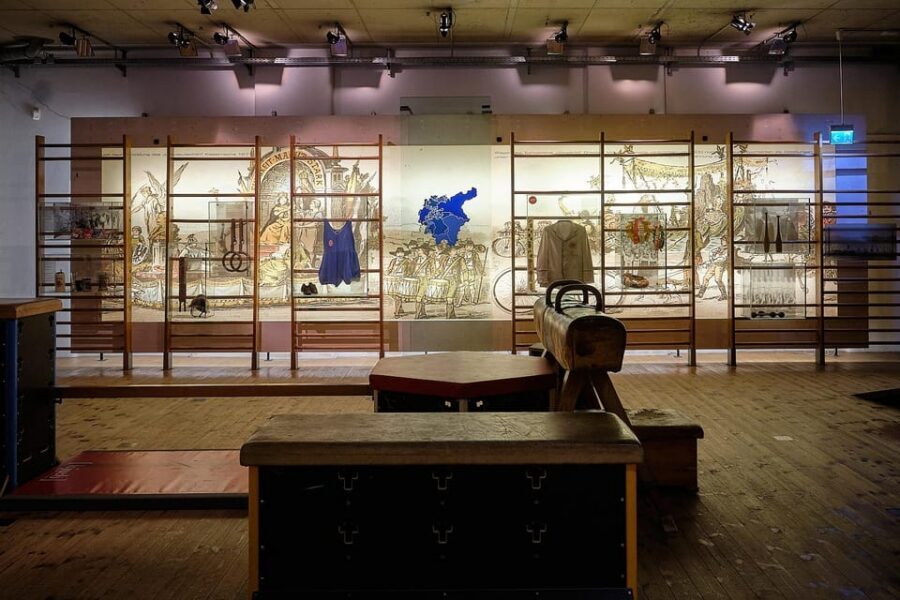
Two activity experiences are called out as real standouts: the original goal wall from the ZDF studio and the wind tunnel bike. Even if you’re not a die-hard football fan or a cycling expert, these two make the point that sport is part skill, part physics, and part mind game.
The goal wall is built around target-like play. That’s a fun way to turn “aiming” into a game you can repeat. It also helps kids learn fast: stand here, aim there, try again. Adults often get a second wind here too, because it’s satisfying to improve a little each attempt.
Then there’s the wind tunnel bike. This is where the museum shifts from sports nostalgia to performance reality. A wind tunnel doesn’t just look technical; it changes the effort. You feel how movement interacts with airflow, so the challenge becomes more than a casual ride.
How to get the most out of these:
- Take a moment before your first try. Watch how others use the setup, then do your first attempt without rushing.
- Plan for repeat rounds. The best part of interactive exhibits is that you can go again, not just once.
- Expect some sweat if you do multiple stations. That’s part of the point.
These are also good “anchor stops” for mixed ages. If one person wants to go all-in on history, another can do the hands-on challenges nearby, and everyone still feels like they’re in the same museum.
Roof playgrounds: letting kids move (and giving adults a breather)
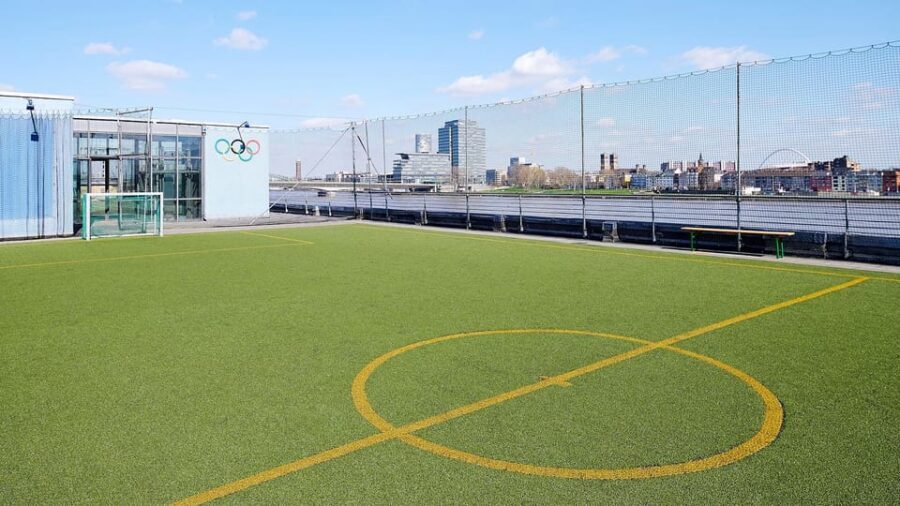
The museum’s rooftop play areas are a big deal. There are two highest and most beautiful play areas on the roof, and they come with a view over Cologne. That’s not just a nice backdrop. It changes the mood of the visit.
Indoors, the museum can feel like a steady sequence of stations. On the roof, you’re in open air with more space to run, bounce, and refocus. For families, this is where you’ll see the energy burn off in a good way. For adults, it’s a chance to step out of “standing-in-front-of-things” mode and just watch motion for a while.
The roof playgrounds also fit the museum’s theme: sport as something you do, not something you study from the sidelines. And because there are dedicated play areas, you can let kids participate without the awkward question of where they’re supposed to go next.
A practical consideration: you’ll want to supervise younger kids more closely on any active rooftop setup. Even when areas are designed for play, rooftops add extra seriousness around boundaries and footing. Treat it like a park, not a museum gallery.
If you like viewpoints with your activities, do the roof at a time when you can enjoy the skyline without feeling rushed. The view gives the whole day a payoff moment.
You can also read our reviews of more museum experiences in Cologne
Free sports equipment rental: play like you mean it
One of the most valuable parts of this experience is what the ticket includes: free rental of sports equipment for play in dedicated areas. That can include things like footballs and basketballs, depending on the station you use.
This matters because it removes friction. You don’t have to pack a ball, wear the perfect shoes, or figure out what’s allowed. The museum supplies what you need for the specific game zones, and you can focus on actually playing.
Also, free rentals make the museum more fair across budgets. Paying for museum entry is one thing; paying for activity add-ons is another. Here, the movement element is built into the value.
A good way to think about it: the exhibits are the story, and the sports gear is the chapter where you try it for yourself. If you’re traveling with kids, this can turn a “museum day” into something they genuinely look forward to.
Two small planning tips:
- Wear comfortable footwear. Even if you think you’ll only try one station, you’ll likely end up doing more.
- Bring the energy. This museum is not quiet-time only.
Price and value: why $12 can feel like a lot more
At about $12 per person for a full-day ticket, the value comes from three places: access to a large museum footprint, multiple interactive activity zones, and equipment rentals that support real movement.
Also, it’s not a half-day distraction. The museum covers a long timeline, and it’s big—around 2,700 square meters—so you can spread out. That makes the price easier to justify compared to smaller attractions where you spend most of the time walking through static displays.
What’s included:
- Museum ticket for the German Sport & Olympia Museum
- Free equipment rental for play in dedicated areas (including zones like the entry hall and roof)
What’s not included:
- A guided tour
That last point is worth considering when you’re deciding if this is “your kind of experience.” If you love guided storytelling, you might feel like you’re doing more self-navigation than you want. But if you’re the type who learns by trying and reading a sign when it matters, the lack of a guide is less of a drawback and more of a flexibility perk.
For families, the value often looks even better because kids typically move from station to station. You’re paying once and getting multiple chances to participate.
Who this is best for (and who might prefer a different plan)
This is a strong match if you want a sport-themed day that includes actual movement. I’d especially recommend it for:
- Families with children who enjoy hands-on play and rooftop energy outlets
- Teenagers who might roll their eyes at a standard museum but will engage with interactive challenges
- Adults who like sports history but also enjoy getting physical, even lightly
It may be less satisfying if you want a tightly guided, lecture-style experience. Since there’s no guided tour, you’ll rely on exhibit info and the host/greeter presence rather than a full explanation of every display. The museum does cover politics and social relevance in sport, but without a guide, that context will be something you pick up at your own pace.
If you’re traveling with mixed interests, this works well because different people can choose their own focus: one person can spend more time with the history flow, while another repeats the goal wall or the wind tunnel bike.
Should you book this Cologne sport museum ticket?
If you want a museum day that doesn’t feel passive, I’d book it. The combo of a Rhine-side setting, a big indoor footprint, and activity stations like the ZDF goal wall and the wind tunnel bike gives you variety without needing extra planning. Add the roof playgrounds and free sports equipment rentals, and you’ve got a ticket that supports both fun and learning.
I’d only hesitate if you’re specifically looking for a guided tour with a scripted explanation the whole time. For that style of visit, you’d likely want a different format. But for self-guided, hands-on exploration with a host and a small-group setup, this one makes sense.
FAQ
How long is the experience?
It is valid for 1 day, so you can use the ticket during that one-day window based on available starting times.
Is a guided tour included?
No. The ticket includes access to the German Sport & Olympia Museum, but a guided tour is not included.
What’s included with the ticket?
You get the museum ticket and free rental of sports equipment for play in dedicated areas (for example, footballs and basketballs).
Can I rent sports equipment on-site?
Yes. The experience includes free equipment rental to use in the museum’s dedicated play areas such as the roof or entry hall.
What languages are available for the host or greeter?
The host/greeter is available in German and English.
Is the museum wheelchair accessible?
Yes, it is listed as wheelchair accessible.
Are reduced-price tickets available?
The platform does not provide reduced adult prices for people with disabilities or holders of KölnPass. If you can show proof at the entrance, choose Student with ID as the ticket option here. Family tickets can currently only be bought on-site (two adults and two children cost 25 €).
If you want, tell me who you’re going with (ages, travel dates, and what you like: sports, history, or just hands-on fun), and I’ll suggest a smart order for your day inside the museum.