REVIEW · MUNICH
Full-Day Dachau Concentration Camp Memorial Site Tour from Munich
Book on Viator →Operated by InMunich Tours · Bookable on Viator
Dachau hits harder when you understand it. This full-day tour from Munich brings clear context to what you’re seeing at the Memorial Site, from the Third Reich’s rise to the camp’s day-to-day system. I also like the way the day is structured for you, with a guide leading the whole flow and making sure you don’t miss the important locations like the Appellplatz and museum spaces.
One thing to consider: this is a heavy, sobering experience with limited time for wandering, and you should plan for lots of walking and some very intense moments.
In This Review
- In a nutshell: what makes this Dachau tour worth it
- Why Dachau from Munich feels both close and heavy
- Getting started at Marienplatz: the logistics that keep stress low
- Bahnhof Dachau stop: why that train station moment matters
- Inside the Memorial Site: Jourhaus to the crematoriums and gas chamber
- Jourhaus, entrance, and the Appellplatz
- Museum areas and the story of prisoner life
- Perimeter, towers, and the layers of memorials
- The camp’s darkest evidence: crematoriums, mass graves, and the gas chamber
- The guide is the whole point: context, clarity, and human respect
- How long you really spend there: time on site vs. time on feelings
- Price and value: what you’re really paying for at $48.98
- Who this tour fits best (and who should plan something else)
- Should you book the Full-Day Dachau Tour from Munich?
- FAQ
- How long is the Dachau tour from Munich?
- Is the tour offered in English?
- What are the meeting and end points?
- Is food included?
- How old do you need to be to join?
- What’s the cancellation policy?
In a nutshell: what makes this Dachau tour worth it
- Guided visit at the Memorial Site with explanations that help you connect what you see to how the Nazi system worked.
- Round-trip train and bus from central Munich, so you’re not stuck figuring out connections on your own.
- Forced-march context at Bahnhof Dachau, stopping at the train station area many prisoners reached before marching onward.
- 4 hours at the site for a full guided pass plus time to take things in.
- English-speaking guides (many are praised by name, like Aileen, Keith, Adam, Marcin, Tom, Sam, Scott, and Hein).
Why Dachau from Munich feels both close and heavy
Munich gives you easy access to Dachau, but don’t let that convenience fool you. This is not a casual history stop. It’s one of those places where the facts matter, and a guide helps you hold those facts in your head without turning away.
What you’ll get is not just a tour of buildings. You’ll learn why the camp opened, who the first prisoners were, and how the camp’s purpose and structure developed over time. The guided approach matters because Dachau wasn’t just one event. It was a system: registration, categorization, and treatment designed to strip people down and control them.
This is also where the rise and fall of the Third Reich becomes more than a timeline. With a guide, you start seeing how policy turns into architecture, routine, and punishment.
A few more Munich tours and experiences worth a look

Getting started at Marienplatz: the logistics that keep stress low
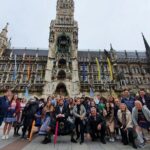
The day starts right in Munich city center, at Marienplatz 11 in front of Ludwig Beck. Your guide meets you there (they’ll be holding a white-and-blue umbrella), does a short briefing, then you’re moving.
A few practical details help this tour feel manageable:
- Small group size (up to 30 travelers).
- Moderate physical fitness is recommended, since you’ll be walking at the site.
- All-weather operation, but if conditions are poor enough to cancel, you’ll be offered another date or a refund.
You’ll also use a mobile ticket, so have your phone ready (good battery helps). And remember: they can’t hold luggage during the tour. If you’re traveling with a lot of stuff, plan on keeping it with you and keeping it light.
In the real world, the best thing about this setup is that you don’t waste the day on transport confusion. You get a train segment, then a bus segment, and the guide keeps the group together.
Bahnhof Dachau stop: why that train station moment matters
Before you ever reach the Memorial Site, you’ll transfer from train to bus. But first, you’ll stop at Bahnhof Dachau.
This is more than a break in the schedule. It’s about perspective. The station is described as the original arrival point for many prisoners before they were forced to march to the camp. That matters because it explains the journey as part of the plan, not just as background.
It’s also a nice example of how this tour tries to do something smart: it connects transport, location, and history in a way that self-guided visits sometimes miss—especially if you don’t already know what to look for.
Inside the Memorial Site: Jourhaus to the crematoriums and gas chamber
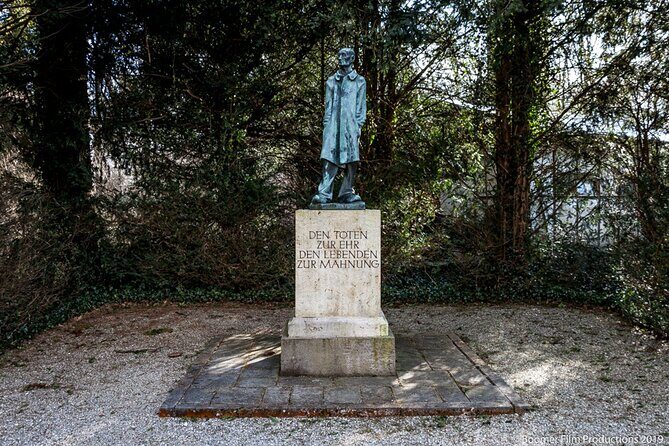
The main event is a long guided visit—about 4 hours—covering the major parts of the site at a pace that aims to be thorough without rushing you out the gate.
Here’s what you can expect to cover with your guide:
Jourhaus, entrance, and the Appellplatz
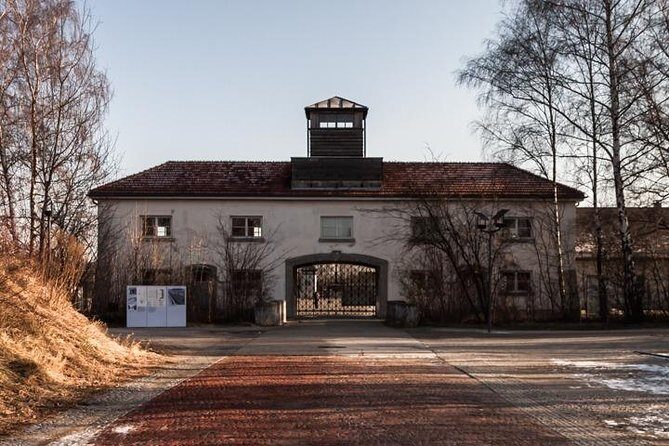
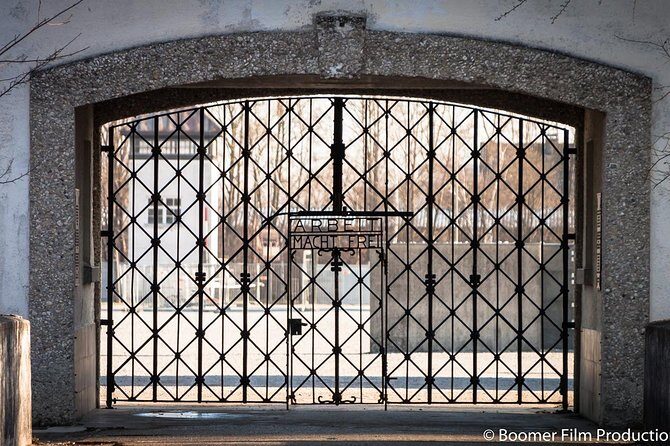
You’ll see the Jourhaus (the entrance building) and the gateway into the camp area—places that help you understand how entry worked psychologically, not just physically. Then you’ll move to the roll call square (Appellplatz).
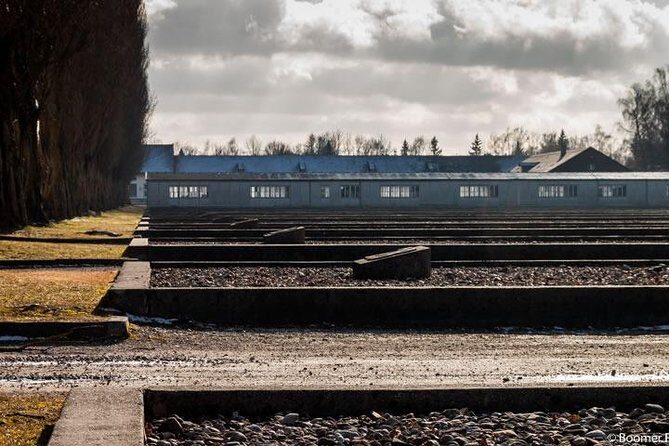
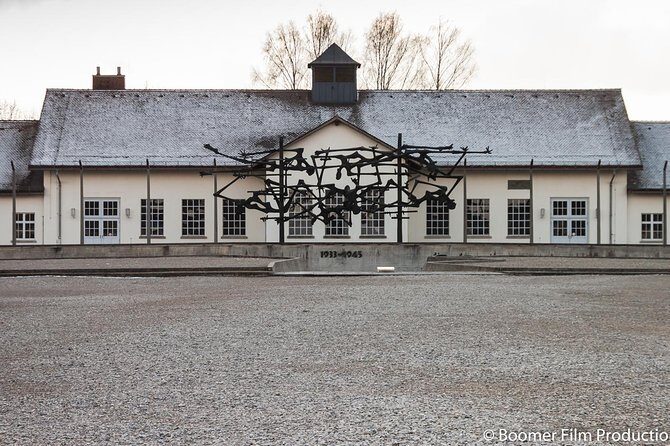
The Appellplatz is one of those spaces where the layout is the message. Your guide’s job here is to put the prisoner daily routine into context so the place doesn’t feel like just an open yard.


Museum areas and the story of prisoner life
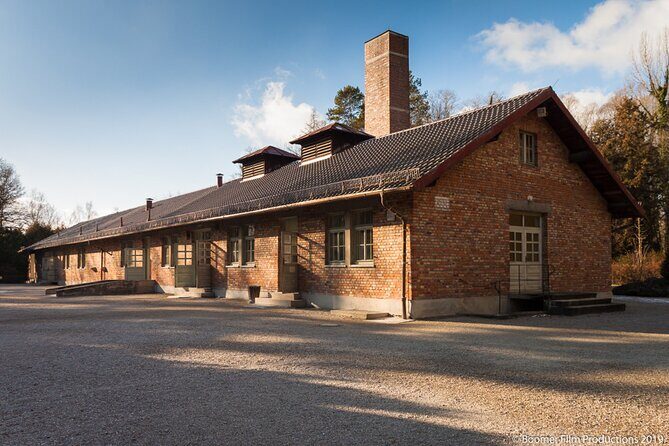
You’ll also visit the Memorial Site Museum, located in a former maintenance building. This is where you’re better able to understand how the camp evolved and how prisoners were processed—registration, categorization, and treatment—plus the development of facilities and training connected to the SS.
And then you’ll hear about the barracks and daily routine: what life looked like, what prisoners endured, and how the camp functioned as a machine for control.
Perimeter, towers, and the layers of memorials
The tour includes the camp perimeter fence and guard towers, which help you see the physical boundaries designed to prevent escape and enforce domination.
Then come the international and religious memorial elements, including the International Memorial and the Nandor Glid Sculpture. You’ll also encounter religious memorials and Barrack X.
This part can feel like it’s shifting from documentation to remembrance. That’s intentional. A well-led visit keeps both realities in view: the machinery of cruelty and the fact that the site now exists to remember and educate.
The camp’s darkest evidence: crematoriums, mass graves, and the gas chamber
The tour also covers the two crematoriums, mass graves, and the gas chamber.
This is where you need a guide’s framing. Seeing these spaces on your own can be overwhelming. With guidance, you’re more likely to understand what the site is trying to teach and how it’s connected to the broader Nazi system.
Practical note: your body will feel this long before your mind is ready. Wear good shoes, take short pauses when you need them, and don’t feel guilty about slowing down.
The guide is the whole point: context, clarity, and human respect
This is the most praised part of the experience, and for good reason. Dachau can be extremely factual, but facts alone don’t always translate into understanding.
The guides who lead this tour—names that come up strongly include Aileen, Keith, Adam, Marcin, Tom, Sam, Scott, and Hein—are repeatedly recognized for striking a careful balance: clear historical explanation plus sensitivity about the subject.
What that looks like in practice:
- You get context on the rise and fall of Germany’s Third Reich, not just camp trivia.
- You get help noticing what matters at each stop, so you’re not wandering around trying to figure out meaning.
- You can ask questions and get answers that fit the moment (and keep the tone respectful).
- Group management during transit is handled so you don’t lose people on station platforms or at the bus transfer.
If you’ve ever visited a site like this alone, you may notice you spend energy guessing. Here, the guide helps you spend energy learning.
How long you really spend there: time on site vs. time on feelings
The day is about 6 hours total, including travel. The schedule gives you:
- a short start briefing in Munich,
- a train to Dachau area and a bus transfer,
- then roughly 4 hours at the Memorial Site,
- and a return to Marienplatz.
That 4-hour window is the sweet spot for most people: long enough for a guided pass through major areas, and short enough that you’re not stuck all day in overwhelm. Still, one common consideration is that some people want more unstructured time in the museum exhibits and memorial spaces.
So here’s what I’d do if you’re the type who reads everything:
- Plan to arrive ready to listen first, then use your time afterward to focus on the sections that hit you most.
- Don’t try to see everything equally. Pick 2–3 areas where you want deeper attention and accept that other parts will be more overview-level.
Also, bring a snack and drink mindset. Food and drinks aren’t included, and options at the site can be limited. You don’t need a big meal, but you do need something to keep your energy steady.
Price and value: what you’re really paying for at $48.98
At $48.98 per person, you’re paying for more than a ticket. You’re paying for:
- a professional guide,
- a structured, English-language interpretation of the site,
- and round-trip shared transfer from central Munich, including train and bus.
When a day trip includes transport coordination plus guided entry through a large memorial, it often saves you time and mental load. Instead of spending your energy on train times, meeting points, and figuring out where you should go first inside a huge site, you’re simply following the plan.
Also, the tour lists entry as free for the Memorial Site portion. So the cost is anchored to guide-led access plus transport, not to stacking separate add-ons.
That combination is why the booking rate is high—this is the kind of trip people want to lock in early.
Who this tour fits best (and who should plan something else)
This tour is best for adults and teens 14 and older. Children 14 or younger aren’t permitted due to a Memorial Site rule, and proof of age may be requested.
It’s a good fit if:
- you want a guided explanation, not just photographs and plaques,
- you prefer public transport logistics handled for you,
- you’re okay with a heavy, emotional visit.
It may feel like the wrong match if:
- you need a lot of quiet, independent browsing time (the day is guided, and some people wish for more free time inside exhibits),
- you’re sensitive to very intense content and need a lighter pace.
Should you book the Full-Day Dachau Tour from Munich?
Yes—if you want this experience to make sense while you’re standing inside it.
Book it if you appreciate structure: meeting at Marienplatz, a train-and-bus route that connects you to the prisoner journey, and a guide who helps you understand the camp’s layout and purpose. The strongest reason to book is the guidance itself. With guides like Aileen, Keith, Adam, Marcin, Tom, Sam, Scott, and Hein cited for clarity and respect, you’re more likely to come away with real understanding, not just a list of locations.
Consider booking another format (or pairing your visit with extra time elsewhere) only if you feel you need long stretches of independent museum reading, because the schedule is designed for a focused guided pass and includes travel time.
If you do go: wear sturdy shoes, bring a snack and water, dress for cold or rain, and give yourself permission to slow down. This place asks for attention. A good guide helps you give it.
FAQ
How long is the Dachau tour from Munich?
It runs about 6 hours total, including time traveling by train and bus and about 4 hours at the Dachau Concentration Camp Memorial Site.
Is the tour offered in English?
Yes. The tour is offered in English, and you’ll meet a professional guide in central Munich.
What are the meeting and end points?
You meet at InMunich Tours, Marienplatz 11 in front of Ludwig Beck. The tour ends back at the same meeting point on Marienplatz.
Is food included?
No. Food and drinks are not included, and options at Dachau may be limited, so bringing a snack and a drink is a good idea.
How old do you need to be to join?
Children 14 and younger are not permitted on this tour. Adults and ages 14–99 are accommodated, and proof of age may be requested.
What’s the cancellation policy?
You can cancel for a full refund if you cancel at least 24 hours before the start time. If you cancel less than 24 hours before, the amount paid is not refunded. If poor weather causes cancellation, you’ll be offered a different date or a full refund.
If you want, tell me your travel dates and whether you prefer early or late departures in Munich, and I’ll suggest a simple day plan around this tour.