REVIEW · DUSSELDORF
Düsseldorf: Altstadt Guided Tour
Book on GetYourGuide →Operated by Visit Düsseldorf · Bookable on GetYourGuide
Altstadt in Düsseldorf is a street-level history lesson. You’ll start in the Altstadt bar world (yes, the city’s long-bar brag comes up) and walk through lanes where the guide ties drinks and daily life to names you’ve seen on postcards, like the twisted tower of St. Lambertus and the Rider statue of Jan Wellem. What I like most is that it’s not a dry lecture; it’s a short walk that keeps moving, with clear stories you can actually picture.
One thing to consider: it’s only 1.5–2 hours, so you’ll cover a lot of highlights rather than taking your time like you would on a full-day museum plan.
In This Review
- Key things I’d watch for on this Altstadt tour
- Why Düsseldorf’s Altstadt feels so easy to explore on foot
- Meeting at Visit Düsseldorf: starting on time at Rheintraße 3
- Old Town walking route: how the guide keeps the pace lively
- The “twisted tower” stop at St. Lambertus
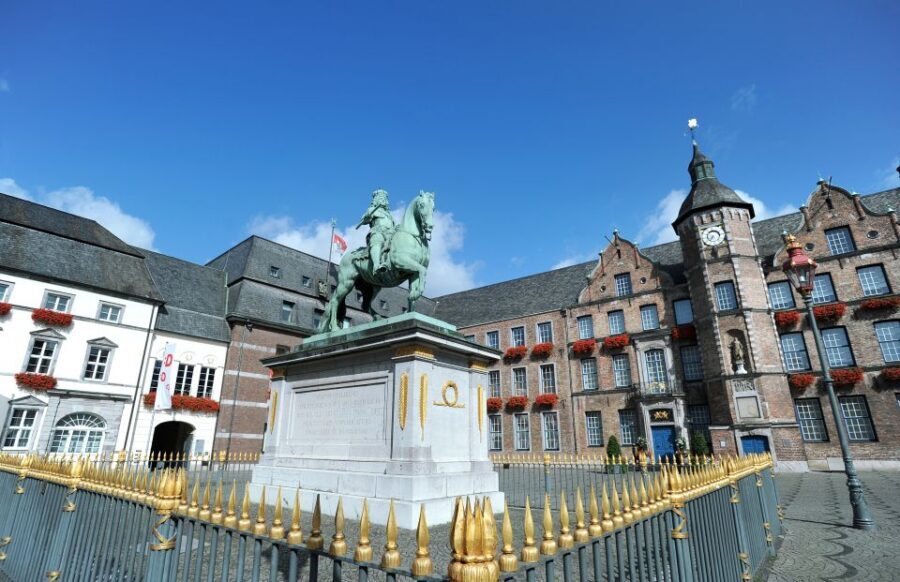
- The Rider statue of Jan Wellem: why local power becomes a monument
- Heinrich Heine’s birthplace and tailor Wibbel’s fame
- Burgplatz and the Schlossturm: one tower after a lost castle
- The Maritime Museum: free entry you can actually use
- Rhine Promenade views: skyline + Oberkassel from the embankment
- Price and value: $222 per group up to 10
- Who should book this Düsseldorf Altstadt guided tour
- Final verdict: book it if you like meaning with your sightseeing
- FAQ
- FAQ
- How long is the Düsseldorf Altstadt guided tour?
- Where do I meet the guide?
- What languages are offered for the tour?
- Is this a shared tour or can it be private?
- What major sights will the guide cover?
- Is the Maritime Museum included?
- Where does the tour end with views?
- Can I cancel and get a full refund?
- Can I reserve now and pay later?
Key things I’d watch for on this Altstadt tour
- The longest-bar-in-the-world angle: the guide frames Altstadt’s 260+ venues as part of the city’s identity
- St. Lambertus’s twisted tower: a Gothic landmark with an explanation that feels specific, not generic
- Jan Wellem’s Rider statue: you’ll understand why The Rider is more than a cool silhouette
- Heinrich Heine and tailor Wibbel: these stories add human scale to the old streets
- Burgplatz and the Schlossturm: you’ll see how castle history survives in one standing remnant
- Free Maritime Museum entry: you can tack on a meaningful indoor stop the same day
Why Düsseldorf’s Altstadt feels so easy to explore on foot
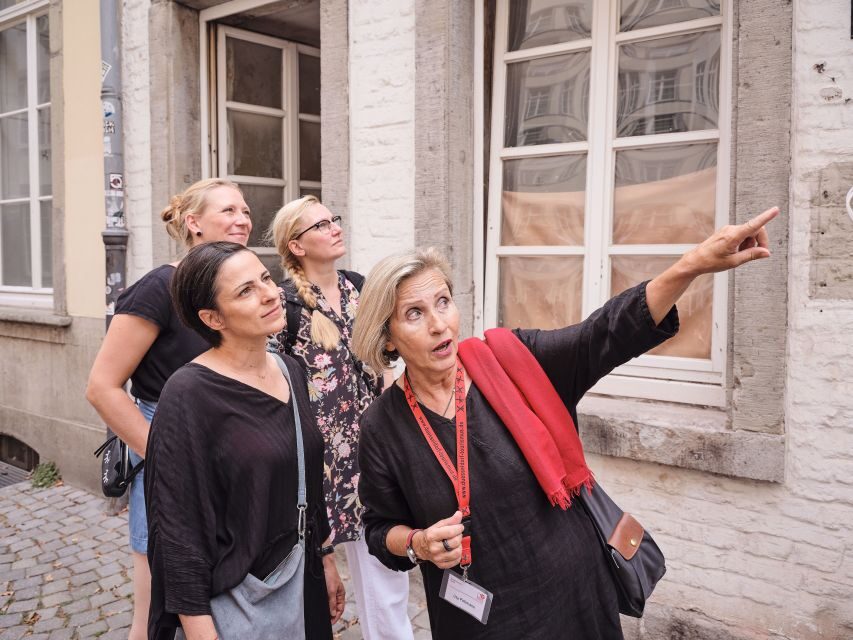
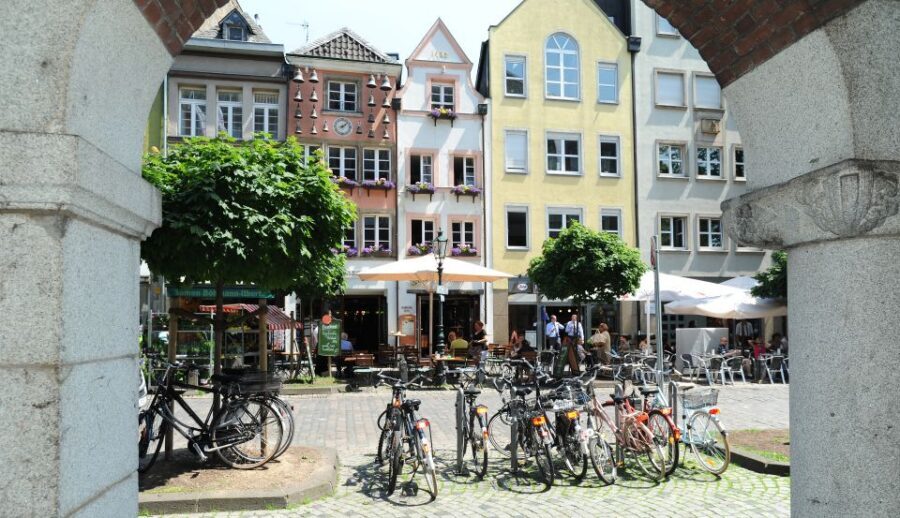
Düsseldorf’s Altstadt is the kind of place where you can get oriented fast. You’re surrounded by old streets, classic church shapes, and the rhythm of bars and cafés—so even if you’re not chasing nightlife, you’re still in the right setting to understand the city.
The guided format helps because the area’s grown over centuries. Without someone explaining what you’re looking at, it can turn into a lot of walking and window-shopping. With the guide, you connect landmarks to the people and events that shaped the city, from religious architecture to local legends.
And yes, the tour includes the famous bar culture. The guide brings up the idea of the “longest bar in the world” (because Altstadt has more than 260 bars, restaurants, cafés, and breweries). The practical point for you: it’s a fun hook that makes the rest of the history feel human, not academic.
You can also read our reviews of more guided tours in Dusseldorf



Meeting at Visit Düsseldorf: starting on time at Rheintraße 3
You meet the guide at the Tourist-Information Visit Düsseldorf at Rheintraße 3. The tour starts right on time, so I’d treat “arrive early” like a real instruction, not a polite suggestion.
This matters more than it sounds. A 1.5–2 hour walk goes fast. If you’re late, you’ll miss the first stretch—often the part where the guide sets the stories and shows you how to read the streets.
If you’re coming by public transport, give yourself extra time to get from the station area to Rheintraße. Altstadt is walkable, but the streets can be a little maze-like once you’re in the older blocks.
Old Town walking route: how the guide keeps the pace lively
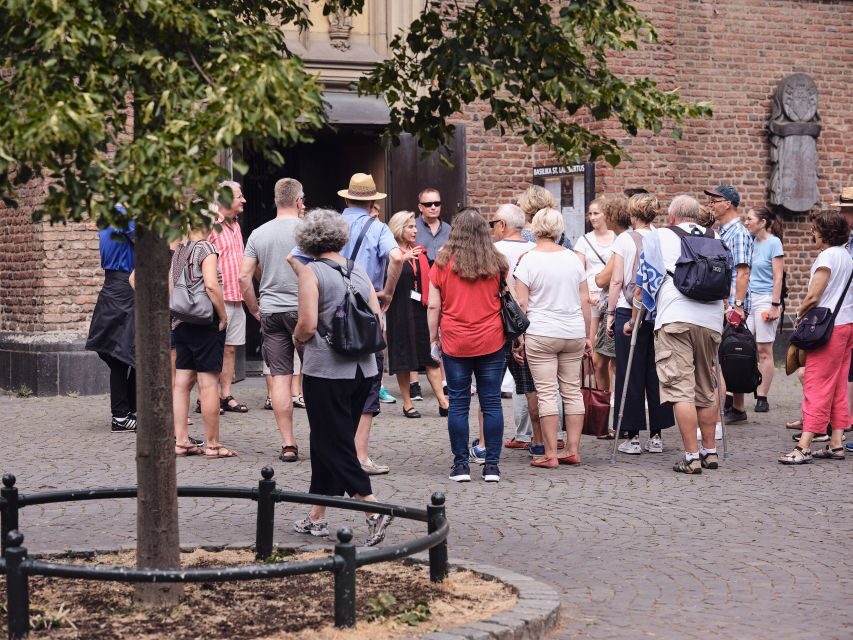
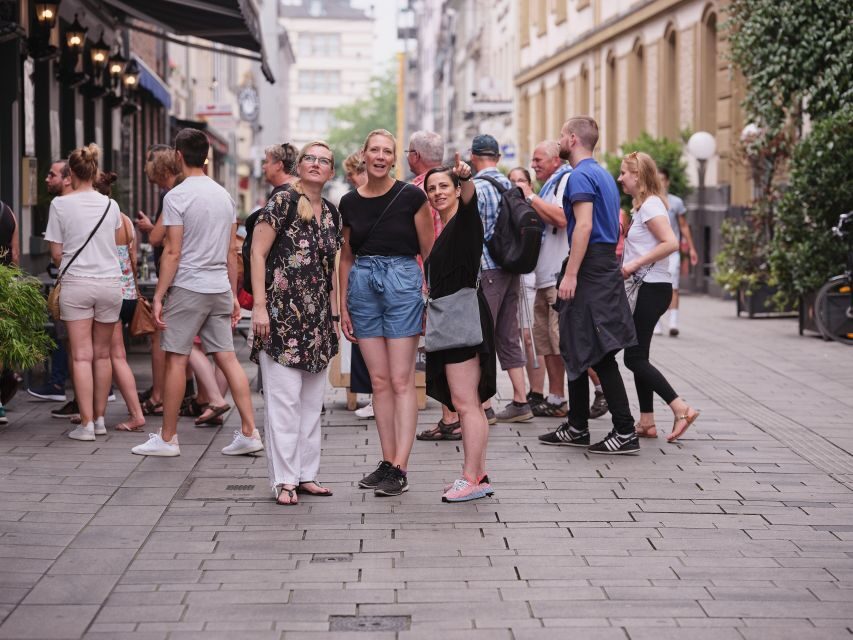
The tour is designed as a stroll through Düsseldorf’s Altstadt lanes, with stops that explain why specific sights matter. Expect the walk to feel compact: you’ll keep moving between key points rather than spending long stretches standing still.
I like this format for first-time visitors because you get “pattern recognition.” After a short walk, you start noticing details—tower shapes, street corners, squares—that you might otherwise ignore. The guide also builds in question time, which makes the experience feel interactive instead of one-directional.
If you’re the type who likes to ask why a city looks the way it does—good news. This tour is set up for that. You’ll get the background so you’re not just taking photos of pretty buildings without knowing what you’re seeing.
The “twisted tower” stop at St. Lambertus
One of the most memorable parts is the story behind the Gothic St. Lambertus Church and its twisted tower. It’s the kind of landmark that people notice instantly, but the meaning can be confusing if you’re only looking at it from the outside.
What I’d take from this stop is the guide’s ability to connect architecture to cause. You learn why the tower ended up that way, and it changes how you look at it—suddenly it’s not just a quirky skyline feature. It’s a result of decisions, history, and time.
Practical tip: bring your phone/camera ready for tower angles. The church exterior is easiest to appreciate when you can step back and capture the tower shape in context with the surrounding street lines.
The Rider statue of Jan Wellem: why local power becomes a monument
The tour also covers The Rider, the statue associated with elector Jan Wellem. This is one of those “you’ve probably seen it” sights that becomes a lot more interesting once you know the story behind it.
The guide explains how it came about, and that’s what makes the difference. You stop seeing it as a decorative figure and start seeing it as a political and cultural marker—something placed to send a message that lasted.
For you, the payoff is simple: you’ll recognize this type of monument language in other German cities after this. It trains your eye to ask, Who built this? Why here? And what did they want people to feel?



Heinrich Heine’s birthplace and tailor Wibbel’s fame
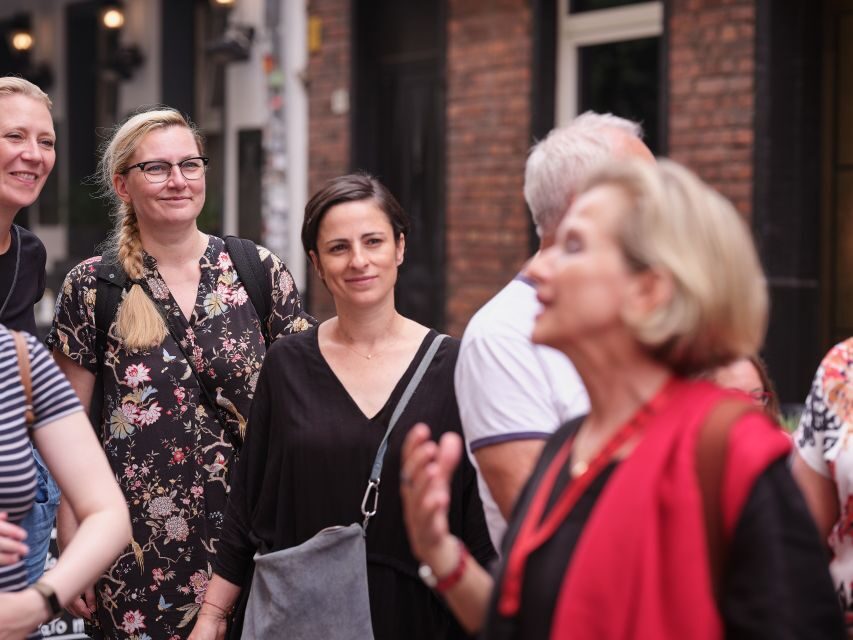
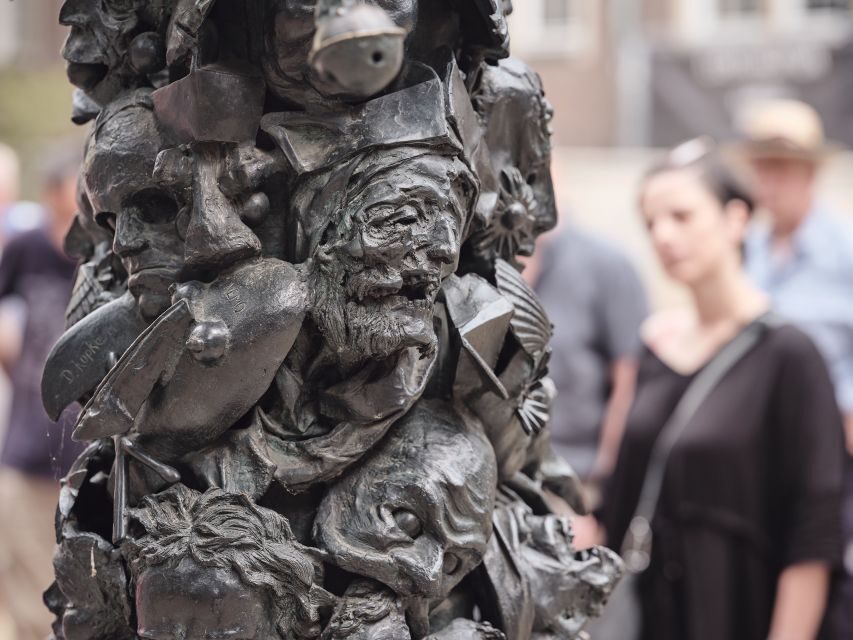
Two stops add extra personality: Heinrich Heine and tailor Wibbel. These aren’t just name drops. They help the tour move beyond castles and churches into real people—writers and everyday figures tied to the city’s identity.
This is the part I’d especially recommend if you like culture that’s not locked inside museum walls. You walk through a living city and pick up a couple of stories that make the streets feel “inhabited” by more than architecture.
If you’re trying to decide what to read later, these names are a good seed list. The tour gives you a reason to look them up, and you’ll come away with a better sense of why they matter to Düsseldorf.
Burgplatz and the Schlossturm: one tower after a lost castle
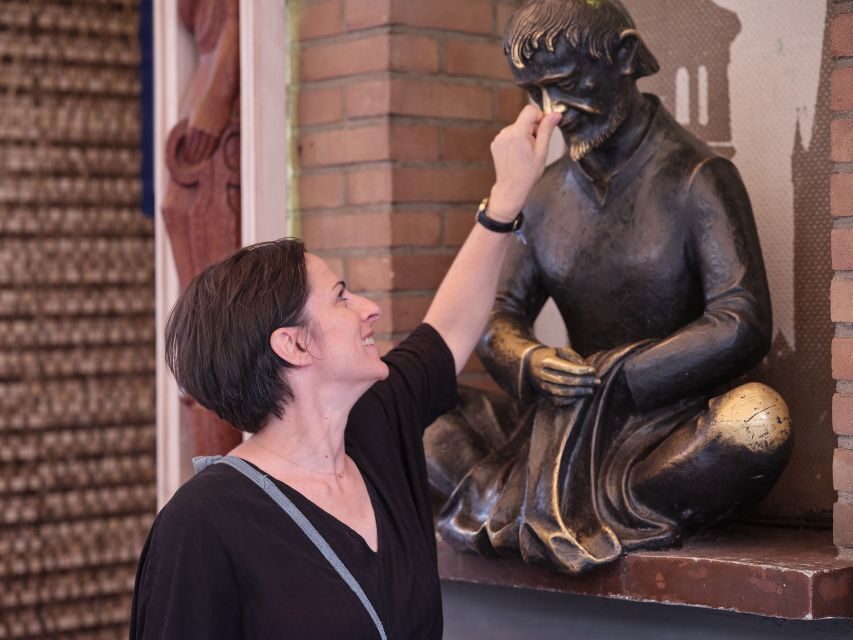
Burgplatz is a key square on the route, and it’s where the Schlossturm becomes important. The guide frames it as the only remnant of a castle built in the 16th century that was later demolished after a fire in the 19th century.
Standing near the tower, it clicks: this isn’t just “a pretty tower.” It’s the leftover footprint of a much larger place that’s gone. That context turns the space into something more than a photo spot. You start reading it as historical layering—built, lost, rebuilt, and remembered in fragments.
If you like city history that’s tangible, this stop is a highlight. It shows you how Düsseldorf’s past survives in the present even when major structures don’t.
The Maritime Museum: free entry you can actually use
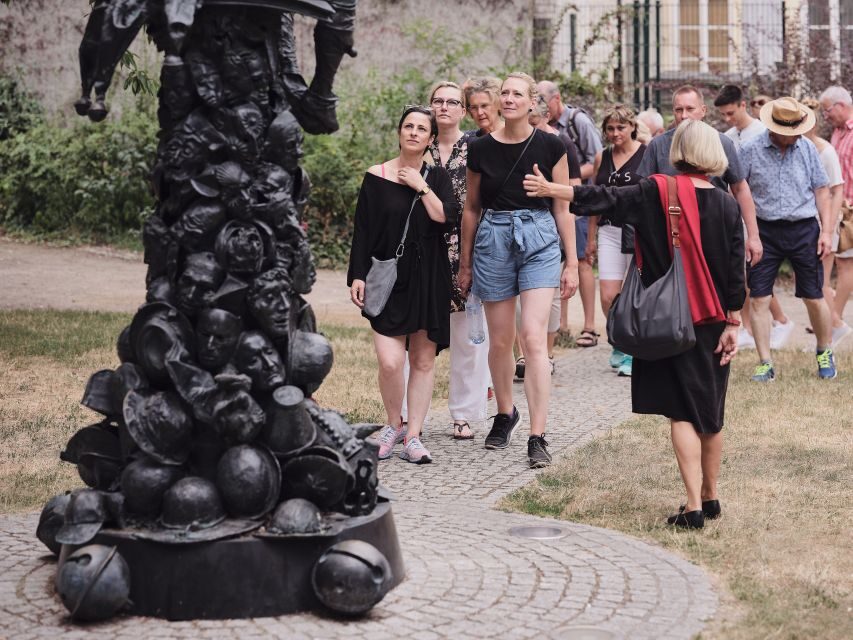
Here’s a strong value point: your tour ticket includes free entrance to the Maritime Museum. The stop near Schlossturm links directly to the museum, which has housed the oldest inland navigation museum in Germany since 1984.
This matters because it gives you a built-in extension. The guided walk ends at a natural point, then you can step indoors and keep the theme going. If you’re traveling with kids, curious adults, or you just want a change from street-level walking, this option is practical.
How to plan it: give yourself some breathing room after the walk. Don’t treat the museum as a quick glance unless that’s your style. Even a partial visit can help connect the dots between Düsseldorf’s historic city center and its relationship to the Rhine and inland navigation.
Rhine Promenade views: skyline + Oberkassel from the embankment
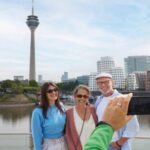
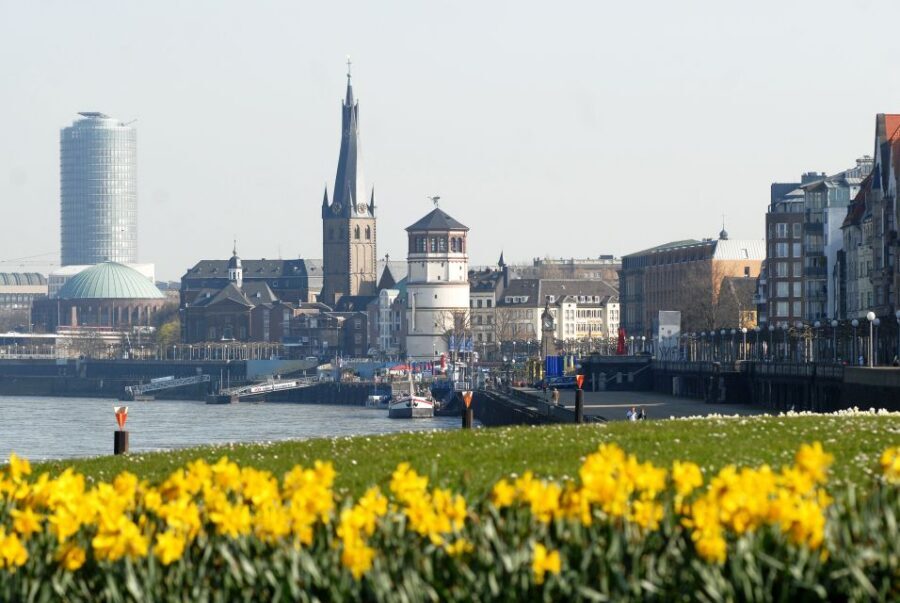
After Burgplatz, it’s a short walk to the Rhine embankment Promenade. This is where you get panoramic views of Düsseldorf’s skyline and the Rhine banks in Oberkassel.
In a 1.5–2 hour tour, this kind of viewpoint stop is smart. It resets your eyes and gives you scale. You go from local landmarks—towers, statues, squares—to the wider city picture shaped by the river.
If you want the best photos, time your viewing for natural light and take a minute to pick your angle before snapping. Even when you’re not a “photo person,” it’s worth pausing here for one slow look. The Rhine changes how the whole city reads.
Price and value: $222 per group up to 10
The price is $222 per group up to 10, for a duration of 1.5–2 hours. That pricing can be a win if you’re traveling in a small group, because you’re paying for a guided experience rather than a per-person sightseeing fee.
You also get two forms of value bundled together: guided storytelling plus free Maritime Museum entry the same day. Museum time can otherwise turn into a separate add-on cost, so including it inside the tour equation makes the math easier.
If you’re traveling solo, you’ll want to compare options (shared vs private) when you book. The key question isn’t just what the total cost is, but how much attention you get for your time in Altstadt. With a short duration, the guide’s structure matters.
Who should book this Düsseldorf Altstadt guided tour
I’d book this if you want an organized first look at Altstadt that still feels grounded in real places. It’s especially a good fit if you care about:
- church architecture details (like the twisted tower at St. Lambertus)
- cultural names tied to Düsseldorf (Heinrich Heine and tailor Wibbel)
- understanding monuments (Jan Wellem’s Rider)
- mixing outdoor walking with a meaningful indoor option (Maritime Museum)
It’s also a nice choice when your schedule is tight. If you only have a couple hours to “do Düsseldorf,” this gives you highlights with enough context to make the city feel less random.
If you hate walking, take that seriously. This is still a walking tour, so plan accordingly and don’t treat it like a drive-by city hit.
Final verdict: book it if you like meaning with your sightseeing
Should you book? If you want Altstadt in story form—bars and streets plus the reasons behind the big landmarks—this tour is a strong pick. The best part is the pairing: a guided walk that sets the stage, plus free Maritime Museum entry so you can continue the theme later the same day.
If you prefer unguided wandering and want to spend extra time in one place, you might find the 1.5–2 hour window a bit limiting. But for most people, it’s the right length to learn quickly and still have time to explore on your own right after.
FAQ
FAQ
How long is the Düsseldorf Altstadt guided tour?
The tour lasts about 1.5 to 2 hours.
Where do I meet the guide?
Meet your guide at the Tourist-Information Visit Düsseldorf, Rheintraße 3.
What languages are offered for the tour?
The guide runs in German and English.
Is this a shared tour or can it be private?
Shared or private walking tour is available depending on the option you select, and private group tours are offered.
What major sights will the guide cover?
You’ll learn about Düsseldorf’s Altstadt and its bar culture, hear stories connected to St. Lambertus Church, the Rider statue of Jan Wellem, Heinrich Heine’s birthplace, tailor Wibbel, and the Burgplatz area with the Schlossturm.
Is the Maritime Museum included?
Yes. Your ticket includes entry to the Maritime Museum, with free entry.
Where does the tour end with views?
From the Burgplatz area you’ll reach the Rhine Promenade for panoramic views of Düsseldorf’s skyline and the Oberkassel Rhine banks.
Can I cancel and get a full refund?
Free cancellation is available up to 24 hours in advance for a full refund.
Can I reserve now and pay later?
Yes. You can reserve now & pay later.