REVIEW · BERLIN
Berlin’s Gallery Scene
Book on Viator →Operated by Insight Cities · Bookable on Viator
Berlin’s art doors open fast on this walk. In just 3 hours, you move through multiple galleries in and around Mitte, with an art historian explaining why Berlin’s scene exploded after 1989. You get a small-group feel, so the talk stays sharp and relevant to what you’re actually seeing.
I especially like the mix of big-name contemporary institutions and smaller exhibition spaces, including KW Institute for Contemporary Art. I also like the guided historical context—how the guide connects the buildings, the artists, and the changing art mood of the city rather than treating everything like separate photo ops.
One caution: part of the tour can cost extra, since KW (and one other stop) charges admission that isn’t included. Also, the route can shift a bit depending on which shows are running and major events.
In This Review
- Key Things To Know Before You Go
- Berlin’s Gallery Scene Feels Like a Citywide Conversation
- 3 Hours, Up To 10 People, and a Route That Walks (Well)
- Stop 1: KW Institute for Contemporary Art and Its No-Collection Philosophy
- Stop 2: Michael Fuchs Galerie on Auguststraße (A Building With a Past)
- Stop 3: Esther Schipper on Potsdamer Straße (Contemporary Art, Central Location)
- Stop 4: Galerie Eigen & Art in a Former School Building
- Stop 5: Galerie Giti Nourbakhsch and the Berlin Gallery Weekend Link
- What You Gain From an Art Historian Guide (Not Just a Walking Script)
- How the $330 Per Group Price Works (And Who It’s Best For)
- Tuesday Reality: KW Is Closed, So the Tour Changes Shape
- Practical Tips So You Get the Most Out of the Galleries
- Should You Book This Berlin Gallery Tour?
- FAQ
- How long is the Berlin gallery scene tour?
- What does it cost?
- Is it a private tour?
- Who leads the tour?
- Are gallery entrance tickets included?
- What is the KW Institute admission fee?
- Is pickup available, and where do we meet?
- What ticket do I use?
- Is the itinerary the same every day?
- What happens if I book on a Tuesday?
- What is the cancellation policy?
Key Things To Know Before You Go
- Art historian-led walking tour focused on real connections between art and Berlin’s post-Wall growth
- KW Institute for Contemporary Art is a highlight, but admission is extra
- Several galleries you’ll visit are free to enter, including stops on Auguststraße and Potsdamer Straße
- The tour runs in and around Mitte, a good way to orient yourself fast in the center
- Tuesday special case: KW is closed, so you’ll do only the walking portion that day
Berlin’s Gallery Scene Feels Like a Citywide Conversation
Berlin art doesn’t sit still. It changes with the city. That’s what makes this kind of gallery tour so satisfying: you’re not just looking at art objects—you’re watching a living culture form, reshape, and argue with itself in real time.
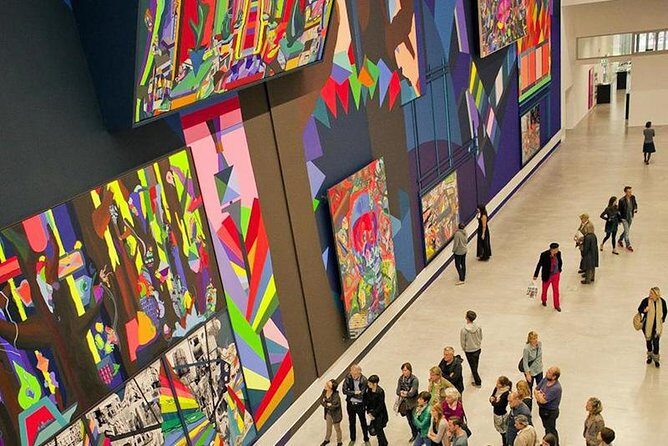
This experience uses Mitte and the surrounding gallery corridor as the classroom. After the fall of the Wall, Berlin became a magnet for artists, collectors, and cultural experiments. The result is a scene that still feels restless—in the good way. You’ll see contemporary work, but you’ll also get help placing it against the forces that shaped Berlin over the last 25 years: new spaces, changing audiences, and a constant push to redefine what contemporary art can be.
You can also read our reviews of more museum experiences in Berlin

3 Hours, Up To 10 People, and a Route That Walks (Well)
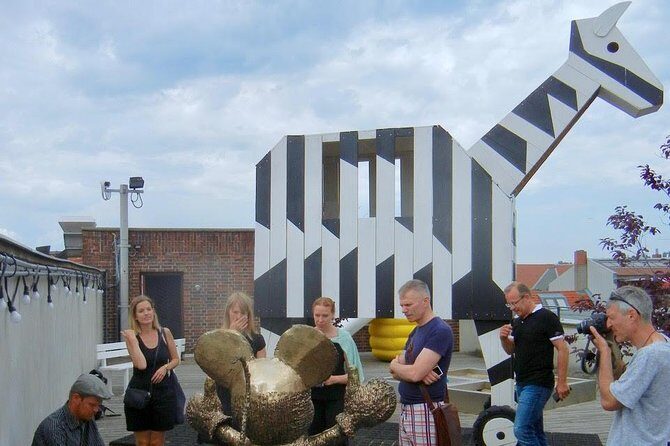
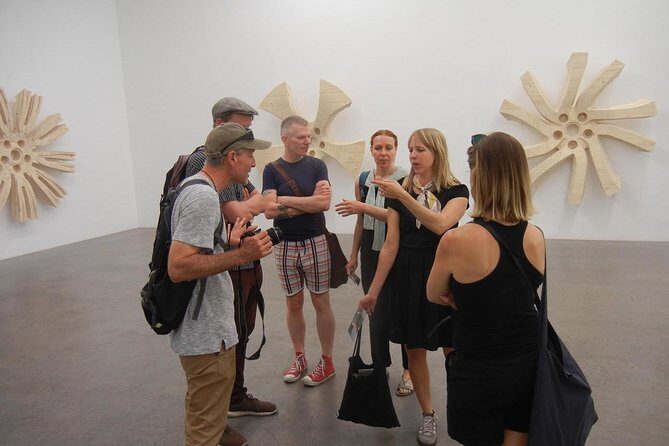
You’re paying for a guided, private format. The price is $330 per group (up to 10), so it’s designed for small groups rather than big bus-tour crowds. That matters because gallery talk needs pacing. People usually want time to stand, look, and ask questions—especially when the guide is explaining what you’re seeing and why it matters.
The duration is about 3 hours, and it’s primarily a walking route through central neighborhoods. You’ll want comfortable shoes. Berlin sidewalks are generally good, but gallery districts mean lots of short transitions and a few stair-and-door moments, depending on the buildings.
You’ll also get a mobile ticket, and there’s pickup offered. The meeting point is Schöneberger Ufer 65 (10785), near public transportation, which is handy if you’re staying in central Berlin and don’t want to plan a complicated arrival.
Stop 1: KW Institute for Contemporary Art and Its No-Collection Philosophy
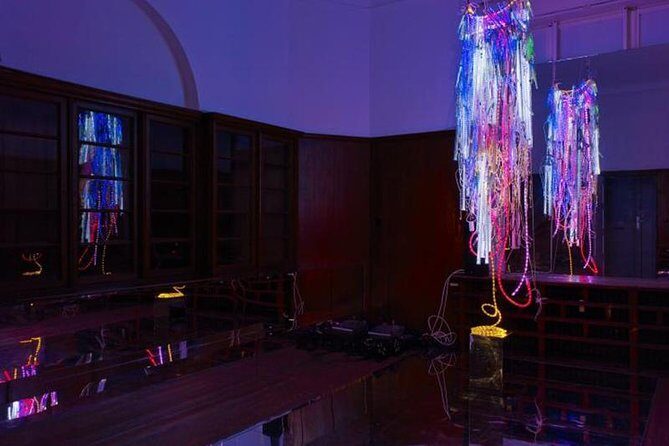
Your first major stop is KW Institute for Contemporary Art. This place has a particular mindset that’s worth understanding before you walk in: KW has no collection of its own. Instead, it treats the institution like a laboratory for exhibitions, artist ateliers, and current events in contemporary culture.
That changes how you should approach what you see. Without a fixed collection, you’re basically experiencing KW as a curated moment—what’s urgent right now, what artists are testing, what themes are being debated. Even if you’re not an art superfan, this framing helps you avoid the common frustration of, I don’t know what I’m supposed to care about. The guide’s job is to point you toward what the exhibition is doing and how it connects to Berlin’s wider creative momentum.
Timing here is 40 minutes. Admission is not included—it’s listed as €10 for adults and €6 for seniors/students. If you’re budgeting, treat this as the one predictable paid stop.
Stop 2: Michael Fuchs Galerie on Auguststraße (A Building With a Past)
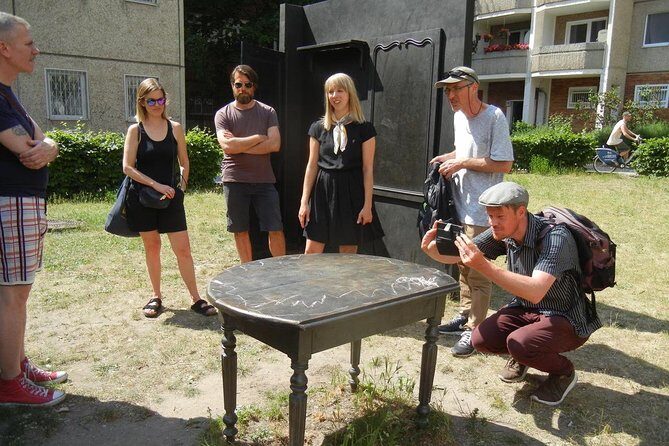
Next you head to Auguststraße and Michael Fuchs Galerie. This gallery shows contemporary art alongside classical modernist works, which is a fun pairing if you like seeing how styles and ideas evolve rather than switching topics every 10 minutes.
The building is especially interesting. The gallery operates in the former assembly hall and classrooms of the former Jewish Girl’s School in Berlin. That kind of architecture adds weight to the viewing experience—because you’re not just stepping into a white cube. You’re stepping into a site with history, and the guide can help connect that to how museums and galleries function in Berlin.
Time at this stop is 30 minutes, and entry is free. That makes it a strong value stop in the itinerary.
Stop 3: Esther Schipper on Potsdamer Straße (Contemporary Art, Central Location)
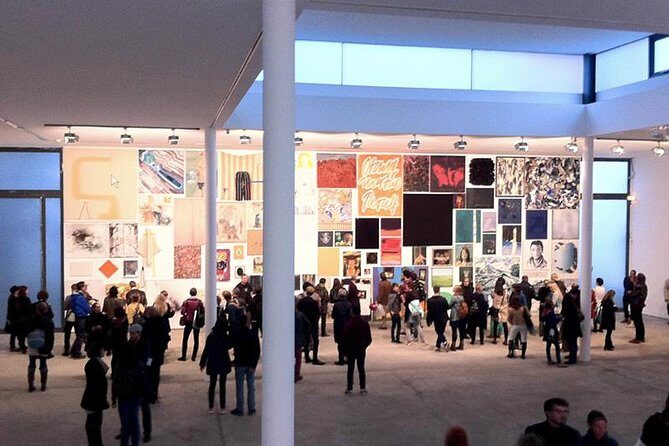
Then it’s Potsdamer Straße for Esther Schipper, a contemporary art gallery based on that street. This is one of those places that works well as a breather after KW: same energy, but a different scale and feel, depending on what’s on view.
You’ll have about 20 minutes here, and entry is free. With a short stop like this, I like to use the time to narrow in on one idea—one artist, one series, one visual technique—rather than trying to absorb everything. A good guide helps you do exactly that by pointing out what to notice.





Stop 4: Galerie Eigen & Art in a Former School Building
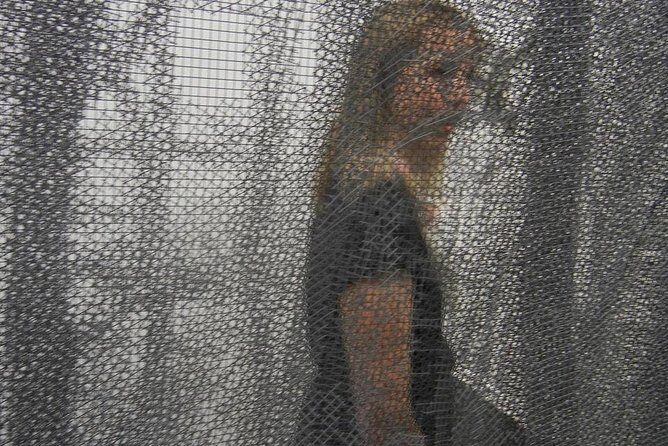
Your next stop is Galerie Eigen & Art. It’s also housed in a former school, and that detail matters. A school building has different vibes than a modern gallery space—it carries a sense of learning and transformation.
Here, the focus is temporary exhibitions of international contemporary artists. The 20-minute window is short, so you’ll probably see less than you wish you could. But the upside is that this part of the tour trains you to look efficiently: you don’t need to read every label to understand what the show is trying to communicate.
Entry is free and the stop is about 20 minutes.
Stop 5: Galerie Giti Nourbakhsch and the Berlin Gallery Weekend Link
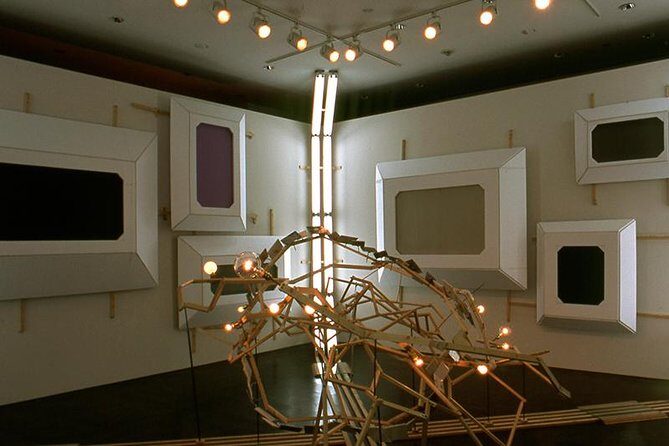
Last is Galerie Giti Nourbakhsch. The listing notes that the gallery district around Potsdamer Platz helped make this area a hub, and it also flags that Giti Nourbakhsh is a founding member of Berlin Gallery Weekend.
That connection is useful because it situates the gallery scene within an event-based culture. Berlin isn’t only about permanent institutions; it’s also about cycles—weekends, special exhibitions, and moments when the city’s art network becomes more visible to outsiders.
Time at this stop is 20 minutes, and admission is listed as not included. So, depending on the day’s programming, your ticket costs might be mostly about KW plus this last stop.
What You Gain From an Art Historian Guide (Not Just a Walking Script)
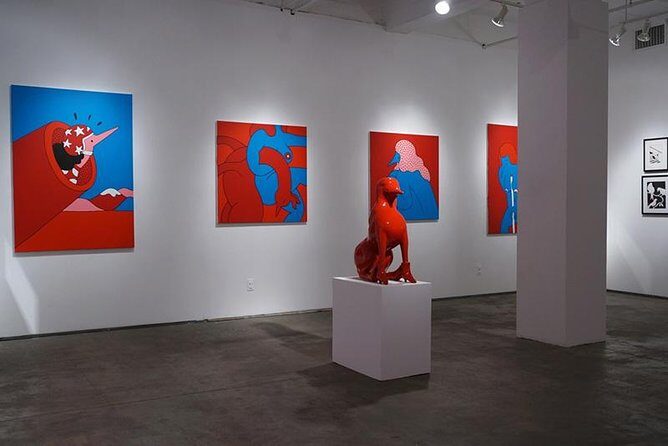
A big reason this tour lands at the top end of the ratings is the guide. The experience is led by a professional art historian, and that changes the vibe fast. Instead of a checklist of facts, you get explanations that make the visual details click.
Two names show up in the guide feedback: Justin and Laureline. Justin’s style (as reflected in real tour feedback) is to connect a broad range of galleries with depth—linking local artists with iconic German painters, and adding extra highlights in the New Museum area as part of the bigger story. Laureline is praised for clearly prepared insights and a passionate approach that makes space for reflection. In one account, she also used the historic center of former East Berlin buildings as part of the narrative, including moments where you look up as well as around.
Even if your guide’s delivery differs, you can expect the same core value: you’ll learn how and why Berlin became a hot spot for creativity after 1989, and you’ll watch the guide translate contemporary art choices into understandable motivations.
How the $330 Per Group Price Works (And Who It’s Best For)
Let’s talk value without wishful thinking. $330 per group up to 10 means you’re not paying per person in the way some tours do. If you’re traveling with friends or family and you can fill the group, this can be a very cost-effective way to get expert attention.
If you’re going solo, this setup can still make sense if you split costs with a small group—but it’s not the kind of tour that’s built as a low-cost individual ticket. The main thing you’re buying is:
- guided expert interpretation,
- access to multiple galleries in a short time,
- and a private group experience rather than a crowded lineup.
Also, remember the one or two paid entries. KW Institute costs extra, and Galerie Giti Nourbakhsch is listed as ticketed. If you’re counting euros carefully, do the math before you go.
Tuesday Reality: KW Is Closed, So the Tour Changes Shape
Berlin loves schedules, and this one has a clear rule for Tuesdays: KW Institute for Contemporary Art is closed on Tuesday. The tour will still operate, but only the walking portion is done that day.
So if you want the full stop sequence including KW, aim for a non-Tuesday date. If you do go on Tuesday, don’t treat it as a disappointment. It still gives you a structured walk through the Mitte and Potsdamer Straße area, just without the KW interior visit.
Practical Tips So You Get the Most Out of the Galleries
Because the stops move quickly, you’ll get more out of the tour if you go in with a simple goal. Pick one theme you care about: political art, new media, painting versus installation, or how the building’s history changes what you feel standing in front of the work.
Also, keep your expectations matched to the format. This isn’t a slow museum day where you can spend two hours on one room. It’s a focused route where the guide helps you choose what to notice during a short visit.
And since pickup is offered and the meeting point is in a central transit area, plan to arrive a few minutes early so the group can start on time.
Should You Book This Berlin Gallery Tour?
Book it if you want an efficient way to understand Berlin’s post-Wall art story and you enjoy seeing multiple gallery spaces close together. This is also a great pick when you want interpretation, not just entry tickets—because the art historian guide is clearly the main ingredient.
Skip it (or double-check expectations) if you’re mainly chasing only famous masterpieces and long museum stays. This tour is about contemporary culture, gallery context, and guided looking in real exhibition spaces, so it rewards curiosity more than checklists.
If you’re visiting Mitte and Potsdamer Straße anyway, this format helps you turn that time into something smarter. You’ll leave with clearer ideas about why Berlin’s gallery scene grew so fast—and how to keep seeing it after the tour ends.
FAQ
How long is the Berlin gallery scene tour?
It lasts about 3 hours.
What does it cost?
The price is $330 per group, up to 10 people.
Is it a private tour?
Yes. It’s a private tour/activity where only your group participates.
Who leads the tour?
A professional art historian guide leads the experience.
Are gallery entrance tickets included?
Not fully. KW Institute for Contemporary Art has an admission fee that is not included, and Galerie Giti Nourbakhsch also lists admission as not included. The other stops (Auguststraße/Michael Fuchs Galerie, Esther Schipper, and Galerie Eigen & Art) are listed as free.
What is the KW Institute admission fee?
It’s listed as €10 for adults and €6 for seniors/students.
Is pickup available, and where do we meet?
Pickup is offered, and the listed meeting point is Schöneberger Ufer 65, 10785 Berlin. It’s near public transportation.
What ticket do I use?
You’ll use a mobile ticket.
Is the itinerary the same every day?
The itinerary can change based on the current gallery shows and major art events.
What happens if I book on a Tuesday?
KW Institute for Contemporary Art is closed on Tuesday. The tour will operate the walking portion only that day.
What is the cancellation policy?
You can cancel for a full refund if you cancel at least 24 hours before the experience starts. Changes within 24 hours aren’t accepted.