REVIEW · BERLIN
Berlin Wall: Small Group Guided Tour
Book on GetYourGuide →Operated by BBT-Sightseeing & More · Bookable on GetYourGuide
Berlin’s wall still has a heartbeat. In this small-group tour (up to 12 people), I like that you can ask the guide questions as you walk, and I love that each stop is tied to people’s stories—from families separated by the wall to the day East and West finally met at Bornholmer Straße.
You’ll see where the city was split for decades, then watch how Berlin chose to rebuild around that scar. One thing to consider: this is an outdoors walking tour and it runs in all weathers, so plan for cold or wet conditions even if you get a rain poncho.
In This Review
- Key Points I’d Put at the Top
- Starting at Berlin Bike Tours: Get Your Bearings Fast
- Bornholmer Straße: Where the Wall Story Turns Human
- Walking the Former Death Strip: The Places You Don’t Notice
- Cherry Trees Along the Wall Line: A Weird Detail That Sticks
- Ulbrichtkurve: Where the Border Geometry Becomes Real
- Schwedter Steg Bridge and Mauerpark: From Watchpoints to Weekend Life
- Wall Memorials and Nordbahnhof: Ending at the Ghost Station
- Coffee Breaks, Weather, and the Walking Pace Reality Check
- Gleim Tunnel: When the Wall Meets an Annual Party
- Price and Value for a 2.5-Hour Berlin Wall Walk
- Who This Tour Fits Best (and Who Should Consider Another Option)
- Should You Book This Berlin Wall Tour?
- FAQ
- Is this tour 2.5 hours long?
- What is the group size for this Berlin Wall guided tour?
- Where do I meet the guide?
- What’s the language of the live guide?
- Does the tour run in bad weather?
- What is included in the price?
- Is food or drink included?
- Where does the tour end?
- What if there are too few participants?
- Can I get a refund if I cancel?
Key Points I’d Put at the Top
- Bornholmer Straße: the border-crossing tied to the wall’s fall and reunification
- Former death strip: the ground-level details that are easy to miss on your own
- Cherry trees: a strange, specific feature that turns the wall line into a memory garden
- Ulbrichtkurve: a famous bend in the route where you can feel how patrols worked
- Schwedter Steg Bridge near Mauerpark: from border crossing to today’s public space
- Gleim Tunnel: a place with an annual party tradition
Starting at Berlin Bike Tours: Get Your Bearings Fast
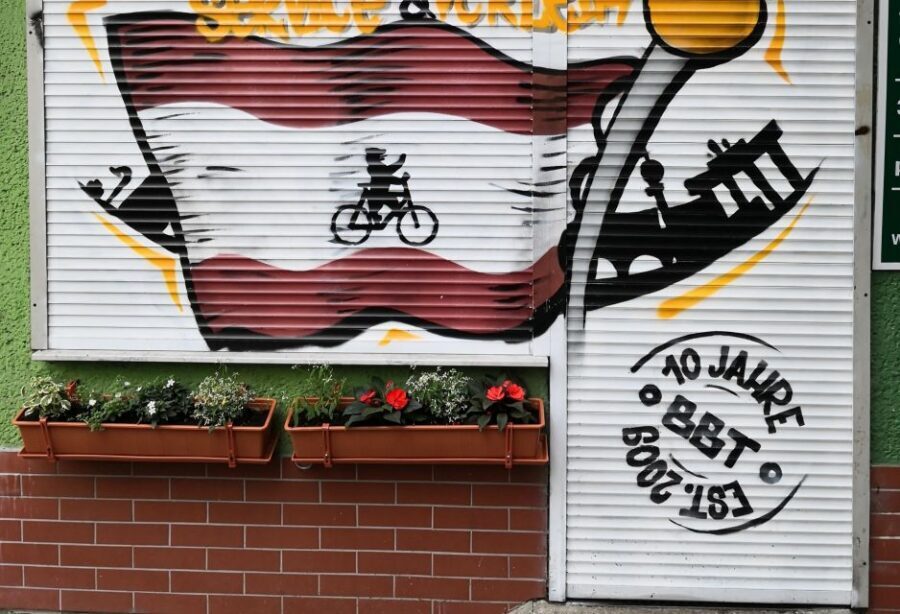
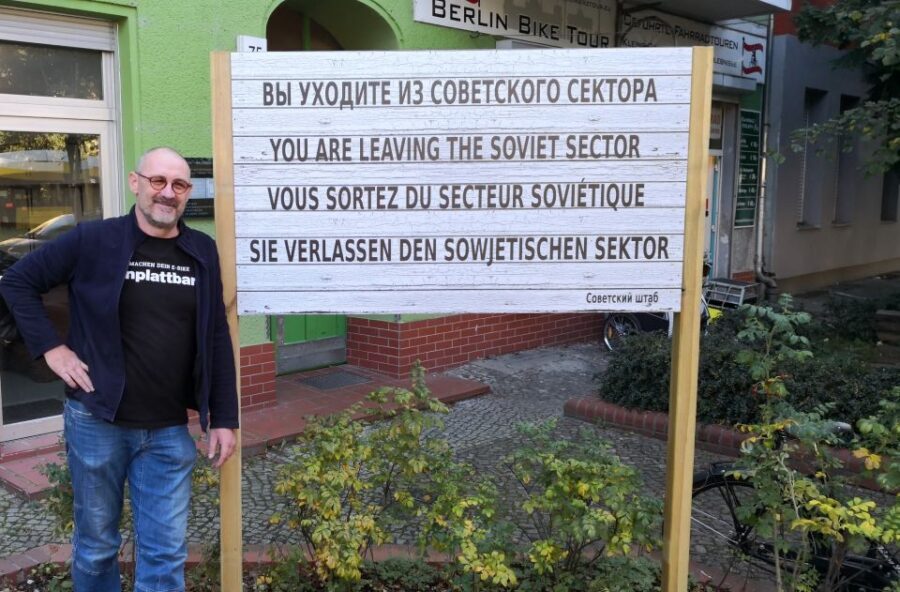
Most Berlin Wall tours start with a big photo moment. This one starts in a more practical way: you meet your guide at the Berlin Bike Tours office, then set out on foot with the group kept small. That matters because the wall isn’t one straight line you can “see” like a fence. It’s more like a system—routes, checkpoints, watch areas, and the spaces between.
The starting area is close to multiple transit options, which makes it easy to build the tour into your day. If you’re coming by tram, you’re about a minute on foot from Björnsonstraße. If you’re using the S-Bahn, Bornholmer Straße is about two minutes away, which is handy if you’re staying anywhere in the north or central area.
You can also read our reviews of more guided tours in Berlin



Bornholmer Straße: Where the Wall Story Turns Human
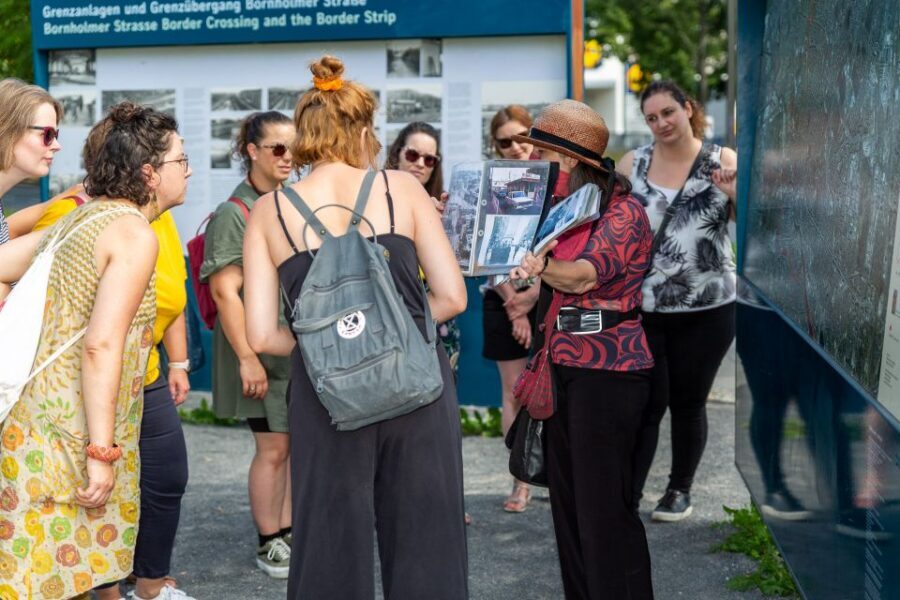
Bornholmer Straße is where the tour sets its emotional tone. This crossing was a meeting place for East and West before the wall became fully sealed, and it’s also closely tied to that landmark day when people on both sides could finally reunite. As you stand in this area, it helps to think beyond dates. You’re looking at a place where lives collided—then, suddenly, lives reunited.
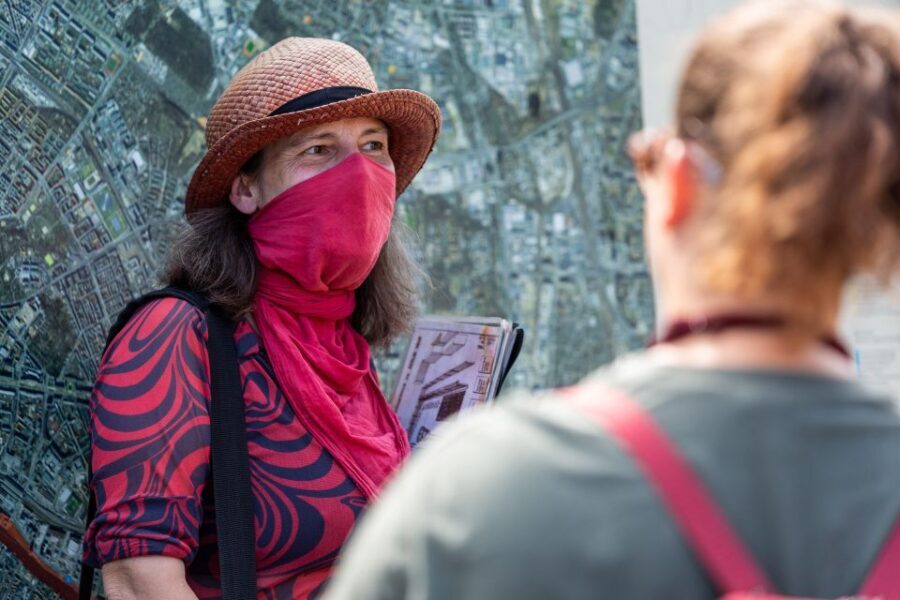
One reason I like this stop is that it avoids wall trivia. Your guide frames it as a lived experience: families, neighbors, and ordinary people who had to calculate every movement in a divided city. And because the group is small, you can ask the obvious questions—like how people actually navigated the border day to day—without feeling rushed.
If you’re the type who enjoys hearing firsthand context, you’re likely to appreciate how guides on this walk sometimes bring personal perspectives. One guide named Marcus, for example, shared his own experiences of living when the wall was up, and that kind of detail makes the history feel less like a textbook.
Walking the Former Death Strip: The Places You Don’t Notice
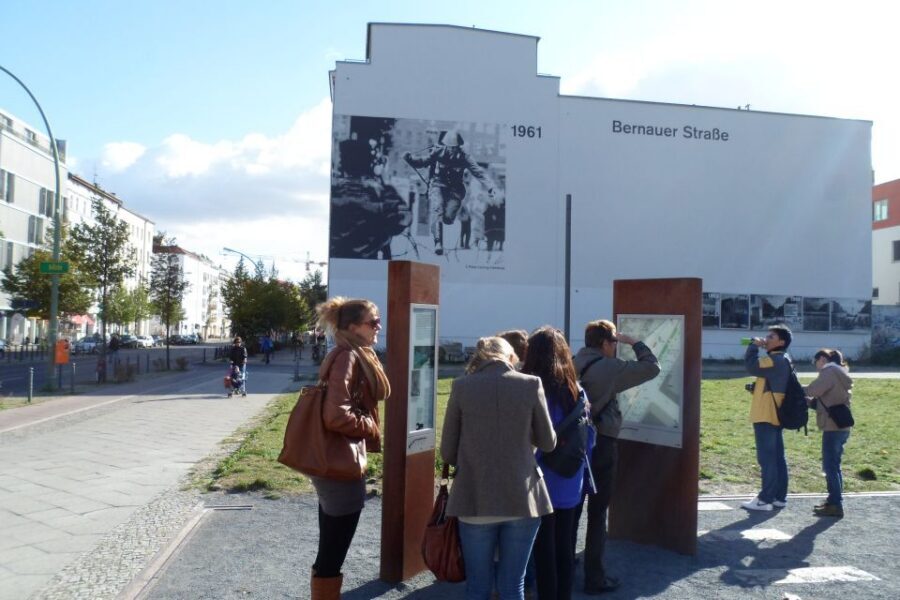
After Bornholmer Straße, the route shifts into the parts that are hard to spot without guidance. The “death strip” is one of those phrases that sounds dramatic until you see how it worked in real space. It wasn’t just a wall. It was an area shaped for control and surveillance, where visibility and movement mattered.
This is where a guided walk earns its keep. Traces of the wall can be subtle—sometimes only detectable if someone points out what you’re looking for. As you walk, your guide explains how historians document remaining evidence and what certain marks or alignments indicate. You’re not just seeing locations; you’re learning how to read them.
A drawback to know in advance: the most important information here is “technical but human.” If you only want big monuments and cinematic views, you may find yourself wishing for more wide-open scenery. But if you like understanding how something functioned, this section is a standout.
Cherry Trees Along the Wall Line: A Weird Detail That Sticks
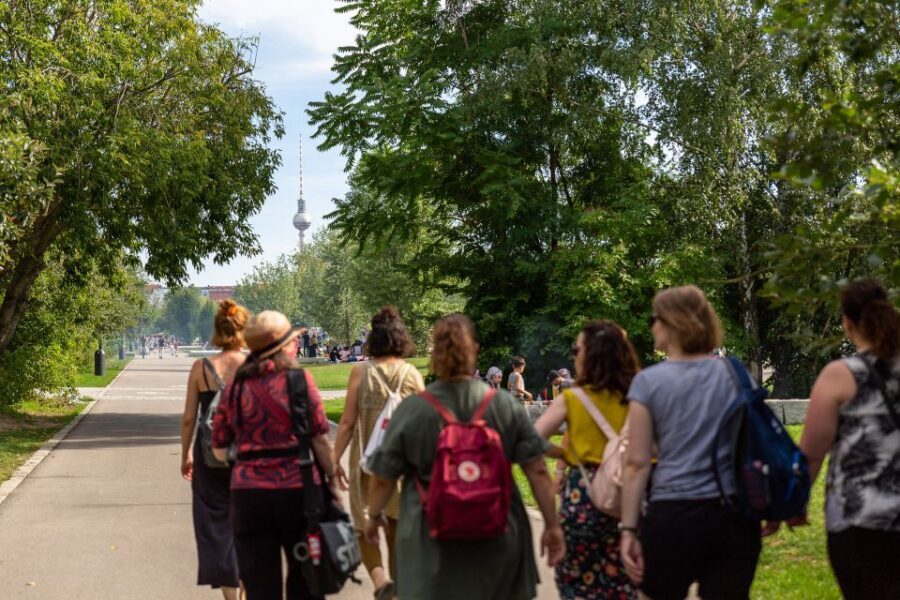
The tour includes one of Berlin Wall’s most specific and memorable features: the cherry trees that grew along the length of the wall. These trees can sound like a minor sidebar until you think about what they represent. They’re nature taking over a place designed for strict separation.
Your guide connects the cherry trees to the broader story of the wall by explaining their unusual history and why they ended up where they did. That’s the kind of detail that changes how you perceive a city after the fact. It’s easy to remember walls as gray and rigid. The cherry trees remind you that life kept finding ways in—sometimes in unexpected forms.
This is also where the pace feels just right for photos. You can stop, look at the alignment, and take in how the city’s present connects to what used to be a controlled border zone. The trees don’t replace the history, but they add a layer of meaning.
Ulbrichtkurve: Where the Border Geometry Becomes Real
You’ll also walk over and along the well-known Ulbrichtkurve. Even if you’ve seen the name before, you’ll likely understand it better on your feet. This is one of those locations where the wall story isn’t abstract. The geometry of the route—the bend, the viewpoints, the way space funnels movement—helps explain how enforcement worked.
What I appreciate here is the guide’s ability to turn layout into explanation. You start noticing how the city is built in “lines and angles,” not just streets and buildings. And when a guide talks about the wall’s mechanics, the past suddenly makes spatial sense.
If you want to get extra value here, ask about what changed after reunification. Guides on this kind of tour often connect these curves and corridors to what’s still visible today and what has been erased. That gives you a smarter walking map for the rest of Berlin.





Schwedter Steg Bridge and Mauerpark: From Watchpoints to Weekend Life
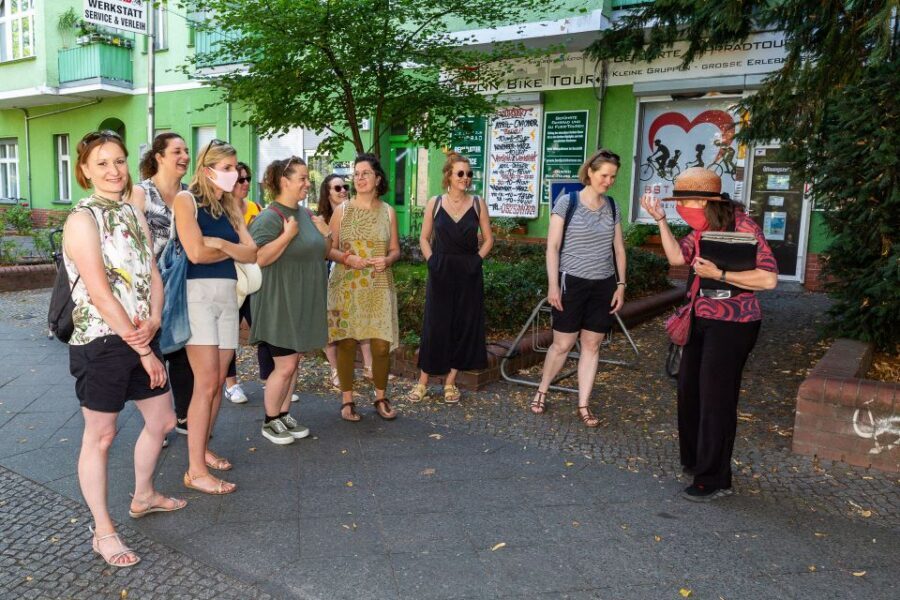
Next, the tour heads toward the Schwedter Steg Bridge near Mauerpark. Today, Mauerpark is one of Berlin’s livelier social and cultural areas, and this location is a powerful “then and now” contrast. Standing near the bridge, it’s hard not to think about how the same physical space can switch roles—from border-control geography to public gathering space.
This segment works well if you like grounding history in everyday modern scenes. You can look toward what’s now a park environment and imagine the restrictions that once defined this neighborhood. The guide helps you connect the dots without making it feel like a theme park version of history.
If you’re a planner, this is also a smart spot to remember: Mauerpark is the kind of place you might want to revisit later after your tour. After walking segments tied to surveillance and division, you’ll probably appreciate having a nearby area where Berliners just live their day.
Wall Memorials and Nordbahnhof: Ending at the Ghost Station
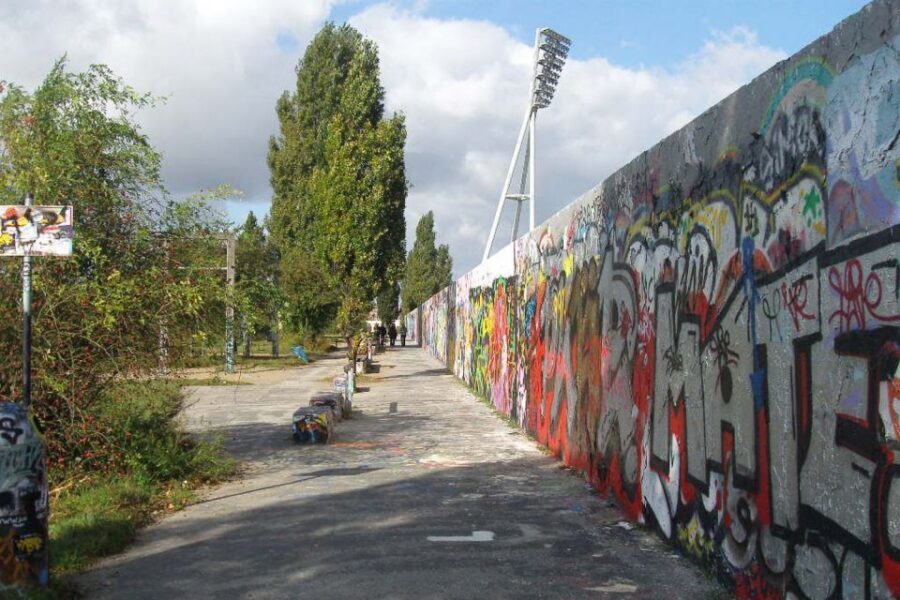
The tour doesn’t stop at the most famous stretches. You’ll also visit wall memorials, and then you move toward Nordbahnhof, a former ghost station. The idea of a ghost station can sound spooky on paper, but on the ground it becomes a reminder that division wasn’t only visible at street level. It affected transit, daily routine, and the rhythm of the city.
Nordbahnhof is a strong finish for a wall walk because it shifts the focus from checkpoints to infrastructure. A border doesn’t just block people—it rearranges what’s possible. You’ll end back where you began, which makes the day feel easy to manage. You don’t have to worry about lining up complicated transport to get out of the route.
One practical note: the tour length is about 2.5 hours. That’s long enough to feel like you’ve made real progress along the wall, but short enough that you won’t feel trapped doing history all day.
Coffee Breaks, Weather, and the Walking Pace Reality Check
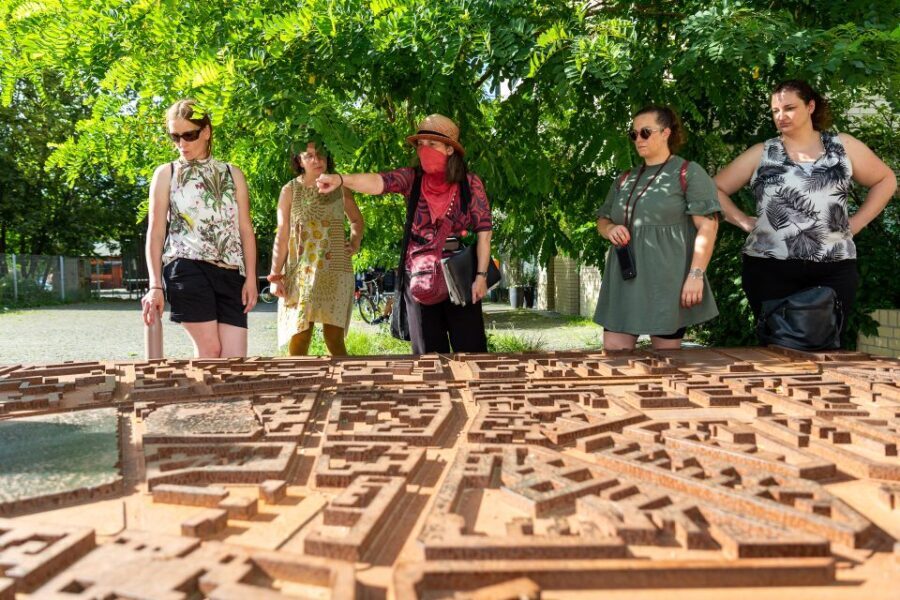
The tour includes time to relax over coffee along the way. That’s more than comfort—it’s when you can reflect on what you just learned. A wall walk can get intense, especially when your guide shares stories of families separated by the wall. A short pause helps you metabolize the information before you head to the next segment.
This is also a weather-based reality check. The tour runs in all weathers, and on rainy days rain ponchos are provided. If you travel with the right layers, this becomes no big deal. If you show up in thin shoes or forget a warm layer, you’ll feel it after a couple of stops.
Because the group size is small (maximum 12), the pace can adjust to questions and attention. That’s a benefit. It also means the walk may feel a touch more “guided” than “fixed-route sightseeing,” which is exactly what you want if you’re serious about understanding the wall.
Gleim Tunnel: When the Wall Meets an Annual Party
One of the most memorable highlights is the Gleim Tunnel. It’s the kind of stop that makes Berlin stand out: history isn’t only preserved—it’s re-used in ways that feel distinctly Berlin. The tour points you to the tunnel where a huge party takes place every year.
To be clear, you’re not touring a nightlife venue in the middle of the tour. You’re learning why the location matters and why the space has become part of a recurring tradition. In other words, you’re seeing how a place once tied to separation and control can later support community energy.
This is also a good moment to ask your guide how the city transformed after reunification. The best guides don’t treat the past like a museum display. They connect it to the present—without pretending the past wasn’t painful.
Price and Value for a 2.5-Hour Berlin Wall Walk
At $24 per person for a 2.5-hour guided walk, this tour is priced like a practical choice rather than a luxury experience. The value comes from three areas: the small group size, the guided interpretation of subtle wall traces, and the specific stops that many generic Wall tours don’t cover as well.
You’re getting:
- A live guide (German)
- Extras included
- A rain poncho if needed
Food and drink are not included, which is fair given the walking focus and the coffee break built into the route. If you’re the kind of person who needs a full meal before you walk, plan to eat beforehand. If you prefer light snacks, you’ll likely be fine with coffee during the tour plus whatever you grab afterward.
In a city full of free viewpoints, what you’re paying for is understanding. Walking a wall line on your own can be educational, sure. Having a guide translate what you’re seeing—and why it mattered—saves you time and makes the experience stick.
Who This Tour Fits Best (and Who Should Consider Another Option)
This is a great fit if you:
- Want a focused Berlin Wall route in just a few hours
- Like small groups and Q&A
- Care about human stories, not only landmarks
- Enjoy understanding how a system worked (not just what happened)
It may feel less ideal if you:
- Want mostly indoor stops or short sightseeing bursts
- Hate walking in cold or wet conditions (even with ponchos)
- Prefer food-and-drink-heavy tours with long pauses
If you’re traveling with teenagers, this style can work well too. One review mentioned a guide (Markos) keeping a 13-year-old interested the whole time, which tells me the storytelling approach lands when it’s done right.
Should You Book This Berlin Wall Tour?
Yes—if your goal is a clear, guided walk through major wall sections with enough time to understand what you’re seeing. The strongest reason to book is the interpretation: the guide helps you spot the subtle traces of the border era and connects them to real human stories. That turns a “walk past old places” into something that feels like you’re learning the city’s DNA.
Book it especially if you’re excited by names like Bornholmer Straße, Ulbrichtkurve, Schwedter Steg, and Gleim Tunnel. Those aren’t random stops. They’re points on the map where the wall’s logic becomes visible.
FAQ
Is this tour 2.5 hours long?
The duration is listed as 2.5 hours. Check availability to see starting times.
What is the group size for this Berlin Wall guided tour?
The tour is a small group experience with a maximum of 12 people.
Where do I meet the guide?
Meet your guide at the Berlin Bike Tours office.
What’s the language of the live guide?
The live tour guide language is German.
Does the tour run in bad weather?
Yes, it takes place in all weathers. Rain ponchos are provided if necessary.
What is included in the price?
The included items are the guide, extras, and a rain poncho if needed.
Is food or drink included?
No. Food and drink are not included.
Where does the tour end?
The tour ends back at the meeting point, with the route finishing at Nordbahnhof (a former ghost station).
What if there are too few participants?
A minimum number of 2 participants is required. If the minimum isn’t reached, the operator may cancel the tour at short notice.
Can I get a refund if I cancel?
Free cancellation is available up to 24 hours in advance for a full refund.