REVIEW · BERLIN
Berlin Street Art & Graffiti Walking Tour
Book on Viator →Operated by Original Berlin Walks · Bookable on Viator
Berlin street art reads like a secret newspaper. On this 3-hour walk, you get guided context for murals and graffiti you might miss on your own, with an English-speaking guide who connects the art to Berlin’s neighborhoods. You’ll also pick up a better eye for what to look for as you move.
I like two things a lot: the in-the-know storytelling (not just pointing at walls), and the chance to spot hidden murals with meaning behind them, plus how Berlin became a global canvas for artists from different places. One thing to consider: the experience is guide-led and discussion-heavy at each stop, so if you want nonstop wall-to-wall big pieces, you may want to keep an eye on pacing.
Quick planning note: a couple of the mural locations are marked subject to changes, so you might swap in a similar spot on the day. Still, the core idea stays the same: walk, look up and sideways, and learn how Berlin’s street art culture works.
In This Review
- Key things you’ll notice on this walk
- Street Art in Berlin: Why a Guided Walk Works Better Than Wandering
- Price and What You’re Paying For (and What You’re Not)
- Meeting Point and Getting There Smoothly
- Stop 1: Dircksenstraße and the Art of Looking Up
- Stop 2: Haus Schwarzenberg (When Locations Shift on Purpose)
- Stop 3: RAW Tempel in Friedrichshain and Berlin’s Street-Art Energy
- The Guides: The Real Value Is in the Stories
- What You’ll Learn to Do After the Tour
- Logistics That Matter (Without Killing Your Day)
- Who This Tour Is Best For
- Should You Book This Berlin Street Art & Graffiti Walk?
Key things you’ll notice on this walk
- A guide who explains what you’re seeing, not only where it is
- Hidden corners and short stops that keep the focus on the art
- Free admission at the listed mural locations, so you’re paying for the guide
- A mix of neighborhoods, including spots that feel less like pure tourist postcards
- A small group size (up to 25), which makes Q&A easier
Street Art in Berlin: Why a Guided Walk Works Better Than Wandering
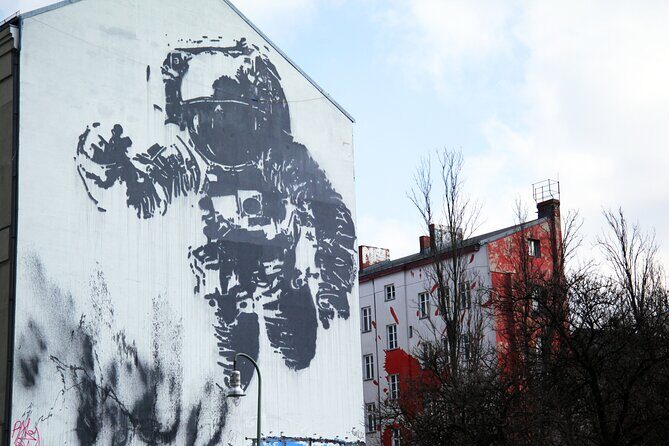
Berlin street art isn’t hard to find, but it’s easy to misunderstand. Walls can look random at first—tags, layers of paint, wheat-paste posters, big murals—but the scene has rules, timelines, and local pride. A good guide helps you decode those layers so you’re not just collecting photos. You’re learning how artists build reputation, borrow techniques, and react to the city.
What makes this tour feel practical is the structure: you’re walking through real neighborhoods and stopping in targeted spots for about 15 minutes each. That keeps the focus on looking closely. You also get the kind of context that changes your viewing angle—why a mural exists, what it’s responding to, and why some artists become local legends while others move fast in and out of the spotlight.
And yes, this is part street art and part art history in the way you actually want it on a walking tour—short stories tied to what you see. More than once, guides bring in cultural links too (including hip hop references), which fits Berlin’s long relationship with street creativity.
One more reason I like a guided approach here: Berlin’s street art scene includes artists from the city and beyond. The result is a city-wide conversation across languages and styles. When you learn that, the walls stop feeling like random decoration and start feeling like public dialogue.
You can also read our reviews of more walking tours in Berlin


Price and What You’re Paying For (and What You’re Not)
The tour costs $24.19 per person for about 3 hours. That’s not just paying for someone to walk you around. You’re paying for interpretation—someone who can point out the differences between a quick tag, a carefully planned mural, and the kind of layered work Berlin is famous for.
The good value angle: the listed mural stops show admission as free. So you’re not stacking museum ticket fees on top of the price. You’re paying primarily for the guide, the route, and the local context.
The only extra cost you might consider is transportation. Your train ticket isn’t included, and the tour notes Zone AB. If you’re using public transit, plan on having a ticket ready so you’re not scrambling mid-day.
Also, this tour tends to book ahead—on average about 22 days. That’s a sign the schedule is popular, and it can sell out when you leave your plan too late.
Meeting Point and Getting There Smoothly
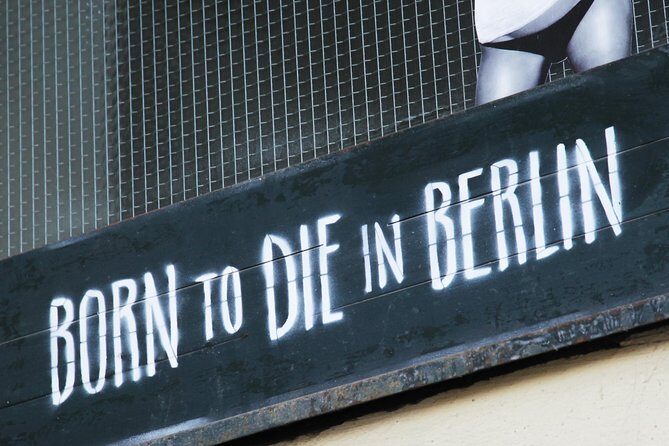
You meet at Neue Promenade 3, 10178 Berlin, starting at 12:00 pm. I like this start time for a street-art walk because you’re usually not battling early-morning rush crowds, and the light can be decent for photos if the weather behaves.
It’s also described as near public transportation, which matters because Berlin is spread out. If you’ve got limited time, you want to minimize transit friction so you can spend your energy on the walls.
Bring basics: comfy shoes for about three hours of city walking, and your camera or phone ready. If you care about photos, you’ll benefit from arriving with a charged battery and thinking about how you’ll shoot both wide murals and close-up details.
Stop 1: Dircksenstraße and the Art of Looking Up
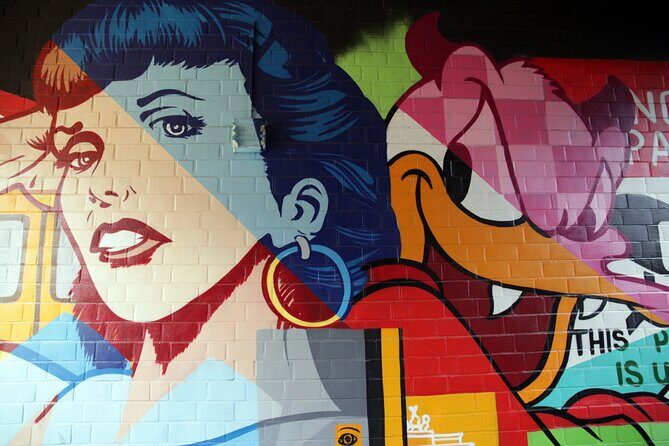
Your first stop is Dircksenstraße, where the theme is learning how to spot street art on “hidden corners” and then reading it like a message. This is a short stop (about 15 minutes), so it’s less about soaking in one huge wall and more about training your eye.
What you’re likely to take away here is viewing discipline. Berlin’s street art can reward scanning—up and down, left and right. A guide usually helps you notice layers: older paint under newer work, tags that establish territory, and how different artists use scale and location.
One practical benefit of starting this way: once you learn how to interpret one street scene, the rest of the walk makes more sense. It’s the difference between seeing art and understanding it.
Stop 2: Haus Schwarzenberg (When Locations Shift on Purpose)
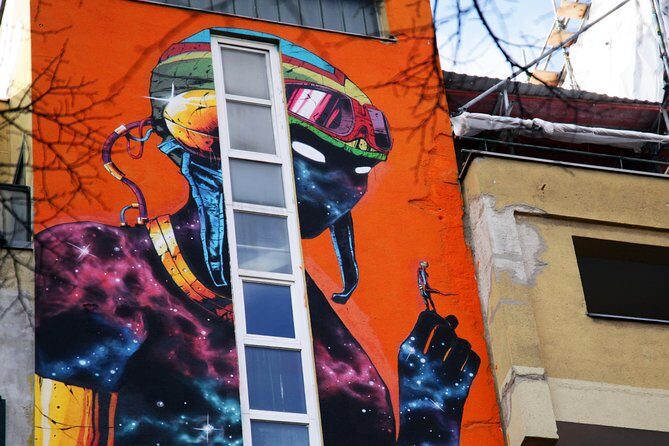
Next you head to Haus Schwarzenberg (noted as subject to changes), another 15-minute stop. Even when the exact location changes, the purpose is consistent: you’re meant to connect street art to Berlin’s cultural spaces and structures, not just random walls.
This is where you’ll likely hear stories that make the scene feel grounded. Berlin street art isn’t only about aesthetics; it’s also about place—who uses the wall, how the neighborhood receives it, and what artists want the city to notice.
Since the stop can change, don’t be surprised if your day’s version differs slightly. The tour is still designed around the same goal: you get guided viewing, quick context, and a clear link between the work and Berlin’s wider creative ecosystem.
A few more Berlin tours and experiences worth a look

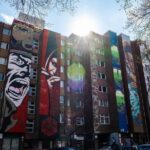



Stop 3: RAW Tempel in Friedrichshain and Berlin’s Street-Art Energy
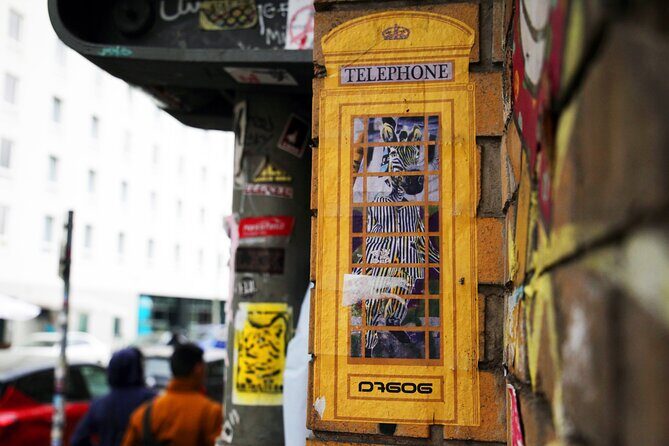
The final scheduled stop is RAW Tempel in the RAW area Friedrichshain (also subject to changes), again around 15 minutes. If Berlin has a neighborhood vibe that fits street art culture, Friedrichshain is often where people point first. RAW Tempel is known as a creative area, and you can feel that in how the walls act more like a public gallery than a random roadside backdrop.
This is the spot where the walk tends to shift from “learning how to see” to “seeing how big street art can get.” You’ll likely encounter different styles and approaches, including works that feel internationally influenced—Berlin has long welcomed artists from all over, and the city’s walls reflect that.
In the reviews, guides are praised for connecting these visuals to broader art-world context. That matters here, because RAW Tempel-type spaces can overwhelm you if you only look for the biggest mural. A good guide helps you look for technique, message, and layering, so you still come away with understanding, not just impressions.
The Guides: The Real Value Is in the Stories
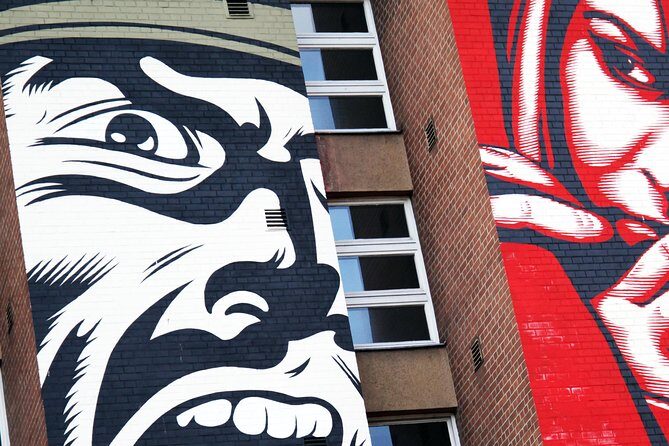
The biggest strength of this kind of walk is the guide. The tour’s reputation is high, and one theme comes up repeatedly: guides aren’t only directing foot traffic. They explain what you’re looking at and why it matters.
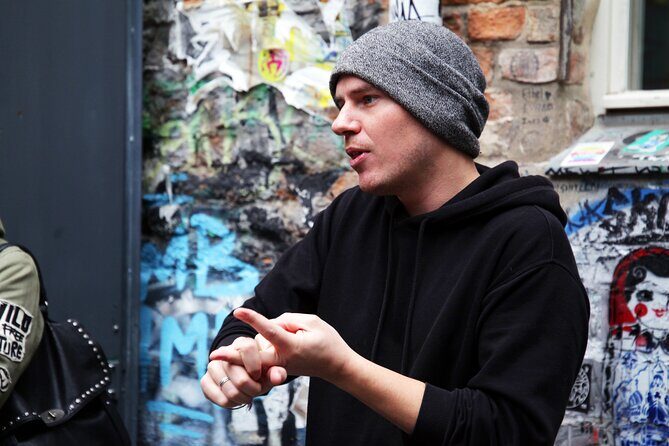
Different guide styles show up across the experience. Names mentioned in feedback include Ania, Amanda, Rona, Maike, and Martin—and each seems to bring a different emphasis. Some focus heavily on historical context and techniques. Others add city-culture threads that link street art to Berlin’s music scene and broader art conversations.
If you’re the type who loves questions, this tour format usually supports it well. A small group (up to 25) means you’re not shouting over a crowd.
One possible drawback you should keep in mind is pacing. A less satisfied comment described a slower focus on smaller images and leaving before reaching some of the larger mural moments. That doesn’t mean the tour is inherently slow every time, but it does suggest that the guide may spend longer on selected works rather than racing to the biggest pieces first. If you’re expecting a rapid-fire photo sprint, show up ready to slow down a bit and trust the guide’s selection.
What You’ll Learn to Do After the Tour
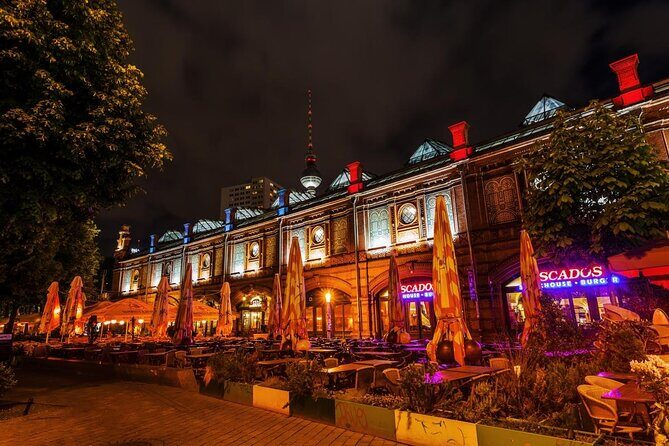
A street art tour should change your future walks in Berlin, not only give you a few pictures. Here’s what this experience is designed to teach you:
- How to scan a wall for layers, not just one image
- How to read context: neighborhood, technique, and artist intent
- How Berlin fits into a wider street art map, not only local names
- How to notice hidden murals and understand why they’re placed where they are
- How to ask better questions so future viewing feels richer
You’ll probably leave with a new habit: looking up, then stepping sideways to catch the story from another angle. That simple shift is what turns street art into a walkable museum.
Also, because the tour is in English, you’ll get those explanations clearly. That matters when art uses metaphor, wordplay, and cultural references—things you might misread if you’re guessing.
Logistics That Matter (Without Killing Your Day)
This is a mobile ticket tour, so you can keep everything on your phone. That’s handy in Berlin where you might bounce between neighborhoods and don’t want to manage paper tickets.
Confirmation is received at booking, and the tour notes the experience has service animals allowed and most travelers can participate. It’s near public transportation, and the route is built for a typical walking outing rather than a marathon hike.
Two timing tips:
- Arrive a few minutes early so you can settle and start with minimal stress.
- Keep a light pace of your own while still giving the guide room to talk. This isn’t a quick photo stop tour—it’s more like a guided conversation with walls.
Who This Tour Is Best For
You’ll probably enjoy this most if you:
- Like street art as an art form, not only a backdrop
- Want a route that gets you into street-level Berlin you can’t fully plan on your own
- Enjoy hearing how artists think and how scenes evolve
- Appreciate short stops with focused discussion rather than long museum-style pacing
It may be less ideal if you want:
- Only the biggest murals with minimal talking
- A strict, always-the-same lineup with zero flexibility
- A pace designed purely for sprinting from photo spot to photo spot
Should You Book This Berlin Street Art & Graffiti Walk?
If you’re spending a day in Berlin and want your street art experience to feel meaningful, this is an easy yes. The price is reasonable for a guide-led interpretive walk, the listed stops have free admission, and the high rating suggests the guides consistently know how to turn walls into stories.
Book it especially if you want to learn how to look—how to spot details, connect art to place, and understand Berlin’s street art scene as a global conversation. If you hate slow discussions, you might still enjoy it, but go in expecting some commentary at each stop and trust the guide’s selection.
Either way, you’ll walk away with a better eye for Berlin’s walls—and that’s the real souvenir.