REVIEW · BERLIN
Berlin: Street Art and Alternative Tour
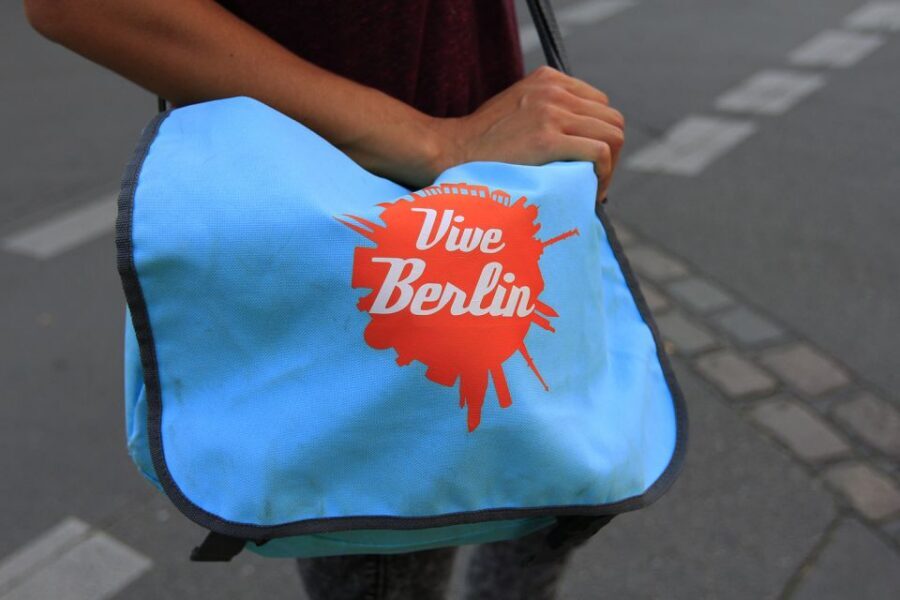
Book on GetYourGuide →Operated by Vive Berlin e.G · Bookable on GetYourGuide
Berlin wall art is never just paint. This street art tour uses the Cold War border story to explain why Berlin became the city for alternative culture, graffiti, and protest-minded murals. You’ll see how the wall’s wounds turned into a public canvas, and how those same themes still show up in today’s neighborhoods.
I especially like the way the guide ties murals to real neighborhood change, from the fall of the wall (1989) through later economic shifts and today’s gentrification. Second, the small group pace makes it easier to ask questions, and guides who speak French or Italian (some names I saw include Antonella and Iacopo, Martin, and Marie) keep the explanations practical and human.
One consideration: you have to handle transit on your own. The tour requires you to purchase an AB 24-hour public transport ticket for the day, which can add a step before you start.
In This Review
- Key takeaways
- Berlin Street Art Isn’t Decoration: It’s a Cold War Story
- Kreuzberg on Foot: The Alternative Quarter Comes Alive
- Friedrichshain Murals and the Wall’s Afterlife in Paint
- East Side Gallery: When the Wall Became a Billboard for Ideas
- Gentrification and the Present-Day Meaning of Street Art
- Guides Who Speak French or Italian—and Actually Explain It
- Price and Value: What $31 Buys in Real Understanding
- Logistics You’ll Want to Handle Before You Go
- Should You Book This Berlin Street Art Tour?
- FAQ
- How long is the Berlin Street Art and Alternative Tour?
- Is there a guide, and what languages do they speak?
- Do I need a public transport ticket?
- Where do we meet?
- What should I bring?
- Is the tour refundable if I change plans?
Key takeaways
- Street art as social history, not just decoration
- Kreuzberg (and Friedrichshain) murals plus smaller pieces in corners and courtyards
- East Side Gallery as the wall’s long-running art statement
- Small-group walking so you can actually talk to the guide
- French or Italian live guide who connects art to neighborhood change
- Wear comfortable shoes—you’ll be on foot for much of the 3 hours
Berlin Street Art Isn’t Decoration: It’s a Cold War Story
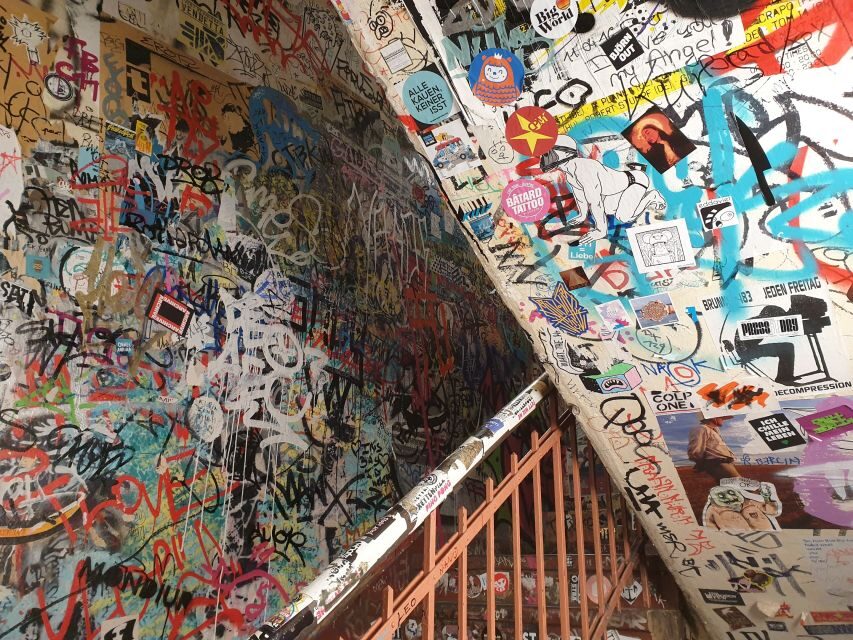
Berlin’s alternative culture didn’t start as a trend. It grew from the city’s odd position on the border between east and west—along the wall, in the pressure points where politics and daily life collided.
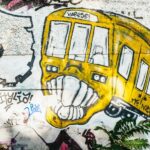
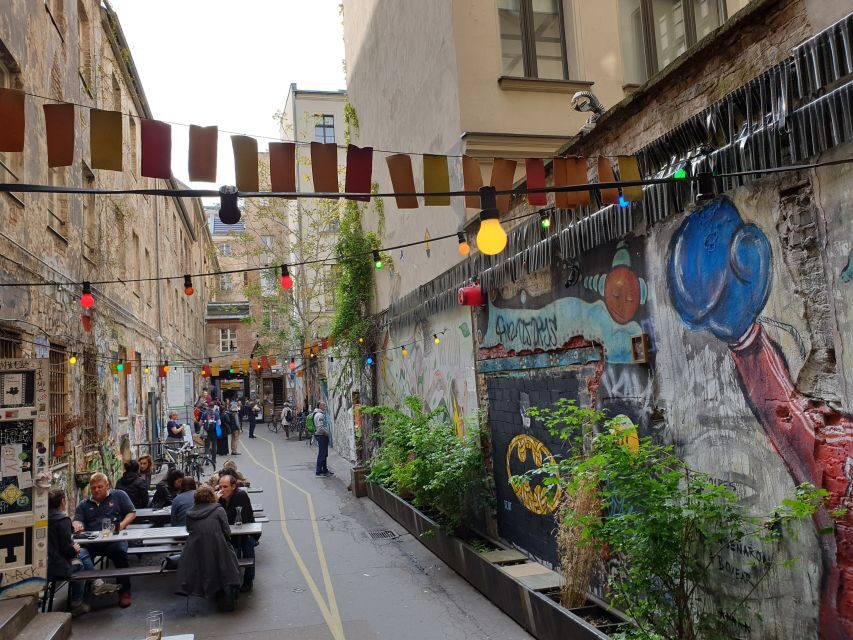
On this tour, you’ll move through areas where the street is basically a gallery. Huge murals stretch along building fronts, while smaller works hide in practical, everyday spots: corners, courtyards, and side streets. The point isn’t to memorize art titles. It’s to learn how people used paint and walls to argue, survive, and communicate when normal channels felt blocked.
You’ll also get a clear timeline vibe. After 1989, Berlin changed fast—economically, socially, and culturally. Urban art became a way to mark those shifts in real time, which is why the tour keeps returning to the same theme: art isn’t floating above the city. It’s attached to it.
A few more Berlin tours and experiences worth a look

Kreuzberg on Foot: The Alternative Quarter Comes Alive
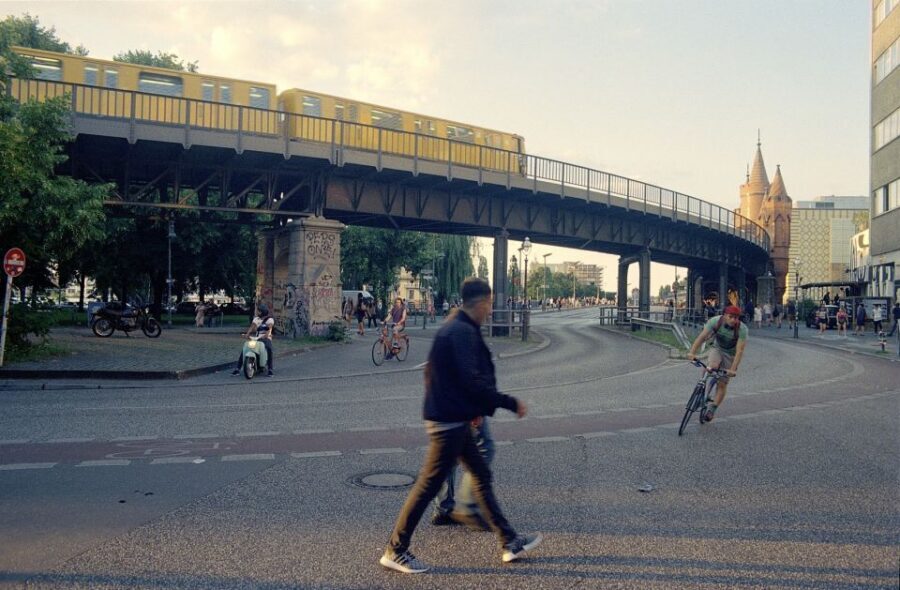
Kreuzberg is where a lot of Berlin’s alternative identity shows up first. As you walk through the neighborhood, you’ll get a sense of why this area became a magnet for street-level creativity—especially in the shadow of Cold War divisions and the long aftershocks of reunification.
Expect a mix of scales. The tour is set up so you don’t only see big, headline murals. You’ll also notice the smaller stuff: pieces tucked into corners, artworks wedged into unexpected spots, and work you can miss if you’re just sightseeing quickly. That mix matters because street art isn’t one uniform style. It’s a stack of voices.
A big plus here is the guide’s focus. One highlight is how the tour links street art to social claims and local demands, not just aesthetic choices. When your guide explains the why behind a wall, the area stops being a backdrop and starts becoming a story you can read.
Friedrichshain Murals and the Wall’s Afterlife in Paint
The tour doesn’t treat the Berlin Wall like it’s only history. It treats the wall like an ongoing influence—an idea that still shapes space, identity, and expression.
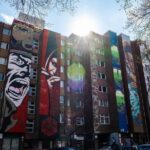
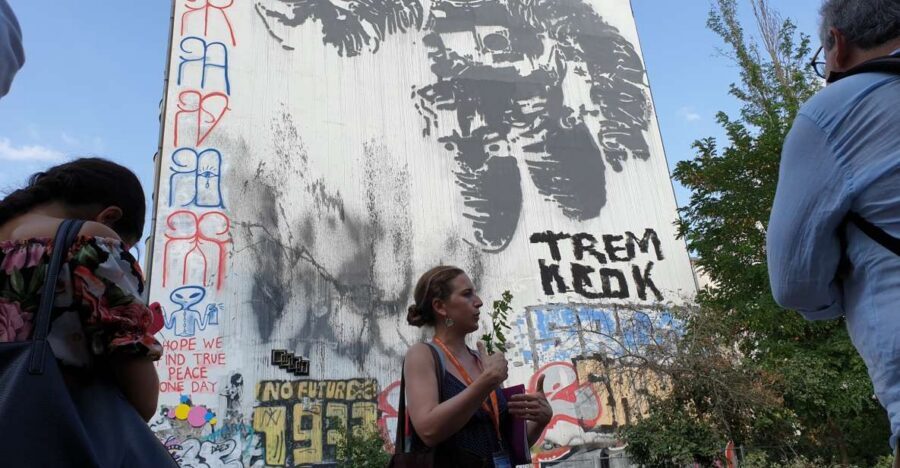
You’ll encounter large works between buildings in the Kreuzberg and Friedrichshain districts. This is where Berlin’s street art feels almost architectural. The scale changes how you walk, too. You slow down, look up, then scan the street-level details your eyes usually skip.
What I like most is the connection you’re offered between past and present: how those Cold War-era tensions and later social changes helped build the conditions for the 1990s revival of Berlin’s alternative scene. Then the tour brings you forward again, to the current phase of change as neighborhoods evolve and development pressures start to reshape what street art means in that place.
East Side Gallery: When the Wall Became a Billboard for Ideas
The East Side Gallery is the tour’s big anchor, and it’s easy to see why. You’re looking at a part of the wall presented as public artwork—meaning the same structure that once enforced division now functions as a visible platform for messages.
On this stop, you’ll get context for why the wall became a canvas in the first place, and how the stories painted there connect to broader themes Berliners still debate: freedom, power, identity, and everyday life under big political decisions.
Even if you’ve seen photos, seeing it in person changes the feeling. The scale and proximity make it harder to treat the art like a postcard. It feels more like documentation—something that reflects the moment it was made, plus the meaning it gained over time.
If you care about how culture grows where history happened, this is the part that clicks most clearly.
Gentrification and the Present-Day Meaning of Street Art
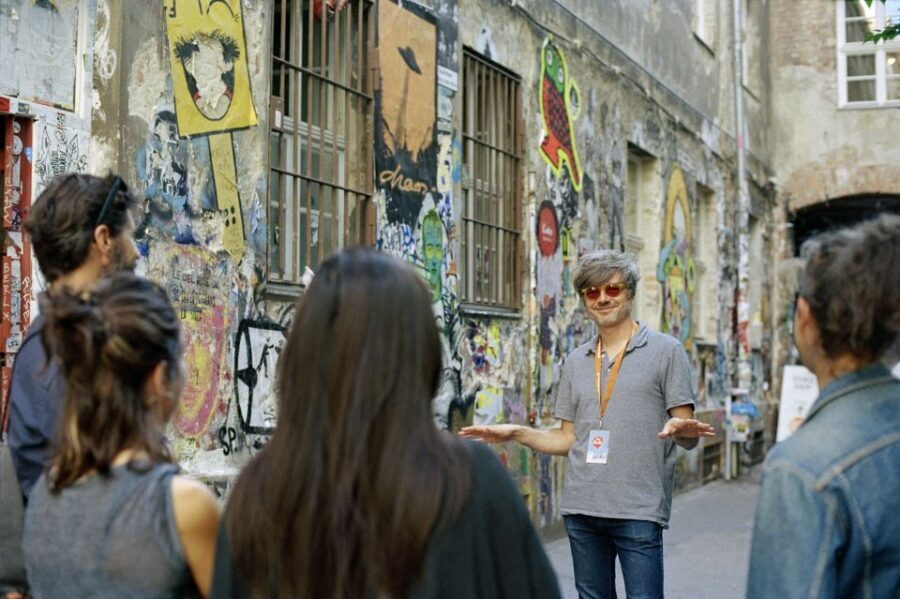
Street art can be controversial in every city where it appears, but Berlin has a special layer. The city’s recent decades have included both creative resurgence and neighborhood pressure. That’s why the tour’s attention to gentrification isn’t just theory.
As you walk, you’ll be guided to notice how art works function differently depending on the moment. Sometimes they read as defiance. Sometimes they act like memory. Sometimes they feel like a response to change in who gets to live around those walls.
This tour does a good job of pacing that idea. It doesn’t throw facts at you. It uses what you’re seeing—big murals and small hidden pieces—and connects it to what Berlin went through after 1989. That makes the present-day debate easier to understand, because you’re not starting from abstract politics. You’re starting from what’s on the walls today.



Guides Who Speak French or Italian—and Actually Explain It
The tour is led by a live guide speaking French or Italian, and that language choice matters. When you can follow the story without straining, you catch the nuance: how political conditions shaped creative expression, and how that expression keeps evolving.
In the feedback I saw, guides like Antonella and Iacopo, Martin, and Marie were praised for passion and for making the underground and alternate Berlin story understandable. That’s the sweet spot you want: enthusiasm with real structure.
One practical benefit of a guided format is that you won’t just see street art. You’ll learn how to interpret it—why certain works feel urgent, why some places attract certain styles, and how architecture and history work together to produce the visual language you’re looking at.
Price and Value: What $31 Buys in Real Understanding
At about $31 per person for 3 hours, you’re paying for more than walking. This isn’t just a scenic stroll with a map and a date. You’re paying for an organized way to understand Berlin’s relationship between art and politics, with a small group format that keeps the experience from becoming a lecture.
The one cost that isn’t included is important: the AB 24-hour transit ticket for the day. If you already planned to ride buses and trains that day, this tour can fit neatly into your schedule. If you weren’t planning transit anyway, you’ll feel the add-on.
Still, value-wise, the combination of small-group pacing, French/Italian live guide, and the two major street-art experiences—Kreuzberg plus the East Side Gallery—makes it a strong bargain for anyone who wants meaning, not just murals on a list.
Logistics You’ll Want to Handle Before You Go
This is a walking tour, so comfortable shoes are a must. Expect time spent outdoors and on streets where you’ll be slowing down to read and observe.
The meeting point can vary depending on the option you booked. So don’t assume it will be the same start location every day. If you’re planning a tight schedule, check your specific confirmation so you’re not scrambling at the last minute.
Most importantly: plan for transit. The tour requires you to buy an AB ticket for public transport for the day. Get it before you need it, so the tour flows smoothly and you can focus on the art and the stories.
Should You Book This Berlin Street Art Tour?
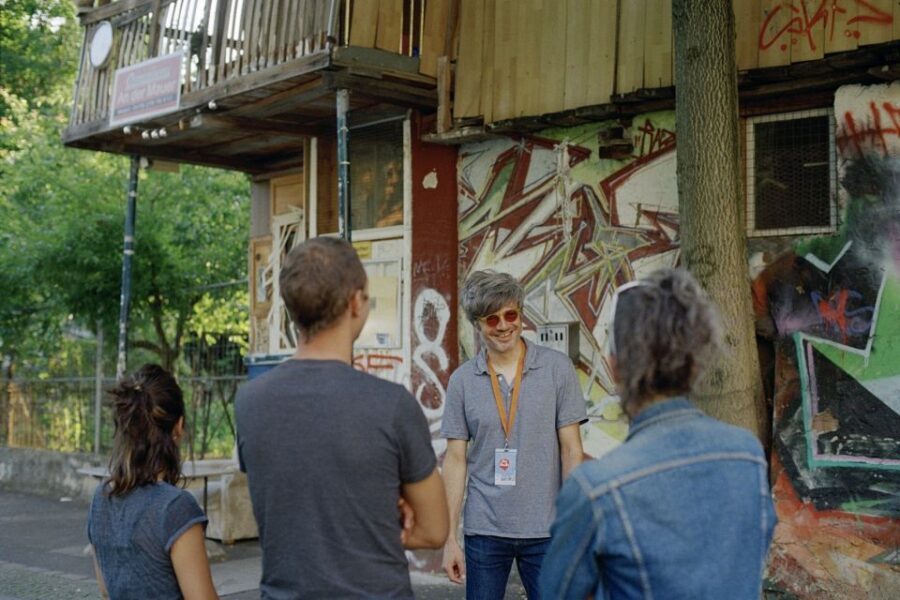
Book it if you want Berlin street art to make sense. This tour is best for people who like context and who enjoy walking at a human pace, with a guide connecting what you see to why it exists.
Skip it if you mainly want a quick hit of photos. If you’re only looking to check off famous murals without caring about the social and Cold War backstory, you may feel the extra time spent explaining could slow you down.
But if you’re the type who wants to understand how a city’s history shows up on its walls, this is one of the smartest ways to do it in a short window. You’ll leave with more than images—you’ll leave with a way to read Berlin.
FAQ
How long is the Berlin Street Art and Alternative Tour?
The tour lasts 3 hours.
Is there a guide, and what languages do they speak?
Yes, it’s a live guided walking tour. The guide speaks French or Italian.
Do I need a public transport ticket?
Yes. You need to purchase a 24-hour AB ticket for public transport to take the tour.
Where do we meet?
The meeting point may vary depending on the option booked.
What should I bring?
Bring comfortable shoes.
Is the tour refundable if I change plans?
Yes. You can cancel up to 24 hours in advance for a full refund.