REVIEW · BRUNSWICK GERMANY
Braunschweig: Private City Walking Tour with Certified Guide
Book on GetYourGuide →Operated by Braunschweiger Spaziergänge von A bis Z · Bookable on GetYourGuide
Braunschweig packs a thousand years into 90 minutes. This private walk is a practical way to see the city’s key landmarks with a certified local guide, moving from Burgplatz to the Old Town without wasting time. I love how quickly the guide turns stone-and-brick landmarks into clear stories, and I especially like the mix of sights—cathedral views, half-timbered streets, and the Hanseatic center around Altstadtmarkt. One thing to consider: it’s rain or shine and the tour is about 1.5 kilometers of walking, so bring comfortable shoes and expect a steady pace.
If you want context without a long day, this fits the bill. You’ll cover major stops like the cathedral area, Town Hall, the former ducal palace, Magniviertel, and the craft and guild sites tied to medieval trade. Reviews also point to guides who keep things lively with lots of useful information rather than long lectures.
The tour ends back at the meeting point (with an option to finish in the city center). That flexibility is great, but it also means you should pick what you want most—best photo stops, the craft buildings, or the Hanseatic market area—so you don’t feel rushed at the end.
In This Review
- Key Highlights You’ll Actually Feel on This Walk
- Why Braunschweig’s Old Town Works So Well on Foot
- Starting at Burgplatz: Get Oriented Around the Brunswick Lion
- Cathedral Area and Chamber of Crafts: Old Craft Culture Made Visible
- Town Hall and the Former Ducal Palace: Power, Not Just Pretty Stones
- Magniviertel and the Happy Rizzi House: A Colorful Brake in the Middle
- Kohlmarkt and the Hanseatic Core: Where Trade Routes Shape the City
- Altstadtmarkt Stops: St. Martin’s Church and the Cloth Merchant Scene
- How Private Group Touring Changes the Experience
- What 90 Minutes Really Means on the Ground
- Price and Value: Is $113 a Good Deal for a Private Braunschweig Walk?
- Practical Rules That Affect Your Day
- Who Should Book This Tour (and Who Might Skip It)
- Should You Book This Braunschweig Private City Walking Tour?
- FAQ
- How long is the Braunschweig private city walking tour?
- Where does the tour start, and when should I arrive?
- Is this tour private?
- What language is the live guide?
- Is the tour wheelchair accessible?
- Does the tour run in bad weather?
- What’s included in the price, and is there food?
- What’s the cancellation policy?
Key Highlights You’ll Actually Feel on This Walk
- A certified local guide who explains what you’re looking at, not just what it is
- Burgplatz and the Brunswick Lion as your fast “start here” orientation point
- Half-timbered streets and craft-guild landmarks around the Chamber of Crafts area
- Magniviertel and the Happy Rizzi House for a memorable, photo-friendly pause
- Altstadtmarkt and Hanseatic-era sites like St. Martin’s Church and the Cloth Hall
Why Braunschweig’s Old Town Works So Well on Foot
Braunschweig isn’t a “speed-walk and hope” kind of place. It’s a city where squares, guild buildings, and market corners do the storytelling for you. On this 90-minute private walk, you’re close enough to landmarks to notice details, while still moving at a pace that doesn’t fry your day.
This is also a smart format if you want to understand the city layout quickly. You start at Burgplatz, then you work your way through the center toward the Old Town and its market life. By the end, you’ll connect how craft, trade, and civic power show up in the buildings you see.
You can also read our reviews of more walking tours in Brunswick Germany

Starting at Burgplatz: Get Oriented Around the Brunswick Lion
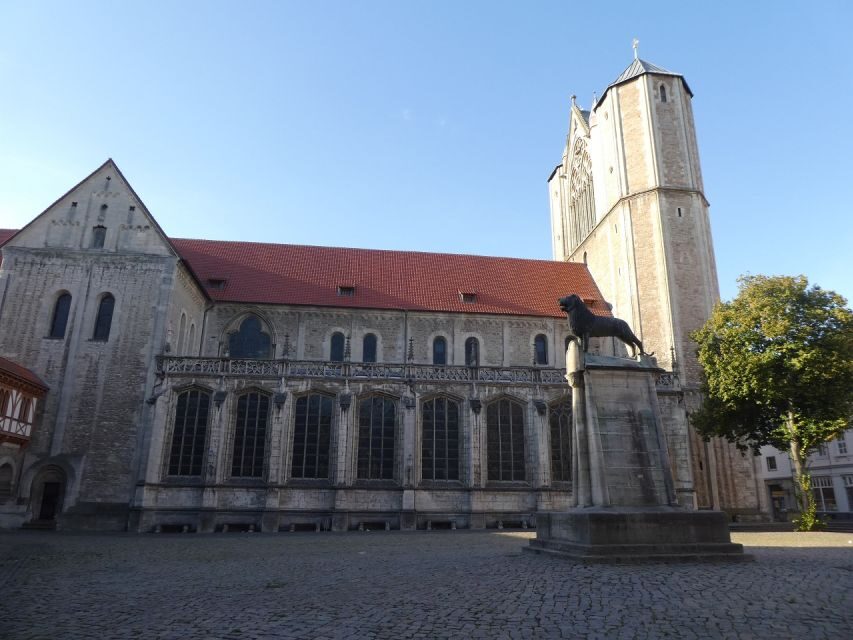
The tour begins at Burgplatz, the kind of square that makes you instantly understand where the “center of gravity” is. Your guide will be easy to spot: they wear an LED backpack with Get Your Guide and Braunschweig written on it. Arrive about five minutes early so you’re not negotiating with a schedule on day one.
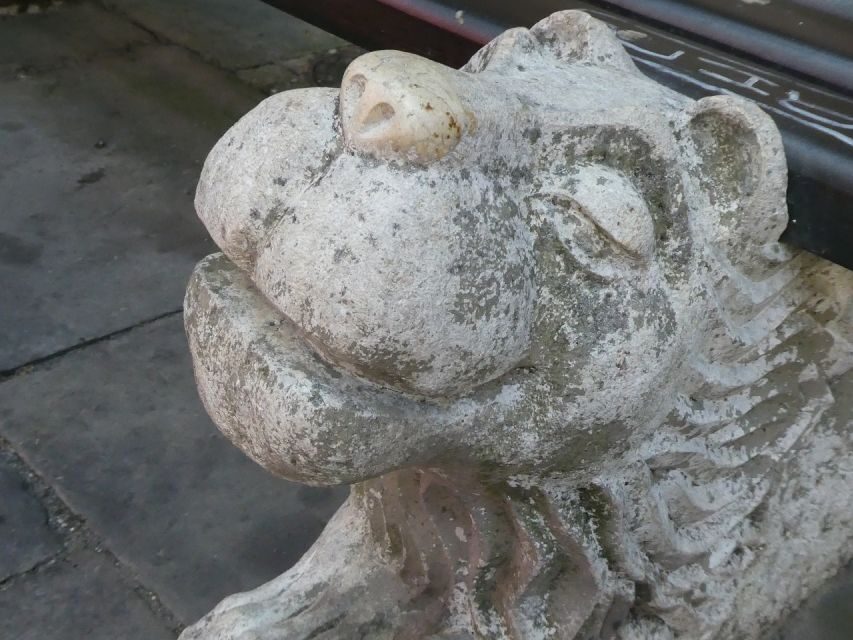
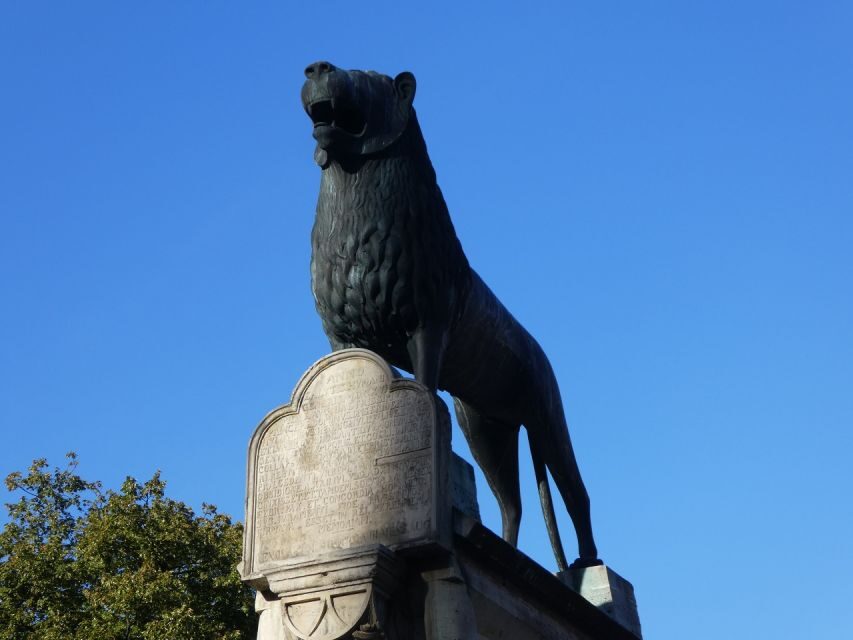
Burgplatz is where the city symbol lands first: the Brunswick Lion. Even if you only know the lion as an emblem, the guide’s explanations help you see why it matters in Braunschweig’s identity. It’s a classic travel trick—start with a symbol, then let the buildings explain the rest.
From here, the walk builds outward. You’ll also get the cathedral area and half-timbered character into view early, so you don’t spend the rest of the tour trying to “catch up” on what you should have noticed first.
Cathedral Area and Chamber of Crafts: Old Craft Culture Made Visible
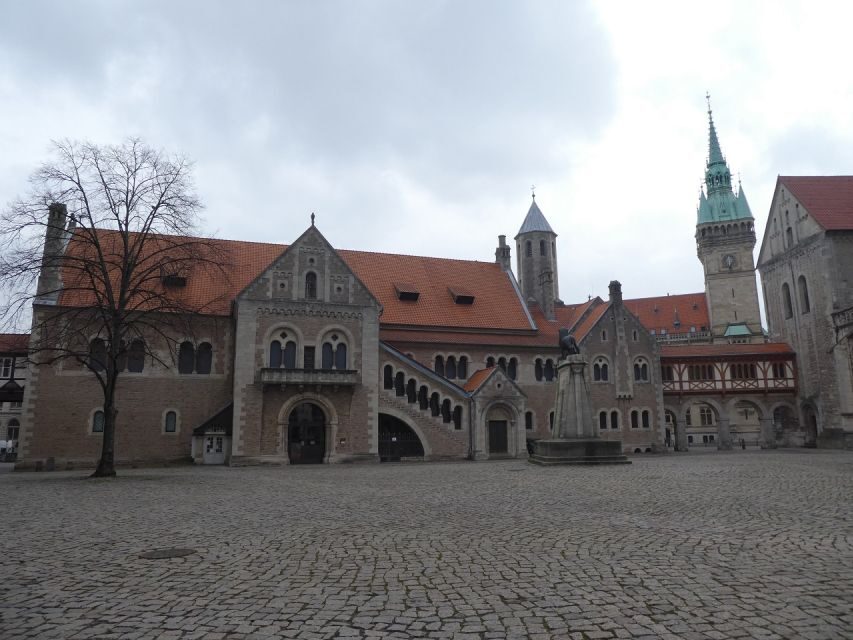
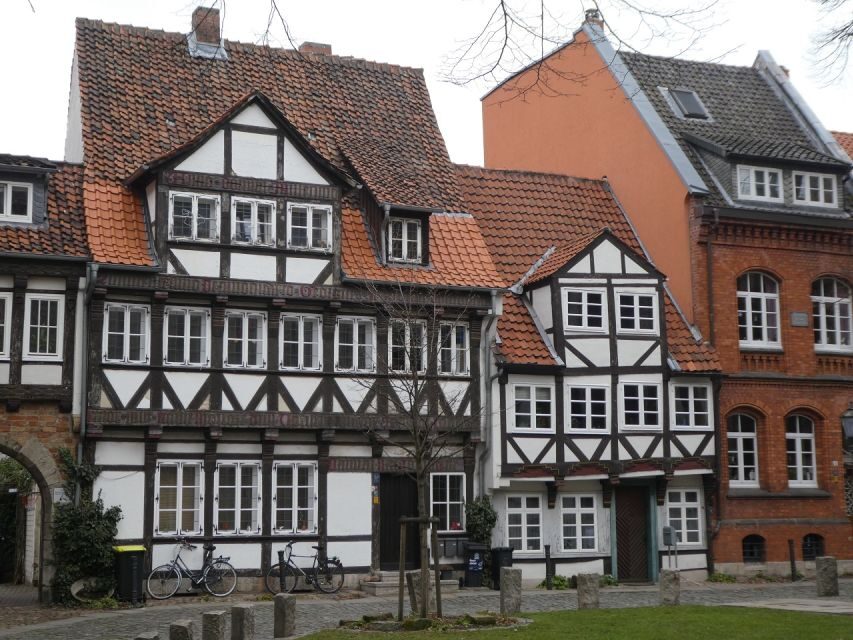
After the lion and the main square, you move into an area defined by heritage architecture. You’ll admire the cathedral and surrounding historic buildings, including half-timbered structures tied to civic life and trades.
One of the best parts of this section is that you see the craft-and-guild angle early. The tour specifically points you toward the Chamber of Crafts area, which helps you understand the “skills” behind the medieval city. This isn’t just aesthetic sightseeing; it’s about why certain buildings exist where they do and what social role they played.
Half-timbered houses can look similar at first glance—until someone points out the details worth noticing. Expect the guide to help you slow down and see patterns in the streetscape, not just individual facades.
Town Hall and the Former Ducal Palace: Power, Not Just Pretty Stones
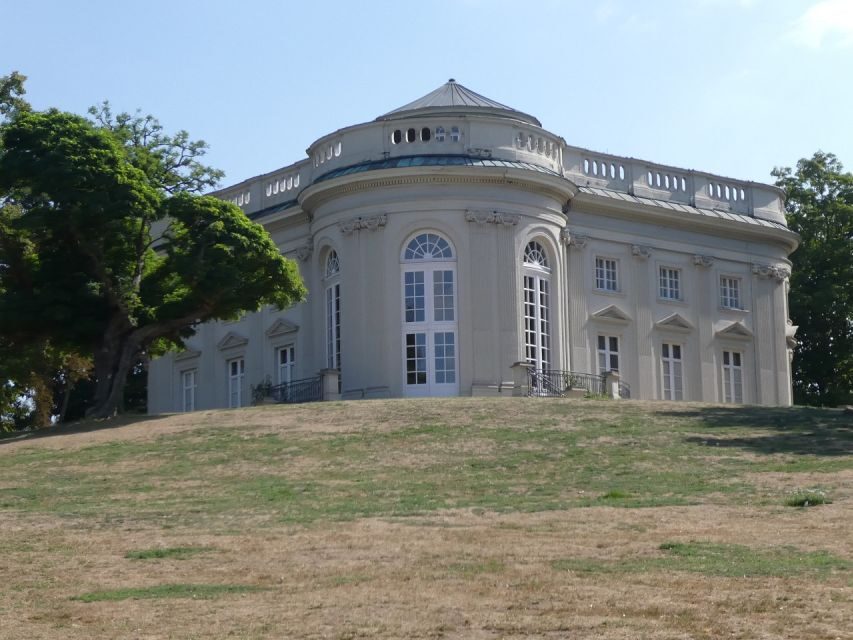
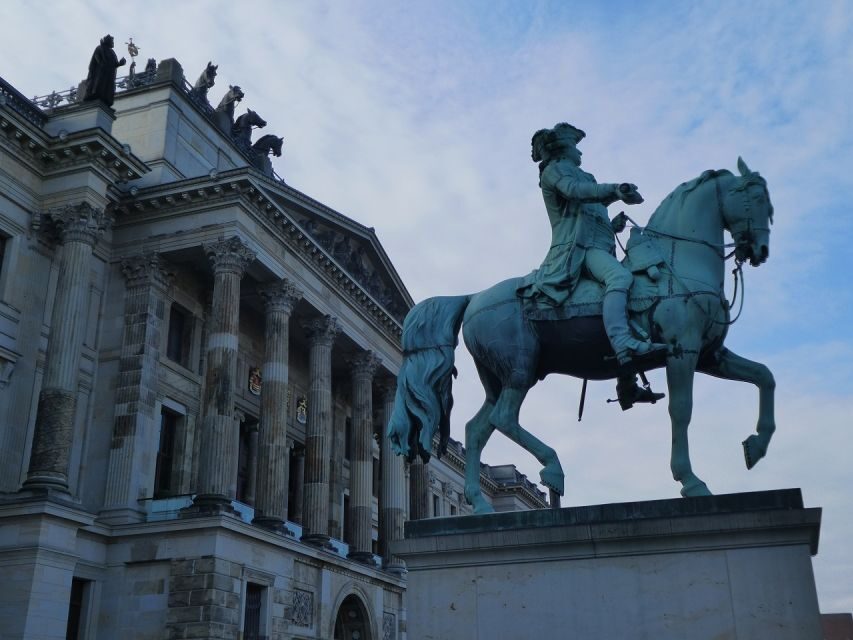
As you continue, the tour shifts from craft culture to civic authority. You’ll see the Town Hall and the former ducal palace, both of which help explain how Braunschweig organized itself over time.
This is where the walk becomes more than a list of landmarks. The guide connects these sites to civic life—who had influence, how public spaces functioned, and why buildings like these were built to be seen. If you like history that feels practical, this part tends to land well because you’re looking at the physical evidence of governance.
There’s also a good “sense of place” effect here. You’ll notice that the route doesn’t randomly hop between famous spots. It flows through the kinds of spaces where decision-making and public activity happened.
Magniviertel and the Happy Rizzi House: A Colorful Brake in the Middle
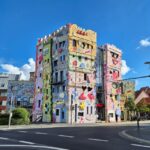
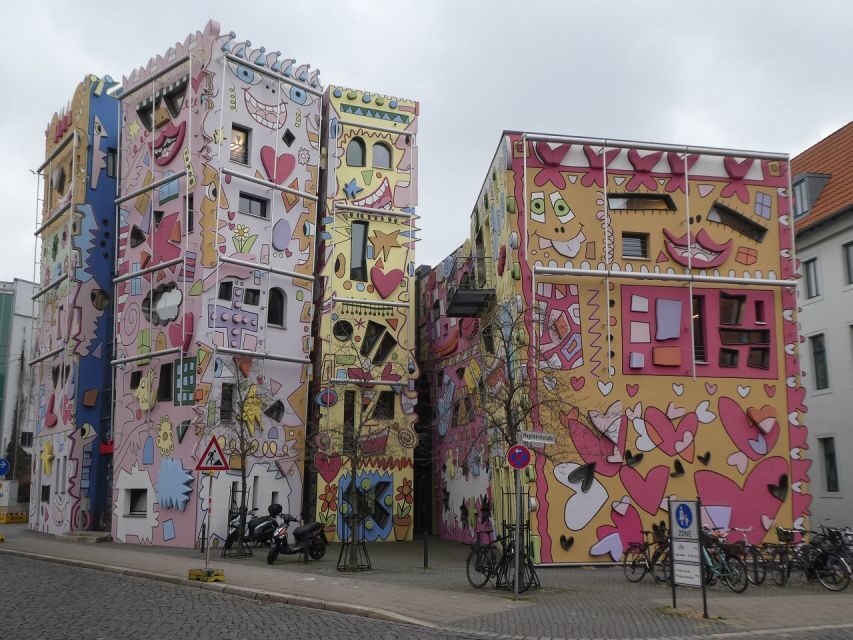
Next comes Magniviertel, where you trade the heavier civic feel for a more character-filled street scene. The tour calls out the Happy Rizzi House, and honestly, it’s exactly the kind of stop that gives people a story they remember later.
This section also includes many half-timbered houses. That matters because half-timbered architecture can feel like a background theme unless you’re shown how the neighborhood reads as a whole. Here, you get that neighborhood texture, not just a single postcard building.
Consider this stop as your “reset button” for the walking pace and photo time. You’re still on theme—historic urban fabric—but you get a visual moment that breaks up the more formal civic architecture.

Kohlmarkt and the Hanseatic Core: Where Trade Routes Shape the City
Then you move to Kohlmarkt, described as a junction of important Middle Ages trade routes. That detail matters because it explains why “market streets” often look different from residential lanes. When a place is tied to trade, the buildings and the street rhythm tend to support commerce.
After Kohlmarkt, you reach the center of Hanseatic life in Braunschweig. The walk brings you to the Altstadtmarkt, where you’ll hear the Hanseatic story in the context of the space itself. It’s also where landmarks cluster so you can connect them quickly: market life, church presence, and guild commerce all in one zone.
The tour highlights the feeling of Hanseatic-era influence around Altstadtmarkt. If you’ve ever wondered why medieval cities seem to have so many layers of economic power, this is the spot that makes the idea concrete.
Altstadtmarkt Stops: St. Martin’s Church and the Cloth Merchant Scene
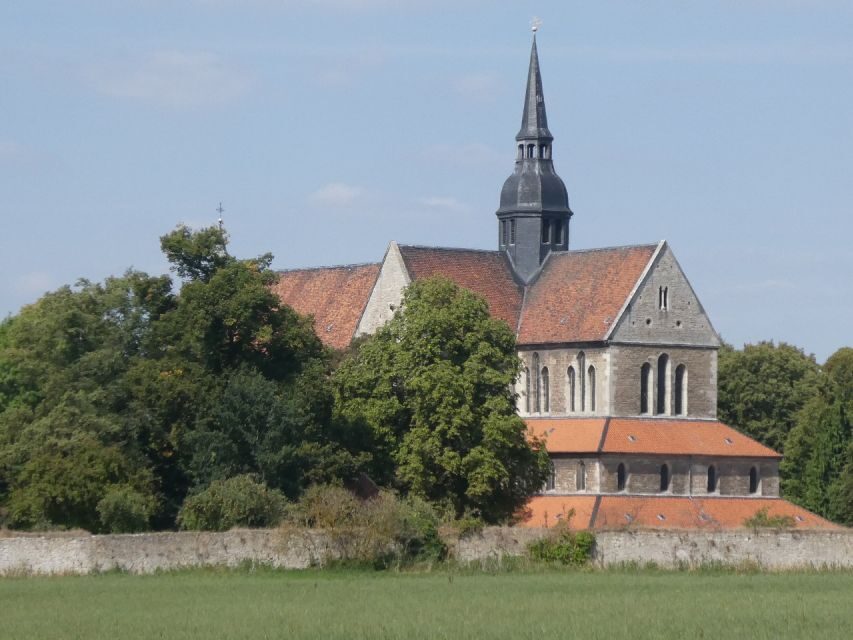
At Altstadtmarkt, the tour focuses on two big anchors: the Church of St. Martin and the Cloth Hall, also described as the Guildhouse of the Cloth Merchant. This is a great pairing because it shows how religion and trade ran side by side in the city center.
St. Martin’s Church gives you a civic-religious marker—something people would orient themselves around. The Cloth Hall/Guildhouse shows you the economic engine, especially tied to cloth and merchant guild activity. Put together, they help you understand why medieval city centers often feel “complete” even when you’re only seeing one square.
This is also the area where the guide’s ability to keep the tour flowing matters most. You’re surrounded by strong visuals, but the timing of the explanations helps you make sense of them without slowing down too much.
How Private Group Touring Changes the Experience
This is a private group city walking tour, built for a small group dynamic. That matters because it’s easier to ask questions when the pacing isn’t tied to a large crowd. It also tends to make the guide’s explanations feel more targeted to what you’re curious about.
Even if your group is only a few people, the private format keeps the experience from becoming a “sit and listen” event. You’re walking, pointing, noticing, and getting context in motion. That’s a big part of why people rate the guide experience so highly.
You’ll also have an end-point that’s not too rigid. The tour ends back at the meeting point, but it can also finish at your desired point in the city center. So if you want to continue exploring around Altstadtmarkt on your own, you can line it up with the walk’s finish.
What 90 Minutes Really Means on the Ground
The tour is listed at 1.5 hours with about 1.5 kilometers of walking. That’s not a long distance, but it is a real walk. You’ll be on your feet through squares and streets, with time for looking and hearing explanations.
It operates rain or shine, so plan accordingly. If the weather is wet, you’ll still get the full route—so wear shoes with grip and clothes you won’t mind getting a little weathered.
Meeting timing is also clear. Your guide will wait up to 30 minutes at the meeting point, but you’ll make life easier for everyone if you show up about five minutes early.
Price and Value: Is $113 a Good Deal for a Private Braunschweig Walk?
The price is $113 per group up to 25 for a 1.5-hour private tour. That pricing structure is the big value driver. Instead of paying per person, you pay per group size cap, so your cost per traveler drops fast if you’re traveling with others.
If you’re a solo traveler or a couple, it can still be worth it when you care more about guidance and time than budget. In a small group, you may pay more per head than a public walking tour, but you gain the ability to move at your group’s pace and ask more questions.
If you’re a family or a small circle of friends, this can be a smart use of money. You’re getting a certified guide, live guidance through the historic center, and the kind of “what to notice” help that makes self-guided wandering less hit-or-miss.
Practical Rules That Affect Your Day
A few details are worth knowing so you don’t get surprised:
- The guide is German.
- Video and audio recording aren’t allowed, so plan to take notes and photos instead.
- There’s no food or drink included, so treat this as a sightseeing walk, not a meal.
- What you bring matters: comfortable shoes and comfortable clothes.
Church and public building access can sometimes change due to events. If that happens, the guide offers an alternative attraction instead. It’s a small bit of flexibility that prevents the tour from feeling like a checklist that breaks when plans shift.
Who Should Book This Tour (and Who Might Skip It)
Book it if you want a clear, time-efficient route through Braunschweig’s major landmarks—especially if you like learning how trade, guild life, and civic power shaped the city. The route is also ideal if you’re staying in or near the center and want to get your bearings fast.
Skip it if you’re the type who enjoys very slow museum-style time on foot or you already know Braunschweig well and just want unstructured wandering. In that case, you might not get as much value from a guided route.
For most first-timers, though, this is a solid “foundation tour.” It sets context so your later solo strolls make more sense, especially around Altstadtmarkt and the craft-and-guild areas.
Should You Book This Braunschweig Private City Walking Tour?
I’d book it if you care about getting the story behind the buildings without spending half a day. The biggest win here is the certified guide format: you’re walking short distances, hitting the key landmarks, and leaving with a mental map of how Braunschweig grew—symbol at Burgplatz, civic power in the center, and Hanseatic trade life around Altstadtmarkt.
If your group size is up to a handful of people, the pricing can feel especially fair because you’re essentially buying expert guidance for a fixed group cost. And if you’re okay with rain or shine and a comfortable, steady walk, you’ll likely come away with both photos and understanding.
FAQ
How long is the Braunschweig private city walking tour?
It lasts about 1.5 hours.
Where does the tour start, and when should I arrive?
The tour starts at the meeting point. Plan to arrive about 5 minutes early. The guide can wait up to 30 minutes.
Is this tour private?
Yes. It’s a private group tour.
What language is the live guide?
The live guide speaks German.
Is the tour wheelchair accessible?
Yes. It’s described as wheelchair accessible and barrier-free.
Does the tour run in bad weather?
Yes. The tour operates rain or shine.
What’s included in the price, and is there food?
Included are the live guided tour, a certified local guide, and the booking fee. Food and drinks are not included.
What’s the cancellation policy?
You can cancel up to 24 hours in advance for a full refund.