REVIEW · DACHAU
From Munich: Dachau Memorial Site Tour in Spanish
Book on GetYourGuide →Operated by Bayern a medida GmbH & Co KG · Bookable on GetYourGuide
Steel rails to memory, guided in Spanish. This Dachau Memorial Site tour is interesting because you’re walked through the camp’s layout and exhibits with an official Dachau Memorial Guide, so you’re not just looking at plaques and hoping it all connects. I especially like how the visit is structured around the main exhibition and the remaining traces of the camp, not a rushed highlight loop. One consideration: this tour is Spanish-only, so if you don’t speak Spanish, you can’t book it.
You’ll also like the quiet, focused way the guide handles sensitive areas. The tour goes past the roll-call ground and the surviving or reconstructed buildings, then continues to the international and religious memorials that broaden the story beyond one country. It’s respectful and emotionally heavy, so plan to take your time with what you’re seeing, not treat it like another stop.
In This Review
- The core experience: Dachau’s memorial site with an official guide
- From Munich by train: the calm way to get there
- Meeting under Karlstor Gate: easy start, no bus-chasing
- What you’ll see: exhibition, original traces, and reconstructions
- Roll-call, bunkers, barracks, and the crematorium
- International and religious memorials: how memory expands
- How much the $40 price makes sense for this kind of tour
- The guide’s approach: clear, patient, and respectful
- Who this Dachau Spanish tour is perfect for
- Who should skip it (or consider another option)
- Should you book this Dachau Memorial Site Tour from Munich?
- FAQ
- Is the Dachau Memorial Site tour in Spanish?
- How long is the tour?
- How much does the tour cost?
- Where do I meet in Munich?
- Do I need to speak Spanish to join?
- Are children allowed?
- What should I bring?
- What can’t I bring?
- Is food included?
- What if the tour doesn’t meet the minimum number of participants?
The core experience: Dachau’s memorial site with an official guide
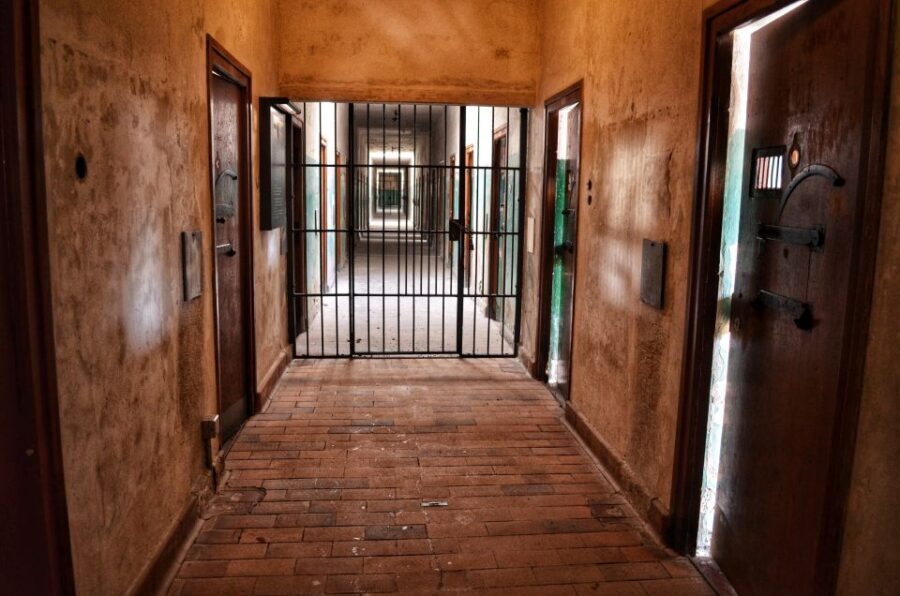
This is a guided visit to the Dachau Concentration Camp Memorial Site in Bavaria, aimed at giving you a clear understanding of what the place was, what remains today, and how its memory is carried forward.
You’ll follow an official guide who provides historical background and facts as you move through the grounds. That matters. At Dachau, the information isn’t just optional context; it’s what turns the site from “an interesting museum” into a place of reflection where you can understand what you’re looking at. And because you’re with a guide for the whole walk, you don’t have to piece the story together by yourself.
The tour runs for 5 hours. That’s long enough to cover the major sections—exhibition, key structures, and the memorial areas—without feeling like someone’s pushing you out the door.
From Munich by train: the calm way to get there
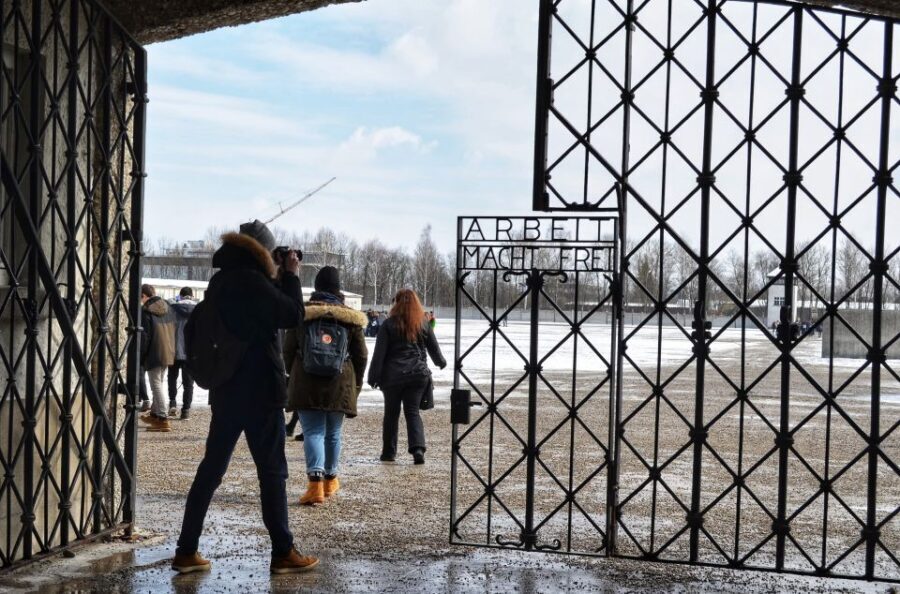
The experience starts in Munich and then moves to Dachau by train with the guide. You’re not left juggling directions or timing on your own. The guide’s presence right from the start helps you get oriented before you ever reach the memorial grounds.
One thing I like about this setup is how it keeps the day simple. You can focus on the experience instead of constantly checking your phone or worrying about being on the wrong platform. It also helps that the tour is designed as a single flow: travel, arrive, tour, and then you’re done.
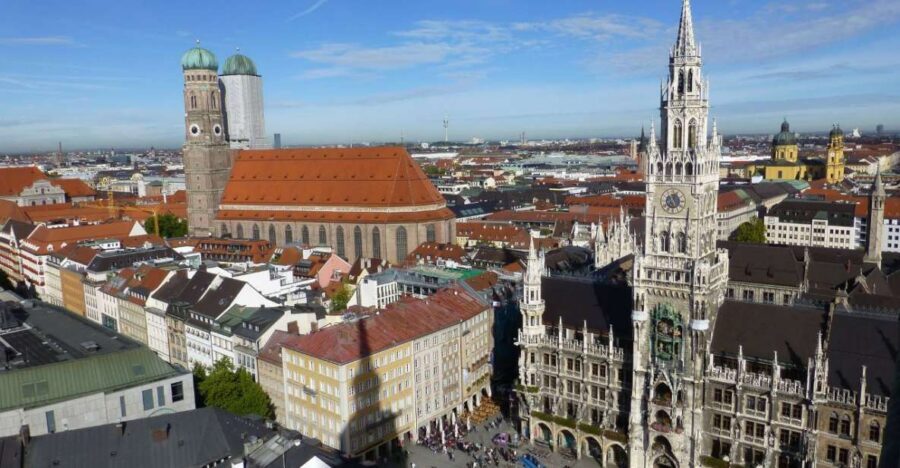
Practical note: you’ll meet under Karlstor Gate (at Karlsplatz) about 10 minutes before the activity begins. The guide will be waiting for you under the Karlstor arch at Karlsplatz—don’t look for buses. Just go straight to the right spot early and you’ll avoid stress.
You can also read our reviews of more tours and experiences in Dachau.
Meeting under Karlstor Gate: easy start, no bus-chasing
This is one of those small logistical details that can save your day. The meeting instructions are specific: meet under Karlstor Gate, 10 minutes before departure, and look for the guide under the Karlstor arch at Karlsplatz. The tour doesn’t involve you hunting for the right bus number.
For me, that’s part of why the whole experience feels smoother: you’re not starting with confusion. If you tend to arrive late, set an alarm and give yourself padding. Munich stations and streets can be fast and busy, and you don’t want to spend your first minutes stressing.
Bring comfortable shoes. You’ll be walking through a memorial site with a lot of outdoor space, so footwear matters more than you think.
What you’ll see: exhibition, original traces, and reconstructions
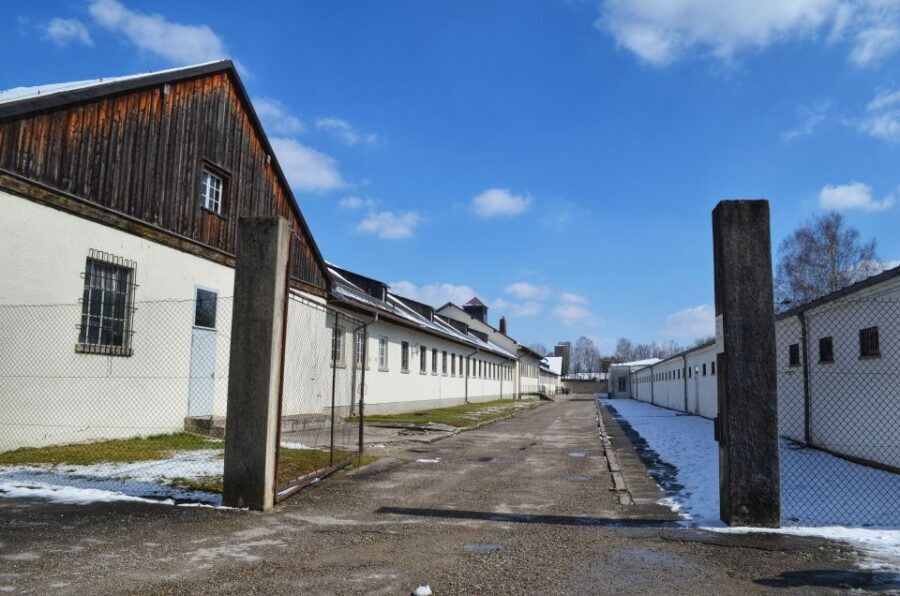
Once you arrive, you’ll tour the memorial site including historical buildings and the main exhibition. The permanent exhibition is there to give you an overview of the history of the Dachau concentration camp, including information about the camp and its victims.
Then the walk continues into the parts of the site where you can see what’s left and what has been reconstructed. The mix of remaining original buildings and careful reconstructions is important. It helps you understand the layout and how the camp operated in practical terms, rather than only absorbing facts from inside a room.
Here’s what to expect in general terms as you move:
- You’ll connect the story told in the exhibition to the physical spaces outside.
- You’ll learn about the victims as part of the camp’s history, not as a side note.
- You’ll see how the site communicates memory today through memorial design and exhibits.
The guide’s job is to keep this from turning into a random walk. You’ll get facts and context as you move between areas, which is especially helpful at Dachau, where the grounds can feel vast and emotionally challenging.
Roll-call, bunkers, barracks, and the crematorium
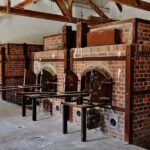
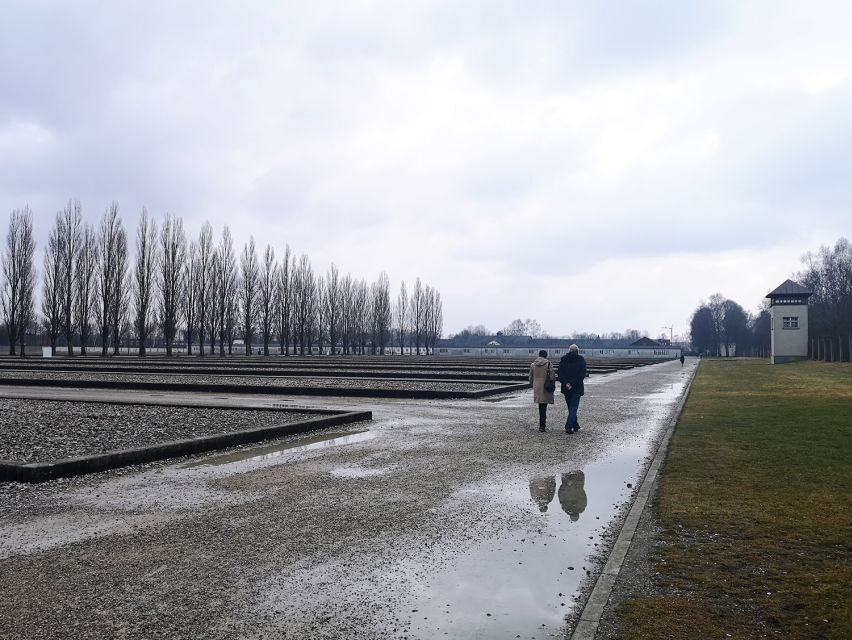
This tour doesn’t skip the most difficult sections. You’ll visit areas such as roll-call, bunkers, barracks, and the crematorium. These stops are where the site can feel heavy and personal, even if you’re seeing it for the first time.
Why that matters for your experience: Dachau is not a place where you can fully understand everything from a distance. The value of the guided route is that you’re not just passing through. You’re learning what each area was for, and how the camp’s system worked.
A simple tip: pace yourself. If something hits emotionally, pause mentally and keep listening. The guide’s tone is designed to be sensitive and respectful, and that helps you stay grounded while still letting the weight of the place land.
Also, keep in mind the tour duration is 5 hours. That’s enough time for the guide to cover key areas without turning the hardest parts into a sprint.
International and religious memorials: how memory expands
After the main camp areas, you’ll also have the chance to see the international memorial and other religious memorials inside the concentration camp grounds.
This is one of the most meaningful parts of the tour, because it shifts the focus from the camp’s mechanics to its ongoing role as a place of memory. You’re shown that Dachau’s history doesn’t belong only to one country or one language. It’s remembered through international symbolism and through religious memorials that speak to different communities and faith traditions.
If you care about how places of memory are designed, you’ll likely find these sections moving. They add a layer of understanding that goes beyond dates and names, and it helps you see the site as a place where people continue to reflect and remember.
How much the $40 price makes sense for this kind of tour
At around $40 per person for a 5-hour visit, the price may look straightforward. What you’re really paying for is an official, Spanish-speaking guide and full coverage of the major memorial areas.
For this site, value isn’t only about entertainment or convenience. It’s about accuracy, pacing, and interpretation. An official Dachau Memorial Guide can explain the history of the camp and its victims in a way that helps you understand what you’re seeing—especially in areas like bunkers, barracks, roll-call grounds, and the crematorium, where the physical layout matters.
So if you’re deciding between a self-guided visit and a guided one, ask yourself one question: do you want to spend your time reading labels, or do you want to connect the labels to a guided narrative? This tour leans hard toward the guided narrative, and that’s where the value tends to show.
And you’ll notice the high satisfaction rating reflects that point: the experience is consistently praised as strong and essential, with guides described as clear, patient, and caring for the group.
The guide’s approach: clear, patient, and respectful
The strongest praise in this experience centers on the guide. People highlight explanations that are clear and delivered with patience, plus a tone that stays respectful while covering difficult material.
That combination is not a small thing. At Dachau, the risk is either becoming overwhelmed or feeling disconnected. A guide who explains clearly helps you follow the story. Someone who manages the emotional weight helps you stay present without treating the visit like a lesson you must rush through.
The tour is described as moving and emotionally touching, made with sensitivity and respect for the victims. That style matters for your comfort and your understanding.
If you care about getting the most out of memorial sites, pay attention to this part. A “good guide” isn’t just a nice bonus here; it’s part of what makes the whole experience work.
Who this Dachau Spanish tour is perfect for
This tour is a great fit if you:
- Speak Spanish and want a guided experience led in Spanish from start to finish.
- Want an official memorial guide rather than a do-it-yourself visit.
- Are ready for a serious, reflective visit that includes the camp’s hardest areas.
- Prefer a structured 5-hour tour that covers the main exhibition, historical buildings, and memorial zones.
It’s also a solid choice for people visiting from Munich who want a straightforward day plan. You get the travel to Dachau by train handled as part of the experience, and you get clear meeting instructions at Karlstor Gate.
Who should skip it (or consider another option)
This one is simple: if you don’t speak Spanish, you can’t book this tour. The experience is exclusively in Spanish, and non-Spanish speakers are not allowed to participate.
It’s also not suitable for children under 13. If you’re traveling with younger kids, you’ll need to look for a different option.
And if you don’t like walking, be realistic. You’ll be on your feet during a full 5-hour memorial visit, including outdoor areas.
One more practical restriction: pets aren’t allowed, and you can’t bring luggage or large bags. Food isn’t allowed either. Pack light, and focus on comfortable shoes and your attention.
Should you book this Dachau Memorial Site Tour from Munich?
Book it if you want the clearest guided path through Dachau in Spanish, with an official guide leading you through both the main exhibition and the key areas like roll-call, bunkers, barracks, and the crematorium. At this price point, you’re paying for guidance and interpretation at a place where that really changes your experience.
Don’t book it if Spanish isn’t your strong language. And don’t book it if your group includes children under 13.
If you’re ready for something serious, thoughtful, and well guided, this is the kind of tour that can leave you with more than photos.
FAQ
Is the Dachau Memorial Site tour in Spanish?
Yes. The tour is exclusively in Spanish, and non-Spanish speakers are not allowed to book or participate.
How long is the tour?
The duration is 5 hours.
How much does the tour cost?
The price is $40 per person.
Where do I meet in Munich?
Meet under Karlstor Gate (at Karlsplatz) 10 minutes before the activity starts. Look for the guide waiting under the Karlstor arch at Karlsplatz.
Do I need to speak Spanish to join?
Yes. This tour is not open to travelers who do not speak Spanish.
Are children allowed?
Children under 13 are not allowed to participate.
What should I bring?
Wear comfortable shoes.
What can’t I bring?
Pets are not allowed, and you can’t bring luggage or large bags. Food is also not allowed.
Is food included?
No. Food and drinks are not included.
What if the tour doesn’t meet the minimum number of participants?
The tour requires a minimum of four participants. If that minimum isn’t met, the local partner will contact you and offer an alternative.