REVIEW · BERLIN
Berlin: Experience the Alternative Kreuzberg on a Bike Tour
Book on GetYourGuide →Operated by FREE BERLIN Bike Tours · Bookable on GetYourGuide
Berlin feels different from a bike. This 3-hour ride is an easy way to catch the real everyday pulse of neighborhoods like Kreuzberg and Neukölln while still hitting big landmarks tied to the city’s divided past. I especially like how the route mixes creative projects and renovated corners with classic photo stops, so you see Berlin as it is now, not just how guidebooks freeze it.
Two things I’d point you to: the pace stays friendly and laid-back in a small group (up to 15), and the guides bring the stops to life with frequent stories every 5–10 minutes. If you want only the safest, most predictable monuments, though, this tour’s focus on alternative culture, street art, and nightlife-adjacent spots might not match your taste.
In This Review
- Key points you’ll care about
- Starting in Nikolaiviertel, then sliding into Berlin’s alternative side
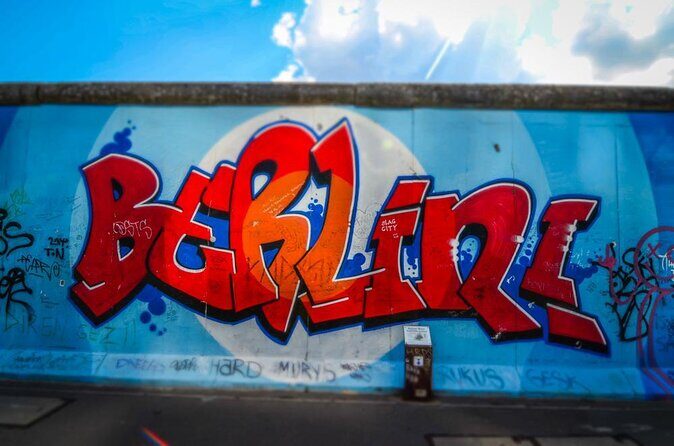
- East Side Gallery and RAW-Gelände: where the Wall still echoes
- Along the Spree: houseboat stories, Molecule Man photos, and “visions” in public
- Through Wrangelkiez and Görlitzer Park: the city where art meets everyday life
- Creative building blocks from CarLoft Modul to Maybachufer
- Kottbusser Tor to Rio-Reiser-Platz and Bethanien: art, motion, and neighborhood identity
- Pace, group size, and what makes the bike tour actually work
- Who this tour suits best (and who might want a different one)
- Should you book the Berlin Alternative Kreuzberg Bike Tour?
- FAQ
- How long is the bike tour, and how much distance do you cover?
- What’s included in the price?
- Where do we meet the guide?
- Is the tour family-friendly?
- What languages are available for the live guide?
- Is there a private option or customization?
- How many people are in the group?
Key points you’ll care about
- Up to 15 people, so it still feels personal when the guide is telling the small stories
- Roughly 17 kilometers on mostly quiet side streets and scenic bike paths
- Frequent stop-and-story rhythm every 5–10 minutes, not long stretches of silence
- Wall-era sites plus today’s Berlin side by side, from East Side Gallery to new creative projects
- River and canal riding along the Spree River and Landwehr Canal for an easy visual break
Starting in Nikolaiviertel, then sliding into Berlin’s alternative side
Your tour begins at the Free Berlin Bike Tours & Rental office at Poststraße 11, in the courtyard entrance. It’s a practical setup: you get your bike quickly, then you’re off without wasting time doing logistics. The fact that the ride starts near Nikolaiviertel matters because you ease into the day with an old-meets-new Berlin feel before the route starts getting more specific and edgy.
The first stop is Nikolaiviertel. Even in a short visit, you’ll get the sense of Berlin’s layers. Then the tour swings toward more “this is Berlin now” energy with The Treehouse, Berlin—a place that signals creativity isn’t just a museum topic here.
After that, there’s a quick look at Berghain Panorama Bar. This is one of those stops that feels like a Berlin shorthand: nightlife culture, design, and the city’s willingness to do things differently. It’s not only about the venue. The guide’s job is to explain why spaces like this show up in the same city as official monuments and memorials—Berlin’s contrasts run through the whole route.
I like the way the guides handle the handoff from calmer streets into the more alternative areas. Guides such as Vincent, Theo, Peter, and Carl get consistent praise for stories that feel personal rather than textbook. That matters, because you’re riding 17 kilometers in three hours; you need your mental “context switching” to stay smooth, not frantic.
Possible drawback to note: the route includes stops that orbit nightlife and alternative scenes. If you’re hoping for a quiet, purely historical tour, you might find the vibe shifts more than expected, especially if you’re there on a hot day when the “buzzing nightlife” atmosphere can feel more present.
You can also read our reviews of more cycling tours in Berlin

East Side Gallery and RAW-Gelände: where the Wall still echoes
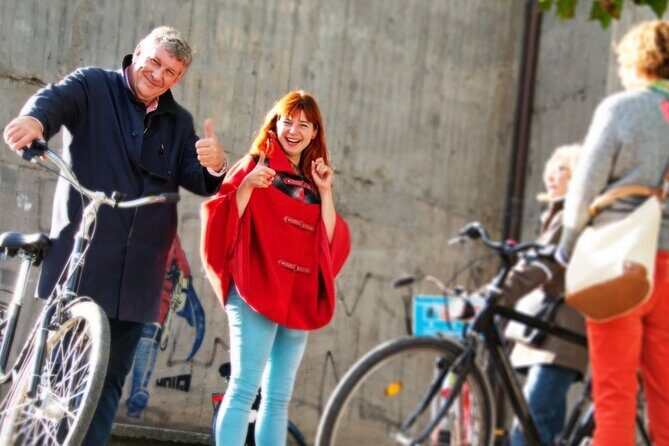
Once the tour is rolling, one of the biggest strengths is that it doesn’t treat the Berlin Wall as a distant historical topic. It treats it like a shaping force still visible in street layout, neighborhoods, and the kind of creativity that grows in the gaps.
A key photo stop is the East Side Gallery. This is the moment where the tour’s theme becomes clear fast: art and memory are physically connected here. You don’t just look—you get guided context on what it represents and why it’s still such a strong visual marker.
Next up is RAW-Gelände. This is a different kind of Berlin landmark: less about a single famous image, more about the idea that the city keeps reusing spaces and inventing new purposes. That’s the tour’s sweet spot. You’re not only learning what happened; you’re seeing how Berlin’s post-Wall reinvention plays out in real projects.
Then comes Oberbaumbrücke for another photo stop. You’ll notice how the route uses certain points like punctuation marks. Bridges are great for this because they give you a pause to look around, take a photo, and let the guide tie the neighborhood changes to bigger historical forces.
If you’re worried about safety or pace, the reviews give you comfort here. More than one rider mentions that the guide made sure everyone felt safe and kept a pace that worked for the group, including on hot days. That’s a real factor on a bike tour: confidence is what lets you enjoy the scenery instead of monitoring every intersection.
Along the Spree: houseboat stories, Molecule Man photos, and “visions” in public
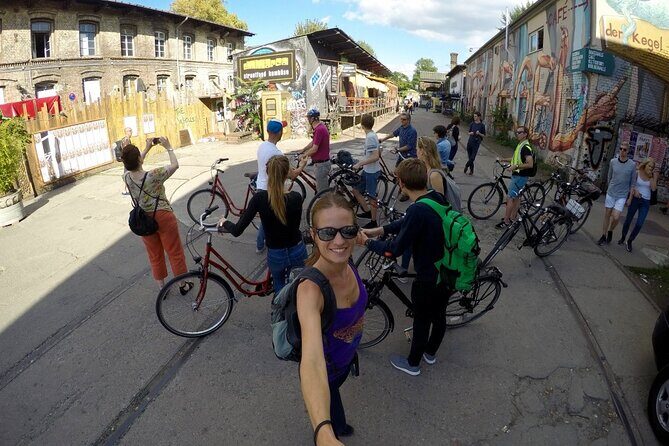
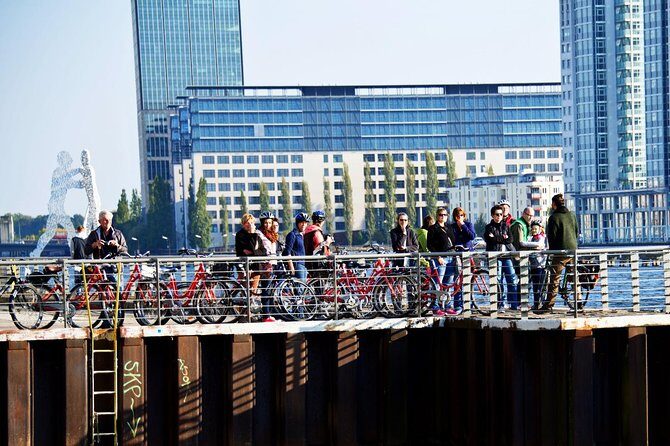
One of the best sections is the time you get to enjoy the Spree River. You’re still in the city, but the water gives you a visual reset. And since the tour is roughly 17 kilometers, these scenic stretches matter because they reduce that “three hours straight” feeling.
A standout stop is the Berlin Tag und Nacht houseboat. It’s a modern, pop-culture-sounding landmark, but the guide uses it as a bridge back to themes you’ve already heard: how Berlin repurposes space, how life changes after division, and how different social worlds share the same city space.
Then you’ll hit a Molecule Man photo stop. This is the kind of stop that proves the tour isn’t trying to win by only showing famous buildings. Instead, it highlights quirky, character-rich Berlin details—things you might not notice on your own even if you’re in the area already.
Not far from there is Club der Visionäre. That name alone hints at what the guide will likely bring to the table: Berlin’s creative culture isn’t only street art and nightlife. It also includes places built for ideas, experiments, and hands-on projects. If you like learning how a city generates new culture (instead of only consuming it), this stop is a good one.
Through Wrangelkiez and Görlitzer Park: the city where art meets everyday life
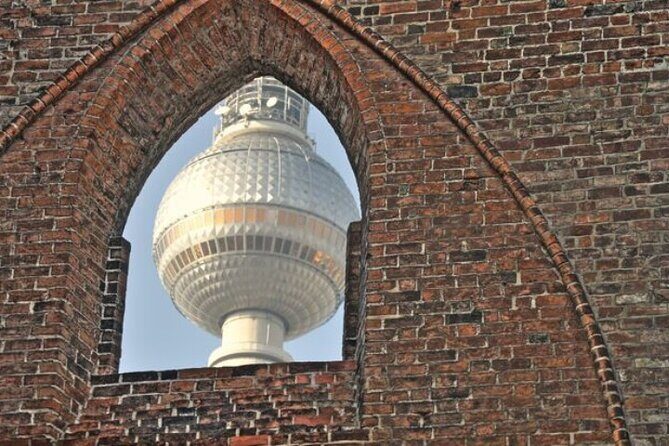
As the tour moves deeper into the neighborhoods, you start seeing why this bike route is described as alternative but not chaotic. The ride spends a lot of time on quiet side streets and scenic bike paths, which makes it easier to actually look at your surroundings instead of bracing for traffic.
You’ll pass through Wrangelkiez, and then the tour reaches Görlitzer Park. Görlitzer Park is a great example of Berlin’s “contrasts in one place” logic. This is where the city can feel relaxed and social at the same time. The guide’s job is to connect that feeling to how the area changed over time after the fall of the Berlin Wall, including topics like gentrification and social transformation.
In the reviews, I see a strong theme: riders liked that the guides made the stops interactive, not lecture-only. People mention guides like Fiona for being especially interactive, and Jake for making the tour feel like a shared discovery rather than a conveyor belt. That fits this part of the route well, because parks and neighborhood corners are where you can ask questions and notice details.
Creative building blocks from CarLoft Modul to Maybachufer
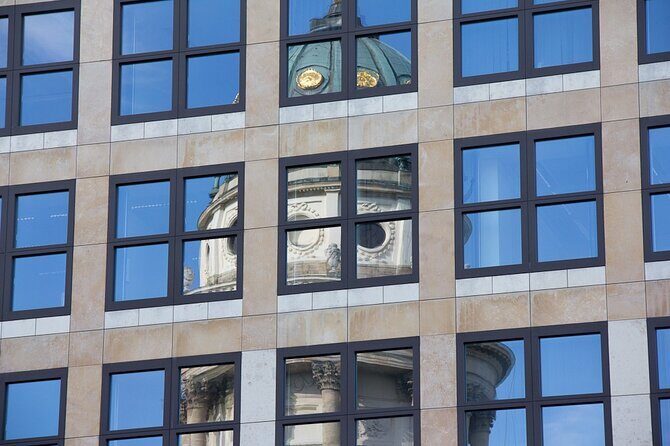
Now the tour leans even more into the “Berlin reinvention” story with stops that feel like snapshots of design, renovation, and new uses for old space.
You’ll visit CarLoft Modul GmbH. This is the kind of location that looks like it belongs in a city that plans less and improvises more. Again, the value isn’t only the object—it’s how the guide ties it back to the larger story of how Berlin got from a divided past to a living present full of experiments.
Next, you ride toward Maybachufer. The canal-and-riverside element helps here. Even if you’re not obsessed with architecture, it’s easier to understand neighborhood character when you can see how the built environment meets the water and the street life around it.
A photo stop follows at Admiralbrücke. Bridges and overviews work like memory anchors. They give you a wider view so the guide’s stories about change and contrast land more clearly.
Kottbusser Tor to Rio-Reiser-Platz and Bethanien: art, motion, and neighborhood identity
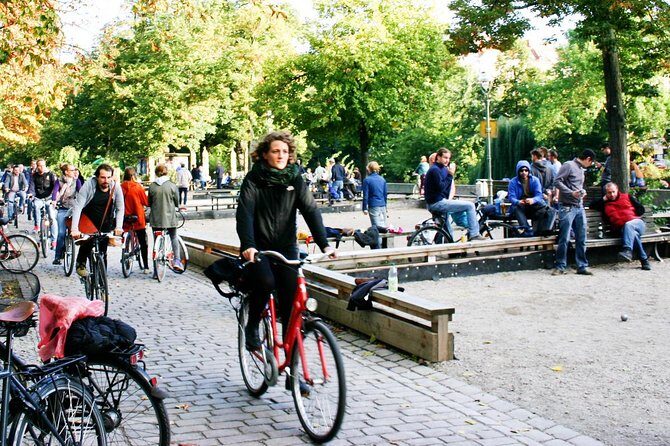
By the time you reach Kottbusser Tor, you’ve already collected a lot of Berlin “signals” along the way. Kottbusser Tor is a good place for the guide to tie together the tour’s biggest through-line: the mix of grassroots culture, changing demographics, and the way alternative areas evolve rather than freeze.
Then comes Rio-Reiser-Platz. This stop is one of those city-name details that makes sense only when you have a guide explaining why it matters. You’ll get the sense that Berlin doesn’t just have monuments. It also has living places where identity stays tied to the people and scenes that shaped it.
After that, you arrive at Künstlerhaus Bethanien, another guided stop. This is a strong endpoint because it feels like an institutional version of the creativity you’ve seen throughout the tour. If earlier stops showed creativity in space, street art, and nightlife adjacency, Bethanien helps show how Berlin organizes it into ongoing cultural work.
Finally, you loop back to Poststraße 11 to end where you started.
Pace, group size, and what makes the bike tour actually work
Let’s talk about what makes this tour enjoyable in real life, not just on paper.
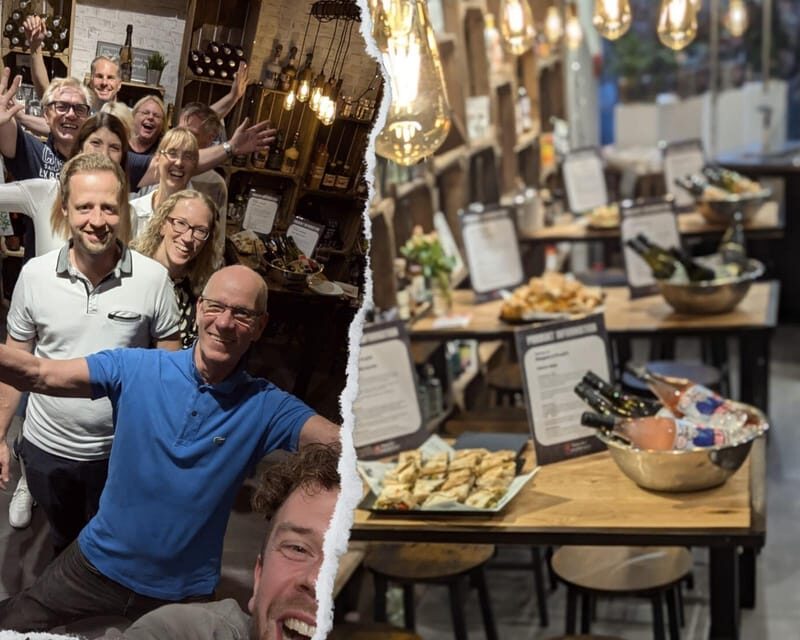
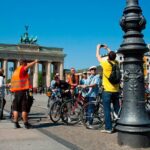
You’re riding about 17 kilometers over three hours with a small group (up to 15). That’s a good ratio. You can cover ground without feeling like you’re doing a chore. You’re also not stuck with long “sightseeing stretches” because the guide plans stories and stops every 5–10 minutes. That rhythm keeps your attention from fading and gives you time to take photos without sprinting between them.
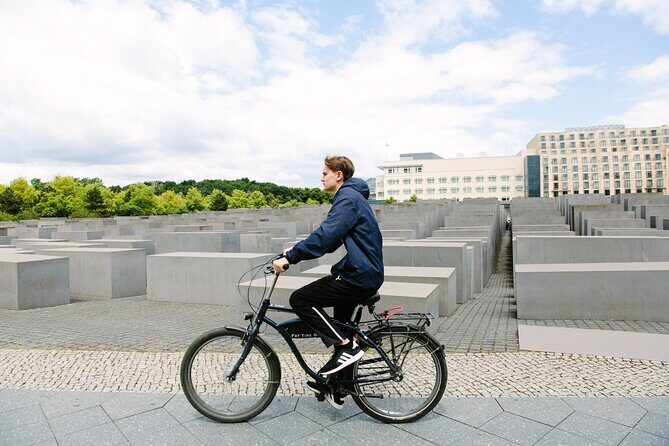
The ride also leans practical: bikes come with baskets, and they’re regularly serviced. If rain shows up, you’ll have waterproof ponchos. You can also request a bike helmet. If you have large baggage, you can leave it with the operator for the duration of the tour. These details are small, but they matter because they reduce friction. A bike tour goes wrong when you’re fighting gear problems or feeling rushed before you even start enjoying the city.
Heat is the one real variable to prepare for. One rider specifically notes it was hard going with hot sun, and the guide made sure everyone was okay. So bring water and plan to slow your pace if you need to. The tour’s laid-back attitude helps, but your body still sets the limits.
Who this tour suits best (and who might want a different one)
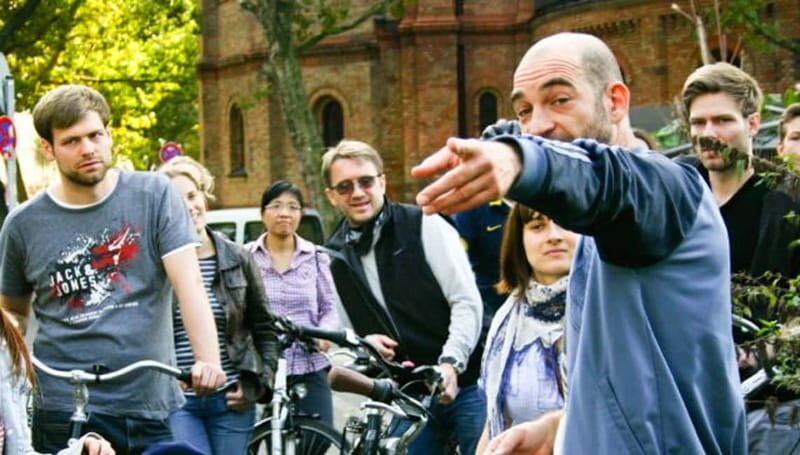
This experience is a great fit if you want Berlin with personality. I think it works best for people who:
- like neighborhood stories more than only landmark checklists
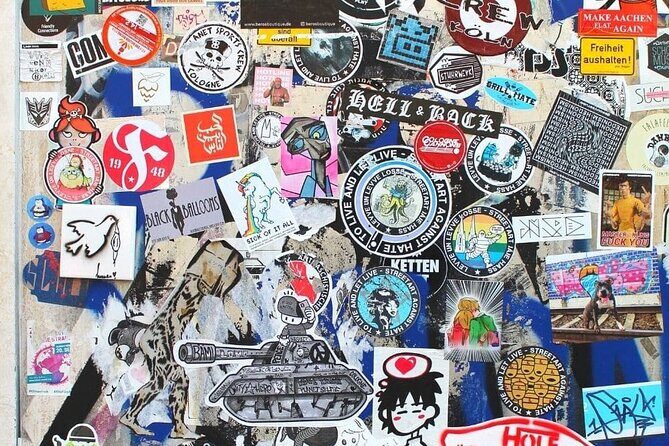
- enjoy street art, alternative culture, and the way old divisions became new communities
- want a bike tour that includes practical comfort (helmets on request, ponchos, serviced rental bikes)
It may not be the best fit if:
- you only want the most iconic, mainstream sites and short explanations
- you’re uncomfortable with nightlife-adjacent stops or the tour’s focus on squatted houses, social transformation, and neighborhood tensions (it’s part of what the guide explains)
Should you book the Berlin Alternative Kreuzberg Bike Tour?
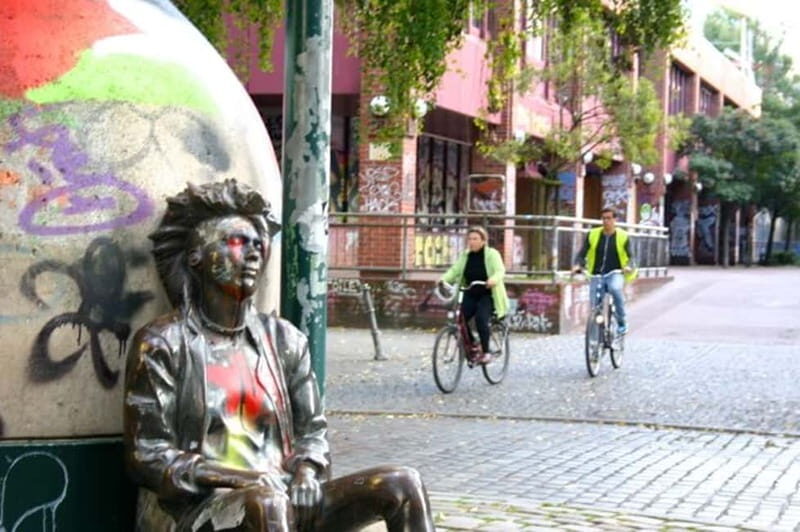
If you’re spending limited time in Berlin and you want more than monuments, I’d book it. For $41, you get a 3-hour guided ride, bike rental included, and a stop-and-story format that keeps things moving without turning into a race. The real value is the combination: a relaxed bike experience plus local storytelling that connects the Wall-era past to Berlin’s modern life in Kreuzberg, Friedrichshain, Neukölln, and Treptow.
I’d say go for it if you want to feel how Berlin lives day to day, not only how it used to look on postcards. If your ideal day is quiet museums and nothing else, you might prefer a different style of tour. But if you like your history with street-level detail, this is a strong choice.
FAQ
How long is the bike tour, and how much distance do you cover?
The tour lasts 3 hours and is roughly 17 kilometers.
What’s included in the price?
The price includes bike rental of your choice. A bike helmet is available if requested, and waterproof ponchos are provided if it rains.
Where do we meet the guide?
Meet your guide at the office at Poststraße 11, in the courtyard entrance. Look for the FREE BERLIN sign.
Is the tour family-friendly?
Yes. The tour is listed as family-friendly, and children are welcome. Infant seats can be provided on request.
What languages are available for the live guide?
The tour guide is available in English, German, and French.
Is there a private option or customization?
Yes. The operator offers private or small groups, and the guides can tailor routes based on the group’s interests and current events. Private tours are available by request.
How many people are in the group?
The tour is described as a small group, with up to 15 people.