REVIEW · HAMBURG
Dialogue in the Dark (German Tour)
Book on GetYourGuide →Operated by Dialoghaus Hamburg (Dialogue Impact gGmbH) · Bookable on GetYourGuide
Total darkness turns everyday life into a lesson. I like how blind hosts guide you with confident care, and I really value the after-tour Q&A in the Dunkelbar where you can ask what you truly wondered about. The main drawback to consider is that the tour is German, so if you don’t speak it well you may follow less of the conversation.
I also appreciate that this isn’t a big, chaotic crowd. You go in small groups (up to 8), you get a long stick, and you’re handed practical challenges like navigating paths, crossing areas, and experiencing familiar settings in a new way. Plan on feeling slightly unsure at first—that’s part of the point, but it can be a lot if you hate not seeing.
If you want Hamburg from the angle of trust, senses, and empathy, this is one of the most human things you can do in Northern Germany. And yes, once you stop trying to “see,” the experience starts to make sense fast.
In This Review
- Key moments that make this tour special
- What Dialogue in the Dark Really Does: 60 Minutes Without Sight
- Alter Wandrahm 4 Meet-Up and the Safety Briefing That Matters
- The Lightless Walk: Park-Style Navigation, Street Crossing, and Familiar Scenes
- The Small Group Size: Why Up to 8 People Changes Everything
- Trust and Talk: What the Dark Bar Adds After the Walk
- HSV Theme Tour: Football in the Dark for Fans Who Want More
- Price and Value: Why $30 Can Be Worth It
- Who Should Book This, and Who Might Want to Skip It
- Tips for First-Timers: How to Make the Dark Work for You
- Should You Book Dialogue in the Dark in Hamburg?
- FAQ
- Where does the tour start?
- How long is the experience?
- Is the tour guided in English?
- Are groups large?
- What’s included in the ticket price?
- Are drinks included?
- Is there a place to ask questions after the tour?
- Is the tour wheelchair accessible?
- Can you take photos during the experience?
- Is free cancellation available?
Key moments that make this tour special
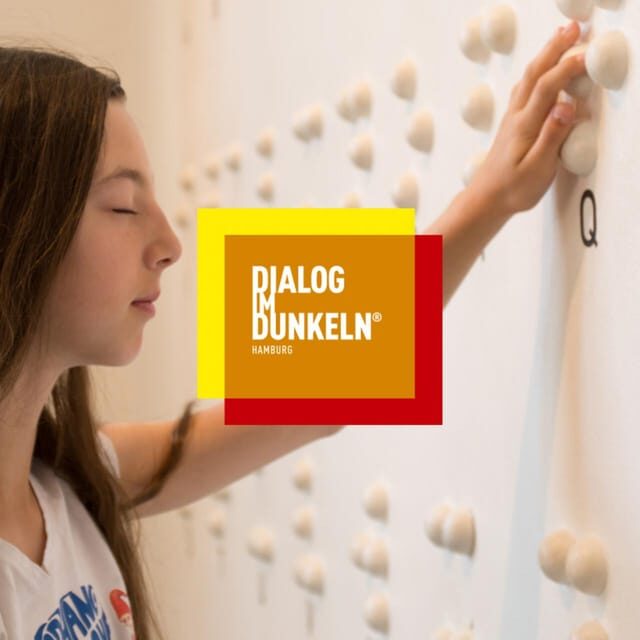
- Guided by blind hosts who lead you through everyday scenarios with calm certainty
- A long stick and real wayfinding that helps you build confidence in the dark
- Small groups (max 8) so you’re not one of many voices in the noise
- Dunkelbar Q&A to turn impressions into understanding after you finish the walk
- Optional HSV football theme tours at selected times for sports fans who like a twist
What Dialogue in the Dark Really Does: 60 Minutes Without Sight
Dialogue in the Dark is built around one simple rule: you experience daily life with no sight. In practice, that means you’re guided through scenarios that usually rely on vision—like moving through outdoor spaces and stepping into social settings—so you feel what changes when sight disappears.
What I love about this setup is how it forces your brain to switch from looking to listening, sensing distance, and trusting someone’s guidance. Instead of talking about blindness in theory, you experience the friction points firsthand: where your body wants reassurance, where it panics, and where it adapts.
You’re not alone in the darkness. You’re with blind or visually impaired hosts who act as your anchors, and you’ll be shown how to move, how to wait, and how to respond to cues you can’t see. That trust element is the heart of the whole thing.
You can also read our reviews of more tours and experiences in Hamburg.


Alter Wandrahm 4 Meet-Up and the Safety Briefing That Matters
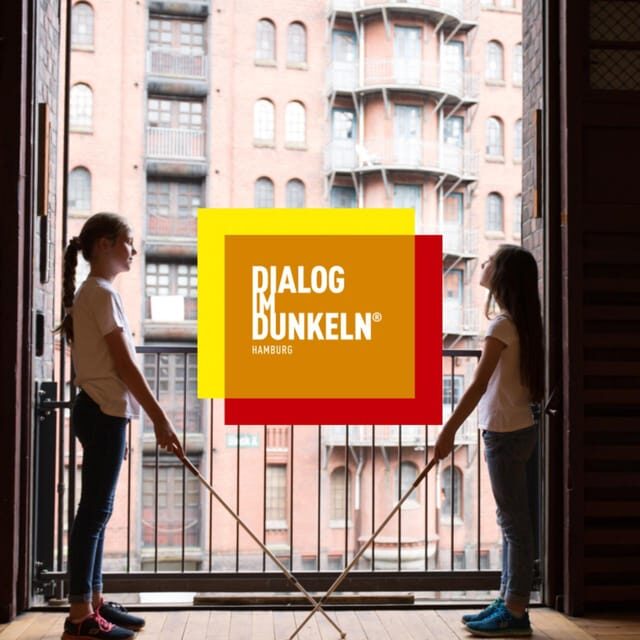
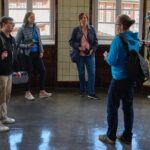
Your experience starts at Alter Wandrahm 4. Before you go anywhere dark, you’ll have a safety briefing that’s designed to reset expectations and get you ready to participate, not just watch.
Even without seeing, your brain needs a sense of order. That briefing gives you basic rules for how to move and how to behave in a space where vision can’t guide you—important for both safety and comfort. If you’ve never been in near-total darkness before, take the briefing seriously; it will save you stress later.
One practical thought: arrive a little early and keep things simple for yourself. Once you start moving, you don’t want extra distractions like juggling bags, bulky items, or anything you’ll need to manage one-handed.
The Lightless Walk: Park-Style Navigation, Street Crossing, and Familiar Scenes
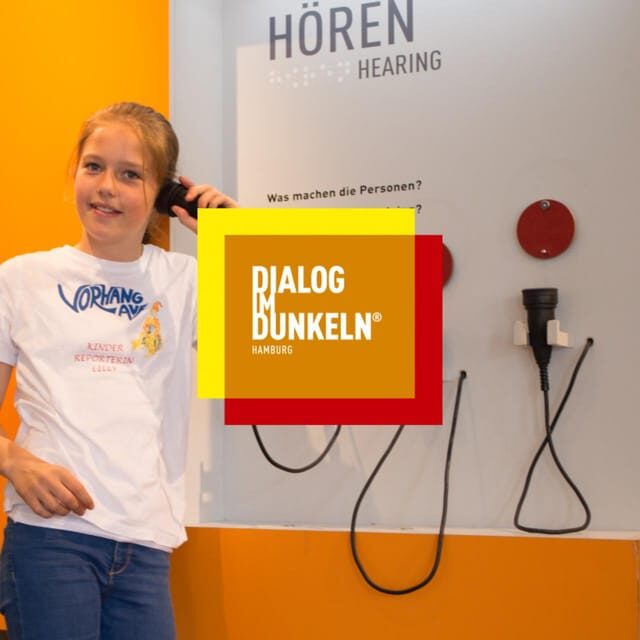
The main event is your guided course through complete darkness. The idea is to take you through situations that feel ordinary on the surface—like walking through a park or crossing a street—then make you experience them in a totally different way.
You’ll be equipped with a long stick. That detail changes how you relate to space. It’s not about magic gadgets; it’s about giving your hands a way to “read” the environment and confirm what’s ahead. If you’re the kind of person who gets anxious when you can’t control what’s around you, this is the moment where you start building a new kind of control.
During the tour, your guide leads you from one scenario to the next. You might feel moments of uncertainty when you can’t see who’s near you or what direction you’re facing. But that uncertainty is also what makes the learning real—your body starts understanding that relying on other cues is possible.
Also pay attention to timing. When you can’t see, you become more aware of when to stop, when to move, and how others communicate through subtle instructions. You’ll likely come away more sensitive to how much blind people can depend on non-visual communication in everyday life.
The Small Group Size: Why Up to 8 People Changes Everything
This tour runs in small groups, limited to no more than 8 people. That limit matters more than it sounds. In a group this size, your guide can manage transitions smoothly, and you can ask questions afterward without feeling like your chance will get swallowed.
In darkness, people react differently. Some want to talk; some go quiet. The small size helps you feel less like you’re in a production and more like you’re being supported through an experience.
It also helps that your hosts are the experts. You’ll feel that difference quickly: they guide with certainty, and they don’t rely on visual contact. Instead, they use cues you can respond to, which makes it clear how skillful and methodical this experience is.
If you prefer tours that feel personal rather than crowded, this is one of the better formats. If you hate feeling dependent on other people, this might still be uncomfortable—but it won’t be overwhelming in the same way a large group would be.
Trust and Talk: What the Dark Bar Adds After the Walk
When you finish the dark course, you’re directed to the Dunkelbar, the dark bar area where you can continue the experience through conversation. The drink itself is not included, but the idea is that the bar gives you a calm setting to ask questions that came up during the tour.
This is where I think the experience becomes especially valuable. During the walk, you’re busy adapting. Afterward, your questions get sharper: How did the guide decide when to move us? What signals matter most? What felt difficult for you in the same moment?
I like that Dialogue in the Dark actively encourages that follow-up. You’re not just left with a vague feeling of empathy; you get a chance to understand the practical side—what’s hard, what works, and what people want sighted visitors to realize.
In one of the German experiences I looked at closely, the guide Jenny stood out for how well she led the tour. That kind of hosting matters here: the better your guide, the more comfortable you’ll feel asking questions once you’re back in a social space.
Tip: if there’s something you didn’t understand in the dark, write it down in your head. Even one clear question can turn your whole experience into something you remember for years.


HSV Theme Tour: Football in the Dark for Fans Who Want More
At selected times, there’s a special HSV Theme Tour that focuses on football. If you’re a sports fan, this is a clever way to build on the main concept: instead of everyday life, you experience fan culture and football objects in total darkness.
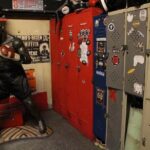
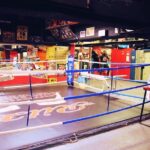
The theme tour includes a football museum component and a reconstructed Volkspark Stadium of HSV. The structure sounds designed to keep your brain engaged with familiar football references—then wipe away the vision so your senses do different jobs than you expect.
You’ll still end in the dark bar area, where you can learn more about life as a blind football fan and ask questions. Even if you’re not an HSV superfan, the value is the same: you get to compare how your mind works in a subject you think you understand, but without sight.
If you’re deciding between the standard experience and the HSV version, choose based on your motivation. If you want to focus on everyday navigation and empathy, go standard. If you love football and want a themed layer on top, look for the HSV dates.
Price and Value: Why $30 Can Be Worth It
The price is about $30 per person for the experience. On paper, that might sound like a single attraction. In practice, you’re getting a guided program with a safety briefing, a full one-hour guided course in darkness, and time for post-tour questions in the Dunkelbar area.
The real value here is not the spectacle. It’s the structure: small groups, trained blind or visually impaired hosts, and a setting that forces you to practice trust rather than just observe. That’s why people tend to leave with clearer understanding instead of just a cool story.
Also, this experience is short enough that it fits into a normal travel day. You’re not committing to a full half-day excursion. You can pair it with other Hamburg sights and still have energy left.
One more practical point: drinks are not included. If you want the full “ask questions while you have a drink” moment, budget a little extra. But you don’t need to overspend to get the educational value—the bar is about conversation and reflection.
Who Should Book This, and Who Might Want to Skip It
I think this tour is a great match if you enjoy experiences that change how you think, not just what you see. It’s especially strong for people who like guided learning and want to ask real questions afterward.
You might really enjoy it if you:
- want to understand disability from a practical perspective
- like small-group interactions
- enjoy hands-on, sensory learning
- are comfortable hearing and following instructions in German
If you hate uncertainty or you feel panicky when you can’t see, consider whether this is the right day for it. The tour is designed to be safe and guided, but it’s still total darkness. You should go in expecting discomfort to be part of the process.
For families, it can work well depending on age and temperament, but the tour language is German, so families should plan accordingly. For solo travelers, it’s a solid pick because the group is small and the hosts guide you step by step.
Tips for First-Timers: How to Make the Dark Work for You
You can’t prepare for total darkness in a fully rational way, but you can make it easier on yourself.
First, mentally accept the learning curve. In the first minutes, you’ll likely feel disoriented, and that’s normal. After that, you’ll start recognizing patterns in how your guide communicates.
Second, keep your gear simple. You’ll have a long stick and you’ll be moving. Any extra clutter makes everything harder. If you’re carrying a bag, make it easy to manage while you’re guided.
Third, think of your body as the instrument. Don’t fight every obstacle with panic. Instead, let your hands and feet do their job. Once you stop trying to recreate sight, you’ll find your rhythm faster.
Finally, plan for questions. The tour’s best moments can come after the walk when you sit and process what you just learned. If you can, go in ready to ask one practical question about navigation, communication, or what surprised you.
Should You Book Dialogue in the Dark in Hamburg?
Yes, you should book it if you want a short, high-impact experience that teaches empathy through real practice. The combination of blind hosts, small group size, the long stick, and the chance to talk in the Dunkelbar is a strong package for the money.
I would hesitate only if your German is limited and you’re worried you’ll lose the conversation, or if total darkness would seriously stress you out. If either of those fits you, you can still consider it, but choose the calmer side of your personality and be honest about what you can handle.
If you’re even mildly curious about how people navigate the world without vision, this is one of the most direct ways to learn—and you’ll leave with understanding that feels real, not just emotional.
FAQ
Where does the tour start?
It starts at Alter Wandrahm 4.
How long is the experience?
The safety briefing takes about 20 minutes, and the guided tour takes 1 hour.
Is the tour guided in English?
No. The live tour guide is German, and some content may be shown in its original language.
Are groups large?
No. It’s a small-group experience limited to no more than 8 participants.
What’s included in the ticket price?
You get entrance to Dialoghaus Hamburg (Dialoghaus Hamburg) and the guided tour.
Are drinks included?
No. Drinks are not included.
Is there a place to ask questions after the tour?
Yes. There is a dark bar setting (Dunkelbar) where you can ask questions that came up during the dark course.
Is the tour wheelchair accessible?
Yes, it is wheelchair accessible.
Can you take photos during the experience?
Flash photography is not allowed.
Is free cancellation available?
Yes. You can cancel up to 24 hours in advance for a full refund.