REVIEW · BERLIN
Berlin: Classical concerts at the Bode Museum Berlin
Book on GetYourGuide →Operated by Berliner Schlosskonzerte · Bookable on GetYourGuide
Music in a museum hall feels different. In the Bode Museum’s Gobelin Room, you get a proper “music-and-art” evening where the setting matters as much as the notes. It’s also a strong pick if you like internationally known performers and programs that range from Baroque to Beethoven.
What I like most is the combination: concert tickets plus free museum admission. That means you can arrive early, get your bearings, and still make it to the music without burning daylight elsewhere.
One thing to plan for: the evening is all about that specific room on the first floor, and you only choose a seating category (not exact seats). If you hate last-minute wayfinding, show up a bit early—finding the hall can be the trick.
In This Review
- Key highlights at a glance
- Why the Bode Museum’s Gobelin Room matters for classical music
- The 2026 program calendar: pick your composer mood
- February 2026: Italian Masters of the Baroque
- Late March 2026: the start of Romantic color
- Early April 2026: romance in vocals and strings
- April 3 and April 6: Haydn and Beethoven-Liszt dialogue
- May 9–10, 2026: Bach and Mozart, plus a staged Mozart evening
- What a 90-minute concert schedule really feels like
- Price and value: what $37 buys you (and what to watch for)
- Ticket pickup and finding the Gobelin Room on the first floor
- The kind of concert program you’ll enjoy most
- Practical tips so you actually enjoy the concert
- Should you book this Bode Museum concert series?
- FAQ
- Where is the concert held?
- How long is the concert?
- Is museum admission included?
- Do I need to choose specific seats?
- Do I get a break during the program?
- What do I need to do at the venue?
- Is food included?
- Is it wheelchair accessible?
- Can I cancel if my plans change?
- What 2026 dates and programs are scheduled?
Key highlights at a glance
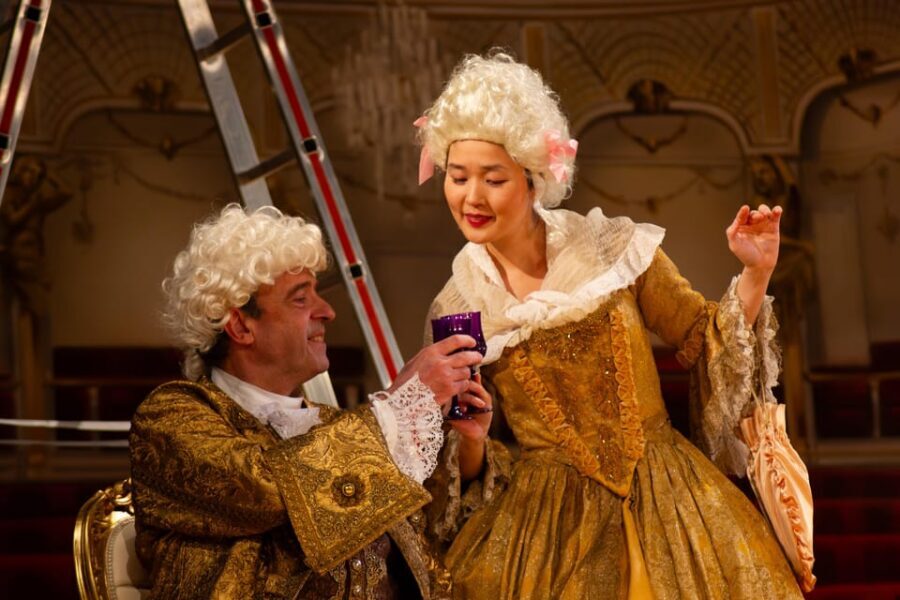
- Gobelin Room atmosphere: a historic, focused space that makes the concert feel like an event
- Free museum admission included: you can turn one ticket into a longer cultural stop
- A 2026 program with variety: Baroque, Romanticism, Mozart, Haydn, Beethoven-Liszt
- International performers: names like Mozart Ensemble Berlin and singers/pianists you can track down
- Usually includes a break: a calmer rhythm for a 90-minute to two-hour evening
- Seat categories only: you’ll get the category you choose, but not a specific seat
Why the Bode Museum’s Gobelin Room matters for classical music
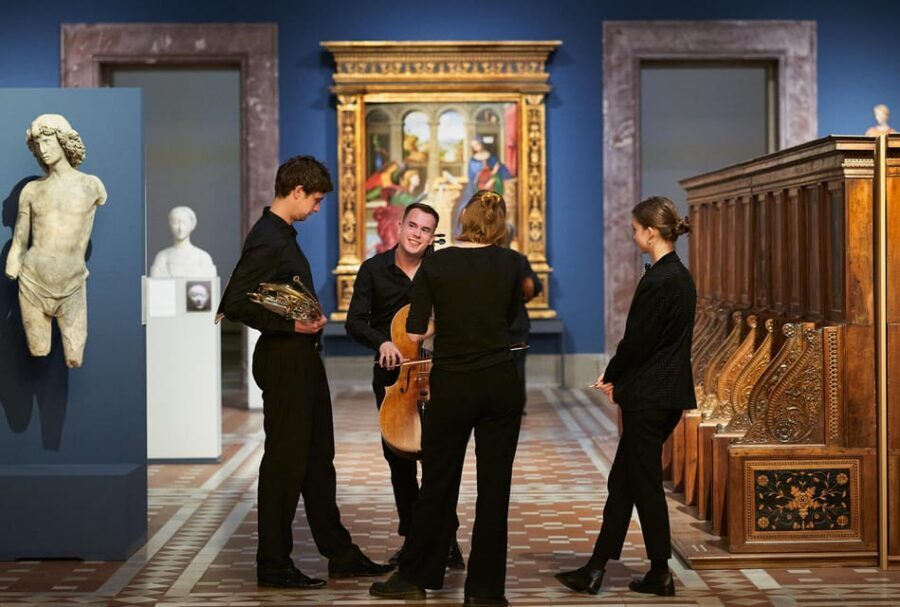
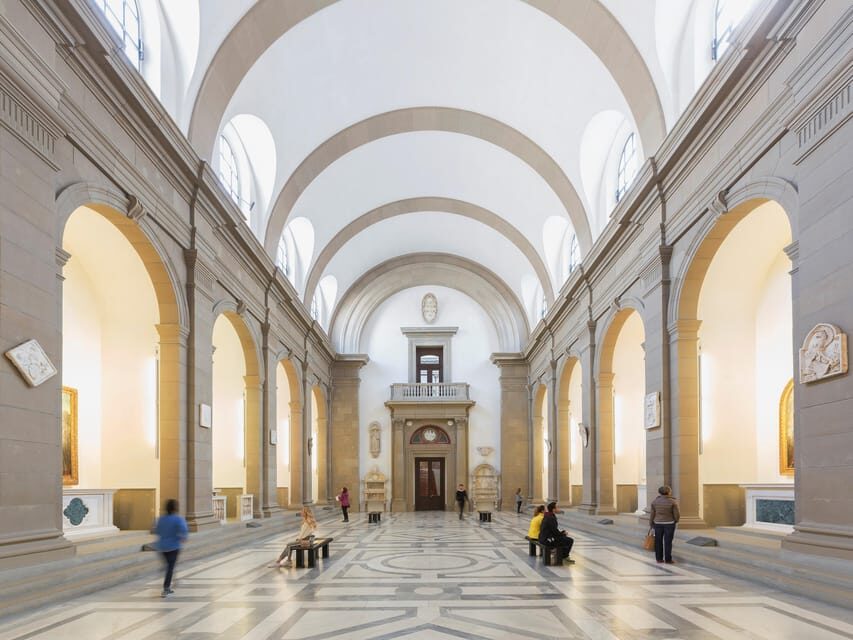
The Bode Museum isn’t just a museum you pass through—it’s a building that already feels “staged.” The Gobelin Room, on the first floor, is where these concerts happen, and that choice makes a difference.
In most Berlin concert venues, you’re mostly thinking about sightlines. Here, you’re thinking about both the architecture and the listening experience. You’re in a historic setting built for atmosphere, so the music lands with a bit more weight than a bare hall.
And if you’re the kind of person who likes pairing arts—music with visual art—this is the rare evening where it’s not forced. You’re already inside a major museum, not just outside it.
You can also read our reviews of more museum experiences in Berlin


The 2026 program calendar: pick your composer mood

This series runs on specific dates, and the lineup shifts through styles. That’s your best clue for choosing what to attend. If you want a pure period vibe, go Baroque. If you want drama and big emotion, go Romantic or Beethoven.
Here are the scheduled highlights for 2026:
February 2026: Italian Masters of the Baroque
- Feb 14, 2026: Italian Masters of the Baroque
- Susanne Ehrhardt (recorders)
- Christian Finke (chest organ)
This one is built for listeners who love texture. Recorders give you a clear, airy sound, and the chest organ adds that older-instrument depth.
Late March 2026: the start of Romantic color
- Mar 28, 2026: The Birth of Romanticism
- Mozart Ensemble Berlin
If you’re curious about the bridge between classical clarity and Romantic feeling, this kind of program is a smart way to hear the transition.
Early April 2026: romance in vocals and strings
- Apr 1, 2026: Pure Romance – Romantic Duets
- Inês Pinto (soprano)
- Kristina Naudé (alto)
- Beatrice Wehner-Schaller (piano)
- Apr 2, 2026: Italian Impressions
- Marianne Boettcher (violin)
- Yasuko Fuchs-Imanaga (flute)
- Karin Leo (guitar)
- Apr 4, 2026: Piano music to dream to
- Maria-Magdalena Pitu-Jokisch (piano)
- Apr 5, 2026: Romanticism in women’s hands
- Beatrice Wehner-Schaller (piano)
These dates are ideal if you prefer music that feels intimate. Duets with soprano and alto are all about interplay, and the piano-focused nights are perfect when you want the evening to slow down.
A few more Berlin tours and experiences worth a look


April 3 and April 6: Haydn and Beethoven-Liszt dialogue
- Apr 3, 2026: The Seven Last Words by Joseph Haydn Op. 51
- Mozart Ensemble Berlin
- Apr 6, 2026: Beethoven-Liszt in dialogue
- Naoko Fukumoto (piano)
Haydn’s work has a serious, contemplative reputation, and a chamber-style ensemble approach usually keeps it close and intense. The Beethoven-Liszt pairing is a good move if you like contrast: Beethoven’s force meets Liszt’s flair, with the piano as the center of gravity.
May 9–10, 2026: Bach and Mozart, plus a staged Mozart evening
- May 9, 2026: Bach Violin Sonatas 2
- Marianne Boettcher (violin)
- Yuko Tomeda (harpsichord)
- May 10, 2026: Mozart: Bastien and Bastienne & Gluck: The Converted Drunkard
- Yuri Mizobuchi (Bastien)
- Inês Pinto (Bastienne)
- Stephen Barchi (the magician)
- Marcel Benedikt (Jacob Ofenloch)
- Kristina Naudé (Barbara)
- Roland Treiber (staging)
- Mozart Ensemble Berlin
This is the most “full evening” option because it includes staging. If you want opera and theatre energy without sitting through a massive production, this date fits the bill.
One quick note: the program can change, so check the specific concert day when you book.
What a 90-minute concert schedule really feels like
The listed duration is 90 minutes, but in real life you should expect the concert to run between 90 minutes and two hours, usually with a 20-minute break.
That timing matters because it shapes your day. You don’t need to commit to an entire night downtown. It’s long enough to settle in, but short enough that you can still eat afterward and keep your Berlin plans intact.
Also, the evening is in a single room. So you don’t have to hop between locations or lose time figuring out the sequence. Your main job is simple: arrive, get tickets, find your seating category, and be ready for the music.
Price and value: what $37 buys you (and what to watch for)
The price listed is $37 per person, and the bigger value here is what comes attached. You get:
- Concert tickets
- Free museum admission
That’s not just a “bonus.” If you’re planning to visit the Bode Museum anyway, the concert ticket can function like a time-ticket for a second experience in the same cultural setting.
Now, here’s the part worth paying attention to. One past booking note flagged that third-party pricing can be higher than on-site box office prices. For example, a review compared 64€ online versus 48/40€ at the ticket desk. So if you’re price-sensitive, it can be smart to compare the cost for your exact concert date.
Bottom line: this is often strong value if you’ll use the museum time. If you only want the music, do a quick price check first.
Ticket pickup and finding the Gobelin Room on the first floor
The Gobelin Room is on the first floor of the Bode Museum. Your job is to present your voucher at the box office to receive your tickets.
This is one of those details that can make or break your stress level. One review noted that the search for the concert hall was a little difficult and that it would have been easier with a guide. Another point: you don’t pick exact seats, only a seating category, so you’ll still need to locate your section smoothly.
My practical advice:
- Arrive early enough to handle museum navigation.
- Don’t plan to sprint across galleries right before the start.
- If you’re going on a busy day, give yourself extra time to find the first-floor route and ticket counter.
And yes—wheelchair accessible is listed, so you can plan around that too.
The kind of concert program you’ll enjoy most
These concerts are designed for people who like classical music and opera in a historic setting. The lineup isn’t just “same style all month.” You get clear contrasts:
- recorder + chest organ for Baroque color
- piano-only programs when you want focus
- duets and Romantic vocal writing
- Haydn’s serious tone
- a staged Mozart/Gluck evening with named roles
That mix makes it easier to choose a night that matches your energy level. If you want something lighter and theatrical, go for the Mozart/Gluck staged program. If you want quiet concentration, choose a piano night. If you want a composer-driven listening challenge, pick Haydn or the Beethoven-Liszt dialogue.
Also, expect internationally known artists and ensembles—names like Mozart Ensemble Berlin show up more than once. If you like following performer careers, this format helps you do it without needing to chase separate tickets across the city.
Practical tips so you actually enjoy the concert
Food isn’t included, so plan your meal timing. If you arrive early for museum time, eat either before you go in or plan something afterward so you’re not rushed during the interval.
Because you only choose a seating category, wear shoes you can stand comfortably in, at least briefly. It’s a small but real thing—concert-goers tend to feel “locked in” once they’re seated, so being comfy helps.
Finally, treat it like a museum visit first, concert second. The “free museum admission” perk is there for a reason. If you use it well, you’ll feel more connected to the place you’re listening in—not just passing through on the way to the music.
Should you book this Bode Museum concert series?
Yes—if you want a Berlin classic that feels more intentional than a random night out. The best reason to book is the pairing: concert in the Gobelin Room + free museum entry. That’s a smart way to spend a limited number of evenings without turning it into a checklist.
Skip it or book with extra planning if logistics would stress you out. Since you only select a seating category and you need to use the voucher/ticket desk at the museum, arrive early and don’t rely on last-minute guesses.
If you like the dates and performers—especially duets, Baroque instruments like recorders/chest organ, or the staged Mozart/Gluck evening—this series is an easy “yes” for a musically minded trip to Berlin.
FAQ
Where is the concert held?
The concert takes place in the Gobelin Room on the first floor of the Bode Museum in Berlin.
How long is the concert?
The concert lasts 90 minutes, but it can run between 90 minutes and two hours, usually including a 20-minute break.
Is museum admission included?
Yes. Free museum admission is included with the concert ticket.
Do I need to choose specific seats?
You can only select a seating category, not specific seats.
Do I get a break during the program?
It usually includes a 20-minute break, though the total concert time can vary up to two hours.
What do I need to do at the venue?
You should present your voucher at the box office to receive your tickets.
Is food included?
No. Food is not included.
Is it wheelchair accessible?
Yes, the activity is listed as wheelchair accessible.
Can I cancel if my plans change?
Yes. You can cancel up to 24 hours in advance for a full refund.
What 2026 dates and programs are scheduled?
Programs listed include: Feb 14 (Italian Masters of the Baroque), Mar 28 (The Birth of Romanticism), Apr 1 (Pure Romance Romantic Duets), Apr 2 (Italian Impressions), Apr 3 (The Seven Last Words by Haydn), Apr 4 (Piano music to dream to), Apr 5 (Romanticism in women’s hands), Apr 6 (Beethoven-Liszt in dialogue), and May 9–10 (Bach Violin Sonatas 2; and a Mozart/Gluck staged program).