REVIEW · BERLIN
Berlin: Classical concerts in Köpenick Palace – Aurora Hall
Book on GetYourGuide →Operated by Berliner Schlosskonzerte · Bookable on GetYourGuide
Berlin can be loud. This isn’t. You’ll trade street noise for classical performances inside Aurora Hall at Köpenick Palace, with a ticket that also gives you time in the palace museum. I love the way the historic room frames voices and instruments, and I love how the program line-up lets you choose nights built around specific composers and moods. The main thing to consider is comfort: at least one recent seat report flagged excessive heat with no air-conditioning.
You’re not signing up for a tour that feels like homework. This is a focused concert evening—structured enough to plan your day around, but flexible because each date is its own complete “what you’ll hear” experience. If you get warm easily or you hate long still seating, plan smarter with what you wear and how you arrive.
In This Review
- Key Things I’d Highlight Before You Go
- Aurora Hall at Köpenick Palace: The Setting That Changes Everything
- What Happens During the 90 Minutes (And How to Plan Your Evening)
- The Palace Bonus: Free Museum Admission Before or After
- Your Real Choice: Pick a Date Based on the Music Style
- February 15, 2026: Pure Romance – Romantic Duets
- March 8, 2026: Mozart Piano Works Complete Performance (2nd Program)
- March 22, 2026: Mozart – Songs, Arias, and Duets
- March 29, 2026: The Seven Last Words of the Savior on the Cross
- April 3, 2026: The Music Book of Frederick the Great
- April 4, 2026: Mozart Piano Works Complete Performance (3rd Program)
- April 5, 2026: Piano Magic for 4 Hands
- April 6, 2026: Classical Violin Sonatas
- May 1, 2026: Schubert Potpourri
- May 10, 2026: Bach Violin Sonatas 2
- May 17, 2026: Piano Music to Dream To
- May 31, 2026: Iberian Sounds
- Artists and Ensembles: Why the Performers Matter
- Comfort, Rules, and Small Real-Life Issues You Should Expect
- Price and Value: Is $33 a Good Deal?
- Who This Concert Series Fits Best
- Should You Book This Classical Concert in Aurora Hall?
- FAQ
- Where do I meet for the concert?
- How long is the concert?
- How much does it cost?
- Is museum admission included?
- Is Aurora Hall wheelchair accessible?
- Are audio recordings allowed during the performance?
- Is alcohol or drugs allowed?
- What dates are available in 2026?
- What if I need to cancel?
Key Things I’d Highlight Before You Go
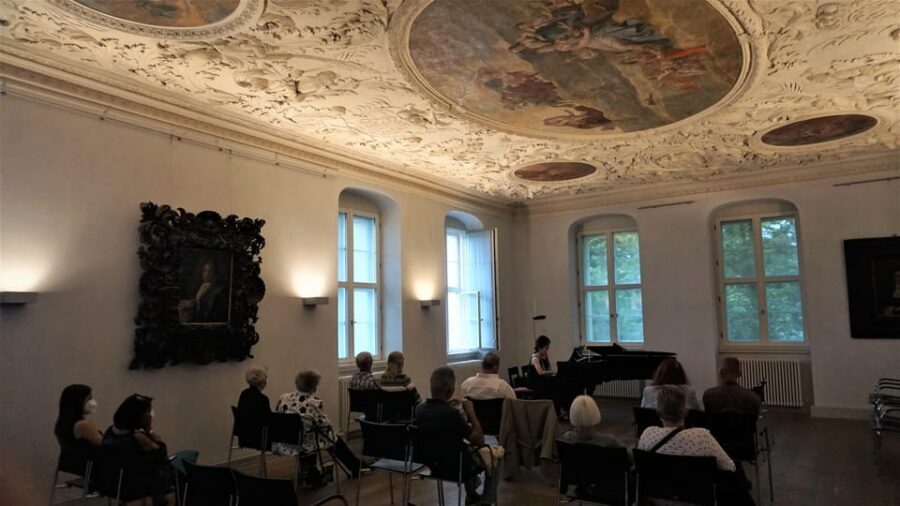
- Aurora Hall’s classic setting: A historic palace room that makes the music feel closer and more “event-like.”
- Free museum admission: You can turn one ticket into two experiences—music plus palace time.
- 90 minutes is a sweet spot: Short enough for an easy Berlin evening, long enough for real music impact.
- A 2026 schedule you can shop like a playlist: Romantic duets, Mozart cycles, recorder/harpsichord, violin sonatas, and more.
- International performers and variety: You’ll hear opera voices, piano recitals, chamber-style combinations, and ensembles.
- Strict listening rules: No alcohol/drugs and no audio recording, which keeps attention on the performance.
Aurora Hall at Köpenick Palace: The Setting That Changes Everything
The real “start” of this experience is the room. Aurora Hall sits inside Köpenick Palace, and the atmosphere matters because it shapes how sound lands. Even before the first note, you can feel that this is meant for careful listening—not a background show.
I like concerts held in spaces built for art. In Aurora Hall, that energy tends to support the music rather than fight it. Vocals and piano both benefit when you’re seated in a hall designed for performance, not a multipurpose room.
One practical note from the comfort side: at least one documented visit mentioned that the hall lacked air-conditioning and ran hot. That doesn’t mean every concert will feel the same, but it is enough that I’d treat it as a planning factor. Wear layers you can manage, and bring a small fan or cooling towel if you’re the type who gets uncomfortable fast.
A few more Berlin tours and experiences worth a look


What Happens During the 90 Minutes (And How to Plan Your Evening)
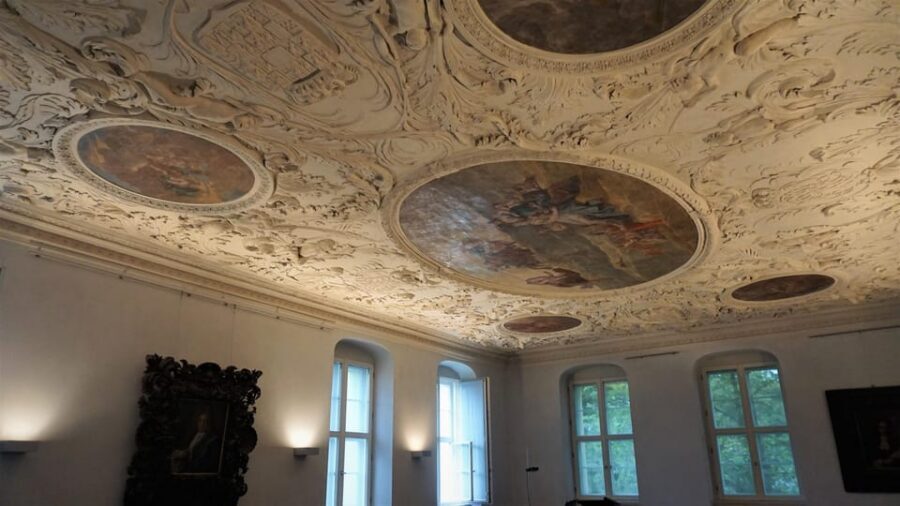
This concert experience runs 90 minutes, which is ideal for Berlin. You can do it as a standalone evening plan, or pair it with a slower dinner nearby and still keep your night from dragging.
Expect the evening to feel like one continuous performance rather than a sightseeing relay. The meeting point is Aurora Hall, so your “tour” time is basically: arrive, get seated, and enjoy the program.
Because the event is short, time your day so you’re not rushing. You want your body calm when music starts—especially if you’re in a seat that doesn’t give you much room to move. If you’re coming from sightseeing, I’d give yourself a buffer and arrive early enough to settle in and adjust to the room temperature.
Also, bring a mindset for listening. This is not built around crowd chatter. The rules (no audio recording, no alcohol/drugs) make it clear the focus is on sound and attention.
The Palace Bonus: Free Museum Admission Before or After
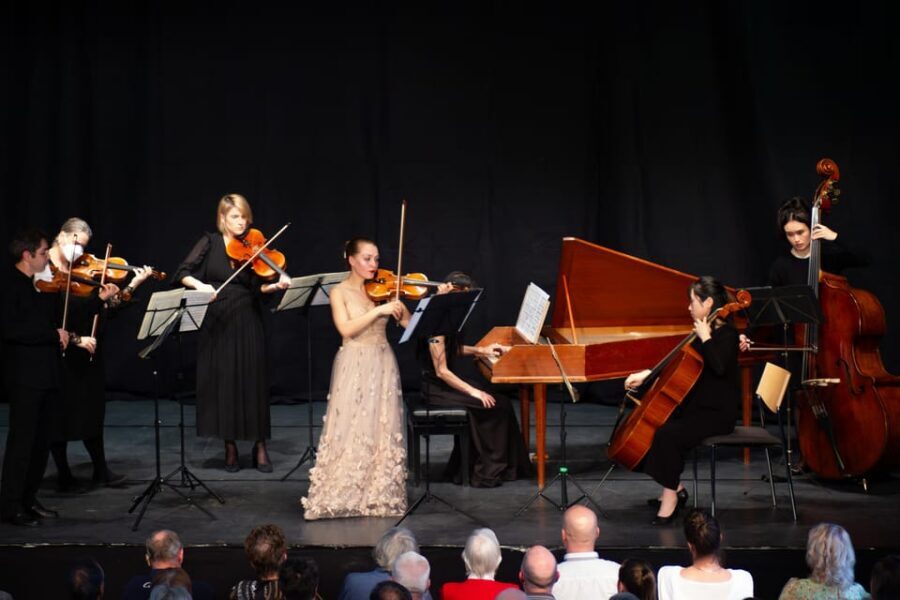
One of the best value adds here is free museum admission included with your concert. That means you’re not paying only for music—you’re also getting time in the palace on your own terms.
How you use it is up to you. If you like pacing, you can arrive earlier, walk at your speed, and then let the concert act like the finale to your palace visit. If you’re more of a “straight to the point” person, you can still use the museum window after the concert if opening times allow.
Either way, this combo makes the ticket feel more complete. For $33, the “extra” museum time can turn the evening into a real cultural outing instead of a simple seated hour-and-a-half.
Your Real Choice: Pick a Date Based on the Music Style
Each scheduled concert date is its own theme. That’s a big deal because you don’t have to settle for a program you’re lukewarm about. Instead, you can “choose your night” like a playlist built by composer and mood.
Here’s the 2026 calendar and what each program is built around:
February 15, 2026: Pure Romance – Romantic Duets
This one centers on romantic duets and vocal color. You’ll hear Inês Pinto (soprano), Kristina Naudé (alto), and Beatrice Wehner-Schaller (piano).
If you’re the type who loves opera-adjacent expression but still wants the intimacy of chamber music, this is a strong starting point. It’s also a good first concert if you’re new to Berlin classical programming and want something immediately accessible.






March 8, 2026: Mozart Piano Works Complete Performance (2nd Program)
This night is a deep dive into Mozart’s keyboard world—structured as part of a larger “complete performance” concept. The performer is Maria-Magdalena Pitu-Jokisch (piano).
A “complete performance” format is great when you want consistency. You’ll hear a unified composer voice and get a clearer sense of Mozart’s range than you’d from a random selection.
March 22, 2026: Mozart – Songs, Arias, and Duets
If you want Mozart with vocals and storytelling, this is it. The performers are Yuri Mizobuchi (mezzo-soprano), Stephen Barchi (baritone), and Graham Cox (piano).
This date is especially appealing if you like text-driven music—pieces where phrasing and dramatic timing matter as much as melody. The piano here acts like a conductor and anchor, shaping how the voices interact.
March 29, 2026: The Seven Last Words of the Savior on the Cross
For a heavier emotional night, this program is built around The Seven Last Words of the Savior on the Cross by Mozart. It’s presented by Mozart Ensemble Berlin.
This is the kind of music that tends to slow your thoughts down. You’ll probably want to arrive focused and let the concert settle your pace, not fill your evening with distractions.
April 3, 2026: The Music Book of Frederick the Great
This date takes a less typical path by leaning into period-sounding textures. You’ll hear Susanne Ehrhardt (recorders) and Yuko Tomeda (harpsichord).
If you’ve ever wanted to hear what “old world” music color sounds like, this is your chance. Recorders and harpsichord bring a bright, delicate clarity that feels different from a modern piano-and-violin setting.
April 4, 2026: Mozart Piano Works Complete Performance (3rd Program)
Back to Mozart, again with Naoko Fukumoto (piano), and this is labeled as the third program in the series of complete performances.
This is a smart pick if you’re already curious about Mozart’s piano style and want the next chunk without repeating the exact same night. Also, hearing a different pianist can change the emphasis—articulation, pacing, and tone.
April 5, 2026: Piano Magic for 4 Hands
A pairing night: Naoko Fukumoto (piano) and Maria-Magdalena Pitu-Jokisch (piano).
Four-hands performances can feel playful and precise at the same time. The chemistry between two pianists is often the real star—how they trade ideas and build momentum together.
April 6, 2026: Classical Violin Sonatas
This program focuses on violin sonatas with Annegret Pieske (violin) and Victoria Litsoukova (piano).
If you love lyrical melodies and clean musical dialogue, sonatas are a satisfying format. You get a clear “conversation” between violin and piano rather than a big orchestra wash.
May 1, 2026: Schubert Potpourri
This one is built around Schubert Potpourri, with Stephen Barchi (baritone) and Maria-Magdalena Pitu-Jokisch (piano).
A potpourri can be a great way to sample Schubert’s flavor without committing to one long single-work structure. It’s also a good choice when you want variety but still want the emotional stamp of one composer.
May 10, 2026: Bach Violin Sonatas 2
If your ears lean toward structure and counterpoint, this night features Bach Violin Sonatas 2, performed by Marianne Boettcher (violin) and Yuko Tomeda (harpsichord).
Harpsichord adds a different kind of definition. The sound can feel slightly drier and more articulated, which often makes Bach lines pop in a way that surprises people who only know modern-instrument interpretations.
May 17, 2026: Piano Music to Dream To
A gentler mood choice with Maria-Magdalena Pitu-Jokisch (piano).
When a program is framed like “dream to,” I treat it as a cue for softer dynamics and lyrical pacing. If you want a calmer evening that still feels cultured, this is a great pick.
May 31, 2026: Iberian Sounds
This one brings in regional color and guitar energy: Inês Pinto (soprano) and Márcio Silva (guitar).
If you’ve been craving something with rhythmic sparkle and a different palette than standard central-European recital programming, this is the date that can break up a Mozart-heavy stretch.
Artists and Ensembles: Why the Performers Matter
One thing I appreciate about this series is how clearly the performers are matched to the music type. Vocals paired with piano for duets and songs make sense, and it shows in the lineup logic: soprano/alto and mezzo/baritone come with a capable accompanist, not an afterthought.
You also get a good mix of instrument worlds. A harpsichord with recorders is not the same emotional experience as a four-hands piano program, and violin sonatas give you another layer entirely. That variety is a benefit even if you’re unsure what you’ll like—because you can choose a date that fits your taste before you sit down.
The ensemble listing for Mozart Ensemble Berlin also signals something practical: you’re not only hearing a soloist. For works built for group interpretation, having an ensemble focused on that style can make the pacing feel intentional.
Comfort, Rules, and Small Real-Life Issues You Should Expect
Let’s talk about the practical side, because that can make or break a good concert evening.
First: room temperature. One seat report flagged that Aurora Hall can get hot, with no air-conditioning. You can’t control the hall, but you can control your preparation. Wear breathable layers, bring water, and consider a light layer you can remove once you’re seated.
Second: listening conditions. No audio recording and no alcohol/drugs keeps the hall quieter and more respectful. If you hate phone lights or constant interruptions, those rules help.
Third: scheduling reliability. I also saw a serious concern recorded: a booked event didn’t take place and there wasn’t an immediate response. That’s rare, but it’s significant enough that I’d plan with a little flexibility and keep your schedule adaptable if you’re traveling specifically for a single date.
Price and Value: Is $33 a Good Deal?
At $33 per person for 90 minutes inside a palace hall, this isn’t overpriced for the kind of cultural output you’re getting. The bigger value comes from the included free museum admission.
In plain terms, you’re buying a ticket to a performance plus getting an extra attraction on the same trip. That turns the evening into a fuller Berlin experience without adding extra ticket costs.
Where value can drop is comfort. If the hall runs hot for your specific seating time, you’ll need to offset that with smart clothing and preparation. Still, even with that consideration, the overall package tends to be strong if you genuinely like classical music or you want a meaningful first entry point.
Who This Concert Series Fits Best
This is a great match if you:
- Want a focused classical evening without a long multi-stop day
- Like picking your night based on composer or theme
- Enjoy opera-style vocals as well as instrumental recitals
- Want a cultured setting that still feels accessible and not too formal
It may be less ideal if:
- You’re sensitive to heat in enclosed spaces
- You only want large, crowd-fueled events (this is more “listen and concentrate”)
- You are traveling with zero flexibility for date changes, given the rare scheduling issue mentioned
Should You Book This Classical Concert in Aurora Hall?
If you like classical music and you enjoy the idea of hearing it in a real historic room, I’d book. The combination of Aurora Hall atmosphere, 90-minute focus, and free museum time makes this feel like a well-priced cultural evening, not a one-and-done purchase.
Choose your date based on what you most want to hear: romantic vocal duets for February, Mozart piano programs for March/April, recorder/harpsichord texture for April 3, violin sonatas for April 6, and Iberian sounds for May 31. If you’re worried about heat, plan clothing like you’re going to be seated a while, and arrive ready to settle in.
If you’re the type who needs 100% schedule certainty for a tightly packed trip, keep a little flexibility. But for many visitors, this series is exactly the kind of Berlin experience that turns a simple evening into something memorable.
FAQ
Where do I meet for the concert?
You meet at Aurora Hall.
How long is the concert?
The concert duration is 90 minutes.
How much does it cost?
The price is $33 per person.
Is museum admission included?
Yes, free museum admission is included.
Is Aurora Hall wheelchair accessible?
Yes, it is wheelchair accessible.
Are audio recordings allowed during the performance?
No, audio recording is not allowed.
Is alcohol or drugs allowed?
No, alcohol and drugs are not allowed.
What dates are available in 2026?
You can choose among these dates and programs: Feb 15, 2026; Mar 8, 2026; Mar 22, 2026; Mar 29, 2026; Apr 3, 2026; Apr 4, 2026; Apr 5, 2026; Apr 6, 2026; May 1, 2026; May 10, 2026; May 17, 2026; and May 31, 2026.
What if I need to cancel?
Cancellation is free up to 24 hours in advance for a full refund.