REVIEW · BERLIN
Berlin: Classical Concert at Kaiser Wilhelm Memorial Church
Book on GetYourGuide →Operated by Prague Classics s.r.o. · Bookable on GetYourGuide
Organ music in Berlin, in one perfect hour. This Berlin classical concert uses the famous Kaiser Wilhelm Memorial Church as its stage, and it turns a simple evening into a real listening experience. I especially like how the church setting makes the sound feel bigger than the time slot.
What really sold me is the mix of big-name repertoire with standout soloists. You’ll get soprano Duangamorn Fu (trained in Vienna and Berlin, with major competition wins) plus organist Vladimir Magalashvili, and the program leans on the parts of classical music that instantly grab your attention.
One thing to plan around: this is not presented like a massive full symphony night. It’s a smaller ensemble setup, and depending on where you sit, the acoustics and sightlines (especially for the organ) may feel less than ideal.
In This Review
- Key Things To Know Before You Go
- Kaiser Wilhelm Memorial Church Makes This Concert Feel Like Berlin
- The 70-Minute Program: What You’ll Hear (and Why It Works)
- Vivaldi: The Four Seasons (Spring and Summer)
- Mozart: Requiem, Lacrimosa
- Bach: Toccata and Fugue in D minor
- Bach: Air on the G String
- Schubert: Ave Maria
- Handel: Largo from Xerxes
- Beethoven: Symphony No. 5, Allegro
- Mozart: Salzburg Symphony K136, Allegro
- Widor: Toccata, Symphony No. 5
- Meet the Soloists: Duangamorn Fu and Vladimir Magalashvili
- Duangamorn Fu (soprano)
- Vladimir Magalashvili (organ)
- The Berlin Orchestra (smaller ensemble)
- Seats, Acoustics, and Seeing the Organ
- My practical advice
- Price and Value: Is $27 Worth It?
- Planning Your Evening Around the Concert
- Timing tip that actually helps
- Practical Tips: Dress Code, Comfort, and What to Bring
- What I’d bring
- Summer comfort
- Who Should Book This Concert (and Who Might Not Love It)
- Should You Book This Berlin Classical Concert?
- FAQ
- Where does the concert take place?
- How long is the concert?
- How much does it cost?
- What’s included in the ticket?
- What isn’t included?
- Is the venue wheelchair accessible?
- Are unaccompanied minors allowed?
- Is there a dress code?
- Is the venue air-conditioned during summer?
- Can I cancel for a refund?
- Who performs in the concert?
Key Things To Know Before You Go

- Kaiser Wilhelm Memorial Church as the star: even people new to classical music tend to feel the room’s atmosphere fast.
- Big-name classics in a tight 70 minutes: you’re not committing to a whole afternoon of concert time.
- Duangamorn Fu is a highlight: her soprano is front-and-center in the program’s vocal moments.
- Organ moments matter here: the set includes major organ-friendly works, and many performances focus on that sound.
- Expect a smaller orchestra format: the music stays excellent, but the scale is more intimate than a 100-piece hall.
- Ticket and seating can be a bit confusing: build in extra time so you’re not stuck at the entrance sorting out seats.
Kaiser Wilhelm Memorial Church Makes This Concert Feel Like Berlin

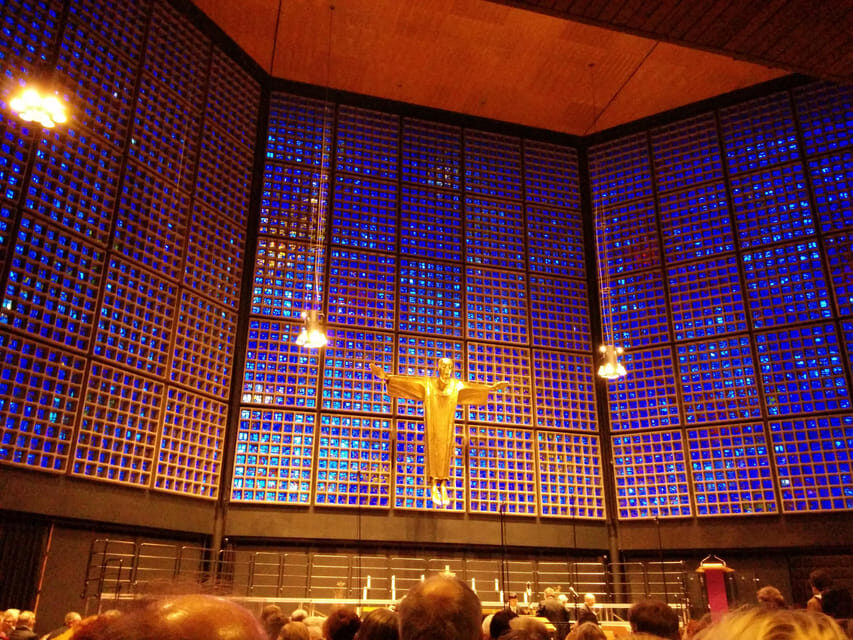
If you want a classical night that actually feels like Berlin, start with the venue. Kaiser Wilhelm Memorial Church is instantly recognizable from outside, and inside it gives you that split-second feeling of stepping into a different mood: the air, the stone, the light, the quiet before the music starts.
I like that this concert doesn’t try to be flashy. It focuses on listening. And the church plays along. The sound has space to travel, so even when the ensemble is not huge, you still get weight and clarity. In summer the venue is air-conditioned, which is a lifesaver if you’re arriving after a hot day walking Berlin.
The other “Berlin” factor is timing. In many European cities, the big orchestras slow down in summer. This is a practical way to hear classical music during the busy travel season without needing to chase a specific festival schedule.
A few more Berlin tours and experiences worth a look


The 70-Minute Program: What You’ll Hear (and Why It Works)
The concert is about 70 minutes, and the program is designed like a guided tour through music people already recognize, plus a few pieces that reward closer listening. You’ll hear a mix of strings, soprano, violin, and organ, with a flow that keeps the energy up rather than turning into one long mood.
Here’s the program as listed, with a quick “what to listen for” in plain terms. Keep in mind the program can change.
Vivaldi: The Four Seasons (Spring and Summer)
This is a practical opener because it grabs attention quickly. Even if you only know the famous theme from media or ads, the movement-by-movement feel carries you along. Spring and Summer also help set the texture for the rest of the night, because they range from lyrical to rhythmic.
Mozart: Requiem, Lacrimosa
Mozart’s Lacrimosa is the classic “switch the room into quiet” moment. The beauty here is how fast it changes the emotional weather—one of the reasons this concert works for first-timers. You’ll feel why the title matters long before you analyze the notes.
Bach: Toccata and Fugue in D minor
Bach’s D minor is a bold choice because it’s built for momentum and control. It’s music that sounds like structure, and in a church like this, that structure can come through with real impact.






Bach: Air on the G String
Right after something intense, Air on the G String provides contrast without going soft. It’s a gentle line that helps your ears reset. If you’ve ever heard a slow classical piece that still feels purposeful, this is usually the one people point to.
Schubert: Ave Maria
This is one of those titles that can sound familiar even if you don’t know the melody. Ave Maria brings a vocal or lyrical quality that makes the concert feel human, not just academic.
Handel: Largo from Xerxes
Handel’s Largo is often chosen because it sounds timeless. It has that simple, steady pull—like the music knows where it’s going. It’s a good bridge between religious-feeling pieces and larger symphonic movement later on.
Beethoven: Symphony No. 5, Allegro
Beethoven No. 5 is the “everyone knows this rhythm” symphony moment. Allegro is usually the sharpest entrance into the symphonic mindset, and it gives the concert a recognizable backbone. It’s a smart way to keep the room engaged.
Mozart: Salzburg Symphony K136, Allegro
This movement adds lightness and speed after Beethoven. It also gives you another Mozart flavor—more brightness, more motion—so the program doesn’t repeat the same emotional palette.
Widor: Toccata, Symphony No. 5
Widor is a strong closer because organ music lets the hall do what it does best: sustain, bloom, and fill space. It’s also the sort of ending people remember because it sounds like the church itself is part of the performance.
The big takeaway: the set list isn’t random. It’s built to keep you oriented, from recognizable frameworks to emotional contrast to a strong finish.
Meet the Soloists: Duangamorn Fu and Vladimir Magalashvili
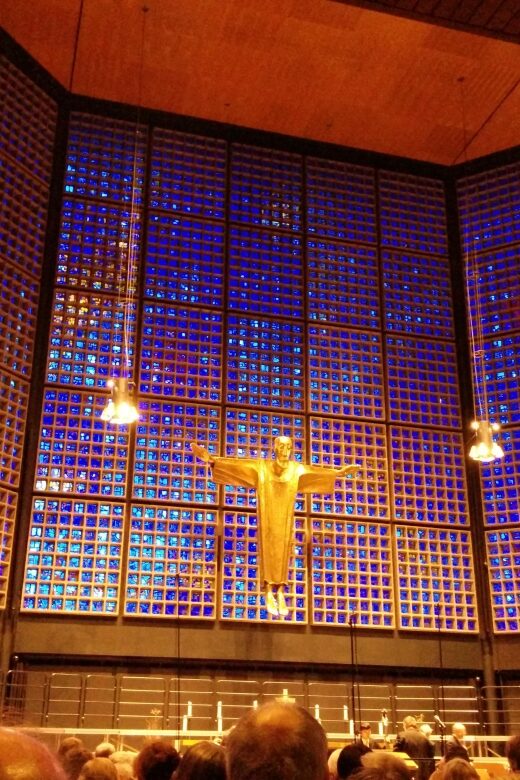
This is a concert where soloists actually matter. The event is performed with three soloists from the Berlin Orchestra plus a soprano, organist, and violinist (the violinist’s name isn’t given in the details you provided).
Duangamorn Fu (soprano)
Duangamorn Fu is a Thai soprano with training in Vienna and Berlin. She’s known for winning international competitions and later made an opera debut as Gretel in 2022. In 2024, she was selected as the absolute winner for the debut concert at the Berlin Philharmonie, which signals you’re not just getting a singer who can hit notes—you’re getting someone on a serious career trajectory.
In this program, her voice is key for the vocal and lyrical moments. Requiem Lacrimosa and Ave Maria are the kinds of pieces where the soprano doesn’t just perform; she carries the emotional tone.
Vladimir Magalashvili (organ)
Organist Vladimir Magalashvili is the other anchor. Organ pieces tend to draw the most comments because they’re physical: you feel them as well as hear them. More than one performance highlight you can expect to enjoy is the organ portion—so if that’s why you bought the ticket, this is a concert designed to deliver.
The Berlin Orchestra (smaller ensemble)
A detail worth knowing: this isn’t structured like a full symphony orchestra night. One account describes it as an eight-member string group. That can be a drawback if you want big orchestral scale, but it also often means less clutter and more clarity, especially in passages where strings carry the main line and the organ punctuates key moments.
Seats, Acoustics, and Seeing the Organ
The church is a great venue, but acoustics depend on where you sit. Some people found the acoustics could be better, and others loved them. That’s your cue to think about your seat as part of the experience, not an afterthought.
Also, sightlines matter. If you care about visually tracking the organ, plan around the fact that some seating can make it harder to see what’s happening. One comment specifically mentioned wanting to move closer to view the organ better.
My practical advice
Arrive early and aim for a smooth entry. Then, once you’re seated, take the first few minutes to identify where the organist and conductor-or-leader focus is. If you want to compare “sound vs sight,” listen for balance rather than trying to spot every hand movement. In a church setting, what matters most is how the hall carries the music, not just the visuals.
Price and Value: Is $27 Worth It?

At about $27 per person, this concert is priced like an easy add-on evening. And for Berlin, that’s good value. You’re getting ticket entry, a printed program, and a focused 70-minute performance featuring recognized composers—Vivaldi, Bach, Mozart, Beethoven, plus organ and soprano moments.
What makes it feel like value isn’t only the repertoire. It’s the “all-in” format: one venue, one night, one clear plan. No need to line up multiple activities or hunt for something else once you’re tired.
The only real value question is whether you want the scale of a massive orchestra. If you want that blockbuster feeling, you might find this setup a bit smaller than you expected. But if you want a polished concert night in a famous church without turning your evening into a logistical puzzle, the price-to-experience ratio is strong.
Planning Your Evening Around the Concert
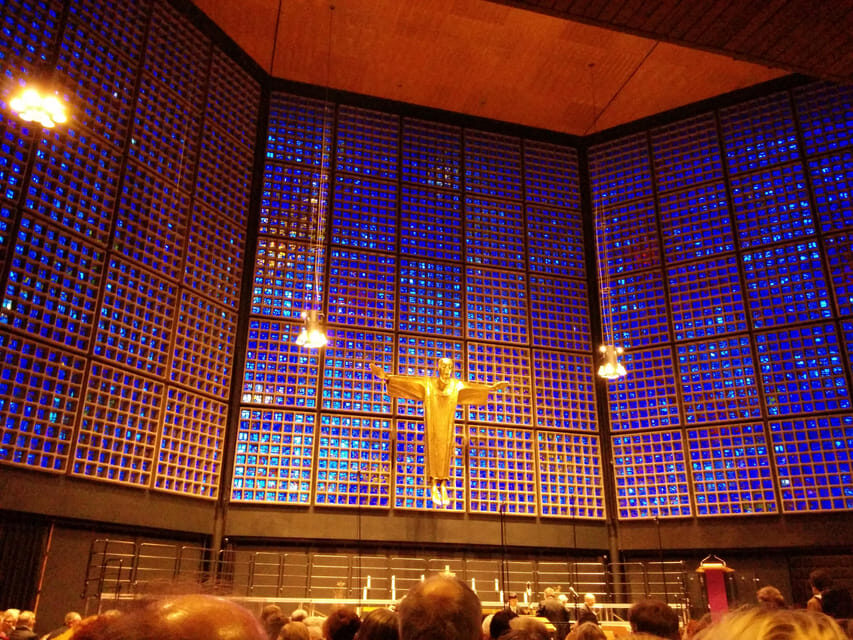
This runs about 70 minutes, so it fits neatly into a Berlin day. There’s no food or drinks included, so I recommend eating before you go, not during the show. That keeps you relaxed and focused when the music starts.
Timing tip that actually helps
The venue instruction is to arrive in advance of the concert start time. I’d treat that as non-negotiable. One issue people described is that the entrance process can involve getting a paper ticket after you arrive, even if you bought online. When lines form and people stop in the same narrow space, early arrival saves stress.
If you’re visiting in a season when the area is active (one account mentions a Christmas market nearby), you may get a bonus pre-concert stroll. Just don’t let wandering slow down your entry timing.
Practical Tips: Dress Code, Comfort, and What to Bring
Good news: there’s no official dress code. That means you can show up in normal travel clothes and focus on the music. The “comfort matters” part is more practical than stylish.
What I’d bring
- A small bottle of water, especially if you need to wait outside before entry.
- Something for the weather: one comment included a suggestion to bring a hat, which makes sense if you’re dealing with time in the forecourt.
- Your patience for an entrance flow that may feel a bit improvised.
Summer comfort
The venue is air-conditioned during summer, so you can enjoy the concert without feeling like you’re melting in your seat. Still, I’d dress in layers because churches can swing in temperature once the hall fills.
Who Should Book This Concert (and Who Might Not Love It)
This is a good match if you want:
- a classic Berlin evening in a famous church,
- recognizable composers in a short format,
- high-quality solo singing plus organ highlights,
- and a concert that works even if you don’t read music or understand everything.
It may be less ideal if you:
- expect a large full symphony orchestra experience,
- are very picky about acoustics and sightlines,
- or need absolute certainty about where you’ll be seated with limited view of the organ.
One more note: unaccompanied minors are not allowed. If you’re bringing children, you’ll need to plan around that rule.
Should You Book This Berlin Classical Concert?

I think you should book if you want a simple, high-impact evening: a famous church, major composers, and performances featuring Duangamorn Fu and organist Vladimir Magalashvili, all in about an hour. At roughly $27, it’s also one of the easier ways to add “real classical music” to a Berlin itinerary without spending orchestra-level money.
I’d hold off only if your main goal is a huge full orchestra scale or if you’re extremely sensitive to seat placement. If you’re flexible, show up early, and let the music lead, this is the kind of night that makes Berlin feel like more than just landmarks and photos.
FAQ
Where does the concert take place?
At Kaiser Wilhelm Memorial Church in Berlin. You start and end at the same meeting point.
How long is the concert?
The duration is 70 minutes. Starting times vary, so you’ll need to check availability.
How much does it cost?
It costs $27 per person.
What’s included in the ticket?
Your ticket includes entry and a printed program.
What isn’t included?
Transportation and food and drinks are not included.
Is the venue wheelchair accessible?
Yes, the activity is wheelchair accessible.
Are unaccompanied minors allowed?
No. Unaccompanied minors are not allowed.
Is there a dress code?
No. There is no official dress code.
Is the venue air-conditioned during summer?
Yes, the venue is air-conditioned during the summer.
Can I cancel for a refund?
Yes. You can cancel up to 24 hours in advance for a full refund.
Who performs in the concert?
A performance featuring the Berlin Orchestra, with soloists including soprano Duangamorn Fu and organist Vladimir Magalashvili, plus a violinist. The exact program details can change.