REVIEW · BERLIN
Third Reich Berlin Walking Tour with a French-Speaking Guide
Book on Viator →Operated by Vive Berlin Tours · Bookable on Viator
Nazi Berlin feels close and real on foot. This Third Reich Berlin walking tour in French gives you a clear, structured way to understand what happened in the city, including the Bendlerblock/Operation Valkyrie story and the Jewish Quarter sites that still shape Berlin today. I also like how the guide style (often called lively and clear in the comments I’ve seen) connects the big political story to everyday human consequences, rather than treating it like distant dates.
There’s one built-in consideration: the material is heavy. You’ll be walking through real places tied to persecution and deportation, so if you want a light, casual tour, this one may feel like too much.
In This Review
- Key takeaways before you go
- Why a French-speaking Third Reich walk works in Berlin
- Price, timing, and value for $31.99
- Where you start and end: Potsdamer Platz to Hackescher Markt
- Stop-by-stop: how the route builds the story
- Stop 1: German Resistance Memorial Center and the Varian Fry memorial
- Stop 2: Anhalter Bahnhof, a deportation departure point
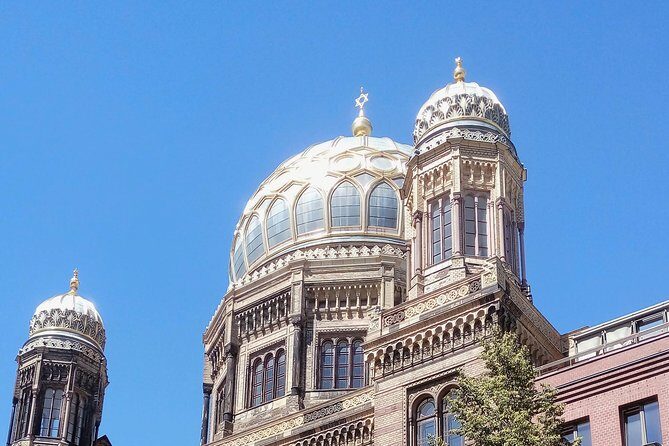
- Stop 3: Stiftung Neue Synagoge Berlin – Centrum Judaicum
- Stop 4: Auguststraße and Nazi-era institutions
- Stop 5: Grosse Hamburger Straße, cemetery traces and a Sammellager
- Stop 6: Museum Blindenwerkstatt Otto Weidt
- The Topography of Terror angle, and how to think about it
- Logistics that matter: tickets, transit, weather, and comfort
- How this tour fits different travelers
- The human touch: what the best guides seem to do here
- Should you book this tour?
- FAQ
- FAQ
- What language is the tour offered in?
- How long is the walking tour?
- Where do I meet the guide?
- What time does the tour start?
- Where does the tour end?
- Is the tour price refundable if I cancel?
- Is transportation included between stops?
- Are there entrance fees for the sites?
- What is the group size?
- Does it run in bad weather?
Key takeaways before you go
- French-speaking guidance that keeps the story organized and understandable
- Small group size (up to 24) for a more focused walk
- Central stops you can follow on foot, starting near Potsdamer Platz and ending by Hackescher Markt
- Jewish Quarter context on the ground, not just textbook history
- Human-scale resistance stories, including Otto Weidt’s wartime workshop
Why a French-speaking Third Reich walk works in Berlin
Berlin is the kind of city where history isn’t trapped behind glass. It’s on streets, in courtyards, and in memorials beside normal modern life. That’s exactly what makes a walking format useful here: you can actually connect the map in your head with what you’re seeing.
Adding a French-speaking guide helps even more. When the explanations are clear and the pace is guided, you spend less energy trying to translate mentally and more energy understanding what each place meant. One of the strengths you should expect is the balance between the large Nazi machinery and the personal effects on individuals and communities.
You should also know this tour is designed for focus. The route is short enough to stay meaningful, but packed enough that you’ll leave with a better sense of how the regime operated across multiple parts of Berlin, from persecution to resistance.
You can also read our reviews of more walking tours in Berlin


Price, timing, and value for $31.99
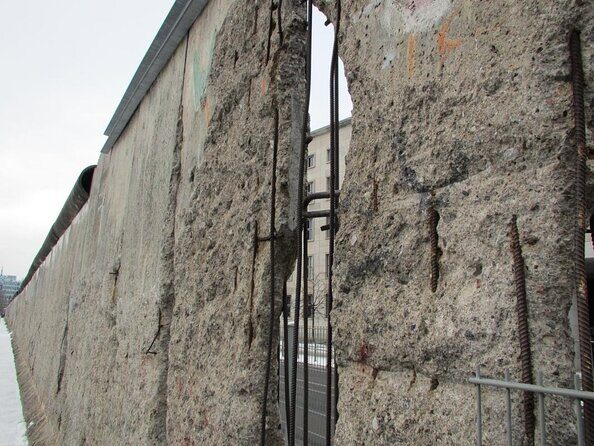
At $31.99 per person for about 3 hours, this is priced like a solid “core tour” for Berlin. You’re paying for a professional local guide and local taxes, not for transport or meals. That matters because Berlin site visits are spread out, and Nazi history sites are often time-sensitive or require a calmer explanation than you can get from a quick audio stop.
Value comes from two places:
- Guided clarity. Nazi-era Berlin can feel overwhelming fast. A guided walk with a structured sequence helps you avoid the common problem of seeing lots of plaques without grasping the logic.
- Site selection. You don’t just get one memorial. You get the resistance angle (Bendlerblock), deportation-related geography (Anhalter Bahnhof), Jewish community history and surviving traces, and a museum focused on wartime protection through Otto Weidt.
A possible drawback for your planning: you’ll want to come ready for a focused morning (starts at 10:00 am) and stay engaged through the heavier content. There’s no stated pause for long breaks in the info you have, so decide ahead of time if you prefer history tours with more time to wander off-script.
Where you start and end: Potsdamer Platz to Hackescher Markt
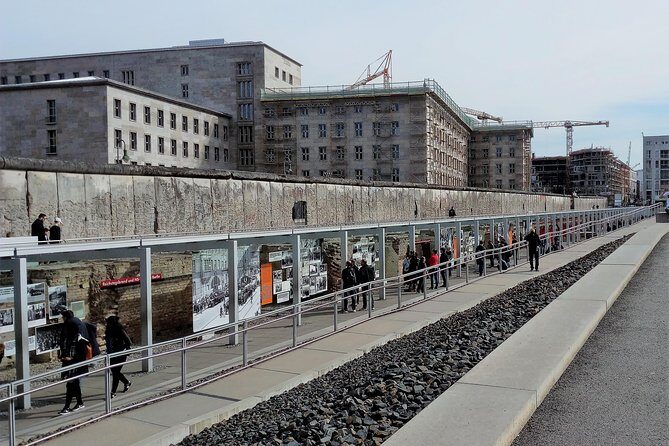
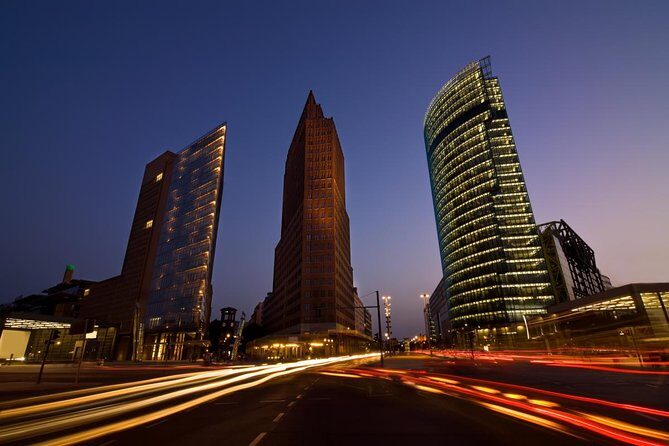
This one begins at Potsdamer Platz 10, 10785 Berlin, and ends near Hackescher Markt station (S-Bahn).
That’s a practical setup. Potsdamer Platz is a major hub, so getting there is usually straightforward. And ending by Hackescher Markt is useful because it gives you an easy next step—grab lunch, re-enter the city flow, or hop on transit without needing a special plan.
A small detail that helps: the tour uses a mobile ticket, which keeps the meeting point process simple. Also, the route is walk-based, and you should have a moderate fitness level—nothing extreme, but it’s not designed for totally sedentary comfort.
Stop-by-stop: how the route builds the story
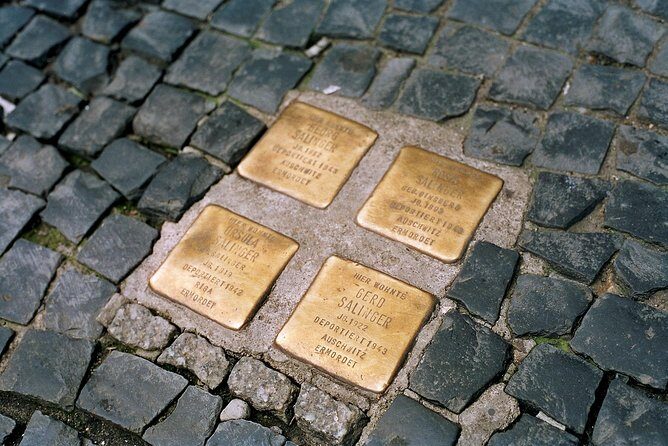
The overall order is designed to move you from resistance and counter-currents, into the logistics of persecution, then through the lived-in geography of the Jewish Quarter and the institutions that shaped (and tried to protect) lives.
Between stops, you’ll be walking through central Berlin. That means you’ll get the modern context too: you’ll see how these sites sit inside an everyday city, not in a separated historical bubble.
Stop 1: German Resistance Memorial Center and the Varian Fry memorial
You start at the German Resistance Memorial Center at the Bendlerblock, with a look first at a memorial to Varian Fry near Potsdamer Platz before continuing to Bendlerblock.
What makes this opening important is that it frames the narrative beyond Nazi control. Bendlerblock is tied to the Operation Valkyrie leadership and now serves as a memorial to Germans who opposed and fought Nazism. Even if you already know the headline facts, the power of beginning here is that you start with resistance, not just victims. That changes how you read everything that follows.
One extra thing that’s easy to miss without context: the mention of Varian Fry adds an international dimension. Fry was an American journalist associated with efforts to help people escape, and placing his memorial early tells you the story isn’t only Berlin-local—it connects to broader wartime networks.
Time on this stop is listed at about 50 minutes, including the memorial focus.
You can also read our reviews of more guided tours in Berlin




Stop 2: Anhalter Bahnhof, a deportation departure point
Next is Anhalter Bahnhof, where you’ll look at the ruined original part that remains. This station is described as one of the starting points for deportations of Berlin’s Jews.
The reason this stop hits hard is that stations are easy to understand on a visceral level. You’ve walked by stations your whole life. When history uses the familiar form of transit to describe forced removal, the effect is immediate.
Then you take a short transfer (the plan notes a train to reach the Jewish quarter). This is where your Berlin day card matters, because transport isn’t included in the tour price. If you don’t have the right ticket for the zone coverage, you’ll feel stuck mid-route instead of moving smoothly to the next part.
Time here is about 10 minutes for the station focus.
Stop 3: Stiftung Neue Synagoge Berlin – Centrum Judaicum
Now the tour shifts to the Jewish community story, focusing on the synagogue context through the Stiftung Neue Synagoge Berlin – Centrum Judaicum.
This is a good moment in the route because it gives you more than suffering and logistics. You’ll get a sense of the Jewish community in the 19th and 20th century and the synagogue history. That’s crucial for keeping the story human and complete. It’s easy to talk about persecution; it’s harder—and necessary—to remember that communities had institutions, culture, and daily life before and alongside the catastrophe.
Time listed is about 15 minutes.
Stop 4: Auguststraße and Nazi-era institutions
On Auguststraße, the guide explains the institutions that used to be there, including references such as a school for Jewish girls and an orphanage during Nazi time.
This stop is valuable because it shows how the regime used ordinary spaces for systematic control. Schools and orphanages are supposed to be about care and development. Hearing those labels attached to Nazi-era institutions forces you to understand the contradiction: persecution wasn’t only violence in the abstract—it was built into systems that pretended to function normally.
Time listed is about 20 minutes.
Stop 5: Grosse Hamburger Straße, cemetery traces and a Sammellager
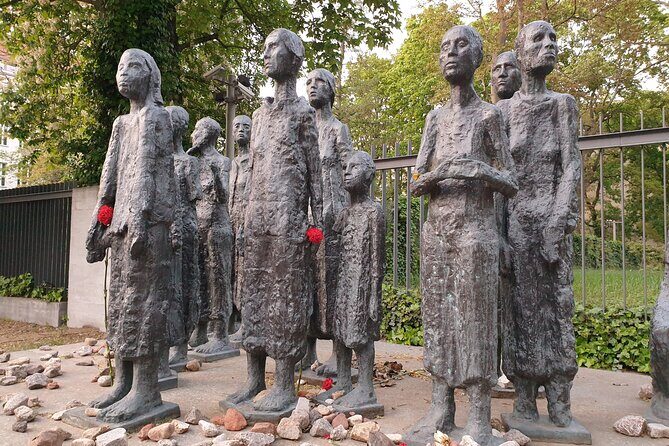
At Grosse Hamburger Straße, you’ll see the old Jewish cemetery and a described Sammellager, the kind of detention holding area used before deportations.
This is where the walking part really matters. A cemetery and a former detention location are both places you experience physically. The guide helps you see what you might otherwise overlook: how Berlin’s street-level traces carry the memory of events that reshaped people’s lives.
Time listed is about 30 minutes, which is generous enough to let you process the place rather than rushing past it.
Stop 6: Museum Blindenwerkstatt Otto Weidt
The final major stop is the Museum Blindenwerkstatt Otto Weidt, focused on the workshop story.
Here, the tour turns toward courage and protection. Otto Weidt employed mainly blind and deaf Jews during World War II. The plan notes they produced items like brooms and brushes, and that Otto Weidt tried to protect his employees. This kind of ending matters. It doesn’t erase the horror; it adds moral texture—showing you how small acts of defense existed even under extreme pressure.
Time listed is about 20 minutes.
The Topography of Terror angle, and how to think about it
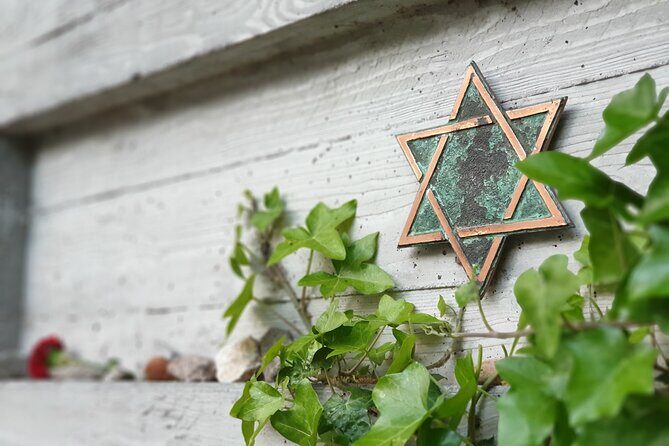
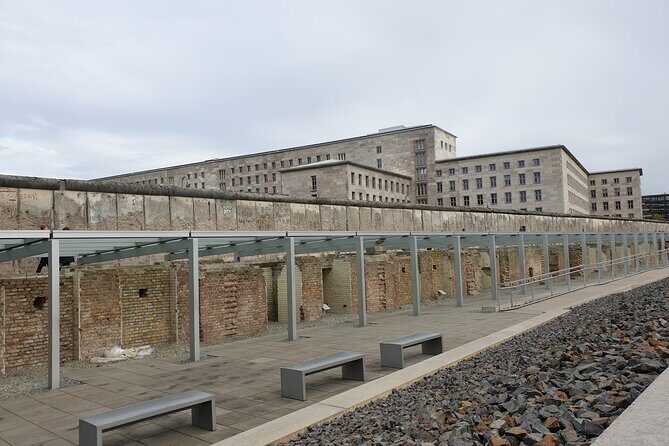
The tour description flags Topography of Terror as part of the experience’s core themes. Even if you’re not spending a long stretch there, the important thing is the way your guide ties together the system: who ran power, how terror was administered, and how Berlin became part of that machinery.
If you’re trying to avoid information overload, use this approach: let the walking route set the mental framework, then treat Topography of Terror as a deeper supporting reference rather than the only place where you’ll learn.
Logistics that matter: tickets, transit, weather, and comfort
A few planning points will make your day smoother:
- Transport isn’t included. The info specifically advises buying a Berlin public transport day card for zones AB. This matters because the plan includes a train move from Anhalter Bahnhof toward the Jewish quarter.
- Admission is free for the listed stops. The schedule labels the admission as free at each stop, so you’re not paying entry fees during the walk. Still, go in with the expectation that you’re spending your time on-site, not shopping for tickets.
- All-weather operation. The tour runs in all conditions, and you’re told to dress appropriately. In Berlin, weather can swing quickly, so bring a rain layer you’ll actually wear.
- Max group size of 24. That’s big enough to feel social but small enough that the guide can keep the explanation focused.
- Moderate fitness level. You’ll be walking, and you should be comfortable standing while listening at memorials.
One more practical note: the tour is mobile-ticket based and confirmation happens at booking. Bring your phone battery charger if you’re the type who runs low while taking photos and using transit apps.
How this tour fits different travelers
You’ll probably love this tour if:
- You want a structured, site-based way to learn about Third Reich Berlin rather than wandering alone.
- You prefer explanation in French and want it organized instead of piecing together maps and guidebooks.
- You care about both the resistance story and the Jewish history across multiple Berlin locations.
You should think twice if:
- You dislike heavy historical topics. This route is specifically built around persecution, deportation geography, and Nazi-era institutions.
- You want long free time at each stop. The listed durations suggest a guided tempo, not open-ended exploration.
If French is your comfortable language (or you’re learning), this is also a decent way to practice listening while you travel—without turning it into a classroom exercise.
The human touch: what the best guides seem to do here
From the quality you should expect, two traits matter most.
First, the explanations are aimed to be clear and well-articulated. That’s not just a nice-to-have with this subject matter. It’s what keeps you from feeling lost in names and dates.
Second, the best guiding approach connects the architecture and locations to people’s destinies. That’s why the route includes both a resistance-linked memorial and a museum centered on Otto Weidt’s workshop. It keeps the story balanced between policy and consequences.
Some guides you may encounter, including a guide named Julie mentioned in the guidance style that people praised, are specifically noted for making the walk both educational and emotionally intelligible.
Should you book this tour?
I’d say yes if you want a high-impact, time-efficient way to understand how Berlin’s Nazi-era story touches real places. The price is reasonable for a guided, structured route that focuses on both resistance and the Jewish Quarter geography. And the stop selection is thoughtful: you’re not only seeing memorial walls—you’re seeing the way deportation logistics and community life intersected with the Nazi system.
I’d say think twice if you need a lighter, purely sightseeing day. This is history with weight, and you’ll feel that weight as you walk from memorial to station to institutions to the Otto Weidt story.
If you book, go in ready to listen. Berlin will do the rest.
FAQ
FAQ
What language is the tour offered in?
The tour is offered in French with a French-speaking guide.
How long is the walking tour?
It runs for about 3 hours.
Where do I meet the guide?
The meeting point is Potsdamer Platz 10, 10785 Berlin, Germany.
What time does the tour start?
The start time is 10:00 am.
Where does the tour end?
The tour ends next to the station Hackescher Markt, at 10178 Berlin, Germany.
Is the tour price refundable if I cancel?
The experience offers free cancellation. You can cancel up to 24 hours in advance for a full refund.
Is transportation included between stops?
Transportation to and from attractions is not included. The plan advises you should buy a Berlin day card for public transport for zones AB, because the route includes transit.
Are there entrance fees for the sites?
The schedule lists free admission for the stops included in the itinerary.
What is the group size?
The tour has a maximum of 24 travelers.
Does it run in bad weather?
Yes. It operates in all weather conditions, so dress appropriately.