REVIEW · BERLIN
Small-Group 3-Hour Berlin Walking Tour of Kreuzberg ‘s Wild Side
Book on Viator →Operated by Berlin Bike Tour · Bookable on Viator
Kreuzberg has a way of surprising you. This small-group 3-hour walk through Kreuzberg mixes street-level culture with clear, human stories—how a tough 19th-century neighborhood became one of Berlin’s best-known places for art, music, and bold nightlife.
I especially like how the route threads meaning together, from Oranienstraße down to the typical Berlin courtyards, where architecture and community history show up fast. One thing to consider: Berlin transit issues can hit timing, and I’ve seen cases where the guide was delayed by around 25 minutes, and once where a BVG strike meant the tour was canceled.
In This Review
- Kreuzberg’s Wild Side: What You’re Actually Buying in 3 Hours
- Starting Near Skalitzer Straße and Kottbusser Tor: Your First Orientation Moment
- SO36 and Club Culture: How a Street Scene Gets Its Name
- Rio-Reiser-Platz to Heinrichplatz: Music, Community Spaces, and Local Landmarks
- Oranienstraße and the Courtyards: The Real Architecture Lesson
- From Squatters to SO36 Legacy: The Wall’s Shadow Still Shows
- Arthouse Bethanien and Wall-Era Stops: A Short Walk Through Big Changes
- Market Hall Nine Break: Real Berlin Markets Without the Hustle
- Görlitzer Park and the Finish Near Oberbaumbrücke
- Price and Group Size: Is It Worth $22.45?
- Who This Tour Fits Best (and Who Might Skip It)
- Should You Book the Kreuzberg Wild Side Walking Tour?
- FAQ
- How long is the Kreuzberg walking tour?
- What does the tour cost?
- Where do I meet for the tour?
- How many people are in the group?
- What stops and areas are included?
- What is included in the price?
- Are food and drinks included?
- Do I get a ticket on my phone?
- What if I need to cancel?
Kreuzberg’s Wild Side: What You’re Actually Buying in 3 Hours
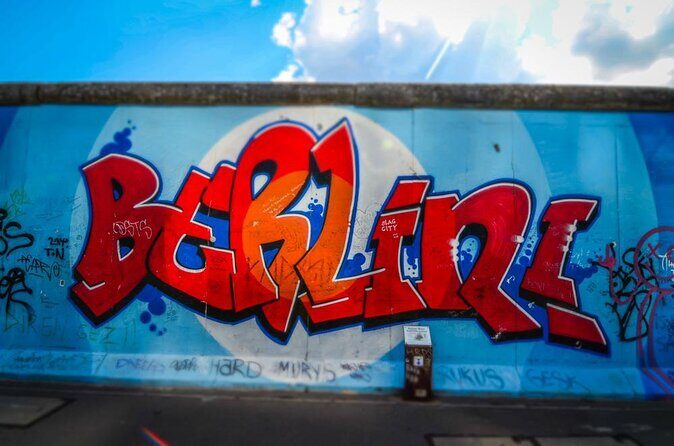
This is not a “stand in one place and listen” tour. It’s a purposeful walk through Kreuzberg’s change over time—centuries of Berlin life, but explained at walking speed.
You’ll get a guide who connects neighborhoods to people and movements: how the area shifted from poorer quarters to a magnet for creatives, and how scenes around SO36, fashion, art, and music still echo in street names and specific locations. And because it’s capped at a maximum of 12 people, you’re not lost in a crowd. You can ask questions and still keep moving.
If you like history that shows up in real buildings (courtyards, churches, older hospitals) instead of just dates, this tour delivers.
Starting Near Skalitzer Straße and Kottbusser Tor: Your First Orientation Moment
The listed meeting point is Skalitzer Str. 137, and the tour kicks off in the broader Kottbusser Tor area—one of the multicultural hubs where Kreuzberg’s mix is obvious within minutes. You’ll feel it right away: international restaurants, casual cafés, and a steady stream of locals doing normal life.
Why this matters: starting here helps you understand Kreuzberg as a place, not a museum. By the time you reach the more specific sites later—like Market Hall Nine or Wall-era details—you’ll already have your bearings.
Practical tip: dress for walking and be ready to move. The tour is short enough that long bathroom breaks can break the flow.
You can also read our reviews of more walking tours in Berlin



SO36 and Club Culture: How a Street Scene Gets Its Name
One of the first stops centers on SO36, around Club SO36. This isn’t just a “hey, this is where people party” moment. The guide uses the SO36 area to explain how Kreuzberg built an identity through nightlife and creative communities.
You’ll also get a sense of how subcultures become part of the neighborhood’s official map—how an area’s reputation can outlive the original conditions that created it. If you’re the type who notices street-level culture (signs, crowds, music spillover, what people gather around), you’ll enjoy this stop.
Keep expectations realistic: this segment is about context, not a long visit inside a venue.
Rio-Reiser-Platz to Heinrichplatz: Music, Community Spaces, and Local Landmarks
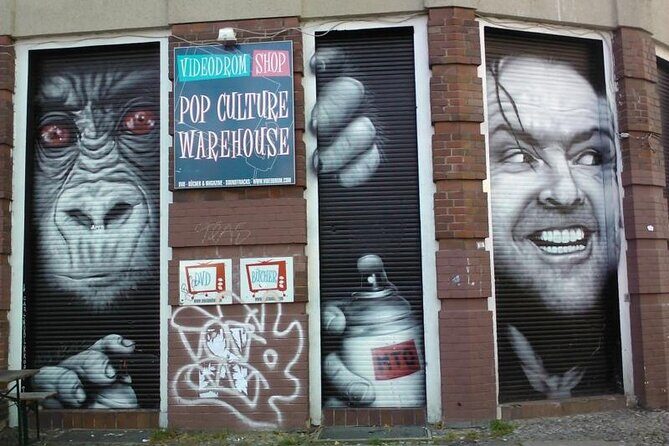
Next comes Rio-Reiser-Platz, plus nearby stops around Heinrichplatz and Frauenzentrum Schokoladenfabrik (the tour keeps these segments brief—about 10 minutes each). The value here is the guide’s thread: connecting Kreuzberg’s music and creative energy to places you can actually point to on the ground.
This is also where the tour starts leaning more into “how the neighborhood functions,” not just what it looked like. You’re learning how spaces become important to communities, and how those roles can evolve.
What I like about this part: it’s specific. Instead of vague talk about creativity, you’re given names—squares and institutions—so the story sticks after the walk.
Oranienstraße and the Courtyards: The Real Architecture Lesson
This is the part I think most visitors remember, because Oranienstraße and the surrounding streets show the texture of Kreuzberg in a way a quick museum stop can’t.
You’ll walk toward the heart of Kreuzberg’s SO36 district and hear about typical Berlin courtyards—those enclosed, inner spaces where daily life happened behind street façades. The tour uses these courtyards to explain how the neighborhood developed, and how it attracted and supported work in fashion, art, and music.
Why this matters: courtyards are where you understand the social architecture of a city—how people lived, connected, and stayed close even when street views suggested something else. You don’t just learn history. You learn how history shaped living patterns.
Drawback to consider: courtyards and older streets can mean uneven surfaces and tight passageways. Wear comfy shoes and don’t plan to rush photos.
From Squatters to SO36 Legacy: The Wall’s Shadow Still Shows
As you move through the middle stretch, you’ll hear about former squatted house projects and how those efforts fit into Kreuzberg’s larger story. You’ll also pass through areas linked to Mariannenplatz and continue toward Arthouse Bethanien.
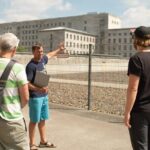
Here’s the key point: this tour treats the past as something you can still read in the urban layout. The guide uses locations like Bethanien to connect protest culture, community-driven spaces, and the way Berlin’s big political breaks—especially around the Berlin Wall—left long-term traces.
This segment is usually where your understanding clicks: Kreuzberg isn’t just “alternative Berlin.” It’s alternative Berlin with documented roots.
A few more Berlin tours and experiences worth a look




Arthouse Bethanien and Wall-Era Stops: A Short Walk Through Big Changes
Arthouse Bethanien is described as a historic hospital building next to the former Berlin Wall area. That detail is useful. It tells you the neighborhood didn’t just change through artists and activists; it also changed through institutions and the physical realities of the Wall.
Along the way, you’ll see other specific Wall-era references, including a treehouse built next to the Berlin Wall and the St. Thomas Protestant church. The guide’s approach here is practical: you see the landmarks, then you hear why they matter and what the neighborhood’s identity meant in that specific moment.
What to expect: the guide will point out how different eras left different layers—religious buildings, institutional buildings, and community-created structures. You’ll walk away with a clearer mental map of where the Wall influenced day-to-day life and planning.
Market Hall Nine Break: Real Berlin Markets Without the Hustle
The tour includes a break at Market Hall Nine—a major spot for the feel of Berlin’s food and market culture. Even if you don’t buy much, the break is a smart reset. You’re out of the storytelling rhythm, so you can recharge and then continue with fresh focus.
Important note: food and drinks aren’t included. The value is the guided break itself—time to grab something on your own terms without derailing the schedule.
I like this stop because it balances the heavier content. After Wall-era and squatter-project context, you get a normal-life moment: stalls, people browsing, and an easy sense of the city’s everyday pace.
Görlitzer Park and the Finish Near Oberbaumbrücke
The itinerary wraps with time in Görlitzer Park (about 15 minutes). This section is more about atmosphere and letting your brain file everything you’ve learned into one coherent picture: a neighborhood that keeps reinventing itself, where old and new share the same street grid.
After that, the tour ends near Oberbaumbrücke. Finishing here is convenient if you want to keep moving on your own schedule, whether that means grabbing a transit connection or continuing a walk.
Price and Group Size: Is It Worth $22.45?
At $22.45 per person for about 3 hours, the pricing is strong—especially if you care about getting context instead of just “seeing places.”
Here’s what you’re paying for in plain terms:
- A local guide who connects sites to the neighborhood’s development
- A small group (max 12), which makes questions easier and the pace less frantic
- A planned break in Market Hall Nine, so you’re not scrambling on your own mid-tour
Where the value can slip: if you’re the type who wants deep indoor stops or long time at each address, this format won’t feel slow enough. But if you want a structured walk that helps you understand Kreuzberg quickly, you’ll likely feel like the money was well spent.
Also, keep the time of day in mind. A short tour is only as good as the conditions that day—crowds, rain, and transit disruptions can all affect the smoothness.
Who This Tour Fits Best (and Who Might Skip It)
This is a great choice if you:
- Love street-level Berlin and want the “why” behind what you’re seeing
- Want a short tour that still covers multiple eras (19th century to today)
- Like neighborhoods with real creative communities (not just tourist set dressing)
- Prefer small-group conversation over big-bus lectures
It might be less ideal if you:
- Need a very strict schedule with zero flexibility (Berlin transit can throw wrenches)
- Want long stops at each attraction rather than quick, guided context
- Don’t enjoy walking through older streets and courtyards where space can feel tight
Should You Book the Kreuzberg Wild Side Walking Tour?
If you’re choosing between a generic Kreuzberg overview and something more grounded, I’d lean toward booking this one. The route hits the kind of places that teach you how Kreuzberg became Kreuzberg: SO36, Oranienstraße, courtyards, Wall-adjacent landmarks like Bethanien and the treehouse, plus a practical break at Market Hall Nine.
My final advice: book it if you’re ready to walk, and plan to arrive a bit early. Also, keep an eye on transit the day you go—one documented issue involved a BVG strike causing cancellation, and another involved a late start by about 25 minutes. That’s not unique to this tour, but it’s worth respecting so your day stays smooth.
If you want a high-value, story-driven walk through Berlin’s alternative heart, this is a solid pick.
FAQ
How long is the Kreuzberg walking tour?
It’s approximately 3 hours.
What does the tour cost?
The price is $22.45 per person.
Where do I meet for the tour?
The start location is Skalitzer Str. 137, 10999 Berlin. The tour ends near Oberbaumbrücke.
How many people are in the group?
The tour has a maximum of 12 travelers.
What stops and areas are included?
The tour covers Kreuzberg and includes stops such as SO36 (Club SO36), Rio-Reiser-Platz, Heinrichplatz / Frauenzentrum Schokoladenfabrik, and Görlitzer Park, plus several other named locations along the route.
What is included in the price?
Included are the driver/guide, a local guide, and a break in the Market Hall.
Are food and drinks included?
No. Food and drinks are not included.
Do I get a ticket on my phone?
Yes. It includes a mobile ticket.
What if I need to cancel?
You can cancel for free up to 24 hours in advance for a full refund. If the tour is canceled because a minimum number of travelers isn’t met, you’ll be offered a different date/experience or a full refund.