REVIEW · BERLIN
Private Sachsenhausen Concentration Camp tour with train
Book on Viator →Operated by Insider Tour Berlin · Bookable on Viator
Berlin’s history can feel close enough to touch. This private Sachsenhausen Concentration Camp tour connects the Nazi machine to real people and real places, with hotel pickup and a licensed guide walking you through the site at a human pace. You’ll start in Oranienburg, then move to the memorial grounds where the camp’s layout and daily system of cruelty are explained clearly and respectfully.
Two things I really like: first, you get personal attention—you can ask questions and linger when something matters to you. Second, the guiding puts Sachsenhausen into a wider picture, including how forced labor and propaganda fed the Nazi project. One drawback to weigh honestly: it’s a heavy, physically demanding day with lots of walking and uneven surfaces, so wear solid shoes and expect a somber mood.
In This Review
- Key things to know before you go
- Entering Sachsenhausen the right way: private, respectful, and very real
- Getting there by train from Berlin: timing and how the day actually feels
- Oranienburg first stop: why the town matters for the story
- Memorial and Museum Sachsenhausen: the camp system, explained with care
- The second grounds walk: brutality, routine, and remembrance
- Why private guidance really matters (Maria, Xavier, Nickolai, Klaus, and others)
- Pacing, steps, and what to pack for a 6-hour somber day
- Price and value: what $338.15 covers (and what you should budget for)
- Who should book this Sachsenhausen private tour?
- Should you book this tour?
- FAQ
- How long is the private Sachsenhausen tour from Berlin?
- Is this a private tour?
- Is the tour offered in English?
- Do I get hotel pickup and drop-off?
- What kind of walking is involved?
- Is food included?
- Is museum admission included?
- Can I cancel for a full refund?
Key things to know before you go
- Oranienburg as the setup: you’ll look at how the town’s businesses and war production were tied to forced labor just outside the camp’s edge.
- A guide who can answer your why: the visit isn’t only about dates—it’s about how the system worked and how it was enforced day after day.
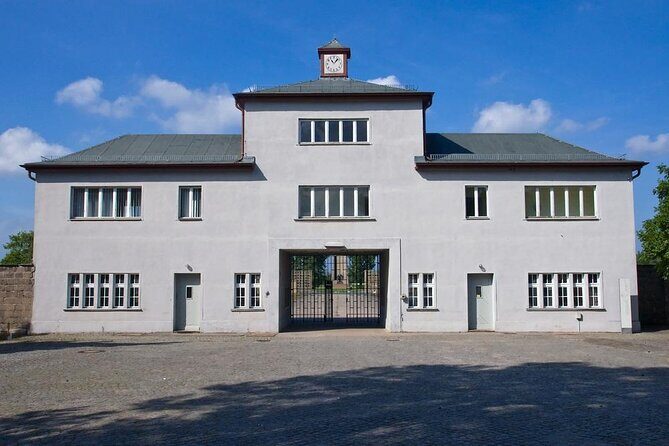
- Sachsenhausen’s layout matters: you’ll be shown what to notice in the grounds, not just what happened.
- Private means adjustable pacing: if you want a slower moment at a specific spot, your guide can usually make room.
- Public transit experience included: you’ll ride to Oranienburg and then walk; taxis sometimes get used to help with the walking load.
Entering Sachsenhausen the right way: private, respectful, and very real
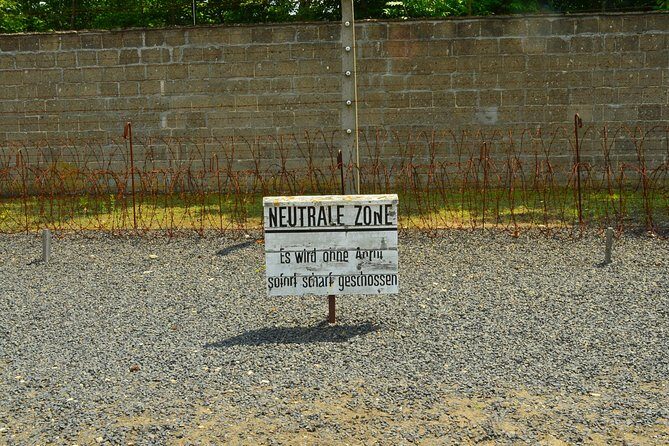
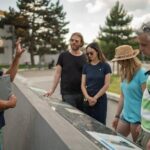
Sachsenhausen isn’t a place for casual sightseeing. It’s a memorial that asks for attention, restraint, and empathy. That’s exactly where a private format helps. With only your group, your guide can set the tone, explain the bigger picture, and keep the focus on remembrance rather than “checklist travel.”
I also like that this tour treats the camp as a designed system. You aren’t just hearing that prisoners suffered—you’re shown how the camp functioned, how control was built into the spaces, and how daily routines reduced human beings to labor units.
You can also read our reviews of more private tours in Berlin


Getting there by train from Berlin: timing and how the day actually feels
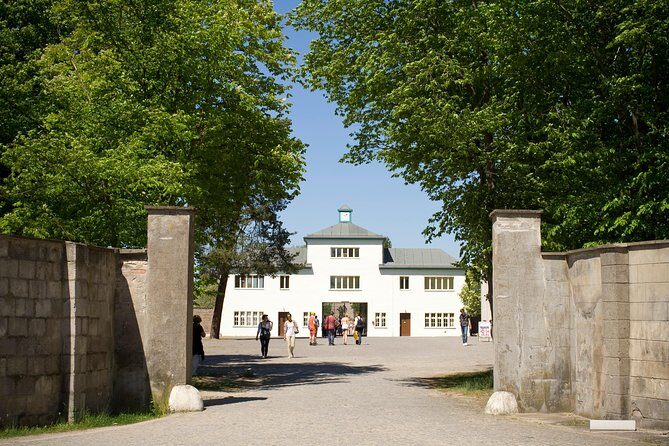
The tour runs about 6 hours and is organized around train travel from Berlin to Oranienburg, plus walking to reach the memorial area. You’ll have hotel pickup and drop-off, which removes one of the biggest Berlin frictions: figuring out transit while you’re already mentally bracing for the day.
That said, this is not a “sit on a bus all day” outing. Expect long walking segments and uneven ground at times. In one account, the walking added up to around 11,000 steps, including sections on uneven pavement. Another person noted a roughly 20-minute walk from Oranienburg’s station to the site, plus more time moving through memorial areas.
Practical takeaway: bring water, wear shoes that can handle old pavement, and plan to move at a steady pace. If your mobility is limited, this tour is not recommended.
Oranienburg first stop: why the town matters for the story
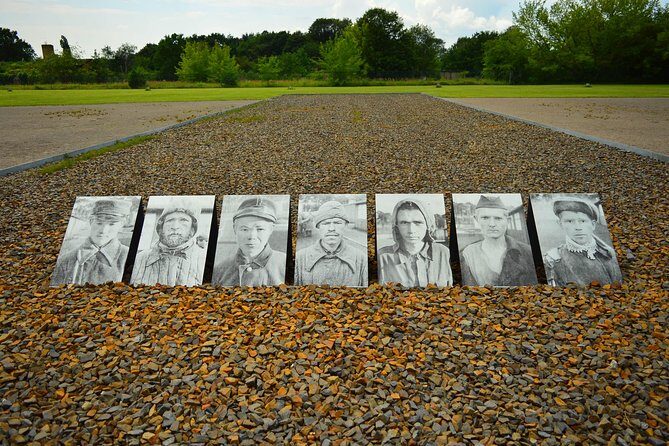
The first stop is Oranienburg, and the point here isn’t to add “color” to the day. It’s to show you how the Nazi regime reached into ordinary local life.
You’ll walk through Oranienburg and learn how proximity to Sachsenhausen wasn’t passive. Local businesses and factories—especially those tied to war production—relied on forced labor coming from the camp. The uncomfortable lesson is that many residents were aware of what was happening just outside their doorsteps, whether through direct involvement or through choosing not to look too closely.
This first stop gives your brain context before you reach the memorial gates. It also keeps the visit from turning into a single-site story. The camp didn’t appear out of nowhere. It was supported by a broader system.
Memorial and Museum Sachsenhausen: the camp system, explained with care
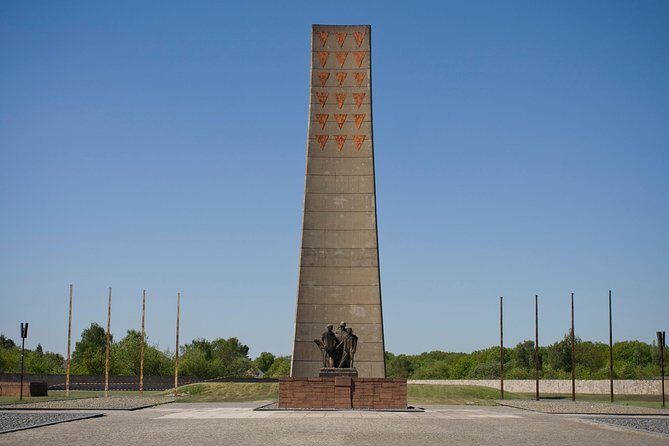
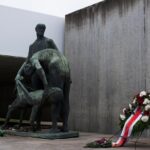
After Oranienburg, you’ll head to the Memorial and Museum Sachsenhausen area. This time block is about 1.5 hours, and admission there is included.
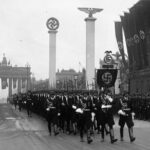
The camp’s history connects to the fact that Nazi Germany hosted the 1936 Olympics, and slave laborers were forced to help build the camp just north of Berlin. Over the next decade, Sachsenhausen held a massive number of prisoners, and after it was evacuated in 1945 by the Soviets, it was used again for around five more years to imprison war criminals.
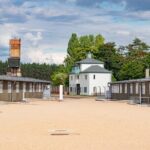
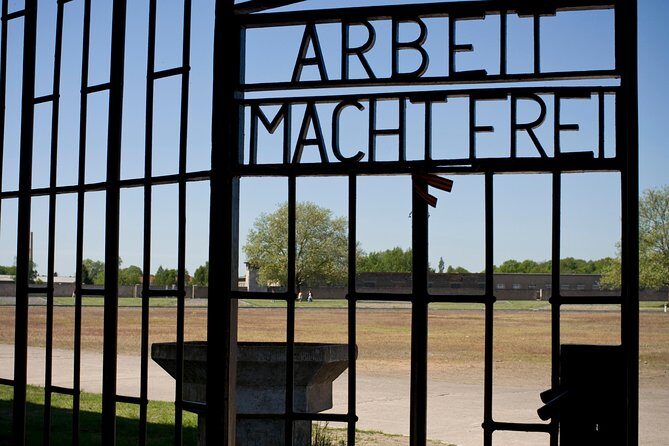
What I think is most valuable here is how your guide brings the camp’s layout to life. In accounts of this experience, visitors mention features that are explained in detail, like how the grounds are organized (including the triangular layout) and how designated spaces functioned for control and punishment. People also talk about the chilling significance of points like Station Z, described as an area tied to industrialized killing.
Even if you know some of the basics, this guided walk tends to make the system feel more “worked-out” in your mind. You stop thinking only in terms of horror, and start seeing how bureaucracy, architecture, and violence combined.
The second grounds walk: brutality, routine, and remembrance
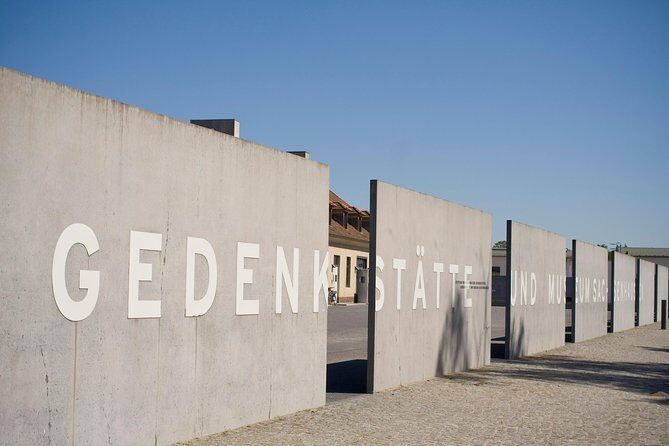
You’ll then move to the Gedenkstätte und Museum Sachsenhausen segment, another 1.5 hours on the grounds. Admission there is free.
This part is more immersive. Your expert guide leads you through the haunting memorial landscape and shares stories focused on daily life for prisoners—what brutality from SS guards looked like in practice, and how routines were engineered to destroy dignity and break bodies.
Your guide also brings in prisoner resilience and the importance of preservation. That means the visit isn’t only about what happened. It also covers why the memorial exists and what it tries to keep alive: testimony, documentation, and the shared responsibility to remember.
One thing I appreciate is that the guides often hold a careful balance between explanation and emotion. It’s somber, but it isn’t vague. You learn specifics, then you’re given time to absorb them.




Why private guidance really matters (Maria, Xavier, Nickolai, Klaus, and others)
On a memorial day, the difference between a generic explanation and a strong guide can be huge. Here, the guiding style seems to be the main engine of the experience.
I saw repeated examples of guides bringing subject-matter depth and calm respect. For instance:
- Maria is praised for pacing and for framing Sachsenhausen in a way that highlights how the Nazi system planned and executed terror.
- Xavier gets credit for making the experience personal while staying detailed.
- Nickolai is described as meeting people at the hotel, giving introduction on the train, and continuing the historical context as you walk.
- Klaus is noted for answering questions, sharing tips for Berlin life, and being practiced about when to slow down.
- Ioana is repeatedly mentioned for expertise and for tailoring the experience to the group.
The best guides here do two things at once: they teach the history and they respect the weight of the place. If you’re the type who asks why something was built or how the system worked, a private format gives you room to do that.
Pacing, steps, and what to pack for a 6-hour somber day
This tour asks for moderate physical fitness. That’s not a minor note—it affects how much you’ll enjoy (or dread) the day.
Here’s how to plan smart:
- Wear comfortable shoes you don’t mind getting a bit dusty or scuffed. Parts of the route can be uneven.
- Bring water. Amenities can be limited during the day, so don’t rely on finding something at every corner.
- Food and drinks are not included, so pack a lunch or plan to buy what you need before/after your tour time window.
If you’re wondering whether you’ll be able to do it, think in terms of a steady walk plus memorial grounds walking. It’s not a quick stop-and-photo kind of outing.
Price and value: what $338.15 covers (and what you should budget for)
At $338.15 per person, this is not the cheapest way to visit Sachsenhausen. But it also isn’t only about access. You’re paying for:
- A licensed guide trained by the memorial authority
- Hotel pickup and drop-off
- Private, English-speaking attention
- Admission included for the Memorial and Museum Sachsenhausen stop (while other sections are free)
The value part is that you’re not stuck with a rigid, one-size-fits-all group script. You can ask questions and get the explanation you personally need. For a place this emotionally demanding, that matters.
What to budget outside the tour price:
- Food and drinks
- Any meals you choose to buy
- Optional transport help if you decide to use a taxi to reduce walking load (some people arrange this during the day)
One caution: this is organized around train and walking rather than a private car doing all the distance. That can be tiring, so keep your expectations aligned with the schedule.
Who should book this Sachsenhausen private tour?
I’d strongly consider this tour if:
- You want a guided visit with time for questions
- You care about understanding how the system worked, not just the headline facts
- You prefer private pacing over moving as a fast herd
It’s a tough match if:
- You have limited mobility or walking impairments
- You’re looking for a light, quick Berlin add-on
- You don’t want a long, emotionally heavy day
If you’re a history-minded traveler (and especially if you’ve been to other major Holocaust memorial sites and want a different angle on Nazi camp planning and operations), this tour can feel both essential and uniquely instructive.
Should you book this tour?
If you can handle a sobering, walking-heavy day, I think this is a smart booking. The guides have strong reputations for respect, context, and answering questions, and the private format helps you process the experience instead of rushing through it.
The main reason to hesitate is practical: expect lots of walking and uneven surfaces. If that’s a concern, you’ll want to plan accommodations or consider an alternative format that reduces on-foot time.
FAQ
How long is the private Sachsenhausen tour from Berlin?
It runs about 6 hours (approx.).
Is this a private tour?
Yes. It’s private, meaning only your group participates.
Is the tour offered in English?
Yes, it’s offered in English.
Do I get hotel pickup and drop-off?
Yes. Hotel pickup and drop-off are included.
What kind of walking is involved?
You should be ready for substantial walking and uneven pavement at times. The tour is recommended for people with at least moderate physical fitness.
Is food included?
No. Food and drinks are not included.
Is museum admission included?
Admission is included for the Memorial and Museum Sachsenhausen stop. The Oranienburg stop and the Gedenkstätte segment are noted as having free admission.
Can I cancel for a full refund?
Yes. You can cancel up to 24 hours in advance for a full refund. If you cancel less than 24 hours before the start time, the amount paid is not refunded.