REVIEW · MUNICH
Private Dachau Concentration Camp Memorial Site Tour from Munich
Book on Viator →Operated by InMunich Tours · Bookable on Viator
Heavy history, human-scale pacing. This private Dachau tour from Munich is built for private pacing and survivor stories, with hotel pickup, public-transit transport, and an approach that follows the CID Path of the Prisoners route. You pick a start time that fits your schedule, and the guide keeps the day organized so you can focus on what you’re seeing without playing map detective.
One possible drawback: this is a heavy, reflective experience, and you’ll need moderate walking stamina for 5 to 6 hours in changing weather. Children must be 13 or older, so it’s not a good match for younger kids who might struggle with the intensity and pace.
In This Review
- Key things I’d plan around before you go
- A private Dachau tour from Munich: why the format matters
- Meeting point in Munich: start clean, start easy
- The ride to Dachau Bahnhof: public transit that keeps you moving
- Following the Path of the Prisoners inside the memorial site
- Survivor stories that put names and dates back into the picture
- Camp system context you’ll actually remember
- The original gas chamber and crematoria: expect the hardest parts
- Getting back to Munich Central Station without stress
- Price and value: what you’re really paying for
- Who this tour suits best (and who should skip it)
- Should you book this private Dachau tour from Munich?
- FAQ
- Where is the meeting point?
- Is the tour private or shared with strangers?
- How long does the Dachau tour take?
- Are tickets to the memorial included?
- What language is the tour offered in?
- What are the age requirements?
- What should I wear, and will it run in bad weather?
- Is the tour good for people with limited mobility?
Key things I’d plan around before you go
- Private group only: it’s just your group, so you can ask questions without crowd pressure
- English-guided, question-friendly format: the route is structured, but the guide can tailor pace and interests
- Public transit included: no rental car stress; you ride the same system locals use
- The CID Path of the Prisoners approach: you move through arrival, daily life, and administration in a guided sequence
- Original buildings you don’t just read about: the gas chamber and crematoria are part of the visit
- No food included: plan a snack or meal before and after so you’re not hungry during the hardest parts
A private Dachau tour from Munich: why the format matters
Dachau isn’t the kind of place where a fast audio tour works well. A private setup changes the vibe right away: your guide can slow down when you’re processing, and speed up when you’re ready. It also helps you ask the questions that actually come up in your head while you’re standing there.
I also like that this day is designed to be structured, not chaotic. The tour follows the recommendations of the Comite International de Dachau (CID), using the “Path of the Prisoners” idea to keep the story in order. That means fewer blank spots and more context as you move from areas tied to arrival, daily life, and administration.
You can also read our reviews of more private tours in Munich


Meeting point in Munich: start clean, start easy
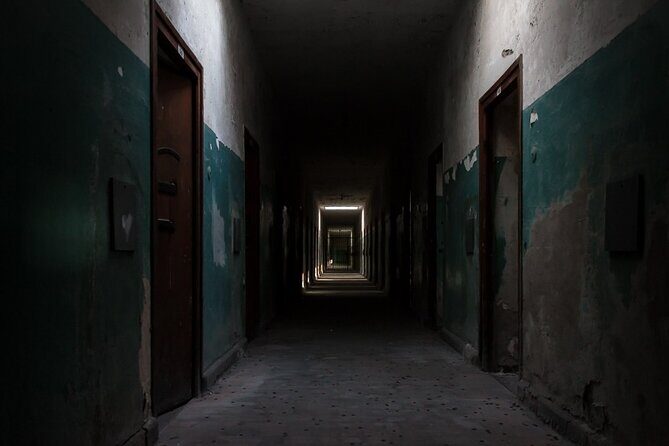
You can meet at Bahnhofstraße 1 near Munich Central Station, or you can be picked up from selected hotels and some apartments. That “meet you where you are” approach is a real time-saver when you’re navigating a new city.
It’s also near public transportation, so even if your pickup isn’t available, the meeting area is practical. The day runs about 5 to 6 hours, so keeping your first step simple helps you arrive calmer for what’s ahead.
The ride to Dachau Bahnhof: public transit that keeps you moving
After pickup (or meeting at Munich Central), you’ll take public transit to Dachau. This is included, and it’s part of why the logistics feel manageable: you’re not stuck coordinating cars, parking, or schedules.
Stop 1 is DB Reisezentrum Dachau Bahnhof, and the visit there includes an admission ticket. Expect a transition moment where you shift from Munich day-trip mode into memorial mode, with the guide setting the scene before you reach the complex.
A small practical note: smart casual is the dress code, and the tour runs in all weather. In other words, dress like you expect to walk more than you expect to sit. Dachau will test your comfort level in a way that has nothing to do with fashion.
Following the Path of the Prisoners inside the memorial site
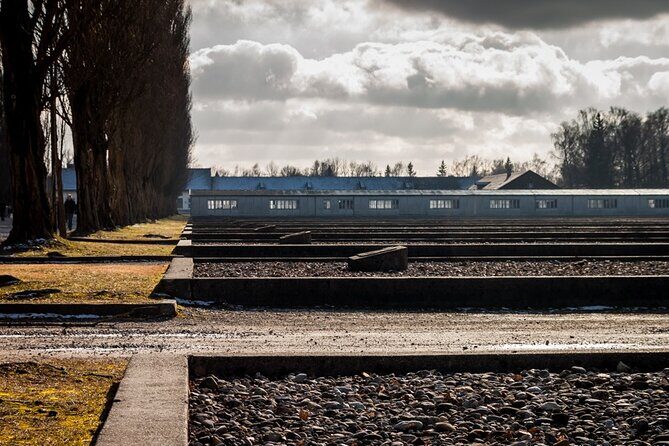
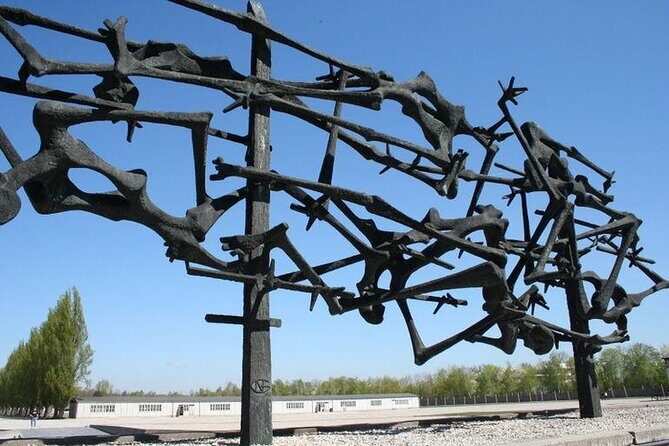
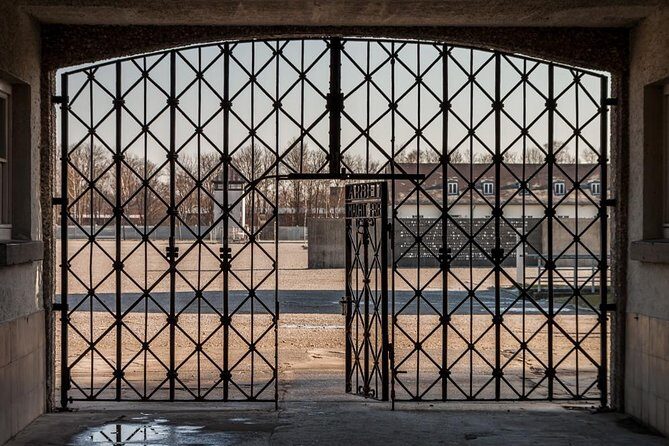
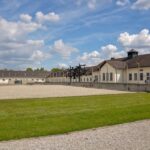
Stop 2 is the heart of the experience: the Dachau Concentration Camp Memorial Site. The tour is built to follow the “Path of the Prisoners,” so you’re guided along a sequence tied to how the system operated, not just individual spots on a map.
Here’s what that structure typically gives you:
- You move from arrival through administration and day-to-day routines.
- You see how the site reflects the prisoners’ experience over time, including moments tied to death.
- You get discussion of how the concentration camp system evolved, and why Dachau became a model camp for the system.
This matters because it reduces the mental overload. Instead of memorizing facts while your brain is trying to process horror, you’re building a chain of understanding step by step.
The tour also includes discussion of different types of camps that existed and how German people deal with this part of their history today. That last piece is important: it connects the memorial to the living responsibility of remembrance, not just the past.
Survivor stories that put names and dates back into the picture
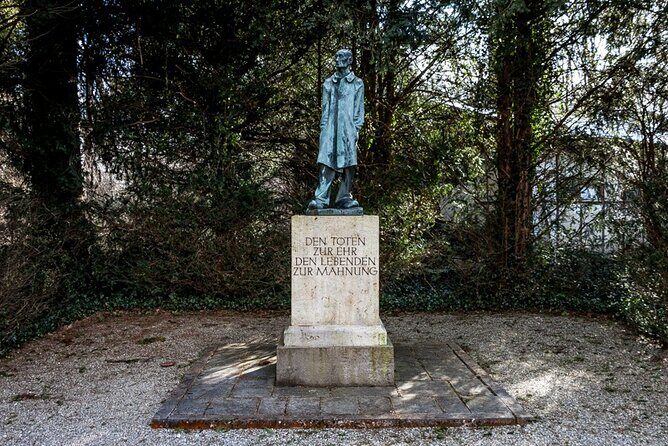
A tour lives or dies on how it handles human stories. This one puts survivor accounts into the day, including stories of individual survivors of the camp. That’s not just emotional; it’s informational. You come away with a sense that these weren’t abstract victims in a textbook.
Guides can vary, and the experience stays strong largely because the storytelling stays grounded. Some guides on similar private departures have shared deeply personal ways of explaining the material. For example, Adam has been praised for a personal connection to survivor accounts and for having strong German-language skills while leading in English. Markus has been praised for time, attention to detail, and handling questions patiently. Marcin has been noted for empathy and thoughtful pacing, especially with families spanning multiple generations.
Even with different guide styles, you should expect the tour to answer questions on the spot. Mat, for instance, has been described as open to questions that reach beyond just what happened in the past and touch on how people think about it now.
Bottom line: you’re not just hearing a lecture. You’re getting guided interpretation, with a person who can connect the dots as you go.


Camp system context you’ll actually remember
One reason this tour feels “worth it” is that it doesn’t treat Dachau like a standalone tragedy. You’ll hear about:
- the evolution of the concentration camp system
- how Dachau became a model camp
- different types of camps that existed
- how the memorial became a place of learning
I like this approach because it fights a common problem: some visitors leave with a list of scenes but not a framework. A structured explanation helps you understand why Dachau mattered to the larger system and how the memorial’s mission fits into education today.
This is also where a private format helps. If you want more detail on the camp system or less detail and more focus on survivor testimony, your guide can usually adjust. The tour is described as customizable to interests and pace, which is exactly what you want at a site where emotions can run high.
The original gas chamber and crematoria: expect the hardest parts
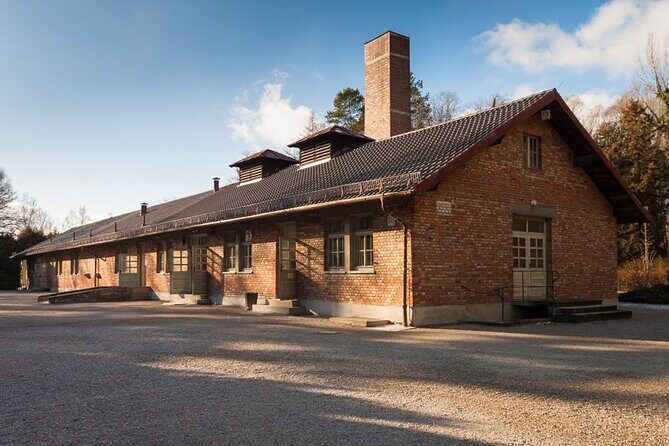
The tour includes viewing original buildings on site, including the gas chamber and crematoria. This is not the moment for multitasking. Phones, fast scrolling, or trying to “keep it light” will feel wrong fast, because the site doesn’t behave like a normal attraction.
From a practical standpoint, plan for the emotional weight. This isn’t a “see and forget” stop. It’s the kind of place where your body clock and your attention matter: you’ll want to be rested, and you’ll want to know you’re not hungry or distracted.
Dress code is smart casual, and it runs in all weather, so wear layers if you can. You may spend time standing and walking, and the emotional heaviness can make physical discomfort feel sharper. If you need mobility support, ask ahead—some guides have helped arrange a scooter on similar private departures when walking was difficult.
Getting back to Munich Central Station without stress
Stop 3 returns you to the original start location, either Munich Central Station or your accommodation. The return segment is about an hour, and admission is listed as included for this part of the plan.
This is where a private guide quietly does you a favor: you’re not left figuring out transit after a hard visit. Your mind will want a reset, and the guide helps you transition from memorial mode back into everyday Munich life.
It’s also a good time to ask small questions that didn’t fit earlier. If you’re the type who keeps thinking of questions on the train ride home, this is the moment to get those answers before the day runs out.
Price and value: what you’re really paying for
At $260.72 per person, this isn’t a cheap day trip. But you’re also not buying only a ticket—you’re buying a private guide for a long, structured visit, plus transport via public transit and (when available) hotel pickup and drop-off.
Here’s the value math that matters:
- You get a professional, qualified guide for roughly 5 to 6 hours.
- Public transit transport is included.
- Hotel pickup and drop-off apply to selected hotels.
- Admission is handled as part of the stops: Stop 1 includes an admission ticket, Stop 2 is listed as admission free, and Stop 3 includes admission.
For couples, this can be a strong deal compared to splitting costs across multiple private arrangements. For families, it can be worth it because the guide can adapt the pace to your group’s needs, including multi-generation discussions when that’s relevant.
The one clear cost note: food and drinks aren’t included. That’s not a deal-breaker, but it changes how you should plan your day. Eat before you go, and have a plan for after, so you’re not trying to make decisions while you’re tired and emotionally spent.
Who this tour suits best (and who should skip it)
This tour suits you if you want:
- a private experience where your questions aren’t squeezed between other people
- a structured path through the memorial site using the CID “Path of the Prisoners”
- an English-speaking guide for interpretation and survivor stories
- pickup convenience or an easy meeting point at Munich Central
You might want to skip it if you’re traveling with children under 13, because children 12 and under aren’t permitted by the memorial site rule. You should also consider whether your group has moderate walking stamina, since the day is scheduled for several hours on site and en route.
And if you’re hoping for a light, casual history outing, this isn’t that. This day asks for respect, quiet attention, and time to absorb what you’re seeing.
Should you book this private Dachau tour from Munich?
Yes, if you want a guided, structured visit that takes the story seriously and doesn’t rush you. The private format plus English delivery is a real advantage at Dachau, where context and pacing make the difference between confusion and understanding.
I’d especially recommend booking this if you like asking questions as you go, or if your group includes different ages or backgrounds and you want explanations tailored to what you need. If you’re sensitive to the emotional weight and you know you’ll handle it with care, this can be a powerful, grounding day in Munich.
FAQ
Where is the meeting point?
You meet at Bahnhofstraße 1, 80335 München, Germany. You can also arrange pickup from selected hotels or certain apartments (airBnB and private apartments).
Is the tour private or shared with strangers?
It’s a private tour/activity. Only your group participates.
How long does the Dachau tour take?
The total time is about 5 to 6 hours.
Are tickets to the memorial included?
Yes. Admission is included for Stop 1 and Stop 3, and Stop 2 lists admission as free.
What language is the tour offered in?
The tour is offered in English.
What are the age requirements?
Children must be 13 or older. Children 12 and under are not permitted, and proof of age may be requested.
What should I wear, and will it run in bad weather?
Dress code is smart casual. The tour operates in all weather conditions, so dress appropriately for cold, rain, or wind.
Is the tour good for people with limited mobility?
The tour requires moderate physical fitness. If you need help with mobility, you should ask in advance since the walking time at the memorial is part of the experience.