REVIEW · BERLIN
Private Cold War Berlin: Espionage, Berlin Wall, a Divided City
Book on Viator →Operated by Insider Tour Berlin · Bookable on Viator
Berlin’s division still has a pulse. This private walking tour strings together Cold War sites into one clear story of escape, espionage, and control. It’s a focused 3 to 4 hours that makes the history feel close, not textbook.
Two things I really like: hotel pickup and drop-off that save you time, and a route built around major places tied to how the Wall actually worked. You’ll also spend time at Stasi Headquarters and other former border and detention landmarks without feeling rushed.
One thing to consider: it’s a walking tour in all weather, so you’ll want solid shoes and the stamina to keep moving.
In This Review
- Key Things to Know Before You Go
- Cold War Berlin in a 3–4 hour private walk
- Hotel pickup and free-entry stops that keep it efficient
- Bernauer Straße: Wall escape stories at the Berlin Wall Memorial
- Tränenpalast and the Palace of Tears farewell rituals
- East Side Gallery: when a Wall became a public art gallery
- Stasimuseum: how surveillance worked in everyday life
- Checkpoint Charlie: standoffs and the spy exchange vibe
- Prenzlauer Berg: NKVD and Stasi prisons at Fröbelstraße corner
- Alexanderplatz: the protest of Nov 4, 1989
- Price, pacing, and what the walking format means for you
- Who this tour is best for
- Guides matter: storytelling names you might hear
- Should you book this Private Cold War Berlin tour?
- FAQ
- How long is the Private Cold War Berlin tour?
- Does the tour include hotel pickup and drop-off?
- Is this tour mostly walking?
- Does it run in bad weather?
- What language is the tour offered in?
- Can I cancel for a full refund?
Key Things to Know Before You Go
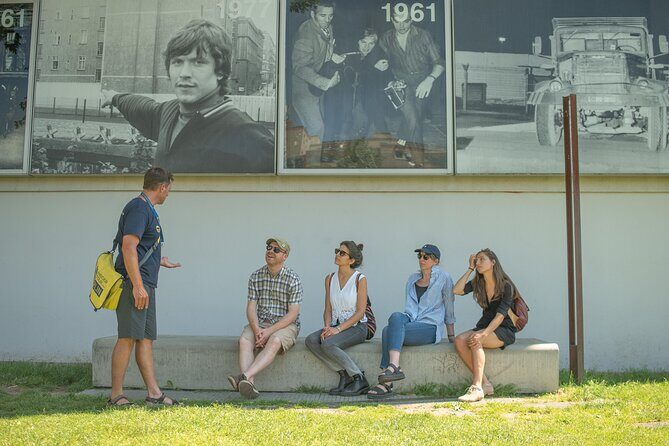
- Private and English-led: only your group, with an English-speaking professional guide
- Hotel pickup and drop-off included: fewer transit headaches, more time at the sites
- A border-to-surveillance route: from the Wall memorial and Palace of Tears to Stasi sites and Checkpoint Charlie
- Most stops are free to enter: each listed museum/landmark stop notes free admission tickets
- Short time per stop, strong storytelling: expect 15 to 40 minutes at key locations, all guided
- Guides can adapt: at least one guide was praised for accommodating physical limitations
Cold War Berlin in a 3–4 hour private walk
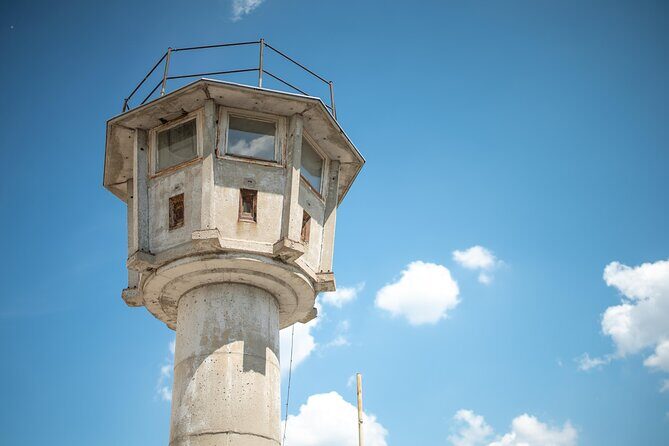
If you’ve ever wondered how a city can be split overnight and then policed for decades, Berlin answers that question with receipts. This tour moves through the most telling places from the Cold War era, connecting the human drama of the Berlin Wall to the machinery behind it.
You’ll do it as a private walking tour with a guide who keeps the timeline straight. That matters, because Cold War history can sound like a blur of acronyms and dates. Here, you get a route that turns it into a sequence: border crossings, escape attempts, spying, detention, and protest.
And yes, it’s active. You’re on foot for the whole experience, so plan it like sightseeing with purpose, not like a slow stroll.
You can also read our reviews of more city tours in Berlin

Hotel pickup and free-entry stops that keep it efficient
The biggest practical win is hotel pickup and drop-off included. In Berlin, that can save a chunk of time and helps you avoid the classic problem of starting a walking tour late because public transit didn’t match your plans.
The tour is priced at $191.44 per person for about 3 to 4 hours, and the value is in what’s bundled: private guiding, transport to/from the start point, and access to multiple major sites. Also, the listed stops include many with free admission tickets, so you’re not stacking costs site by site.
One more detail that’s genuinely useful: you get a mobile ticket, which is the kind of small thing that makes day-of logistics smoother.
Bernauer Straße: Wall escape stories at the Berlin Wall Memorial
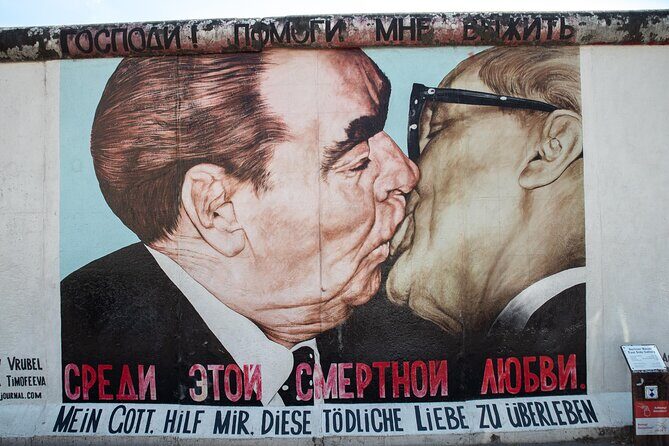
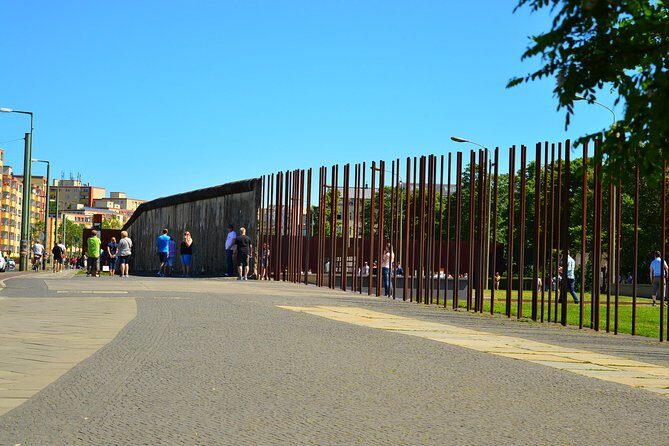
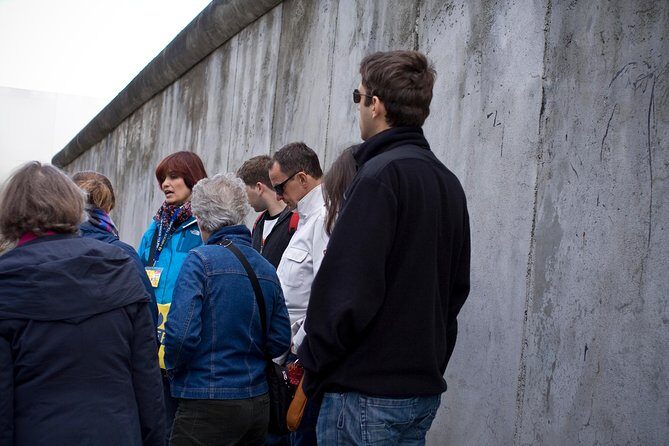
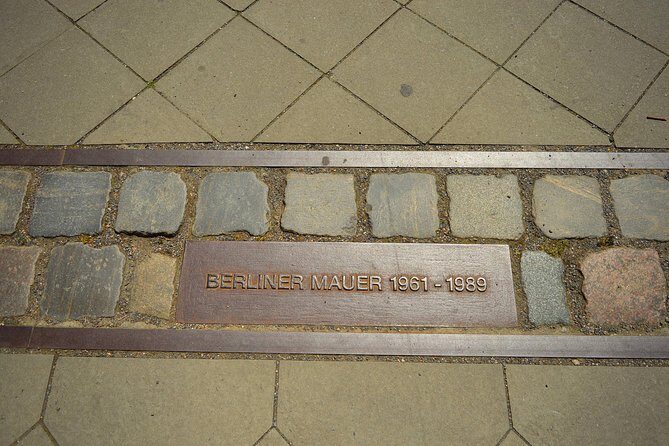
Your first stop is the Memorial of the Berlin Wall at Bernauer Strasse, one of the most emotionally direct Wall-related sites in the city. You’ll see a preserved section of the Wall and visit the Chapel of Reconciliation, which helps set the tone fast: this wasn’t abstract politics. It was families, fear, and choices that could mean life or death.
What I love here is the way the guide connects architecture to action. Berlin’s Wall wasn’t just a wall; it was a system that shaped daily life and pushed people toward desperate escape plans.
You’ll hear about underground escape attempts, including Tunnel 57 and Tunnel 29. The story of Tunnel 29 is especially striking because it’s tied to a specific outcome in 1962, when it led 29 people to freedom. The point isn’t just that escapes happened. It’s how much planning and risk went into trying to cross a border that was supposed to be absolute.
Practical tip: this stop carries heavy subject matter. I’d give yourself a second or two to stand back, look at what’s preserved, and let the guide’s stories land.
Tränenpalast and the Palace of Tears farewell rituals
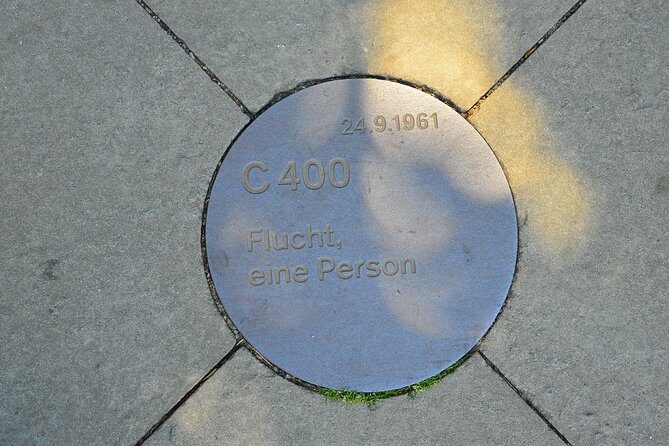
Next comes Tränenpalast, the Palace of Tears at Friedrichstrasse. The building is tied to a grim rhythm: people on one side saying goodbye at the border, sometimes not knowing if they’d ever see each other again.
This is one of those places where you can feel the tension in the air even if you didn’t live it. The museum focus includes how border control worked, and it also touches on espionage, because Friedrichstrasse crossings were not only about leaving. They were also about observing and trying to move people and information across lines.
I like that the tour doesn’t treat espionage as spy-movie stuff. It frames the border as a hotspot where emotion and intelligence gathering met. That makes it easier to understand why ordinary spaces became dangerous when walls and secret police controlled movement.
Drawback to keep in mind: this is also a museum stop, and with only about 20 minutes there, the guide will hit key themes rather than giving you a long self-guided wander. If museums are your thing, consider adding extra time before or after the tour.
East Side Gallery: when a Wall became a public art gallery
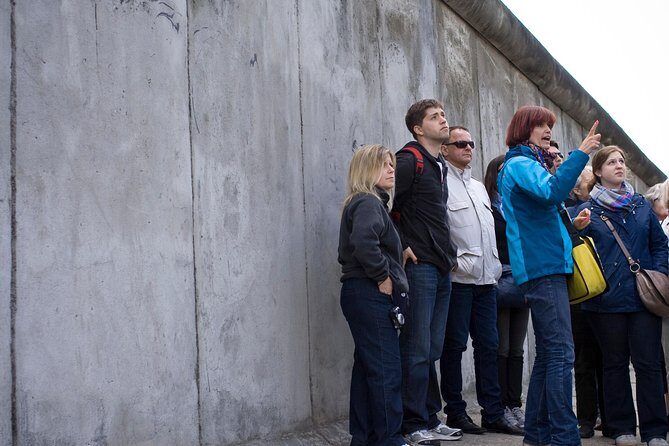
Then you’re walking to the East Side Gallery, a stretch of the Wall turned into an open-air gallery of murals. It’s about 1.3 km long, and after 1989 it became a visual record of the post-Wall shift in Berlin.
If the first stops made you feel the weight of division, this one adds a different kind of perspective: the Wall’s legacy didn’t just end. It transformed. Artists from around the world painted messages that reflect hope and the new reality after reunification.
I think this stop is smart because it gives you emotional balance. Without it, the tour could feel like a steady march through trauma. With it, you see how Berlin has processed the past in public, in color, and in a way people can walk past and talk about.
You can also read our reviews of more private tours in Berlin


Stasimuseum: how surveillance worked in everyday life
Now for the stop that often leaves people quiet: the Stasimuseum at the former Stasi Headquarters. This was East Germany’s secret police system, and the museum presentation makes it clear that surveillance wasn’t occasional. It was built into daily life.
You’ll learn about a broad network: spies, informants, and methods that ranged from hidden observation to tech and human intelligence. The tour description points to things like hidden cameras and wiretapping, plus the chilling fact that ordinary citizens could be pulled into informing.
This part matters for two reasons. First, it explains why escape was so hard. If you could be watched, you couldn’t just run. Second, it shows why repression wasn’t only about arrests. It was about fear, pressure, and social control.
Also, it’s not just about mechanisms. The guide ties it to the impact on families and individuals, including interrogation and harassment. That’s where the history becomes personal.
Checkpoint Charlie: standoffs and the spy exchange vibe
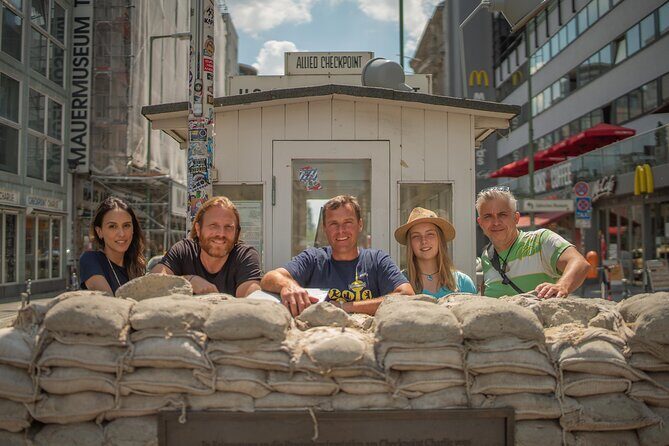
Next is Checkpoint Charlie, one of the most iconic border crossing points from the Cold War. It’s famous today partly because it’s easy to picture: a crossing between East and West Berlin that became a stage for international tension.
You’ll hear about tense standoffs, especially between American and Soviet forces during the Berlin Crisis of 1961, when the Wall was erected. The guide also connects the site to escapes and the kind of spy exchanges that were part of the Cold War’s shadow world.
Checkpoint Charlie also includes a museum component with exhibits related to espionage and the Wall’s wider Cold War role. With only about 15 minutes planned here, you won’t leave with every detail in your pocket, but you will get a strong framework: why this crossing mattered and why the world watched it.
Prenzlauer Berg: NKVD and Stasi prisons at Fröbelstraße corner
If you want the Cold War to feel brutally real, the area around Fröbelstraße corner in Prenzlauer Berg is where it clicks. This corner connects two repressive systems: the former NKVD prison and the later Stasi prison.
After World War II, Soviet authorities used the NKVD prison for political prisoners, suspected spies, and people labeled enemies of the state. Then the GDR period comes in, and the Stasi takes over, continuing the detention and surveillance culture.
You’ll get a guide-led explanation of harsh conditions and how both organizations used detention and pressure to control opposition. The power here is the continuity: even as the labels changed, the logic of repression was recognizable.
With only around 15 minutes, it’s not a slow, tear-your-heart-out stop. But it’s enough to understand what happened to people who got caught inside the system.
Alexanderplatz: the protest of Nov 4, 1989
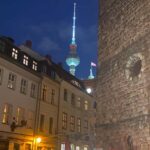
The final stop is Alexanderplatz, a place you’ll recognize from Berlin’s modern skyline, including the Fernsehturm (TV tower) and the Red City Hall. On this tour, the modern landmarks are not the point. The Cold War role of the area is.
The guide focuses on the November 4th, 1989 protest, when over half a million East Berliners gathered to demand change. That date is a reminder that the Wall didn’t fall only because of behind-the-scenes negotiation. It was also people making noise in the streets.
You’ll also learn how the area tied into Stasi surveillance efforts, and how public pressure became part of the path away from division. This stop helps you end the tour with motion: not just the machinery of control, but the push toward freedom.
Price, pacing, and what the walking format means for you
At $191.44 per person and about 3 to 4 hours, you should expect a tour that is tightly managed. Stops run roughly 15 to 40 minutes each, with guided context that keeps the route readable and focused.
That pacing is a feature if you like structure. It’s not a stop-and-sit café tour. It’s a “walk, learn, see, move on” format.
Two things help you get the most out of it:
- Wear shoes you trust on city sidewalks, because the tour is walking and runs in all weather.
- Bring a note-taking habit. With multiple sites in one go, writing down what resonates helps you sort it later.
You’ll also want to show up with your energy intact. Private tours are often small and smooth, but they still require your legs.
One more thought: since this is a private tour/activity, it’s only your group. That usually means fewer awkward pauses and more room for your questions when they come up.
Who this tour is best for
This is a great fit if you want Berlin history that actually connects the dots. I’d especially recommend it if:
- You’re curious about the Berlin Wall beyond just photos and timelines
- You like spy-related history but want the human cost and real-world details included
- You want a guided route that hits major Cold War sites in one morning/afternoon block
It also works well for both first-timers and repeat Berlin visitors, because the focus isn’t only the famous landmarks. It’s how the story ties them together.
And if you’re worried about physical limits, keep this in mind: there’s evidence the guide can accommodate physical limitations. The tour’s general note is that most travelers can participate, but it still depends on you and how you handle a walking format.
Guides matter: storytelling names you might hear
I like that this tour can be led by guides praised for strong storytelling and calm, clear explanations. In the feedback I saw, Tina was highlighted for natural storytelling and passion for lived experiences in East and West Germany during the Cold War. Another guide, Toni, was praised for a calm, informative approach and for offering added perspective tied to being a child during the Cold War.
You’re not just collecting facts here. You’re getting a guided narrative that helps you understand why people acted the way they did.
Should you book this Private Cold War Berlin tour?
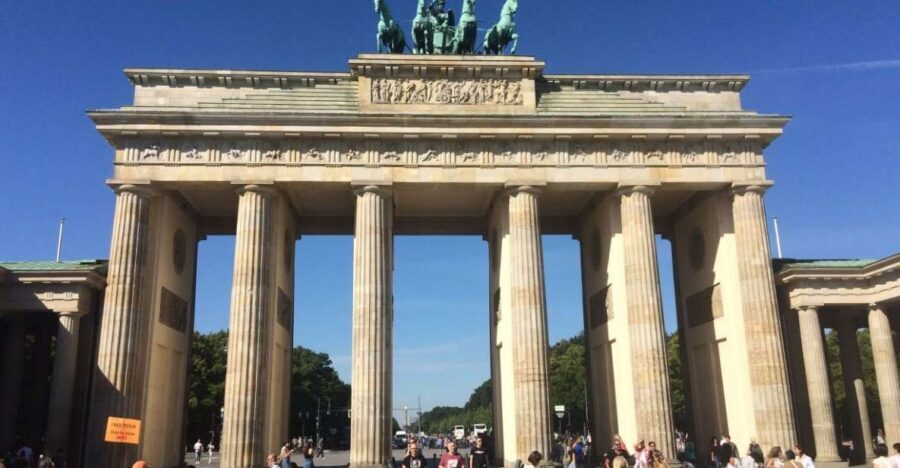
I’d book it if you want a guided route that covers the Cold War’s biggest Berlin themes in a way that’s easy to follow: the Wall memorial and escape tunnels, the emotional border farewell machine of Tränenpalast, the transformation symbolized by the East Side Gallery, and the surveillance reality in Stasi sites, plus Checkpoint Charlie and the prisons that fed the system.
Skip it only if you want slow museum time at every stop. This tour is designed for movement and high-impact context, not for long independent wandering inside each building.
If you’re comfortable walking and you like history that explains how people survived and resisted, this is a solid use of your time in Berlin.
FAQ
How long is the Private Cold War Berlin tour?
It runs about 3 to 4 hours.
Does the tour include hotel pickup and drop-off?
Yes. Hotel pickup and hotel drop-offs are included.
Is this tour mostly walking?
Yes. It’s a private walking tour, and it’s best suited to active travelers.
Does it run in bad weather?
Yes. It operates in all weather conditions, so dress appropriately.
What language is the tour offered in?
The tour is offered in English.
Can I cancel for a full refund?
Yes. You can cancel up to 24 hours in advance for a full refund.