REVIEW · MUNICH
Paul’s Private Tour in Munich old City
Book on Viator →Operated by Paul Riedel · Bookable on Viator
A walk through Munich can feel like a list. This one turns it into a story, with a private, customizable route and stop-by-stop context for landmarks like Viktualienmarkt and the Frauenkirche. I especially like that you get practical city guidance along the way, not just photos and names.
What I really like is the balance of major sights and smart suggestions for what to do next. Expect stop-time explanations, plus pointers for shops and restaurants, so your hours in Munich actually feel planned instead of random.
One consideration: this is a walking tour of the core, and the route includes some heavy 20th-century chapters. Also, church interiors depend on service hours, so you might see more from the outside than the inside on the day.
In This Review
- Key things you’ll notice on this Munich old-town tour
- Where you start: Karlstor to a clean arrival in the old city
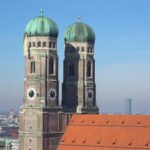
- Frauenkirche first: Munich’s landmark, explained at street level
- The Biergarten photo break and the Viktualienmarkt connection
- St. Peter’s Church: the roots of Munich before Munich
- Maximilianstrasse and the shopping-meets-monuments vibe
- Marienplatz to town halls: Munich grows up right in front of you
- New Town Hall and the face of power: architecture with personalities
- Residenz Munich outside, and the option to go inside
- Bayerische Staatsoper and Ludwig II to Wagner with facts
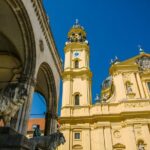
- Odeonsplatz: Bavaria through kings, architecture, and wartime consequences
- Funf Hofe and Promenadeplatz: modern luxury and where to eat next
- Platzl and the reconstruction feel: medieval echoes in the pedestrian streets
- Rathaus-Glockenspiel and the Old Town Hall: engineering magic to dark turning points
- Viscardigasse: the Nazi-era chapters you can’t really skip
- Price and what you’re really buying for $127.72
- How to decide if Paul’s private old-city tour fits you
- FAQ
- How long is the Munich old city private tour?
- Where does the tour start and end?
- Is pickup offered?
- Is this tour only for my group?
- What’s included in the tour price?
- Are there tickets required for the stops?
- Can the route be customized?
- Are mobile tickets used?
- Is there a cost if more people join than booked?
- Can I get a refund if I cancel?
Key things you’ll notice on this Munich old-town tour
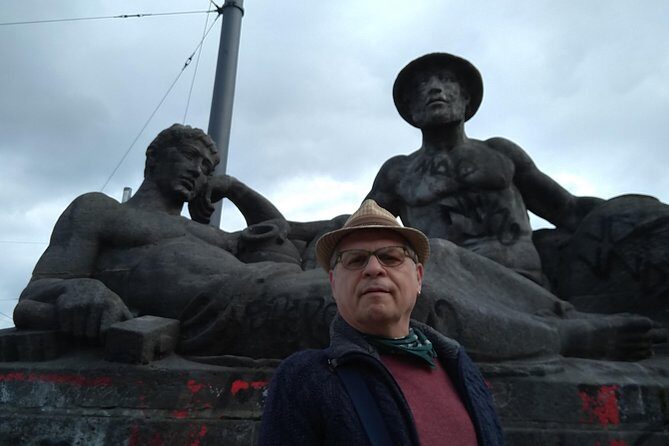
- Flexible routing: your guide can adjust based on what you want to focus on.
- Free church visits where noted: multiple stops list admission as free, with optional interior time.
- You get oriented fast: major squares and streets are covered in a compact loop.
- Real-world Munich tips: shop and restaurant recommendations are built into the experience.
- Ends with Marienplatz to Odeonsplatz momentum: the last stretch keeps you near prime evening hangouts.
Where you start: Karlstor to a clean arrival in the old city
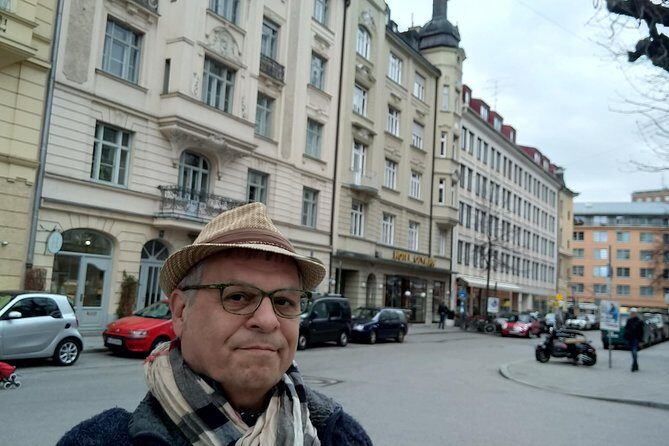
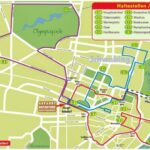
You meet at Karlstor / Neuhauser Str. (80331 München) and finish at Odeonsplatz (80333 München). That matters because both are practical points to orient yourself: Karlstor is a natural old-town gateway, and Odeonsplatz drops you right near Bavaria’s classic sights and an easy dinner base.
The tour runs about 2 hours, which is ideal if you’re arriving, trying to beat the jet-lag shuffle, or you want a concentrated overview before you spread out on your own. It’s private, so you’re not glued to a slow group. Your guide can steer the pacing based on your questions and the time windows for church access.
If pickup is available for your booking, it can make this feel smoother—especially on a first day. And you’ll get a mobile ticket, which keeps the whole thing low-fuss.
You can also read our reviews of more city tours in Munich
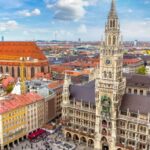

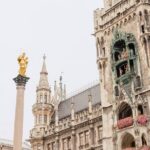
Frauenkirche first: Munich’s landmark, explained at street level
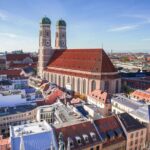
Your first big stop is the Frauenkirche—St. Mary’s Church—and the tour starts by giving you the construction story in plain terms. This isn’t just a shell check. You’ll get a feel for why this building became so central to the city’s identity.
There’s also an option to go inside, but the timing is practical: interior access depends on service hours. The guide’s pitch is that they’ll make it memorable either way, but you should still expect that you may only have a short inside moment if services are running.
This is a strong first stop for a simple reason: after you understand the Frauenkirche, everything else feels less random. You start seeing the city’s priorities—power, faith, and civic pride—through architecture instead of a pile of facts.
The Biergarten photo break and the Viktualienmarkt connection
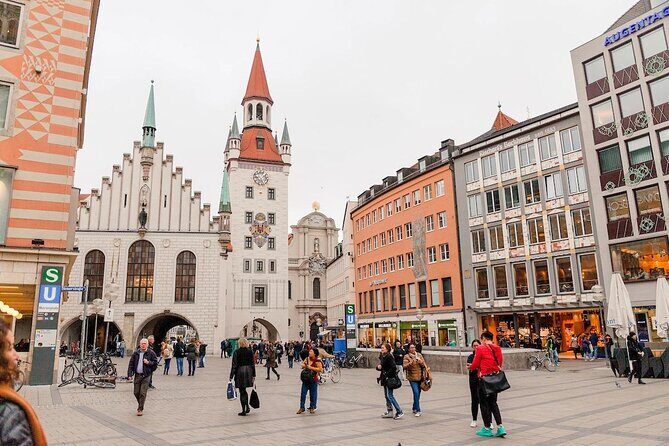
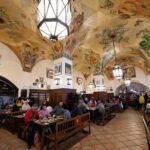
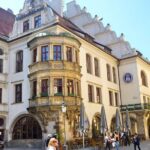
Then you shift toward the Viktualienmarkt area, with a quick Biergarten visit built into the walk for memorable picture spots. Even if you’re not planning to linger, it’s a good mental reset in the middle of a sightseeing sprint. Munich feels like Munich once you’ve seen how locals mix beer culture with everyday street life.
Right after that, you hit Heilig Geist (Holy Spirit). This is one of those stops that can be easy to rush past without context. Here, you get the history of what the place was before it became a church. The tour also keeps options on the table: you can go inside if you want, but you’re not forced to.
Why this section works: it connects the everyday market zone with the religious and historical layers of the city. You’re not only looking; you’re learning how Munich evolved where people actually gather.
St. Peter’s Church: the roots of Munich before Munich
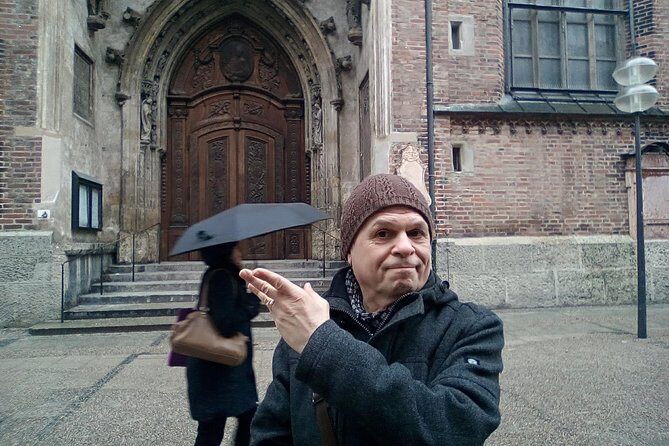
Next comes St. Peter’s Church, described as the first church in Munich, even before the city existed as we think of it today. That’s a useful framing. It helps you understand why the old town doesn’t just feel old—it feels like it grew on top of earlier meaning.
There’s an optional inside visit too, including time around baroque works and reliquies if you’re interested. If you’re not, you can still enjoy the exterior storytelling and keep moving through the center.
This is also a moment where a private guide earns their fee. You can ask follow-up questions like what the church signals about the city’s timeline or why certain styles show up here. If you like history that connects to buildings, this stop will land well.
Maximilianstrasse and the shopping-meets-monuments vibe
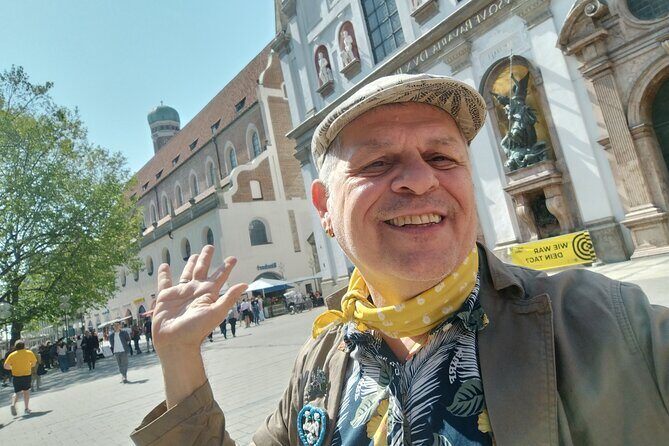
From there, you move to Maximillianstrasse—a street known for monumental buildings and high-end retail energy. The tour gives you the “what to notice” version of this area, so it’s not just window-shopping.
A practical note: if you’re touring on a day when shops are busy, the guide can help you navigate the flow without turning the walk into a stop-and-start mess. This is one of the benefits of a private setup: the guide can keep you moving and still explain what matters.
Even if you’re not a shopper, this street is worth the time because it shows how Munich mixes grandeur with everyday consumption. It’s Bavaria showing you its polished side.
You can also read our reviews of more private tours in Munich




Marienplatz to town halls: Munich grows up right in front of you
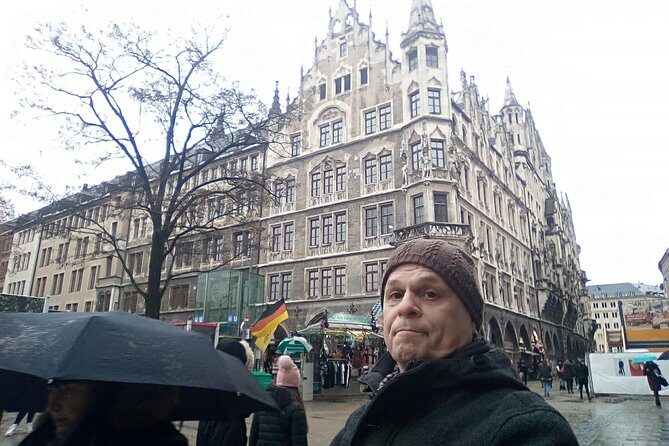
Then you reach Marienplatz, where the tour focuses on how Munich grew from an early market to a major town. It’s a quick stop, but the context is what makes it memorable. You’ll understand that Munich’s famous squares didn’t appear overnight—they reflect steady civic growth.
After Marienplatz, the route continues to the Rathaus-Glockenspiel. Here’s where the tour gets delightfully nerdy (in a good way): the guide emphasizes that they’ve visited inside this engineering feature and can explain the most current and fascinating history behind it.
This section is great for first-timers because it hits the big “Munich looks like this” points—fast. And because you’re with a guide, you won’t need to study a map just to figure out where you are or what you’re looking at. You’ll know why it’s famous.
New Town Hall and the face of power: architecture with personalities
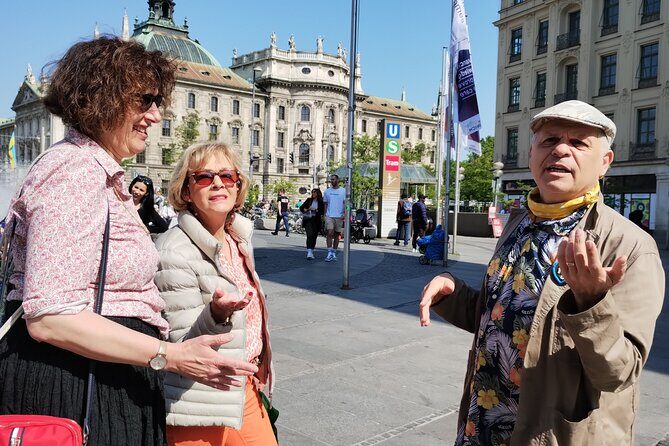
You also pass the New Town Hall (Neues Rathaus), where the focus is on architecture plus the personalities represented on the façade. This kind of explanation helps you see the building as political messaging, not just stonework.
From a value standpoint, this matters: without guidance, it’s easy to stand in a square and miss half the meaning. With a guide, you walk away with a mental picture of who wanted what from power, and how that shows up in design.
And because the tour keeps moving through multiple city-center anchors, you get a wide sweep of municipal and royal Munich without burning half a day.
Residenz Munich outside, and the option to go inside
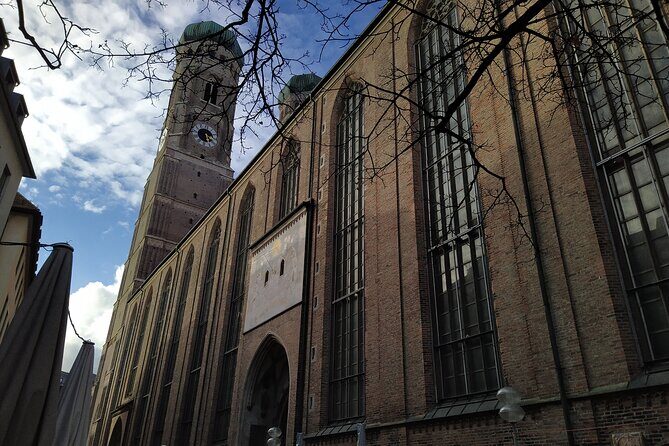
Next is Residenz München, the royal palace complex. In this tour, you visit the outside first, with an option offered for a special inside visit.
This is a smart structure. Even if you skip the interior, you’ll still learn how the palace relates to Munich’s political history. If you do want the inside, it’s best to take it while the timing works for the day.
A private guide helps you decide. If you’re trying to prioritize, you can ask whether the interior part is worth your time based on your interests. That’s exactly the kind of customization that makes the tour feel like yours.
Bayerische Staatsoper and Ludwig II to Wagner with facts
Then you head toward Bayerische Staatsoper, where the tour connects King Ludwig II and Richard Wagner. The emphasis here is on facts over gossip, with details spanning the 18th century, the 2nd World War era, and what changed up to today.
This stop is useful because it stops the usual tourist habit of treating names like trivia. You’ll understand how these artistic and political worlds interacted in Munich—again, through context tied to specific places.
If opera or music history is your thing, this is a good mid-tour anchor. If it’s not, it still works because it’s about why Munich became a cultural heavyweight, not just who performed where.
Odeonsplatz: Bavaria through kings, architecture, and wartime consequences
Odeonsplatz is next, with a bigger-picture explanation of Bavaria—covering architecture, kings, and the consequences of the World War. The guide keeps it place-based, so you’re learning history that’s visible in the square, not history that feels distant and textbook-like.
This is also a good moment to pause mentally. After a string of churches, town halls, and palace references, Odeonsplatz gives you a broader lens. You’re starting to see the old city as a map of influence.
Funf Hofe and Promenadeplatz: modern luxury and where to eat next
You then pass Funf Hofe (Five Courts), described with an Elyasson sculpture note and as a modern luxury mall area. It’s a quick stop, but it reminds you that Munich isn’t frozen in medieval time. The center keeps evolving.
A little later comes Promenadeplatz, where the tour includes restaurant, café, and stay options. It’s also tied to pop-culture trivia—Michael Jackson is mentioned as someone who was here multiple times—then the guide pivots back to practical usefulness.
This blend is exactly why I like guided walks in big cities. You’re not only seeing landmarks. You’re getting a short list of places you can actually try tonight, which is where most tourists lose value after the tour ends.
Platzl and the reconstruction feel: medieval echoes in the pedestrian streets
At Platzl, the walk includes a reconstruction from the medieval city. It’s a small stop, but it helps you understand how Munich preserves its old-town feel even while changing around it.
From here, you’re in classic pedestrian-street territory, where Munich’s walking rhythm becomes part of the experience. Your guide can help you interpret what you’re seeing rather than forcing you to read every sign.
Rathaus-Glockenspiel and the Old Town Hall: engineering magic to dark turning points
The tour returns to key civic territory with Rathaus-Glockenspiel and the New Town Hall context already set. Then you reach Old Town Hall with an especially weighty note: the place where Goebels signed the Reichspogromnacht Order.
This is where the tour’s tone can feel intense. If you’d rather avoid heavy topics, this is the part where you’ll want to ask your guide to calibrate the level of detail. Because it’s private, you’re not stuck in silence or forced to sit through what doesn’t fit your comfort.
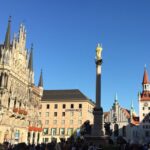
Right after that comes Mariensaule, tied to the history behind Holy Mary and the 30 Years War. That’s a shift back toward older layers of power and faith, giving your brain some breathing space after the 20th-century darkness.
Viscardigasse: the Nazi-era chapters you can’t really skip
Finally, the walk reaches Viscardigasse, where the tour references Hitler’s Putsch, the Second World War, and the path through Nazi terror. This is not a light stop. It’s part of how Munich tells its full story, warts included.
If you’re the type who likes your history grounded in specific locations, you’ll probably appreciate the specificity here. If you prefer a softer first-day overview, you can treat this section as the “context reality check” and decide how deep you want the conversation to go with your guide.
Price and what you’re really buying for $127.72
At $127.72 per person for about 2 hours, you’re paying for three things that most self-guided walks don’t deliver well:
First, you’re buying direction. You’re not hunting for meaning or trying to connect dots between squares and churches. The guide builds the connections for you, stop by stop.
Second, you’re buying customization. The route is flexible and can be tailored to your interests, which matters because old-city tours can otherwise feel like a fixed checklist. This one is designed to respond.
Third, you’re buying local output beyond landmarks. The tour includes shop and restaurant suggestions, and the operator also includes a book called Loving Munich. That’s the kind of take-home value that can help you plan the rest of your stay without guesswork.
A practical note on value tradeoffs: this is not trying to cram in every museum or palace inside. You’ll get a focused old-town sweep, with optional interior time in select churches and possibly the Residenz interior depending on conditions. If you want a deep-dive museum day, this is the opener, not the main event.
How to decide if Paul’s private old-city tour fits you
Book it if you want:
- A fast way to get bearings in Munich without a map headache
- A private, adjustable plan that can answer your questions
- Strong city-center highlights like Frauenkirche, Marienplatz, Residenz area, and town hall territory
- Practical lists for where to eat and shop after the tour
Skip or consider a different option if:
- You don’t want heavy historical topics mixed into your sightseeing
- You prefer museum-style time blocks over a walking route with many short stops
- You expect a long tour lasting significantly beyond the advertised 2 hours (this one is meant to stay tight)
FAQ
How long is the Munich old city private tour?
It runs for about 2 hours.
Where does the tour start and end?
It starts at Karlstor / Neuhauser Str., 80331 München and ends at Odeonsplatz / Odeonspl., 80333 München.
Is pickup offered?
Pickup is listed as offered.
Is this tour only for my group?
Yes. It’s a private tour/activity, so only your group participates.
What’s included in the tour price?
Included items are the guided tour with full background of the buildings and city, restaurants and shop suggestions for your stay, and the guide’s book Loving Munich.
Are there tickets required for the stops?
The listed church stops show admission tickets as free. Options to go inside depend on on-site timing such as service hours.
Can the route be customized?
Yes. The route is described as flexible and can be customized based on your interests.
Are mobile tickets used?
Yes, mobile ticket is listed as a feature.
Is there a cost if more people join than booked?
Any person over the booked number pays 35 € to the guide at the start of the tour.
Can I get a refund if I cancel?
Free cancellation is available. You can cancel up to 24 hours in advance for a full refund.