REVIEW · MUNICH
Munich: Street Art Bike Tour
Book on GetYourGuide →Operated by Munich Walk Tours · Bookable on GetYourGuide
Street art looks different when you pedal it. This Munich street art bike tour turns the city’s walls into a living lesson, from the graffiti roots in the 1980s to the modern pieces you can see today. Two things I really liked: the Isar river route for art-on-the-way moments, and the way the guide connects what you see to how graffiti grew in Germany.
I also like that the tour pushes you off the usual tourist track, including a ride toward Giesing and then onward to the slaughterhouse district. One consideration: the tour runs in German, so if you don’t read much German, bring patience and expect the guide to use clear explanations when needed.
In This Review
- Key things to know before you ride
- Munich’s 1980s graffiti story is easier to see than you think
- Marienplatz to Giesing: how the route helps you escape crowds
- Isar river murals: street art along the city’s everyday edges
- Giesing’s working-class walls give the art more context
- Old masters, newer street artists, and the history in between
- Slaughterhouse district and the boat break at a railway bridge
- Bikes, pace, and who this tour suits best
- Price check: does $40 feel worth it?
- How to get the most out of your street art ride
- Should you book this Munich Street Art Bike Tour?
- FAQ
- How long is the Munich Street Art Bike Tour?
- Where do I meet the guide?
- What’s included in the price?
- What language is the tour guide?
- Is this tour suitable for children?
- Is it wheelchair accessible?
- Can I cancel if my plans change?
Key things to know before you ride
- 210 minutes is long enough to feel like a real “route,” not just a quick photo stop
- Rental bikes included means you can show up and ride, no planning required
- The tour focuses on Munich’s role as a graffiti pioneer in the 1980s
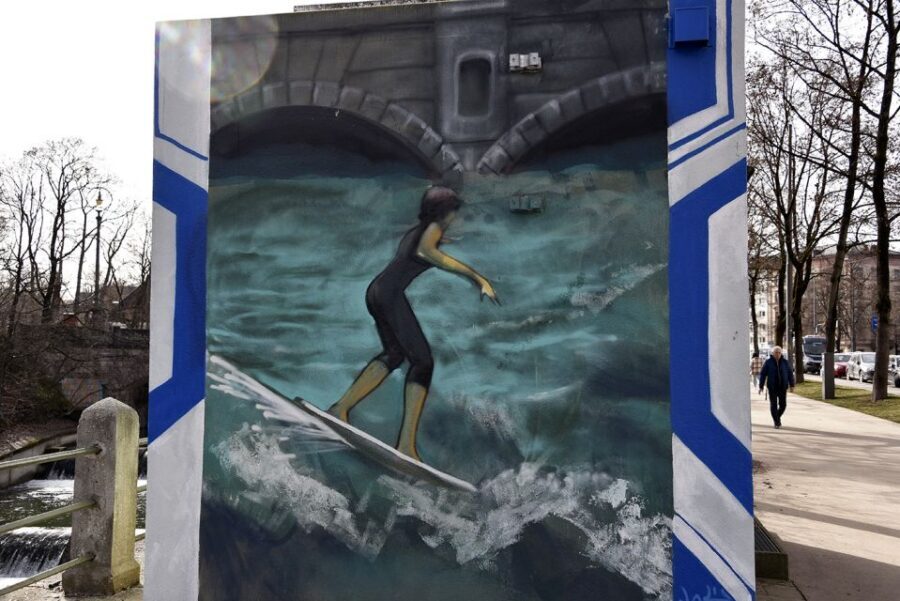
- You’ll spend time along the Isar river where artists have left their marks
- Expect a mix of older, foundational styles and newer street artists
- There’s a boat break at a railway bridge to reset your legs
Munich’s 1980s graffiti story is easier to see than you think
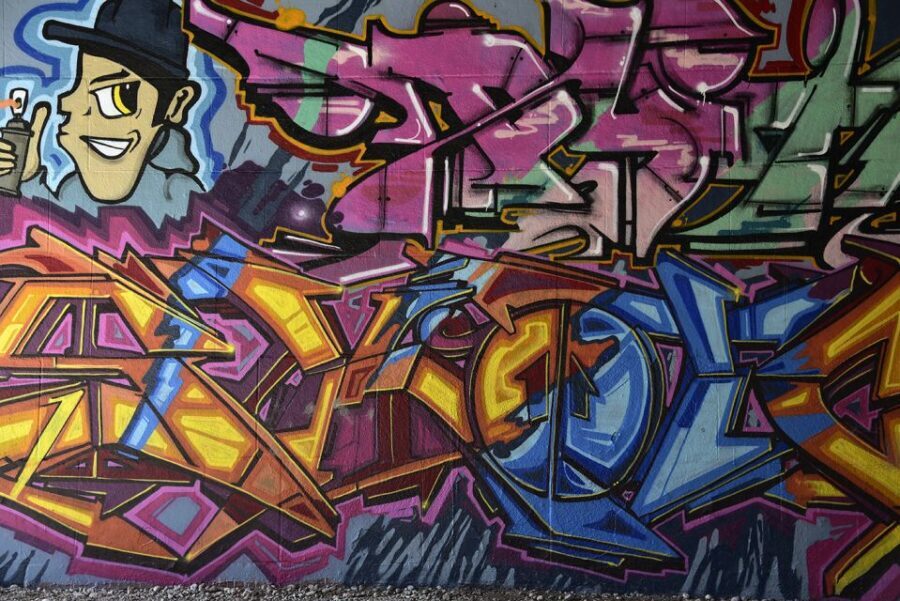
Munich today can look tidy and polished, the kind of city where you’d never guess graffiti could be a starting point. That’s exactly why this tour feels smart: it reframes the city using street art as your map. You learn that Munich was considered a mecca for graffiti artists, and the story is compared to New York’s role in the broader culture.
You also get the timeline in practical terms. Instead of treating graffiti like random wall decoration, the tour connects it to the history and how the movement spread—especially Germany’s early phase in the 1980s. As you ride, you’re not just hunting for colorful murals; you’re learning why certain styles exist and how artists build on what came before.
This matters because street art can be easy to dismiss when you only see it from the sidewalk. When you understand the “why,” you start noticing choices: the lettering style, the layering, and how artists claim space in a city that wasn’t always welcoming to it.
You can also read our reviews of more cycling tours in Munich
Marienplatz to Giesing: how the route helps you escape crowds
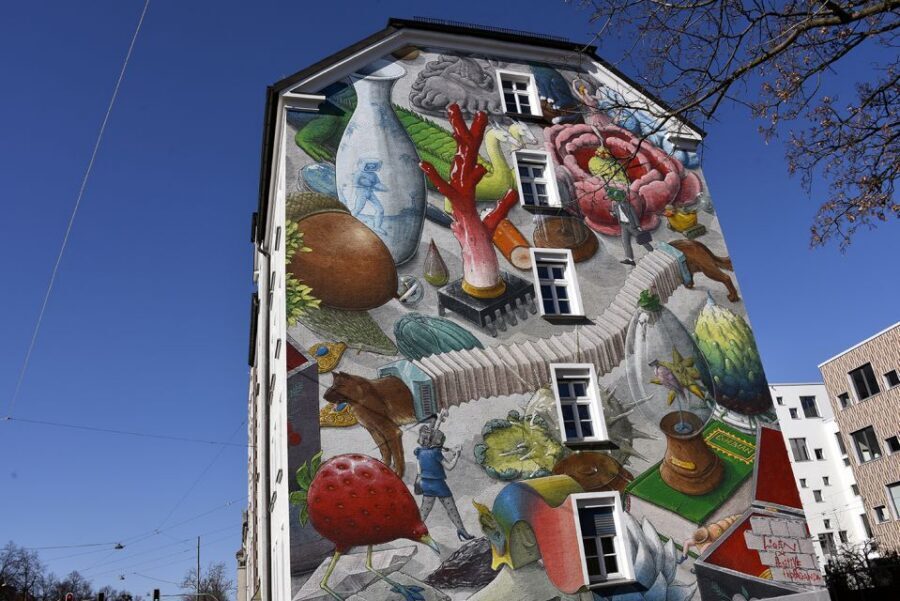
The meeting point is right in the action: in front of the Tourist Information Office at Marienplatz. Your guide holds a yellow street art tour sign with red letters, so it’s usually easy to spot who you’re looking for.
The ride itself is built to change your perspective. You start near a classic tourist hub, then head out toward places that feel more local. The tour goes far enough away that the mood shifts, and Giesing is the key pivot point. It’s described as a former working-class neighborhood, which is important because street art often thrives where communities already have identity and a strong sense of place.
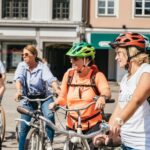
Once you’re in motion, the bike helps you cover ground without turning the experience into a rushed sprint. The tour lasts 210 minutes, so you get enough time to slow down at stops and still keep the route flowing. And because the bikes are included, you’re not stuck figuring out gears, locks, or rental logistics mid-adventure.
One practical note: this is a ride, not a sit-and-stare museum tour. If you prefer walking only, you might find the biking portion demanding.
Isar river murals: street art along the city’s everyday edges
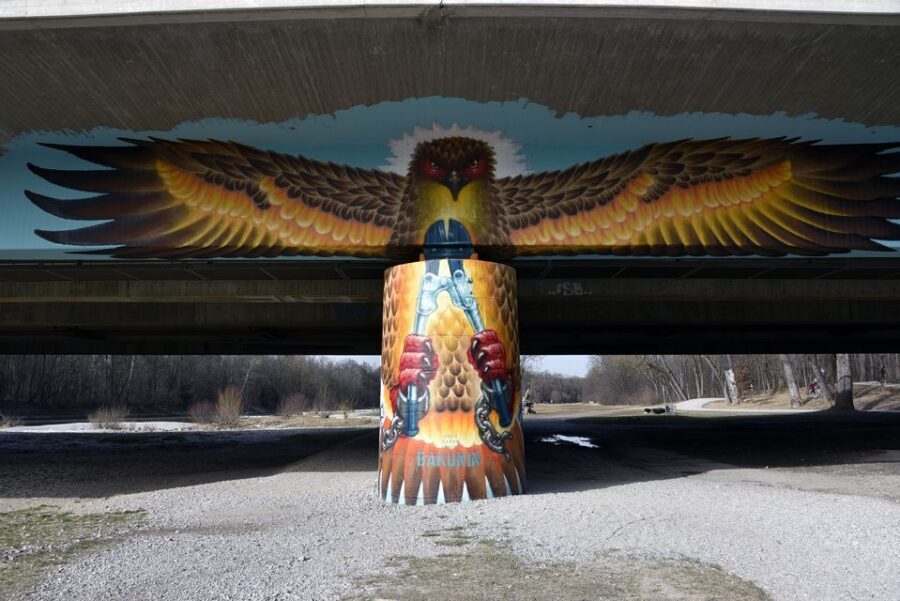
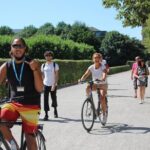
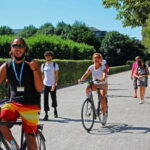
One of the best parts of the itinerary is the time along the Isar river. The Isar works well for street art because it’s part of daily life—people move there, jog there, hang out there. When artists paint near paths like this, the result doesn’t feel like a staged attraction. It feels like art living in the same rhythm as regular Munich.
As you stroll and ride along the river, you get a string of art examples instead of a single “big mural” moment. That variety is key. Graffiti and street art are not one style; they’re a whole range of methods and influences, and seeing them in sequence helps you notice patterns.
You’ll also appreciate the storytelling rhythm. You don’t just pass by. The guide explains facts about the history of graffiti, so your eye starts sorting details automatically: what looks older and foundational, what looks newer, and what seems tied to specific artist approaches.
If you like street art photography, the river route gives you practical angles too—long sightlines and natural “frames” from bridges and riverside edges. Just keep in mind the tour is still moving, so bring a phone/camera ready to shoot quickly between stops.
Giesing’s working-class walls give the art more context
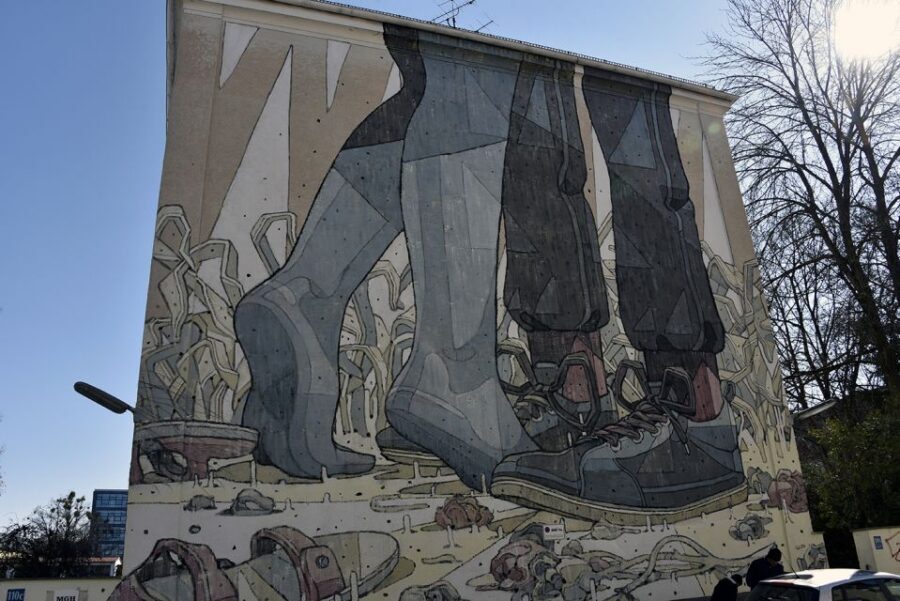
Giesing is where the tour really shows its “get off the beaten track” advantage. The neighborhood is described as formerly working-class, and that matters because street art tends to grow where walls and communities share a history. The tour’s goal here is not just to see more paint—it’s to understand why artists might choose these kinds of spaces.
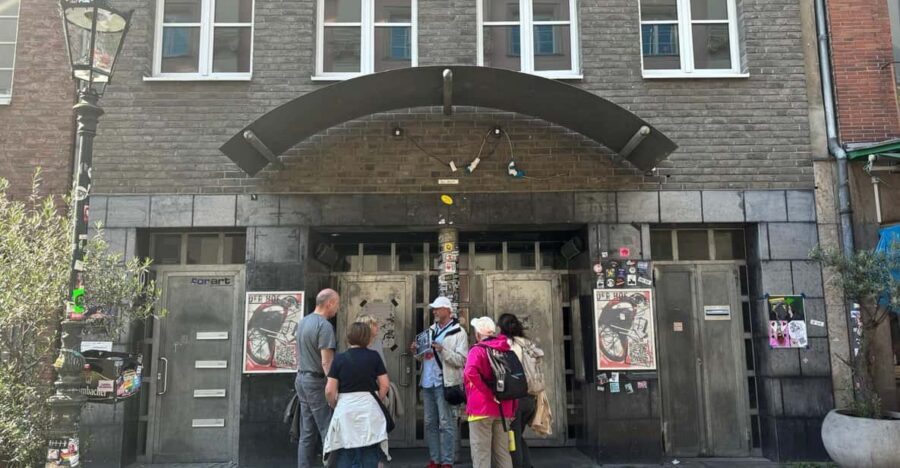
What you’ll feel is a shift from postcard Munich into something more grounded. You’re also more likely to notice art styles that feel connected to the street itself: lettering, tags, and bigger murals that look built for the area’s daily movement. Compared with tourist hotspots, this kind of zone makes street art feel less like spectacle and more like communication.
The route also supports a “ride-and-learn” structure. You don’t spend the entire time parked at one site. You’re moving on your bike, then stopping where the art deserves it. That keeps attention up, especially if you’re traveling with people who get bored waiting for long photo breaks.
One more consideration: this is a bike tour with an urban environment. If you’re sensitive to traffic noise or prefer very quiet walks, you might notice the contrast between the river segments and the neighborhood streets.
Old masters, newer street artists, and the history in between
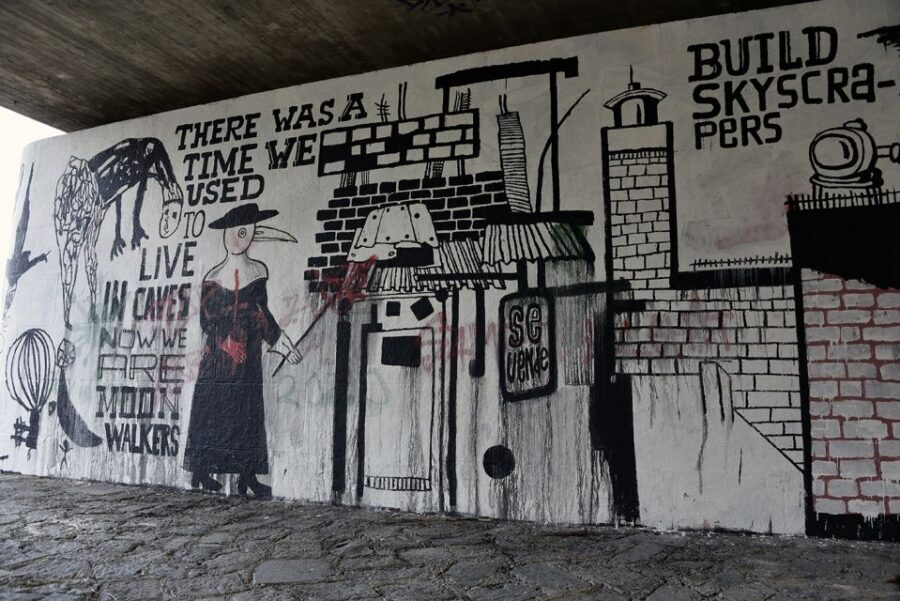
A big promise of the tour is that you’ll see both “old masters” and upcoming names. That’s a great approach, because it helps you understand street art as a living culture rather than a static collection of murals.
You’ll pass artworks that connect back to the early graffiti movement in Germany. Then you’ll see how the scene evolved—how newer street artists continue the language but adapt it. This mix is what makes the tour feel educational without turning into a lecture.
The guide also shares history facts about graffiti—enough to give you context as you look. You’ll learn that Munich was on the map early, and that it was considered a mecca for graffiti artists alongside New York. Hearing that while you’re actually looking at wall work in Munich makes the comparison stick.
One extra detail that’s worth knowing before you start scanning walls: a participant noted that an Aldi advertising mural in the Weinbauernstraße was made using photocatalytic paint. Even if you don’t know the chemistry, it’s the kind of fact that makes you look closer at how modern street art can blend with real-world materials and design choices.
A few more Munich tours and experiences worth a look
Slaughterhouse district and the boat break at a railway bridge
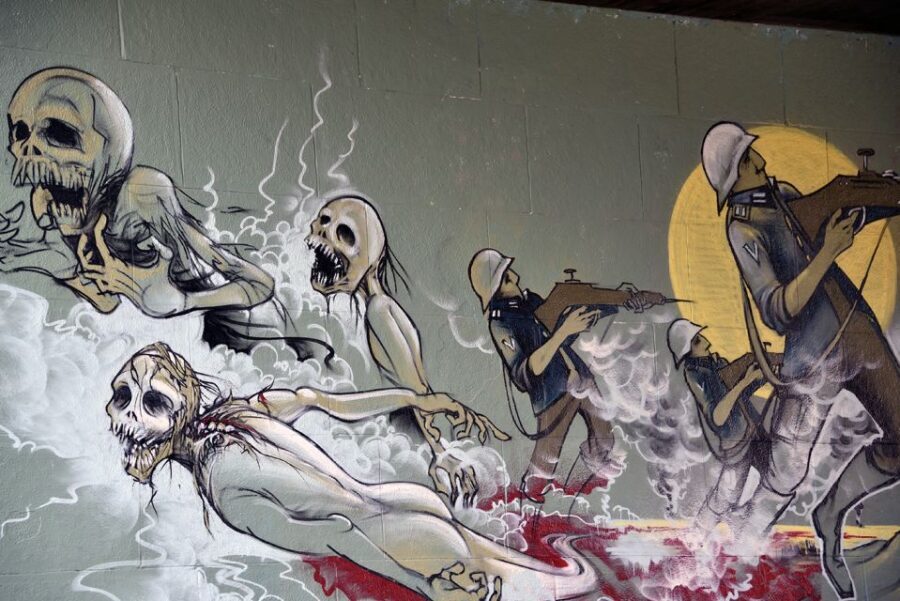
After Giesing, the tour heads toward the slaughterhouse district. Even if you’re not thinking about industrial history while you ride, this kind of area often pairs well with street art. Industrial zones tend to offer long walls, practical surfaces, and a visual “canvas” that street artists have used for years.
Then comes a smart pacing trick: a break on a boat at a railway bridge. This is the tour’s reset button. You get a short pause from biking and walking, and you can regroup while still staying in the same story of “art seen in motion.” A boat moment also gives you a different viewpoint—angles change, proportions change, and street art can look more like a city-wide conversation instead of isolated pieces.
The boat break is also valuable for energy management. A 210-minute tour can feel long if every moment is nonstop walking and scanning. This stop turns it into a trip with a natural rhythm: ride, see, learn, rest, and then continue.
Bikes, pace, and who this tour suits best
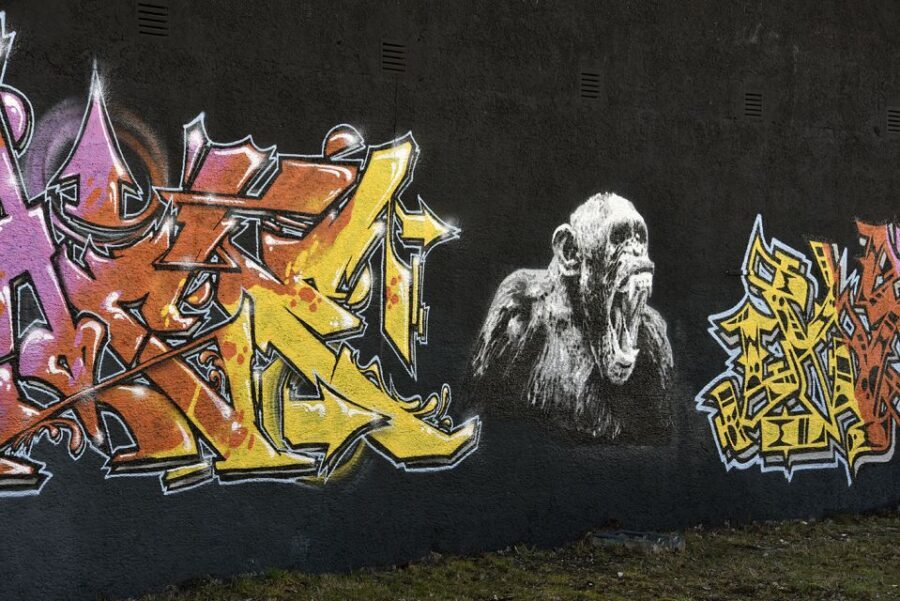
The tour includes rental bikes, which is a huge practical advantage. You don’t have to hunt for equipment or worry about whether a bike will fit your comfort level. It also keeps the group moving together, which matters for tours like this that use a route rather than a single location.
The tour is guided in German. There’s also evidence that guides may work hard to explain things clearly even when a group includes non-German speakers, with Ulrike specifically called out for effort and patience. Still, the safe plan is to come with a basic willingness to go with the flow.
Age and comfort matter. It’s not suitable for children under 10, and it’s not for wheelchair users. That tells you the bike route is part of the point, not an optional extra. It’s also worth noting that alcohol and drugs are not allowed, which helps keep the tour focused and safe.
If you enjoy street art and want a practical way to see more of Munich than a museum-and-café route, you’ll likely love this. It’s less about fine-art theory and more about real city walls, real neighborhoods, and a guide who connects it all into a timeline.
Price check: does $40 feel worth it?
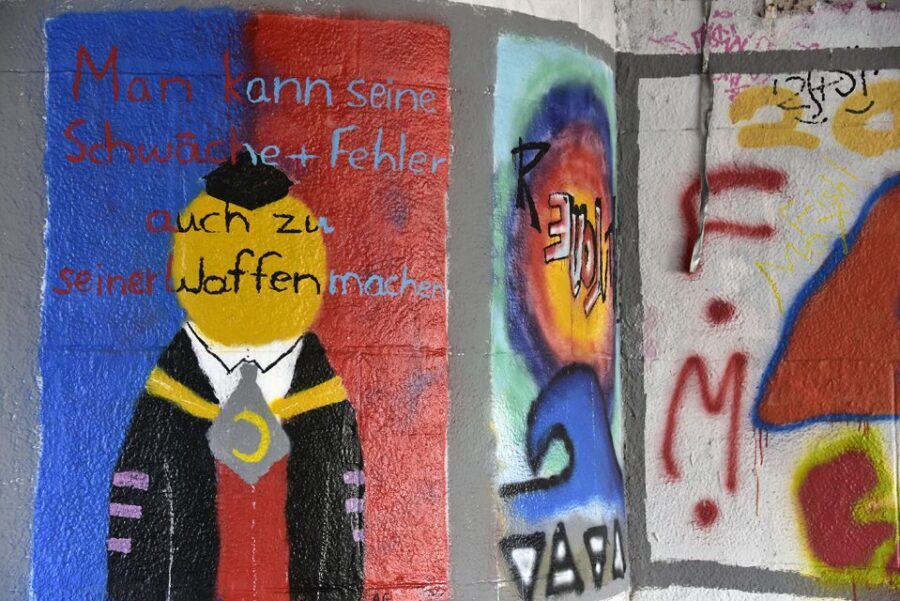
The price is $40 per person for a 210-minute guided bike tour with bike rental included. For Munich, that price feels fair because you’re not just paying for transportation. You’re paying for:
- a guide to interpret what you’re seeing
- access to a route that takes you beyond the usual walking circuit
- a full chunk of time (over three hours) that turns street art from “random visuals” into a guided story
- included rental bikes, which removes a common travel hassle
You’re also getting a format that saves energy. Instead of trying to cover all these spots on foot across multiple neighborhoods, you use the bike to connect the dots quickly. That’s part of the value, especially if you want to fit this into a day already packed with other sightseeing.
How to get the most out of your street art ride
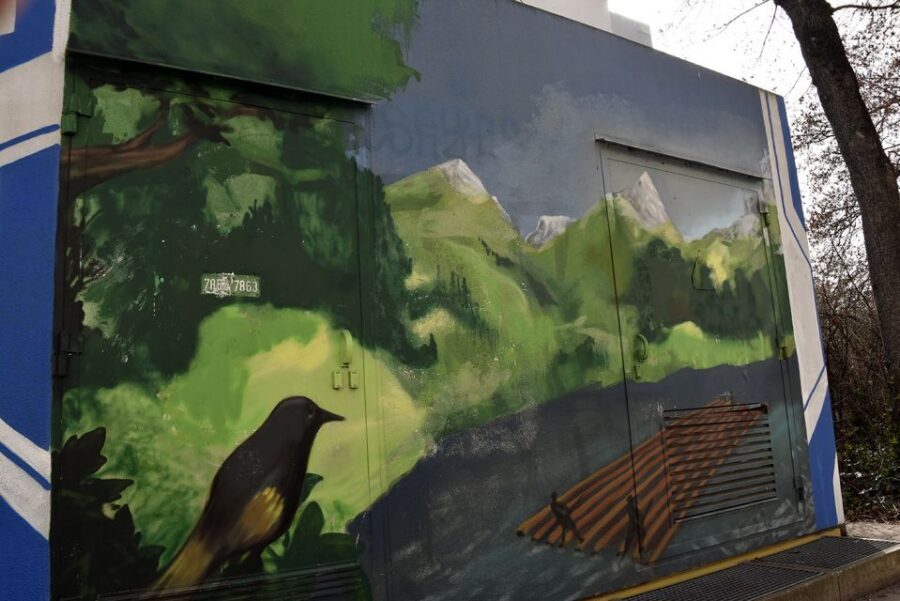
I’d go into this tour with two goals: watch closely, and stay curious. Street art can be playful, political, nostalgic, or just clever visual design, and the history context helps you spot which is which.
A few practical tips:
- Wear comfortable shoes and dress for the weather. You’ll mix riding with walking and river-level spots.
- Bring your camera ready, but don’t rush every photo. Some pieces will make more sense after the guide’s context.
- Be ready for stops that are more about observation than shopping. This tour is about looking and learning.
- If you see big brand-style or advertising murals, pay attention to materials and techniques. One side fact that popped up is the photocatalytic paint note for the Aldi mural in Weinbauernstraße.
Also, set expectations: you’re not meant to drink or take drugs on the tour. The best experience comes when the group stays clear-headed and safe enough to enjoy the route calmly.
Should you book this Munich Street Art Bike Tour?
Book it if you want Munich street art with context, not just pictures. The combination of the Isar river route, a ride into Giesing, and the guided history of graffiti’s 1980s roots makes this feel like a smart way to understand a side of Munich most visitors miss.
Skip it if you strongly prefer only walking, or if German-only guiding would be stressful. If you’re traveling with kids under 10 or anyone needing wheelchair-friendly logistics, this one doesn’t fit.
If you like city rides, street art, and guided storytelling that connects what you see to how the scene developed, this is a fun use of a half-day—and it’s priced in a way that feels like good value for the time and bike access.
FAQ
How long is the Munich Street Art Bike Tour?
It lasts 210 minutes (about 3.5 hours).
Where do I meet the guide?
Meet your guide in front of the Tourist Information Office at Marienplatz. The guide will be holding a yellow street art tour sign with red letters.
What’s included in the price?
The tour includes a tour guide and rental bikes.
What language is the tour guide?
The tour guide speaks German.
Is this tour suitable for children?
It’s not suitable for children under 10.
Is it wheelchair accessible?
No, it’s not suitable for wheelchair users.
Can I cancel if my plans change?
Yes, you can cancel up to 24 hours in advance for a full refund.