REVIEW · NUREMBERG
Nürnberg: Mörder, Fälscher, Messerstecher
Book on GetYourGuide →Operated by Geschichte Für Alle e.V. · Bookable on GetYourGuide
Crime has a street address in Nuremberg. This 2-hour walking tour ties together medieval justice and everyday landmarks, so you don’t just look at old buildings—you understand what they were used for. I like that the focus stays practical and story-driven, starting at the Hangman’s House and moving through key stops in the Old Town.
Two things I especially like: the guide’s professional, organized explanations, and the way they handle questions with calm confidence instead of rushing past them. One possible drawback: it’s a mostly on-foot route in the center, and it isn’t suitable for people with mobility impairments.
In This Review
- Key highlights you’ll feel as you walk
- Starting at the Henkerhaus: Franz Schmidt and the Hangman’s House
- Crossing the Old Town: Weinmarkt, witch hunts, and the weight of belief
- Old City Hall: how the medieval justice system actually worked
- Lochgefängnisse: Nuremberg’s medieval prison and the meaning of detention
- Hauptmarkt and the Christkindlesmarkt: where everyday life met death penalty
- Fleischbrücke: corporal punishment on a bridge stop you’ll remember
- Findelgasse and Peter Henlein: crime stories meet local craft
- Schuldturm finale: purpose, inmates, and the last turn in the story
- Price and value: why $15 for 2 hours can be a smart buy
- Who should book this tour
- Should you book? My take
- FAQ
- Where do I meet the guide?
- How long is the tour?
- How much does it cost?
- What language is the tour in?
- Is entry to the Hangman’s House included?
- Are town hall and prison entry tickets included?
- Is the tour suitable for people with mobility impairments?
- What should I bring?
- Can I cancel and get a refund?
Key highlights you’ll feel as you walk
- Start at the Henkerhaus (Hangman’s House) and learn about the famous hangman Franz Schmidt
- Weinmarkt to Old City Hall for the medieval justice system and how authority worked
- Lochgefängnisse (medieval prison): see how detention functioned and what conditions were like
- Hauptmarkt during Christkindlesmarkt season and how the death penalty lived in the same space
- Fleischbrücke and corporal punishment, plus the story of watchmaker Peter Henlein
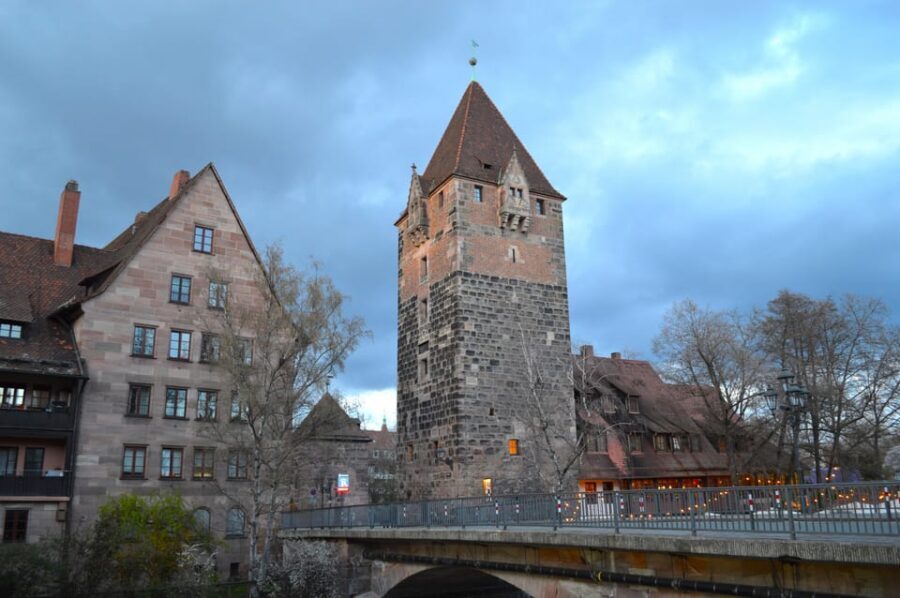
- Finish at the Schuldturm, with final stops tied to inmates and the tower’s purpose
Starting at the Henkerhaus: Franz Schmidt and the Hangman’s House
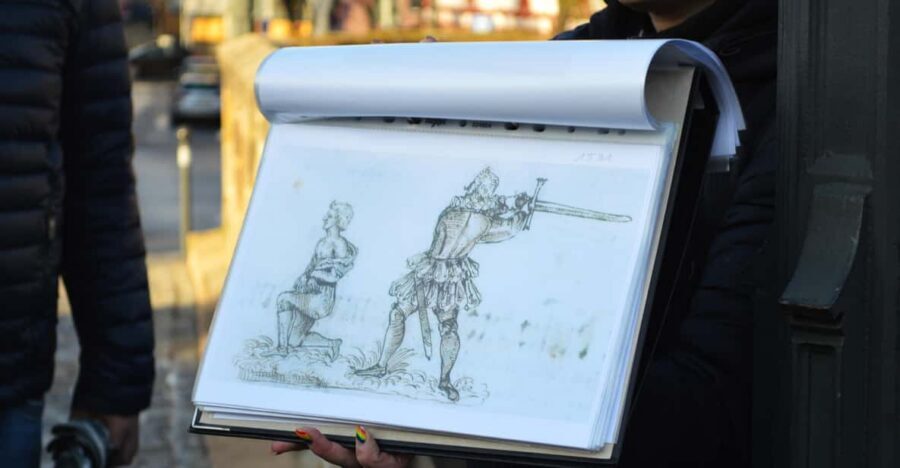
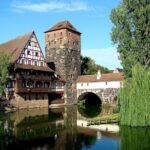
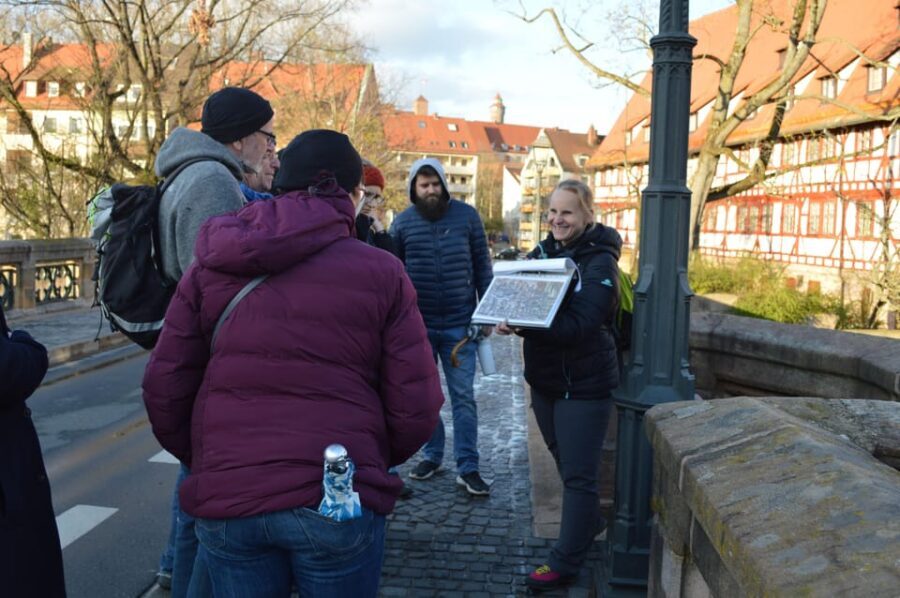
You meet the guide right in front of the Henkerhaus Museum entrance, with a picture folder and a green name tag that reads Geschichte Für Alle. That first moment matters. You’re not starting with a general lecture—you’re starting with a job people did, and the consequences people lived with.
From there, the tour explains the Hangman’s House and its most famous hangman, Franz Schmidt. The point isn’t sensationalism. It’s about how violence was regulated and justified in medieval city life—who had the authority, what punishments looked like, and why the city kept records and routines around punishment.
Also, the vibe is good for real attention. The tour stays quick between stops, and it’s designed so the story keeps moving even if the weather turns. One review noted how the guidance worked well through rain and dark—so plan for normal street conditions and keep your focus on the guide, not the sky.
You can also read our reviews of more tours and experiences in Nuremberg.


Crossing the Old Town: Weinmarkt, witch hunts, and the weight of belief
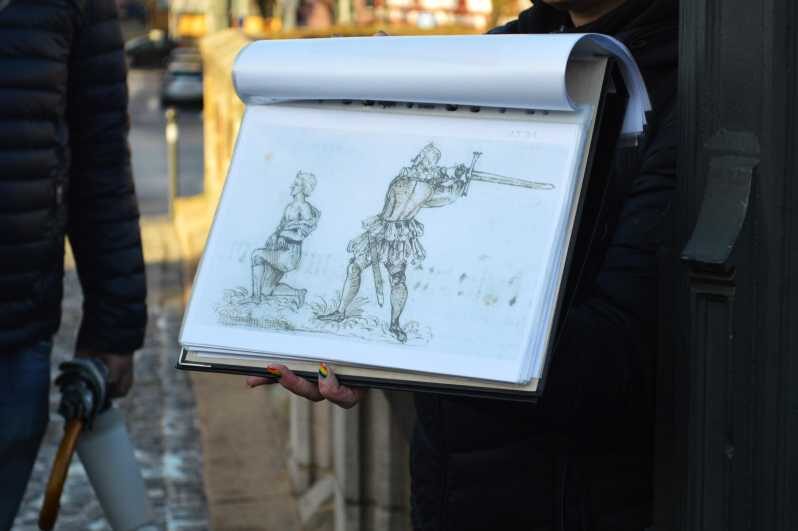
Next comes the Weinmarkt area, a short walk that sets up a key theme: witch hunts in Nuremberg. You’ll connect the dots between religion, fear, and legal power. Even if you know the general idea of witch trials, you’ll likely appreciate how the city’s own institutions shaped what people believed was acceptable.
Then you move onward toward the Old City Hall. Here, you’re shifting from the fear stories to the official ones—the kind of power that didn’t just punish. It claimed it was protecting order.
I like this pacing because it helps you build a clear mental map: fear leads to accusations, accusations lead to legal handling, and legal handling leaves physical traces in the city.
Old City Hall: how the medieval justice system actually worked
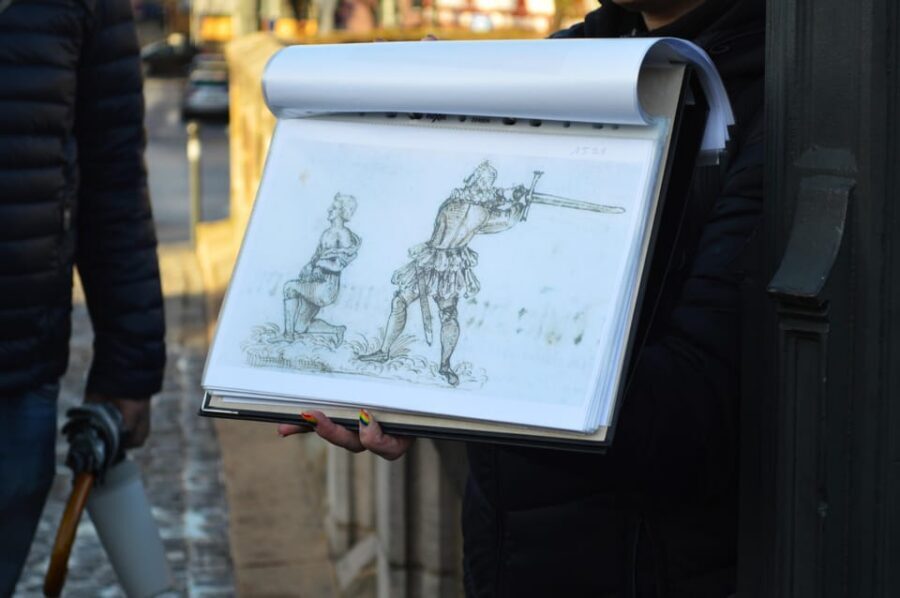
At the Old City Hall stop, the guide brings the story into focus with the medieval justice system. The value of this part is simple: you learn how the city’s leaders and systems turned punishment into something structured. That means you’re not only hearing about individual perpetrators or victims. You’re seeing how bureaucracy and authority worked in real time.
The tour keeps you oriented with walking rhythm and short landmark explanations—town hall, nearby details, then another turn. This is especially helpful if you’re not the type who wants to read long plaques at each stop.
One consideration: entries to the town hall aren’t included. So you’re mainly getting explanation and context from the outside and surrounding areas. If you want to go deeper with interior rooms, you’d likely need separate entry plans (the tour doesn’t bundle that).
Lochgefängnisse: Nuremberg’s medieval prison and the meaning of detention
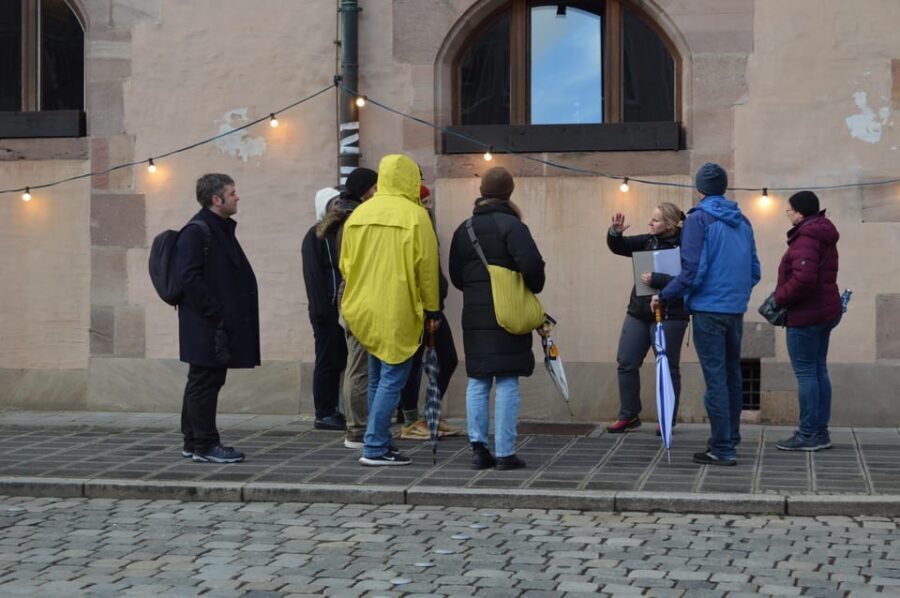
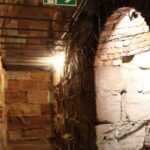
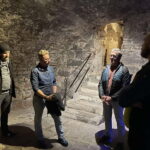
Then you reach the Lochgefängnisse—the medieval prison. This is one of the most memorable stops because it turns abstract “justice” into concrete places where people waited, suffered, and were processed.
You’ll learn the purpose of the Lochgefängnisse and what conditions were like. The guide’s job here is careful: to explain incarceration as a function of the system, not just a scary story for its own sake.
This is also where the tour’s theme of crime-as-a-system becomes real. It’s one thing to talk about punishment. It’s another to understand how the city held people before or during sentencing. That distinction is exactly what makes this tour feel more grounded than a generic history walk.
Again, entry to the medieval dungeons isn’t included. You’ll still get the key context, but if you expect museum-style interior access, adjust your expectations.
Hauptmarkt and the Christkindlesmarkt: where everyday life met death penalty
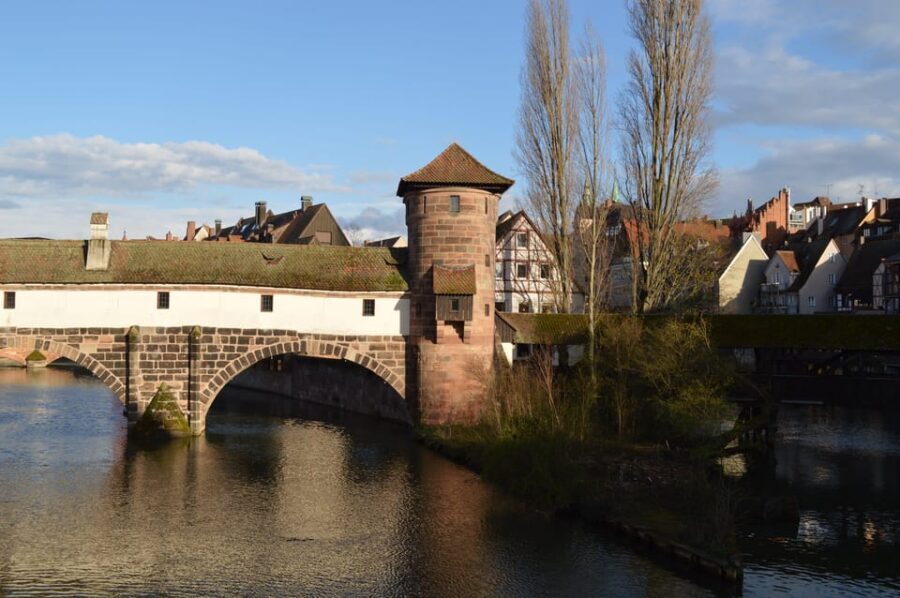
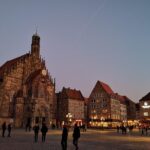
Now you walk to the Hauptmarkt, Nuremberg’s main square, where the annual Christkindlesmarkt takes place in December. Even if you’re there outside December, the guide explains the relationship between the square and the city’s everyday life alongside the harsh reality of sentencing.
Here’s why this stop works: it shows that punishment wasn’t hidden in a corner. It existed in the same public spaces where people shopped, gathered, and celebrated. You’ll hear how the death penalty connects to the Hauptmarkt’s role in public order.
If you like history that connects to daily life (instead of history frozen behind ropes), this part delivers. And if you’re visiting in December, you’ll likely enjoy the contrast of festive atmosphere with the darker layers the guide highlights.

Fleischbrücke: corporal punishment on a bridge stop you’ll remember
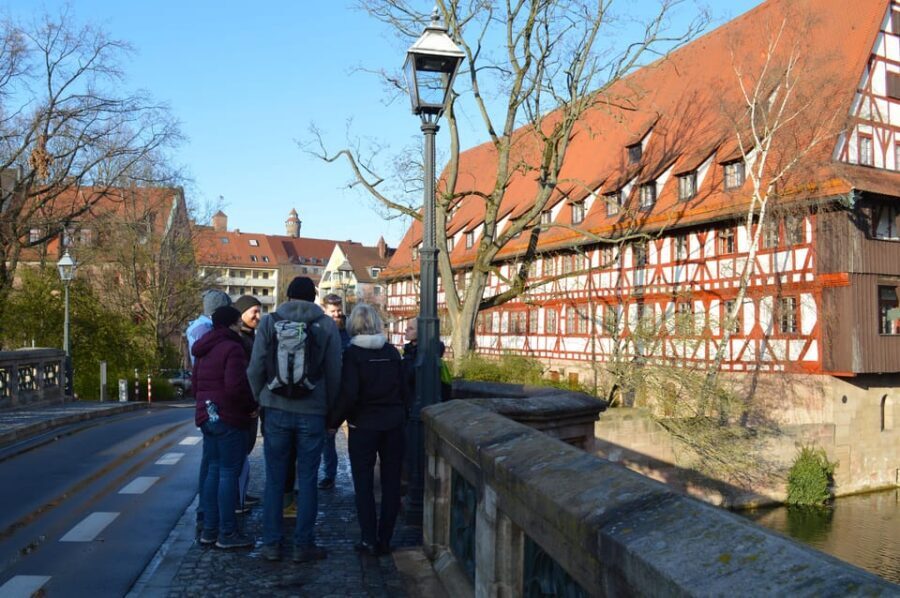
A short walk brings you to the Fleischbrücke. This is where the tour addresses corporal punishment in the Middle Ages. It’s a direct topic, and the way it’s taught matters: you’re not just hearing what people did. You’re learning how punishment was displayed, administered, and understood by a public community.
This stop also helps you connect the justice story to the city layout. Bridges, crossings, and public edges weren’t random. They were part of how public authority flowed through streets.
It’s a good reminder that “where” is part of the history. Even small infrastructure can become a stage for how power played out.
Findelgasse and Peter Henlein: crime stories meet local craft
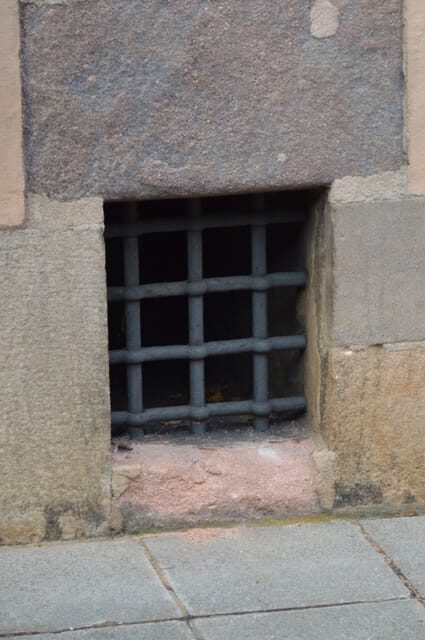
Next you head toward Findelgasse. This stop changes pace in a useful way. Instead of staying only on punishment, you also get a human story tied to a famous watchmaker: Peter Henlein.
The tour uses Findelgasse to show how different kinds of legacy lived side by side. You’re learning about justice and prison, but you’re also seeing how Nuremberg produced skills and reputations that outlasted violence.
For me, this balance makes the whole walk feel less like a single-note lecture. You end up with a city portrait: strict systems on one side, local craftsmanship and famous names on the other.
Schuldturm finale: purpose, inmates, and the last turn in the story
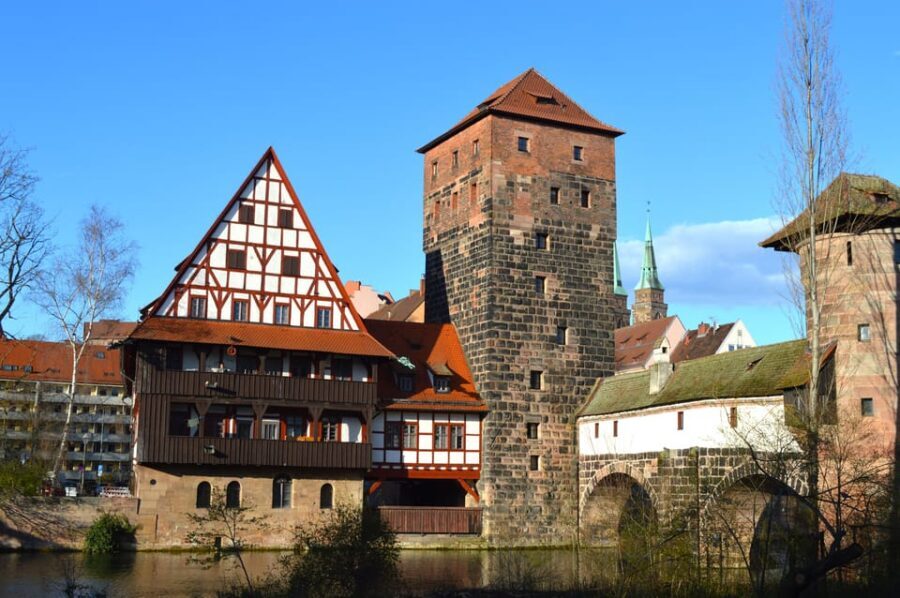
Your final stop is in front of the Schuldturm, where the guide explains its purpose and its inmates. The end point matters. It ties the themes together—justice, imprisonment, and consequences—so you’re not left with a set of unrelated stops.
You finish at Vordere Insel Schütt, 90403 Nürnberg-Mitte. That last location keeps you in the central area, which is practical for planning your next move—meal, walk, or another museum stop.
If you like a tour that ends with meaning (not just location-based logistics), you’ll appreciate how the guide builds to the Schuldturm rather than fizzling out at the last major landmark.
Price and value: why $15 for 2 hours can be a smart buy
At $15 per person for about 2 hours, this tour offers strong value if you enjoy guided interpretation. You’re not paying for entry tickets to the Hangman’s House, town hall, or Lochgefängnisse—those are not included—so the cost is mainly for the walk plus the guide’s storytelling and context.
That’s exactly how you should judge it. If you want a guided path through the Old Town with clear explanations tying each landmark to crime and punishment, the guide is the product. For this kind of theme, a good guide can save you hours of guessing what you’re looking at on your own.
Who should book this tour
I’d point you toward this experience if you:
- enjoy history that connects to specific city sites, not just general timelines
- want to understand witch hunts, medieval justice, prisons, and public punishment with clear explanations
- like asking questions and getting direct answers—this tour’s format seems built for it
- want something that works even when weather gets annoying, based on past experiences shared with the tour
You might skip it if you:
- need mobility-friendly routing, since it’s not suitable for people with mobility impairments
- only want museum-style indoor entry, since entry to key sites isn’t included
Should you book? My take
If you’re the kind of person who likes your history with names, places, and cause-and-effect, book it. The structure works: Henkerhaus → Weinmarkt → Old City Hall → Lochgefängnisse → Hauptmarkt → Fleischbrücke → Findelgasse → Schuldturm. Each stop adds a different piece to the crime-and-justice puzzle, and the guide’s Q and A approach seems to be a standout.
And at $15 for two hours, you’re paying for a guided interpretation of some heavy themes—without the extra cost burden of multiple entrances. It’s a focused tour that turns the Nuremberg Old Town into a living story.
FAQ
Where do I meet the guide?
Meet the guide in front of the entrance of the Henkerhaus (Henkerhaus Museum). The guide carries a picture folder and a green name tag that says Geschichte Für Alle.
How long is the tour?
The tour lasts about 2 hours.
How much does it cost?
The price is listed as $15 per person.
What language is the tour in?
The tour is in German.
Is entry to the Hangman’s House included?
No. Entry to the Hangman’s House is not included.
Are town hall and prison entry tickets included?
No. Entry to the town hall and entry to the medieval dungeons (Lochgefängnisse) are not included.
Is the tour suitable for people with mobility impairments?
No. It is not suitable for people with mobility impairments.
What should I bring?
Wear comfortable shoes and bring weather-appropriate clothing.
Can I cancel and get a refund?
Yes. You can cancel up to 24 hours in advance for a full refund.
If you tell me when you’re visiting (and whether it’s December), I can help you plan what to pair this walk with in the rest of your day in Nuremberg.