REVIEW · NUREMBERG
Nuremberg: 1-day ticket Germanisches Nationalmuseum
Book on GetYourGuide →Operated by Germanisches Nationalmuseum · Bookable on GetYourGuide
One museum, and suddenly your day has gravity. The Germanisches Nationalmuseum is a smart, $11 ticket into 600,000 years of culture, highlighted by the world’s oldest globe. You’ll also get to see major art names from Albrecht Dürer to Rembrandt, plus modern work by Hannah Höch, but the only real drawback is that some exhibit text is in German, so you may need patience with labels.
I like how the museum mixes historical and modern architecture, which makes moving through the building feel like part of the show. You’ll also find easy pauses in the museum’s beautiful inner courtyards, which help when you’re pacing yourself across many eras.
If you go in expecting a quick hit, it may feel like a lot. With a 1-day ticket you can stay the whole day, so plan for slow browsing and at least one longer break rather than trying to “finish” the place.
In This Review
- Key highlights worth your attention
- How a 1-day ticket works at the Germanisches Nationalmuseum
- Start smart: orientation map plus a guided tour at 3:00 pm
- The UNESCO moment: seeing the oldest globe in the world
- Major art across centuries: Dürer, Rembrandt, and Hannah Höch
- A museum you walk through: architectural history inside the building
- Beautiful inner courtyards: built-in breaks that feel worth it
- Special exhibitions (included): how to choose what to prioritize
- Café Arte and sensible pacing during a full day
- Rules that matter: what you can’t bring or do
- Value check: is $11 really worth it?
- Who should book this museum day (and who might not)
- Should you book the Germanisches Nationalmuseum 1-day ticket?
- FAQ
- What does the 1-day ticket include?
- Is there an audio guide?
- Is there a guided tour?
- Can I spend the whole day there?
- Are there any free-admission times?
- Is the museum wheelchair accessible?
- Are pets allowed?
- Can I bring food, drinks, or a backpack?
Key highlights worth your attention
- UNESCO oldest globe: a rare must-see anchored in a long timeline
- Dürer, Rembrandt, and Hannah Höch: art across centuries, not just one style
- Architectural history as a walking route: the building changes how you experience the collections
- Inner courtyards for downtime: a breather right inside the museum
- Special exhibitions included: use them to focus your route instead of guessing
How a 1-day ticket works at the Germanisches Nationalmuseum
This is one of those museums where “I’ll just do a couple rooms” turns into “okay, I’m still here.” Your 1-day ticket covers the permanent exhibition and the changing special exhibitions, so you’re not forced to choose between core collections and temporary displays. The ticket is priced at $11 per person, which is an unusually strong value when you’re thinking about a full-day indoor plan in Nuremberg.
Timing matters mainly because the museum is big and the subject matter spans ages. You’re effectively buying options: you can follow a guided route for orientation, then set your own pace. The museum also includes detailed information material and an orientation map, which sounds small until you’re inside and realize how much it helps you stop wandering.
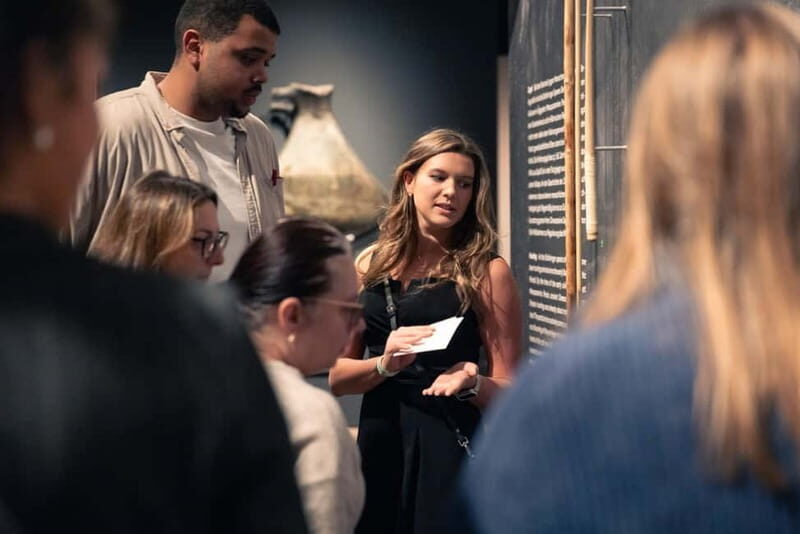
There’s also a daily guided tour to get to know the GNM (Germanisches Nationalmuseum), running Tue–Sun at 3:00 pm. You’re not required to join it, but if you’re the type who likes structure, this can be a fast way to understand how the museum wants you to move.
A few more Nuremberg tours and experiences worth a look

Start smart: orientation map plus a guided tour at 3:00 pm
If you’re going to get the best day out of a museum this size, you need two things: direction and permission to slow down.
Your ticket includes an orientation map, plus written materials that help you connect rooms to themes. I’d use the map immediately after entry, not later when you’re tired. Mark what you can’t miss (the globe, major art names, and at least one special exhibition), then pick one “maybe” zone. That way, even if you run into crowds or energy dips, you still hit the high points.
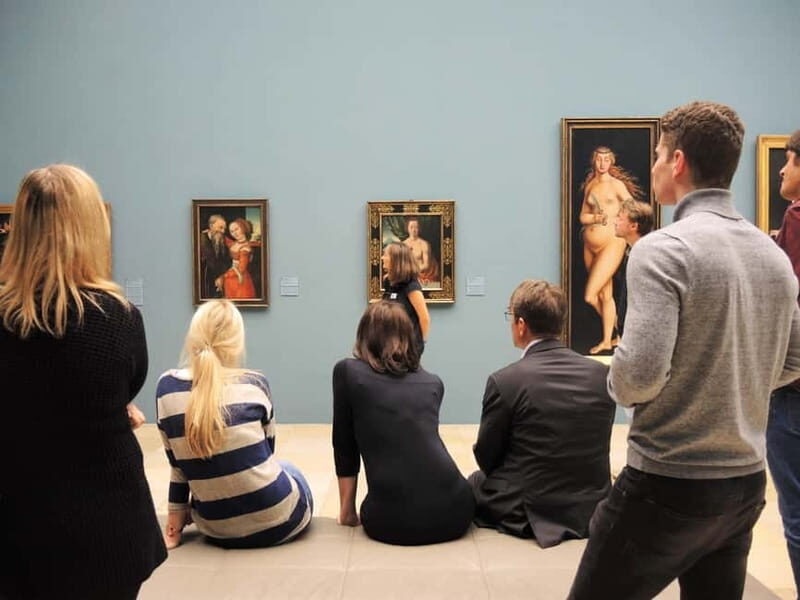
The guided tour at 3:00 pm (Tue–Sun) is mainly about getting oriented—how the collections are organized and how to read the museum’s logic. If you arrive earlier, you can browse freely for a couple hours, then use the tour to reshape your route afterward. If you arrive later, you can treat it as the first time you learn how the museum lays out its eras and objects.
One practical note: you’ll see some content in the original language (German). That doesn’t mean you’re stuck. It just means it’s worth giving yourself a little margin. If you want more help, an audio guide exists, but it costs 3 EUR and is not included.
The UNESCO moment: seeing the oldest globe in the world
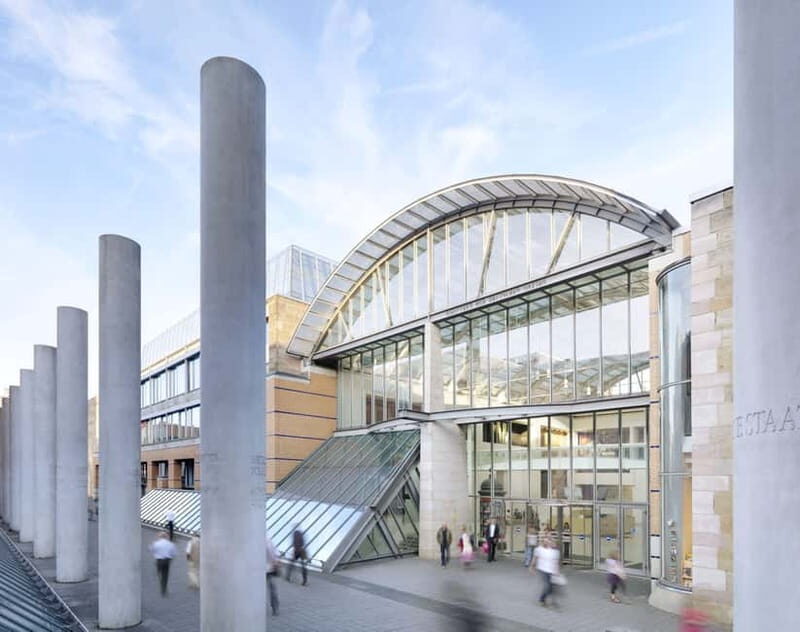
The museum’s star pull is the UNESCO-listed oldest globe. Even if you don’t read every label, you’ll feel why it’s a big deal: it’s a physical piece of early-world thinking—proof that humans were mapping ideas as carefully as territory.
What I like about this kind of anchor exhibit is that it turns the rest of your visit into a conversation with time. Once you’ve seen something that sits near the beginning of that story, you’re more likely to notice how later art and objects reflect new ways of seeing.
In practical terms, this is also a great “first anchor” to build your day around. It’s the sort of exhibit that many people treat as their main mission. If you go earlier in the day, you’ll usually have more breathing room around the object and the surrounding context.
Major art across centuries: Dürer, Rembrandt, and Hannah Höch

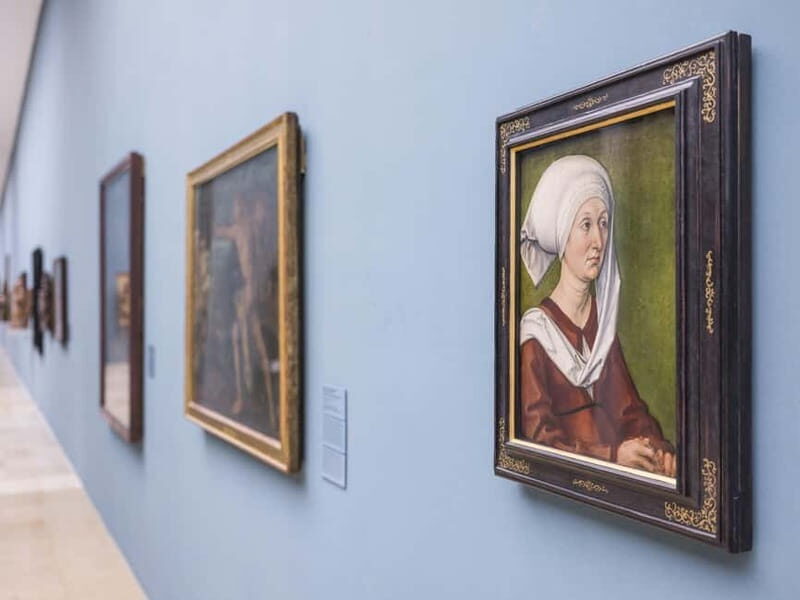
One reason the Germanisches Nationalmuseum feels especially worth your time is how it handles art history. You’re not just looking at one period. You’re moving through changing styles, changing politics of taste, and changing ways images were made and used.
You’ll find major works connected to Albrecht Dürer and Rembrandt, which is a strong core if you’re into famous European printmakers and painters. The museum also includes modern design and art, including work by Hannah Höch. That combination is useful for two kinds of visitors:
- If you love classic masterpieces, you get the expected heavyweights.
- If you like modern art but worry it will feel disconnected from the “old stuff,” you’ll see that the museum doesn’t treat modern work as a separate world.
I’d also think of this section as a lesson in how museums teach. When you see Dürer and Rembrandt close in spirit (even if not next door), then suddenly encounter someone like Höch, you start noticing the shifts: what counts as an image, what counts as a subject, and how art carries cultural changes forward.
Tip: don’t rush this part. If you skim, you’ll just collect names. If you slow down, you’ll leave with a sense of how the museum makes connections.
A museum you walk through: architectural history inside the building
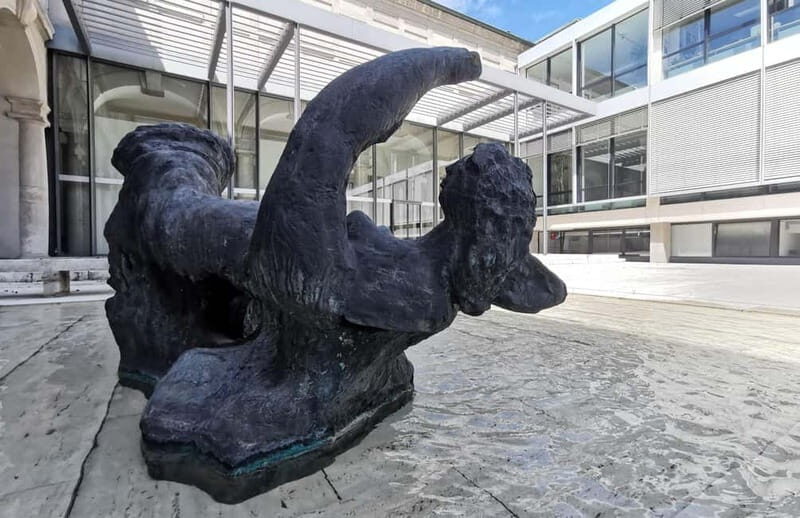
The building itself is part of the experience. The Germanisches Nationalmuseum combines historical and modern architecture, and the collections are staged in a way that encourages you to keep moving as you move through time.
This is one of those “you’ll feel it more than you’ll read it” features. You don’t have to be an architecture nerd to enjoy it. When the museum changes scale or layout, your pacing changes too. Wide spaces invite looking. Narrower areas make you slow and focus on details.
It also helps the museum avoid the tired problem of big institutions feeling like a warehouse. Instead, the museum becomes a journey, with the building guiding how you experience the story across eras.
If you like to take a route that “makes sense,” use this to your advantage: follow the flow of architectural transitions. They’re often where you end up re-oriented to what kind of collection you’re in.




Beautiful inner courtyards: built-in breaks that feel worth it
This museum has beautiful inner courtyards, and they’re not just decoration. They give you a place to reset when you’ve been staring at objects and labels for too long.
I love courtyards like this because they turn the day from a grind into a rhythm. You can step out for a minute, get your bearings, and then go back in with better focus. It’s also a good strategy if you’re traveling with different energy levels. One person may want to linger in a room; someone else can take the short break and regroup without losing the day.
If you tend to overpack your itinerary, treat the courtyards as your built-in “checkpoint.” Plan to spend a few minutes there at least twice—once mid-morning and once in the afternoon.
Special exhibitions (included): how to choose what to prioritize
The ticket includes changing special exhibitions, which can be great if you like surprises. It can also be a trap if you arrive without any plan and end up zig-zagging across the whole museum.
Here’s the approach I’d use:
- Pick one special exhibition as your “main event” for the day.
- Pick one additional area of the permanent collection you’re curious about.
- Let the rest be flexibility.
Because you have a 1-day ticket, you’re not under pressure to see everything. But you are under pressure to decide. If you’re not sure where to start, use the orientation map and then commit to a direction for the first hour. After that, you’ll naturally find which rooms match your interests.
One more thing: special exhibitions often pull you into the museum’s current thinking—how they frame themes, how they connect objects, and how they mix old and new perspectives. So even if you don’t know the subject beforehand, it can still be a rewarding part of the day.
Café Arte and sensible pacing during a full day
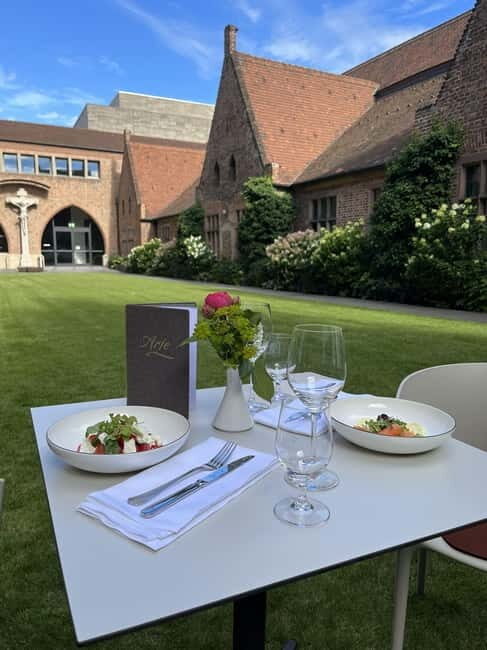
A museum like this can easily swallow the daylight. The museum offers a break at Café Arte, where you can get coffee or a lunch. It’s included as an option in your day, not as part of the ticket price.
I’d use the café strategically. Don’t do it so early you lose momentum, and don’t do it so late you’re hungry and grumpy in the last galleries. Midday works well because it resets your attention before the afternoon’s art and special exhibitions.
Also, pay attention to what you can bring in. The museum does not allow food and drinks, and it doesn’t allow backpacks or large bags. So plan for purchases inside the museum, or be prepared for a snack-free browsing session.
Rules that matter: what you can’t bring or do
Museums are happiest when visitors follow the flow. Here’s what you should expect at the Germanisches Nationalmuseum:
- Pets are not allowed
- Food and drinks are not allowed
- Luggage or large bags are not allowed
- Backpacks are not allowed
- Smoking indoors is not allowed
- Alcohol and drugs are not allowed
- Flashlight is not allowed
- Touching exhibits is not allowed
That last one matters more than you’d think. If you’re the type who wants to get a closer look, you’ll have to do it with your eyes, not your hands.
If you’re arriving with a daypack, check what you’re carrying before you reach the entry areas. It’s an easy way to avoid stress mid-journey.
Value check: is $11 really worth it?
At $11 per person, this ticket is strong value in both money and time.
Money-wise, you’re getting:
- Permanent exhibition entry
- Access to changing special exhibitions
- Orientation materials and map
- Access to the daily guided tour (participation isn’t included, but the timing option exists)
Time-wise, you can stay as long as you want within the validity of a 1-day ticket. This isn’t an “hour and out” experience. It’s a museum where it’s reasonable to spend most of the day if your interests are broad.
There are optional extras, like the audio guide for 3 EUR, but you’re not required to buy them to have a good visit. You’re also not locked into a rigid schedule unless you choose to join the guided tour at 3:00 pm (Tue–Sun).
So the real question isn’t whether it’s affordable. It’s whether you’ll give it enough time. If you show up ready to browse slowly, $11 can feel like a bargain.
Who should book this museum day (and who might not)
This is a great fit if you:
- Want one solid Nuremberg museum day without committing to multiple tickets
- Like art history with a range from older masters to modern names like Hannah Höch
- Enjoy museums where the building and layout shape the experience
- Prefer included options (special exhibitions and orientation help)
You might think twice if you:
- Need everything in English only (some content is in the original language)
- Want to see a museum in under two hours
- Don’t want to deal with restrictions on bags and food
For families, couples, and solo visitors, it’s also a good option because you can set your own pace. The morning can be flexible; the afternoon can be guided at 3:00 pm if you want that structure.
Should you book the Germanisches Nationalmuseum 1-day ticket?
Yes—if you want a full museum day that’s good value and covers a lot of cultural ground without feeling like a rushed checklist. The big reasons to book are the UNESCO oldest globe, the chance to see major art names like Albrecht Dürer and Rembrandt, and the modern bridge with Hannah Höch. Add the inner courtyards and the museum’s architectural flow, and you get a visit that feels more like a journey than a stop.
If you’re short on time, still consider booking—but be honest with yourself. This is best when you go in with time to linger, at least one courtyard break, and a plan for how you’ll choose between the permanent collection and special exhibitions.
FAQ
What does the 1-day ticket include?
Your ticket includes admission to the permanent exhibition and the changing special exhibitions, plus detailed information materials with an orientation map. It’s valid for one day at the museum.
Is there an audio guide?
Yes. An audio guide is available for an additional 3 EUR, and it is not included with the ticket.
Is there a guided tour?
There is a daily guided tour to get to know the GNM. It runs Tue–Sun at 3:00 pm. Participation in the guided tour itself is not included, but the tour is offered on those days and times.
Can I spend the whole day there?
Yes. With a 1-day ticket, you have the freedom to stay for the whole day and explore at your leisure.
Are there any free-admission times?
Yes. Admission is free on Wednesdays from 5.30 pm.
Is the museum wheelchair accessible?
Yes, the museum is wheelchair accessible.
Are pets allowed?
No, pets are not allowed.
Can I bring food, drinks, or a backpack?
Food and drinks are not allowed, and backpacks are not allowed either. Large bags or luggage are also not allowed.