REVIEW · NUREMBERG
Deutsches Museum Nürnberg – das Zukunftsmuseum
Book on GetYourGuide →Operated by Deutsches Museum Nürnberg · Bookable on GetYourGuide
A future museum in Nuremberg, built for curious brains. Deutsches Museum Nürnberg, das Zukunftsmuseum, uses hands-on exhibits to turn big topics like AI, smart cities, medicine, and space into stuff you can actually process in an afternoon. I especially like how the museum links technology to real-life decisions, not just cool gadgets.
Two areas stand out right away: the Work and Daily Life exhibition on automation and AI at work, and the Body and Mind section people often point to for its focus on health and the human side of biology. One consideration: because it covers so much ground in one day, you’ll need a plan or you can end up speed-walking between themes instead of really thinking through them.
In This Review
- Key things I’d plan around
- Why Deutsches Museum Nürnberg feels different from a typical science stop
- Ticket value and how to spend your one day for best results
- Entering the future: Work and Daily Life (automation and AI at work)
- Body and Mind (Körper und Geist): personalized medicine and the ethics question
- Urban Systems: smart cities, congestion, and sustainable planning
- Earth Systems: climate tech and biodiversity you can understand
- Space and Time: space travel ideas and the cosmos question
- Workshops and interactive stations: how to get more out of hands-on exhibits
- Where the museum’s “AI energy” tends to land
- Best way to pair this with a day in Nuremberg
- Budget notes: what’s not included and what to plan for
- Museum shop: how to take the themes home
- Who should book the Deutsches Museum Nürnberg future museum
- Should you book it? A simple decision guide
- FAQ
- How long is the Deutsches Museum Nürnberg future museum?
- What does the ticket include?
- What is the price?
- Are meals included?
- Is a personal guide included?
- Can I cancel after booking?
- Do I need to choose a time slot?
- Is the museum wheelchair accessible?
- Are there age rules for children?
- What types of discounts are mentioned?
Key things I’d plan around
- Work and Daily Life: see how automation and AI reshape jobs and routines, with scenario-style thinking
- Körper und Geist (Body and Mind): personalized medicine and neuro-enhancement ideas, plus ethical questions
- Urban Systems: smart-city planning framed around congestion and environmental impact
- Earth Systems: climate-change and biodiversity tech explained through interactive displays
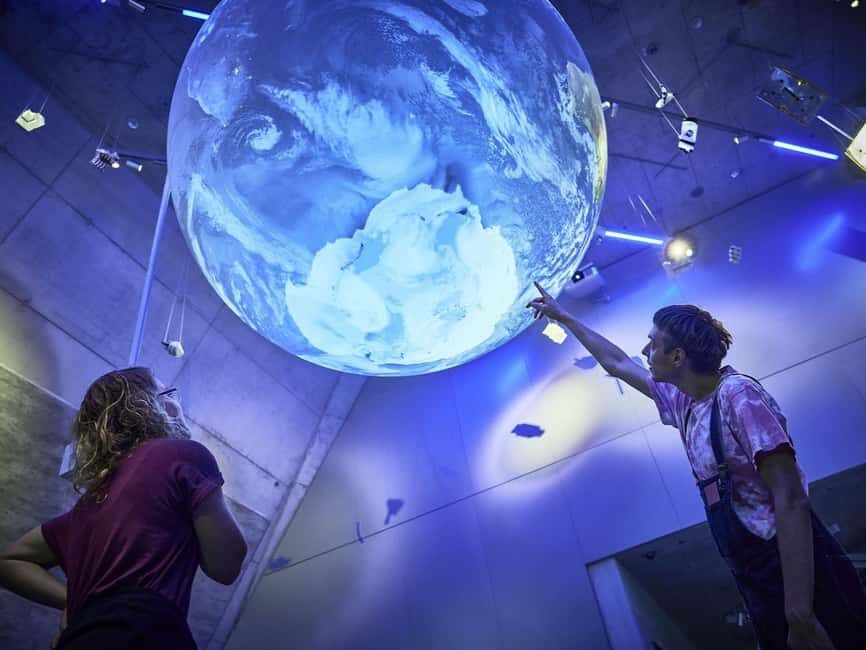
- Space and Time: space travel, the cosmos, and the search for extraterrestrial life, kept approachable
Why Deutsches Museum Nürnberg feels different from a typical science stop
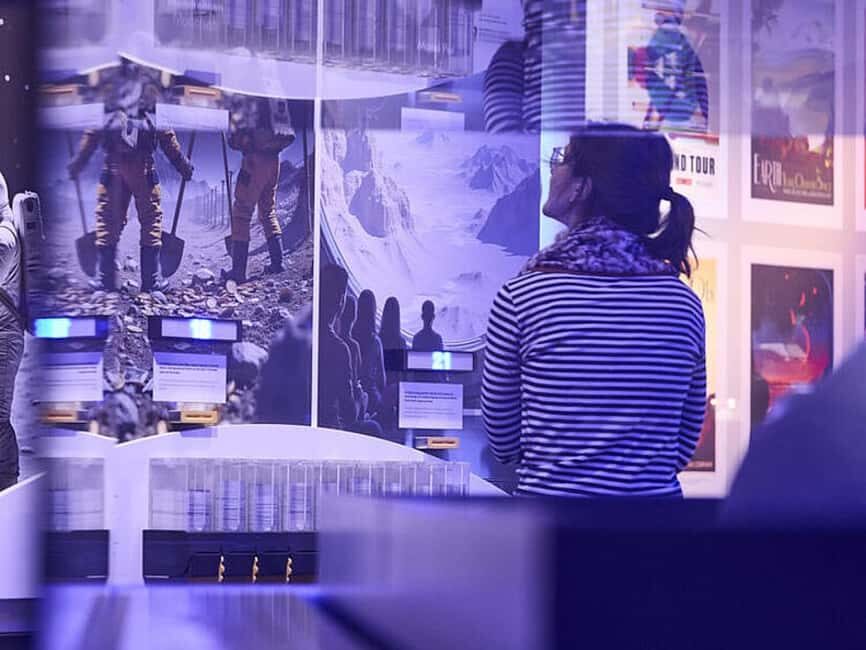
This isn’t a museum that just shows old inventions. The Deutsches Museum Nürnberg future museum is built around what’s next and how it will affect your life: work, health, cities, the planet, and space. That future framing changes the vibe. You’re not only learning facts. You’re weighing trade-offs.
I like that the museum treats the future as a set of questions you can think through. In each theme, you get technology ideas plus the “what does this mean for people?” angle. That’s why it works even if you’re not a hardcore science person.
You can also read our reviews of more museum experiences in Nuremberg
Ticket value and how to spend your one day for best results
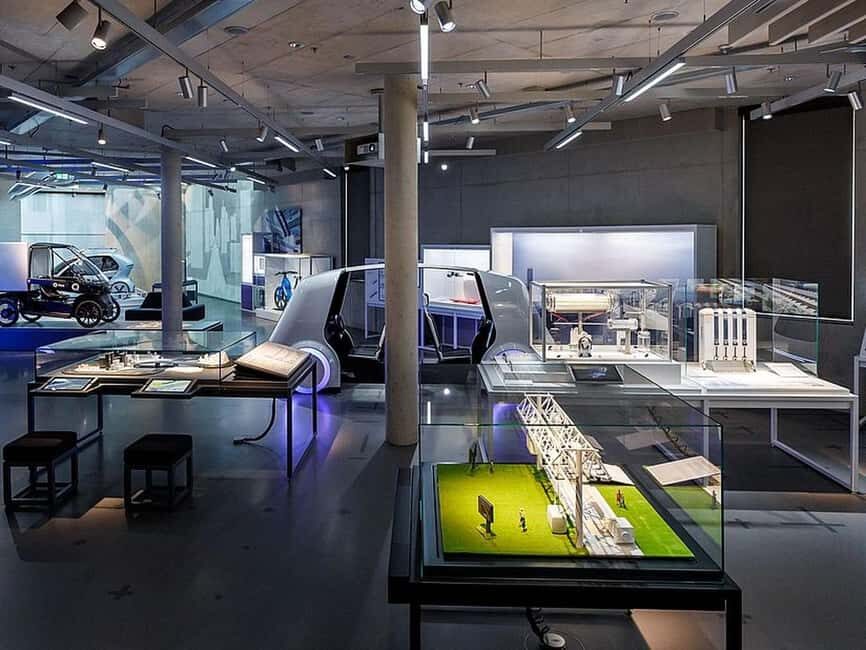
At about $7 per person for a full day, you’re paying for serious educational breadth plus interactive workshops. The price-to-hours ratio is the big win. You get access to all exhibitions, so you can go straight to your interests without needing a second ticket or a complicated plan.
You’ll want to budget your time by theme, not by room count. With five major exhibition areas plus hands-on stations, the museum can feel like a lot if you try to “do everything” perfectly. My practical suggestion: pick one exhibition you’ll go slow in, one you’ll do medium depth, and two you’ll cover efficiently with a “get the main idea” approach.
If you’re visiting with kids, note that children under 12 must be accompanied by an adult. That matters for pacing. Plan for more pauses at interactive exhibits, where stopping is part of the point.
Entering the future: Work and Daily Life (automation and AI at work)
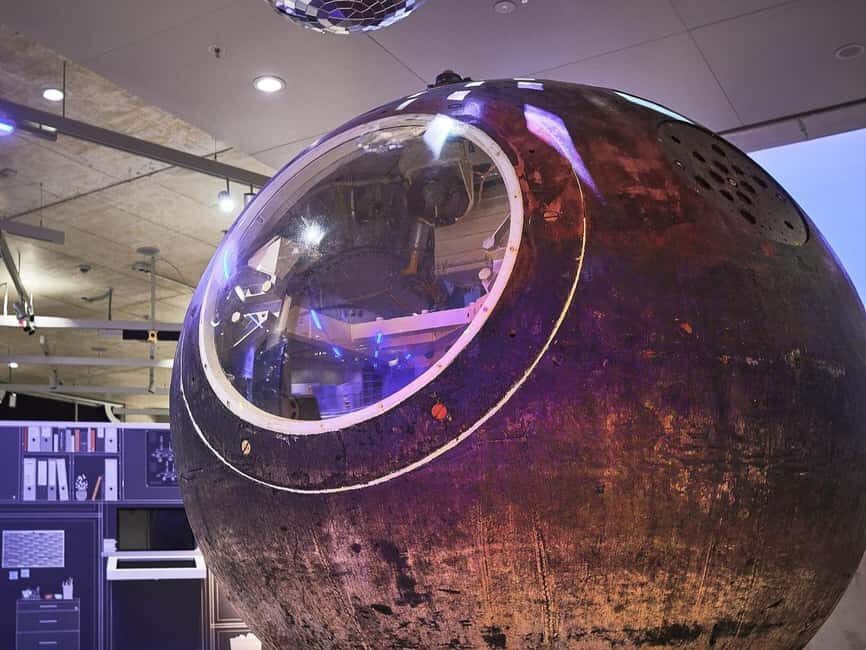
This is the place to start if you want the museum’s future focus to feel immediately relevant. Work and Daily Life looks at how automation and AI can reshape professions and routines. Instead of treating AI like magic, it frames it as a system that changes tasks, workflows, and what “a job” even means.
What I like here is the scenario approach. You’re not only learning that automation exists. You’re seeing what it might replace, augment, or reorganize. That’s useful for anyone worried about job changes, but it also works for students planning fields of study. You start thinking about skills that remain human-friendly: communication, judgment, and problem-solving under uncertainty.
A possible drawback for some visitors: if you’re hoping for hands-on coding or deep technical details, this exhibition reads more like applied thinking. It’s about impact and scenarios. Expect explanation and interaction, not a programming class.
Body and Mind (Körper und Geist): personalized medicine and the ethics question
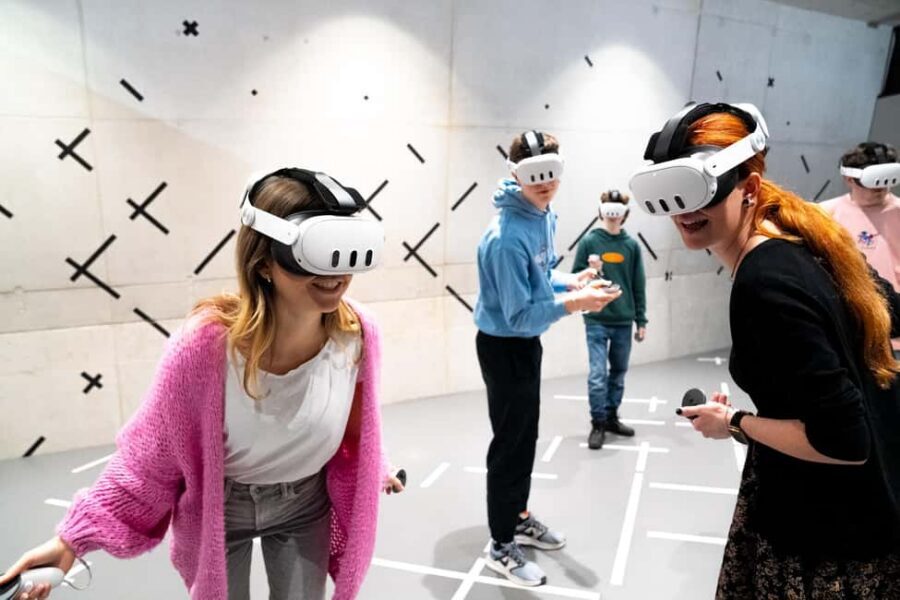
Body and Mind is the exhibition that turns future tech into a human story. You’ll see how healthcare innovations can combine with biology, including personalized medicine and ideas around neuro-enhancement. The museum doesn’t ignore the ethical layer either, which is a big reason this section sticks in your head after you leave.
In my view, this area is valuable because it forces you to slow down. It’s easy to get swept up in “what technology can do.” This exhibition nudges you to ask “what should we do, and who decides?” That’s especially relevant when you see how personalized medicine can tailor treatment, but also raises privacy and fairness questions.
If you enjoy the mind-body angle, this is the one that tends to land best with people. Even when you’re not a biology person, it’s easy to connect to the core idea: your health isn’t generic, and the future of medicine will probably reflect that.
Urban Systems: smart cities, congestion, and sustainable planning
Urban Systems takes on one of the toughest future challenges: how to run cities in ways that don’t crush people’s time or harm the environment. You’ll explore smart city initiatives and urban planning ideas, including how solutions might address congestion and environmental impact.
I like that the museum treats city planning as technology plus governance. It’s not just sensors and apps. It’s about trade-offs: traffic flow versus emissions, convenience versus long-term sustainability, and how infrastructure decisions affect daily life.
For practical visitors: this is where you’ll start making connections to what you already experience. You’ll think about transport, public space, air quality, and how city systems can either reduce friction or create new problems. It’s future planning you can map onto real streets.





Earth Systems: climate tech and biodiversity you can understand
Earth Systems focuses on technologies aimed at combating climate change and preserving biodiversity. The museum uses interactive displays to show the “human activity + planet well-being” relationship. It’s a hopeful angle, but not in a fake way. The displays push you to see the science behind the challenge and the role technology can play.
This section is useful for students and adults who want more than headlines. It helps you connect climate ideas to tangible approaches, like how systems are monitored, managed, and improved. You come away with a clearer sense of what “climate tech” actually refers to, beyond vague optimism.
In one of the ways the museum shows up in visitors’ memories, the topic of plants and even food traditions comes through alongside the broader environmental themes. Even if your personal interests are more biological or cultural, you’ll find small windows into how Earth Systems connects to everyday life.
Space and Time: space travel ideas and the cosmos question
Space and Time is where the museum zooms out to humanity’s bigger ambition: exploring the cosmos. You’ll ponder space travel and the search for extraterrestrial life. The vibe here is curiosity-first. It’s the future at its most imaginative, but still grounded in what space programs and technologies aim to achieve.
What I like: it’s not only about rockets. It’s about the bigger question of exploration and what we might learn by reaching beyond Earth. If you’re someone who enjoys astronomy themes, you’ll likely feel at home here.
This exhibition also complements the Earth Systems section nicely. Together, they frame the future as both outward-looking and responsibility-driven. Space exploration and Earth care aren’t treated as separate tracks. They’re part of one long story.
Workshops and interactive stations: how to get more out of hands-on exhibits
You get more than passive displays. Interactive workshops and hands-on exhibits are included, which means your best strategy is to slow down at the stations that feel most physical. Look for the activities that let you test an idea, not only read about it.
Here’s a practical approach that works: when you find an interactive area, spend 10 minutes learning it, 5 minutes playing with it, and 5 minutes stepping back. The last part is where you make the museum matter. Ask yourself what you’d change in the real world if this technology became common.
If you’re traveling with mixed ages, this museum is a good match because different people can latch onto different “entry points.” One person might enjoy AI/work scenarios. Another might stay with Body and Mind. Another might chase the cosmic displays. You’re not forcing everyone to enjoy the exact same explanation.
Where the museum’s “AI energy” tends to land
One thing that comes through strongly is the AI focus on the first floor. If your brain loves modern tech, plan to spend extra time early in your visit. Get oriented in that AI-rich area first, then move outward to the other themes with a clearer lens.
Why that helps: AI is a thread running through multiple exhibitions. Once you understand how the museum frames AI at work, you’ll notice similar thinking about ethics, systems, and effects in the health and city sections.
Best way to pair this with a day in Nuremberg
Since this is a one-day experience, think of it as the educational anchor. Then build your other time around the themes you choose to prioritize.
If you want a very efficient day, start with your favorite theme first while you’re freshest. Then circle back for the interactive bits you skipped. That order is especially helpful if you have limited hours and don’t want to end up choosing between exhibits.
If you’re also sightseeing around Nuremberg, this museum gives you a contrast. Old-world streets and future thinking can work together nicely. You’ll come back to history with different questions about technology, society, and what changes slowly versus what changes fast.
Budget notes: what’s not included and what to plan for
Meals and beverages are not included. That’s normal for a museum experience, but it matters for planning if you stay most of the day. Bring water plans, snack timing, and a realistic break schedule.
Souvenir purchases aren’t included either, of course. If you like practical takeaways, treat the shop as part of your “learning loop,” not as an afterthought.
Museum shop: how to take the themes home
The museum shop sells books, games, and unique gifts that complement the exhibition topics. This is where you can translate “I saw it” into “I’ll keep learning.” If you know what theme grabbed you most, the shop is a low-effort way to extend it at home.
Games can be especially useful for families. They turn big topics into something that keeps working after the visit.
Who should book the Deutsches Museum Nürnberg future museum
This is a smart fit if you care about how technology affects real life. That includes tech-minded adults, students, and families who want education without turning it into a lecture hall.
It also works well for people who like discussion topics: ethics in medicine, decision-making in smart cities, and what we do with scientific discovery. If you tend to enjoy future-oriented thinking, you’ll likely leave with ideas you can actually talk about.
If you have very limited patience for long explanations, aim for a few targeted exhibitions plus the interactive workshops. Don’t try to force “everything” into one day. The museum is broad, and your time will feel better when you choose depth over perfect coverage.
Should you book it? A simple decision guide
Book the Deutsches Museum Nürnberg future museum if you want one ticket to cover multiple future themes with hands-on learning. At $7 for a full day with exhibition access and workshops, the value is strong, especially when you compare it to typical museums where interactivity is limited.
Skip or adjust your plan if you only want classic science history or you’re hoping for highly technical deep dives. This museum’s strength is applied future thinking and human impact, not academic research-level detail.
FAQ
How long is the Deutsches Museum Nürnberg future museum?
The experience is valid for 1 day.
What does the ticket include?
Your entry ticket includes access to all exhibitions and interactive workshops.
What is the price?
The price listed is about $7 per person.
Are meals included?
No. Meals and beverages are not included.
Is a personal guide included?
No. A personal tour guide is not included.
Can I cancel after booking?
Free cancellation is available up to 24 hours in advance for a full refund.
Do I need to choose a time slot?
Valid 1 day, but you should check starting times available during booking.
Is the museum wheelchair accessible?
Yes, the museum is wheelchair accessible.
Are there age rules for children?
Children under 12 must be accompanied by an adult.
What types of discounts are mentioned?
Youth admission applies when booking for pupils, trainees, and full-time students, and severly disabled adults have a note about accompanying conditions. Child admission applies for severely disabled children and young people from 6 to 17 years.