REVIEW · MUNICH
National Socialism WWII with licensed guide – private tour
Book on GetYourGuide →Operated by schwarzgold.info - Wolfgang Brehm · Bookable on GetYourGuide
Munich’s past is on every corner. I liked how the guide connects the origins of National Socialism to the actual streets and buildings, especially at Feldherrnhalle and through the White Rose resistance story. I also appreciated the tour’s photo-based approach, which keeps everything factual instead of turning into vague lectures. One drawback to flag up front: this is a tough, serious subject, and it’s not designed for anyone seeking comfort or ideology.
The experience is led by Wolfgang Brehm, a professional, certified guide with 10+ years of experience, and the tone stays respectful and clear. You also get the benefit of a private group format for up to 30 people, with English or German, plus wheelchair access.
You finish around Königsplatz at the heart of the Nazi party area, with an optional stop at the NS Documentation Centre (admission not included). If you want the full context, plan extra time and be ready to keep reading after the walking part ends.
In This Review
- Key highlights you should know
- Why Munich still teaches National Socialism
- Odeonsplatz and Feldherrnhalle: Hitler’s arrival meets the first showdown
- Haus der Kunst and the art propaganda angle you can’t ignore
- Munich Residenz area: where politics sits beside power and prestige
- Resistance in the city: White Rose at LMU and memorial spaces
- Karolinenplatz sponsors stop: understanding who fed the machine
- Königsplatz and the Brown House area: where architecture ran the party
- Finishing at the NS Documentation Centre: optional, but worth your time
- How much is $259 really worth for a private group?
- Who this tour fits best (and who might want something else)
- Practical planning: language, pace, and what to bring
- Should you book this Munich National Socialism private tour?
- FAQ
- Where does the tour start?
- How long is the tour?
- Is this a private tour?
- What languages are available?
- Is the NS Documentation Centre included?
- Who is the tour suitable for?
- Is the tour wheelchair accessible?
Key highlights you should know
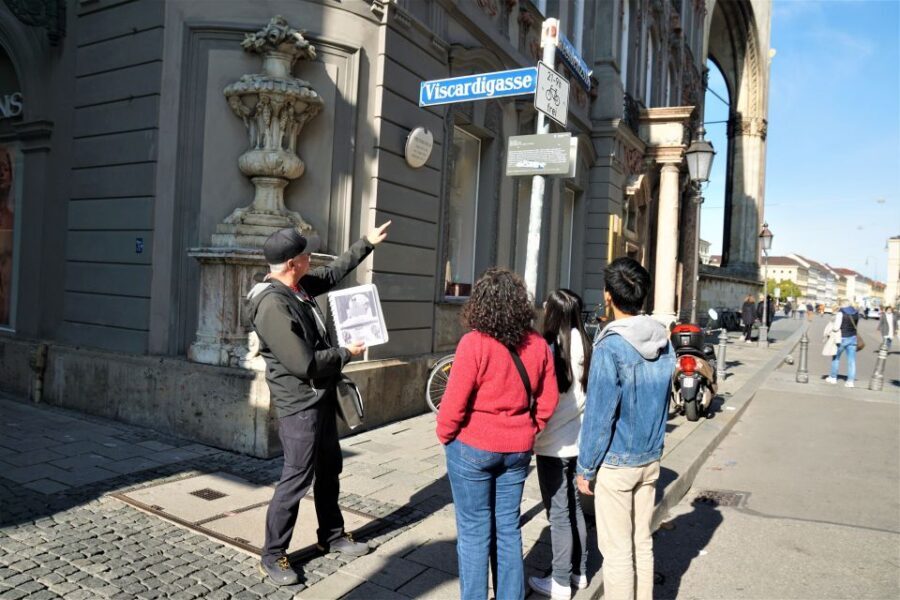
- A photo-heavy tour style that supports the stories with extensive visual material
- Feldherrnhalle and Odeonsplatz framed as the start of Hitler’s Munich rise, not just monuments
- Resistance in plain sight, including the White Rose and memorials tied to opposition
- The Nazis and art stop, with a look at how exhibition culture was used as propaganda
- Königsplatz and the Brown House area, where power logistics became architecture
- End-at-the-centre learning, since the NS Documentation Centre opened in 2015
Why Munich still teaches National Socialism
Munich isn’t just a place where National Socialism happened. It’s where the movement grew from an idea into a political machine, and the city’s geography still helps explain why. That’s the big win of this tour: you’re not studying from a textbook—you’re walking through a map of decisions, rallies, and fear.
I also like that the tour focuses on cause and effect. You hear when and why Adolf Hitler came to Munich, how he lived, and how the NSDAP started—then the walk moves to the buildings and symbols that helped the regime spread. The goal isn’t trivia. It’s understanding.
One more practical note: the tour is explicitly set up for learning, with respect for victims and history. If you’re hoping for a political pep rally, you’ll be in the wrong place.
You can also read our reviews of more guided tours in Munich

Odeonsplatz and Feldherrnhalle: Hitler’s arrival meets the first showdown
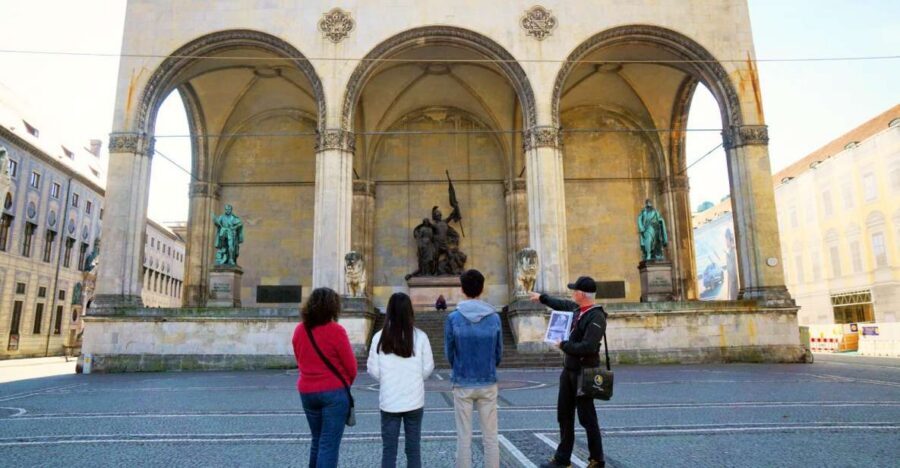
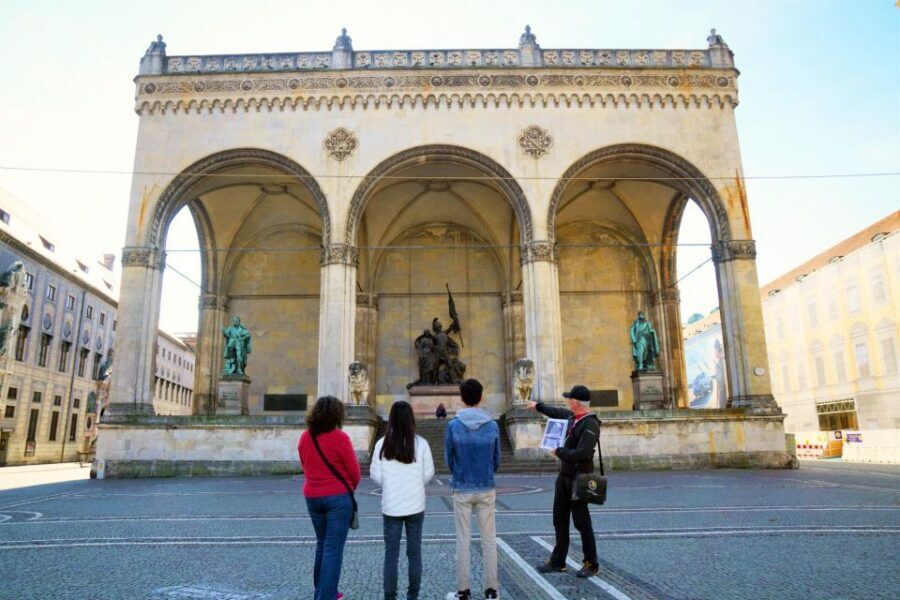
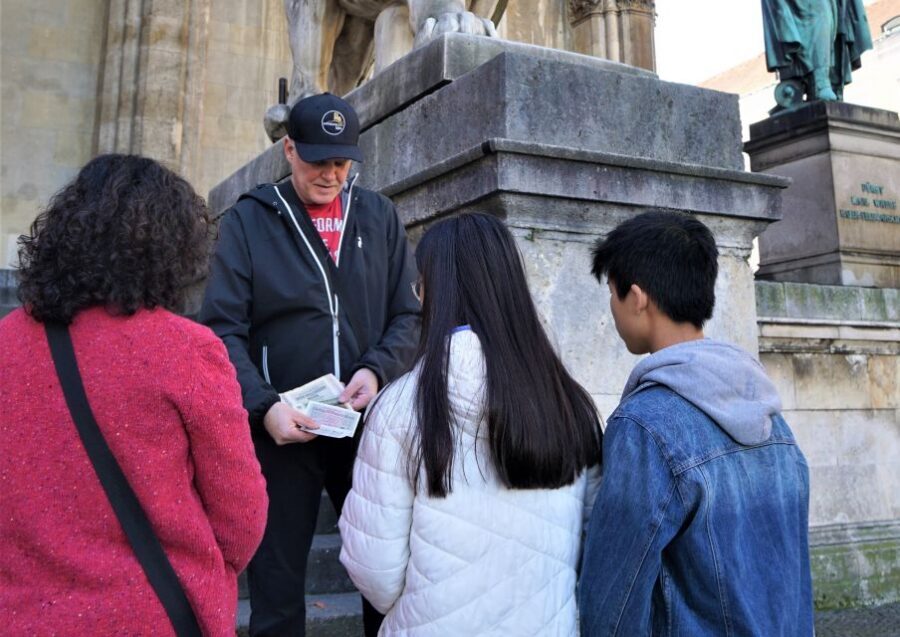
The walk begins near Residenstraße 1 and meets you at the steps by Feldherrnhalle on Odeonsplatz. From the first minutes, you get oriented fast. This isn’t random sightseeing; it’s a guided sequence built around turning points.
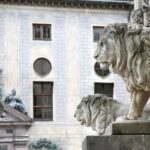
At Feldherrnhalle, the guide connects multiple layers: the Hitler story in Munich, where he lived, and how he made a living. Then you reach the key moment tied to the so-called Hitler coup—where it ended and what you’re looking at today. Standing there, the monument’s purpose becomes easier to understand because the tour explains who it honored and why that mattered to the regime’s narrative.
A small drawback for some people: because the topic is emotionally heavy, you may want a steady pace and breaks for your own headspace. The walk is paced for learning, not for sprinting, but it will still land hard.
Haus der Kunst and the art propaganda angle you can’t ignore
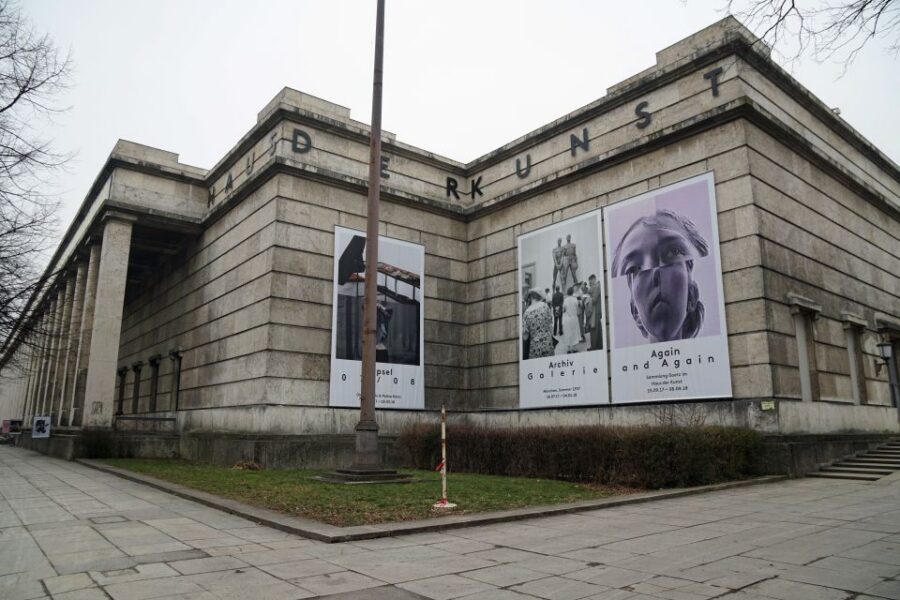
After the coup-and-symbol stop, the tour shifts toward culture—specifically how the Nazis influenced art. At Haus der Kunst, you’ll hear how the regime treated culture as a tool, not just something separate from politics.
The guide then points out where you can still see the location connected to the exhibition Degenerate Art. Even if you don’t know the term going in, you’ll quickly grasp the idea: propaganda isn’t only speeches and uniforms. It’s also what museums and exhibitions choose to celebrate, mock, or erase.
What I like here is that it changes your mental model. You start thinking about power as a system that works across society, not just in courtrooms or government offices. And because the tour includes photo material, the messages behind the visual propaganda become clearer.
If you’re a museum person, this part may feel like a preview of a bigger show. If you’re not, it’s still valuable, because it shows how regimes use everyday cultural spaces to normalize their views.
Munich Residenz area: where politics sits beside power and prestige
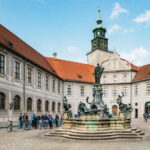
One mid-stop focuses on the Munich Residenz area, with guided context around what you’re seeing and how it fits into the broader story of authority. This isn’t about saying the entire city was complicit in a single instant. It’s more about tracing how political influence can sit next to established institutions and prestige.
You’ll also notice how the guide keeps the facts moving forward. You don’t spend 20 minutes admiring architecture with no point. The building references help you connect ideology to physical presence—who had access, who had visibility, and what kind of legitimacy the regime wanted to project.
For some readers, this is the section that quietly builds confidence. After you’ve seen the coup symbols and the art propaganda, the history feels less scattered. It begins to look like a plan.
Resistance in the city: White Rose at LMU and memorial spaces
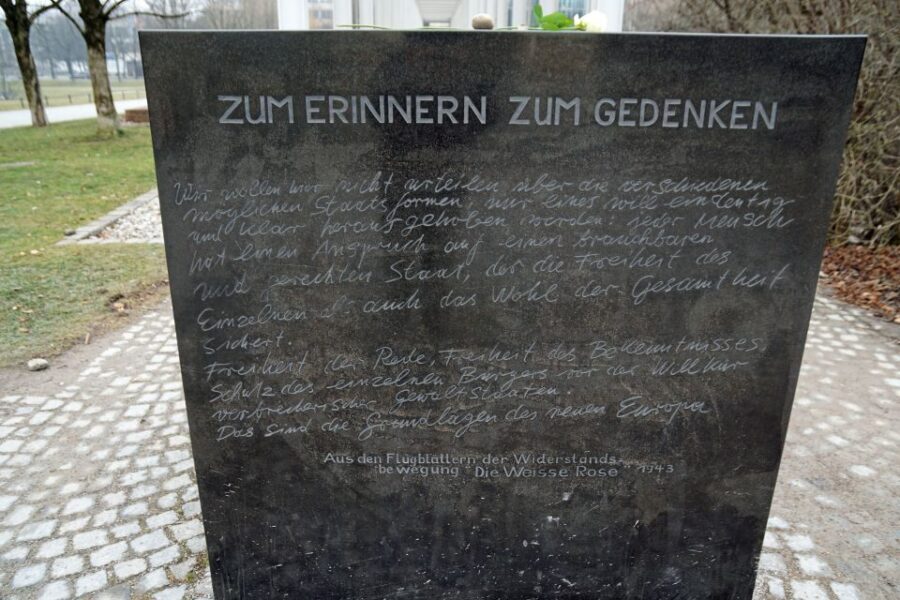
This tour doesn’t stop at the regime. It makes sure you see resistance too. One stop takes you through the court garden area and to a monument that was erected for resistance fighters. That matters, because it counters the common trap of thinking history only moves one direction.
Then you reach the LMU (Ludwig Maximilian University) area, which the guide frames as Germany’s largest university. Here you get the story of the White Rose—a resistance group known for flyers, and for what happened at the end. The tour’s phrasing and the way it’s staged help you understand that resistance wasn’t abstract. It had real words, real distribution, and real consequences.
You’ll also make a stop at the Square for the Victims of National Socialism, where the guide brings clarity about who the victims were. That’s crucial. It turns the conversation away from slogans and back toward real people affected by the system.
If you have limited time in Munich, I’d still treat these stops as non-negotiable. They keep the story balanced, and they prevent the tour from becoming only about the mechanics of Nazi power.
You can also read our reviews of more private tours in Munich

Karolinenplatz sponsors stop: understanding who fed the machine
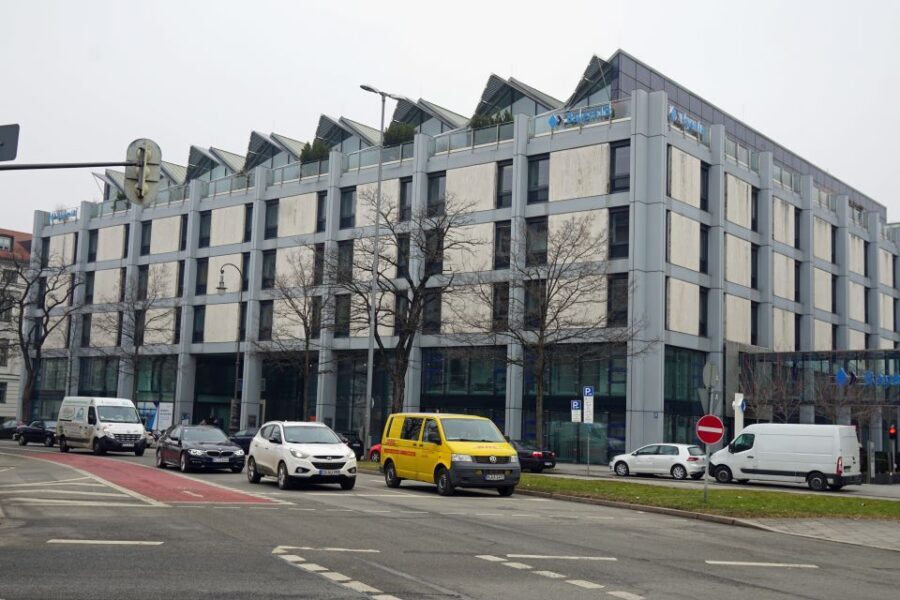
At Karolinenplatz, the guide covers the main sponsors of the Nazis. This isn’t meant to turn the story into anonymous blame. The point is to show that extremist movements don’t grow on air. They grow with money, support, and institutional interest.
This section is especially useful if you like your history grounded. It helps you move from the famous faces and dramatic events to the quieter reality: networks and backers make ideology operational.
If you’re the kind of visitor who prefers one big narrative thread, this can be a good anchor. It connects earlier propaganda and political rise to the practical question of how a regime gains staying power.
Königsplatz and the Brown House area: where architecture ran the party
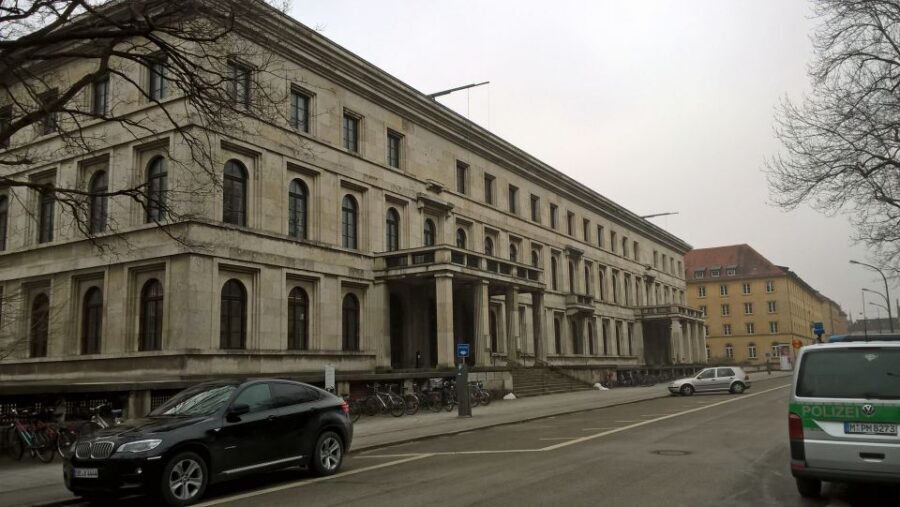
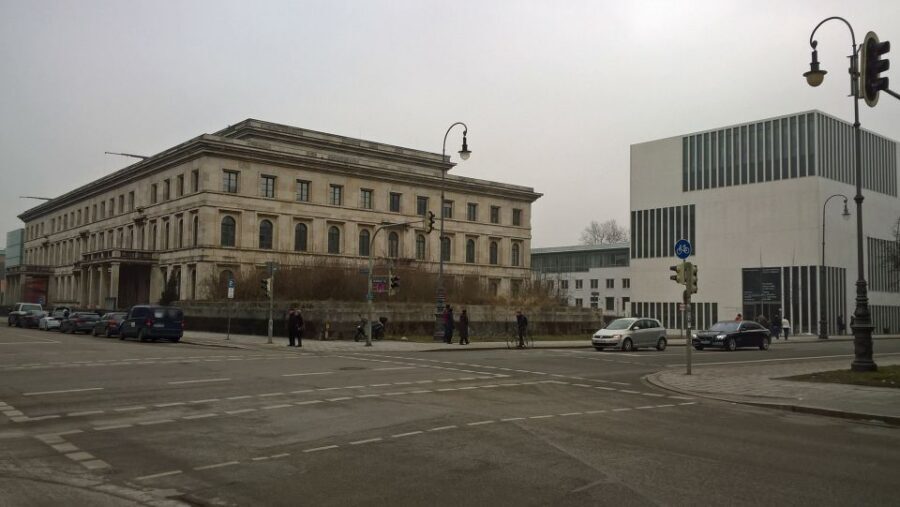
The final walk segment brings you to Königsplatz, the party center of the Nazi movement in Munich. This is one of the most striking areas in the whole experience because the guide explains what each building did inside the system.
You’ll learn about the Nazi headquarters, the Brown House, the Führer building (Hitler’s office), and the NSDAP administration. The buildings start to feel less like “old German architecture” and more like office gear—spaces designed to coordinate people, message, and authority.
This is where the tour’s photo material can be especially helpful, because photos can show how official life looked when the regime ran the show. You’re also reminded that the same city that hosts universities and museums once hosted the infrastructure of persecution and control.
Finishing at the NS Documentation Centre: optional, but worth your time
The tour ends at Königsplatz 1, where the NS Documentation Centre (opened in 2015) sits nearby. You have the option to visit it after the walking portion. Admission isn’t included, but if you want to keep learning, it’s a natural next step.
Even without inventing extra details, you can think of this as the bookend of the experience. The walking tour gives you the map of what happened and where. The Documentation Centre can help you go deeper into the wider context, the timeline, and the evidence behind the stories you’ve just heard.
I’d suggest not rushing out immediately after the guide finishes, especially if you’re there for serious study or if you’re traveling with teens. The subject is dense, and extra time helps you absorb it without feeling pressured.
How much is $259 really worth for a private group?
The price is $259 per group, up to 30 people, for a 2-hour private tour. That sounds like a small number—or a big one—depending on how many people share the booking.
Here’s the practical value logic I’d use: if you’re traveling as a couple or a small family, the per-person cost stays higher than a standard public group tour. But you gain something real: you can ask questions, you can control pacing better, and your guide can keep the story anchored to what your group cares about most.
If you’re a group of friends, classmates, or a small history club, this becomes strong value fast. You’re paying for one certified guide experience, and the group size cap means you’re not stuck in a tiny escort situation.
For me, the price makes sense because the tour is not only about seeing places—it’s about connecting those places to specific people, resistance, and propaganda. That kind of guided interpretation is hard to recreate on your own in such a short time.
Who this tour fits best (and who might want something else)
This isn’t a casual “Nazi history in 90 minutes” stop. It’s built for visitors who want answers and context about the origins of National Socialism, how it took root in Munich, and how resistance showed up in the same city.
It’s also a smart choice if you’re traveling with someone doing history coursework or exam-style learning. The tour’s structure—specific sites, specific groups like the White Rose, and visible references to how propaganda worked—helps you turn scattered facts into a coherent timeline.
And again, a key fit note: it’s not intended for right-wing radical or Nazi fans. If you’re coming for understanding and historical responsibility, you’re aligned with what the tour is designed to do.
Practical planning: language, pace, and what to bring
The guide works in English and German, and the tour is wheelchair accessible, which is a big comfort for planning. The private group setup also matters because you aren’t forced into the chaos of timed entry crowds.
Because it’s a 2-hour walk, plan for weather and footwear. Munich weather can change quickly, and you’ll want shoes that handle street surfaces comfortably. If you’re the type who takes notes or wants to review photos later, bring a small notebook or phone notes so you don’t forget what stood out.
Should you book this Munich National Socialism private tour?
I’d book it if you want a structured, place-based understanding of how National Socialism worked in Munich—from early rise and public symbols to propaganda and resistance. The best reason is simple: you’re shown the system in the streets, not just described to you.
I’d skip it if you want a light or upbeat itinerary, or if you’re sensitive to heavy topics without any built-in space to process them. Also consider whether you have time after the walk. The NS Documentation Centre is optional, but it can turn the experience from “walk and learn” into “walk, then keep learning” in a deeper way.
If your goal is factual context with a serious tone and a professional guide—this is a strong way to spend two hours in Munich.
FAQ
Where does the tour start?
You meet at the steps at Feldherrnhalle at Odeonsplatz. The tour begins near Residenstraße 1.
How long is the tour?
The tour lasts 2 hours.
Is this a private tour?
Yes. It’s a private group tour for up to 30 people.
What languages are available?
The guide offers the tour in English and German.
Is the NS Documentation Centre included?
The tour ends near the NS Documentation Centre, and you can visit afterward, but admission is not included.
Who is the tour suitable for?
It’s designed for learning and historical understanding. It’s noted that the tour is not for right-wing radical or Nazi fans.
Is the tour wheelchair accessible?
Yes, it is wheelchair accessible.