Frankfurt changes mood every few blocks, and this tour lets you track it. I like the private, customizable route and I especially like how guides such as Ellyn bring the stops to life with smart photo angles and a steady pace. You’ll cover both the postcard core and the working-city parts, with lots of practical ideas for what to do next.
One thing to consider: it’s a full 3 hours of moving around, so plan for walking time between squares, churches, and bridges.
Highlights you’ll care about
- TARGOBANK meetup that keeps the tour anchored in the center, not at a far-off station.
- Old Town + finance district in one loop, so you see why Frankfurt feels like two cities.
- Photo-focused guidance, including the best viewpoints at major landmarks.
- Private format with room for the route to bend toward your interests.
- Classics plus quieter stops, like Liebfrauen and Borse Frankfurt, not just the big names.
- Service that handles hiccups, including quick guide swaps when plans change.
In This Review
- Entering Frankfurt’s Two-Speed Story: Old Town and Bank District Together
- TARGOBANK Start Point: Easy to Find, Easy to Begin
- Römerberg Square and Bartholomew’s Cathedral: Frankfurt’s Signature Center
- Hauptwache, Zeil Street, and the Iron Bridge Views
- Old Opera House: Renaissance Grandeur in Today’s City
- St. Paul’s Church: Where German Democracy Takes Physical Form
- Katharinenkirche, Liebfrauen, and the Borse Frankfurt for Side-Trip Variety
- Sachsenhausen and Its Pub + Museum Energy
- European Central Bank and Main Tower: Watching the Money District From Close
- Guides Make the Difference: What the Best Parts Have in Common
- Is $53 Worth It for a 3-Hour Private Walk?
- Tips for Getting the Most Out of the Walk
- Who This Tour Suits Best
- Should You Book It?
- FAQ
- Where is the meeting point for the tour?
- How long is the walking tour?
- Is this tour private?
- What languages are available?
- Is the tour wheelchair accessible?
- What’s included in the price, and what’s not?
Entering Frankfurt’s Two-Speed Story: Old Town and Bank District Together
Frankfurt can feel like it runs on two clocks. One minute you’re staring at medieval stone and church towers; the next, you’re standing near the European Central Bank and wondering how a city like this keeps its rhythm. This private walking tour is built for that contrast.
At a glance, it’s only 3 hours. In practice, that’s long enough to connect dots: how the city grew from trade and governance into a global money hub—without turning the walk into a sprint. You’ll get the main sights you’d expect, but you’ll also get guidance to find the calmer corners and the buildings most visitors skip.
The private format matters. You’re not stuck with a fixed script for 20 people. In fact, guides have a habit of asking what you care about and shaping the route. That’s the difference between seeing Frankfurt and learning how to read it.
TARGOBANK Start Point: Easy to Find, Easy to Begin
You meet your guide in front of TARGOBANK. It’s simple, central, and it helps you avoid the common problem of hunting down meeting points with five nearby entrances.
My advice: arrive a few minutes early and keep your phone charged for maps and photo checks. If you’re trying to coordinate with a travel partner, this is also a good moment to agree on what pace you want. Some guides keep things moving; others slow down for details and street-level observations. The tour is private, so you can usually find the rhythm that fits you.
This is also where the guide can set expectations. Expect a route that moves through squares and church interiors when it makes sense, then shifts into viewpoints that show you how the city layout connects to the river.
You can also read our reviews of more walking tours in Frankfurt



Römerberg Square and Bartholomew’s Cathedral: Frankfurt’s Signature Center
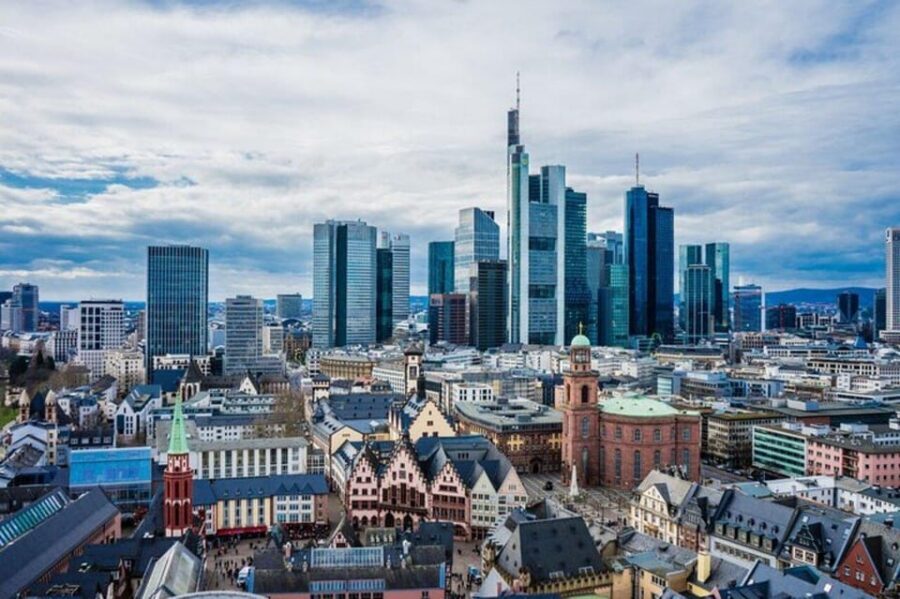
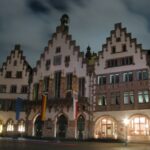
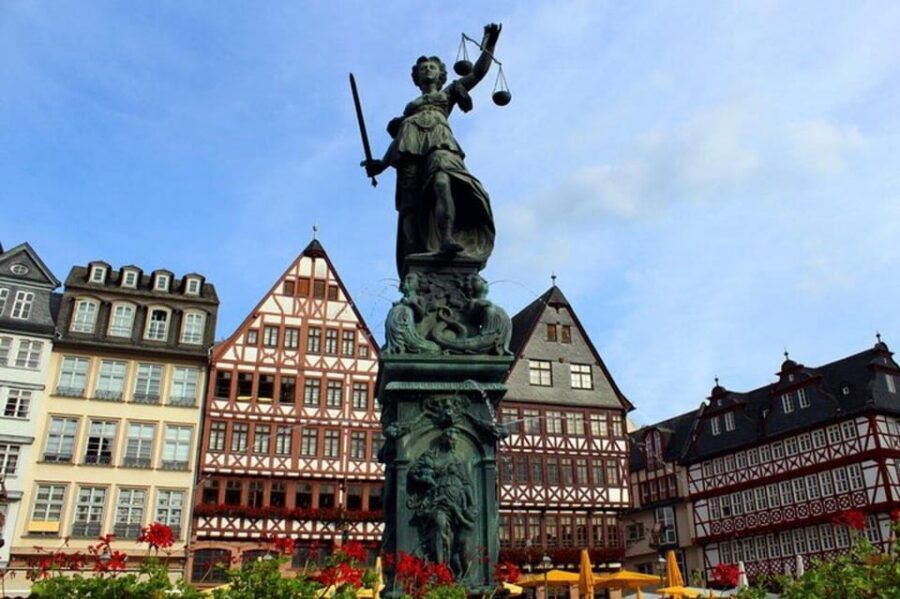
The walk starts by grounding you at Römerberg, the city’s historic square. What I like here is that it’s not just a pretty backdrop. You can actually feel how Frankfurt’s architecture blends eras—older styles standing next to newer expressions—so the city looks like it evolved instead of being rebuilt from scratch.
From Römerberg, you head toward St. Bartholomew’s Cathedral, the largest Roman Gothic church in Frankfurt. This stop is worth your attention because it’s both a landmark and a context lesson. A good guide can explain why the building matters and how it fits into Frankfurt’s identity—religious, political, and civic all at once.
What to watch for: don’t just glance at the exterior. If you have a moment to look up at church details, you’ll start spotting why gothic design reads so “busy” from a distance and so precise up close. If you’re the type who enjoys architecture, you’ll get a lot out of this leg.
A practical caution: if you visit during peak sightseeing times, expect crowds around the most famous viewpoints. This is where your private guide helps—you’re not blindly waiting with everyone else.
Hauptwache, Zeil Street, and the Iron Bridge Views
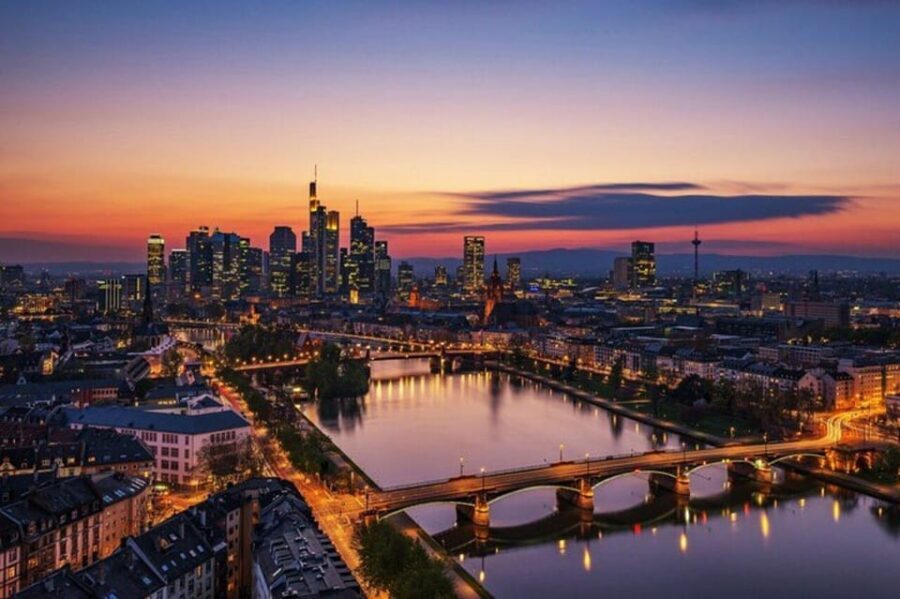
Next comes Hauptwache, a plaza known for its baroque facades. The value of this stop is how it connects the old center to everyday life. It’s not just a museum setting; it’s a place people pass through, which makes the architecture feel more real.
Then you’ll walk to Zeil, one of Frankfurt’s main shopping streets. Even if you’re not shopping, it’s useful. You’ll see how the historic core feeds into modern street life. Your guide can also point out photo-friendly spots so you’re not stuck taking random shots that don’t show the city shape.
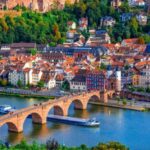
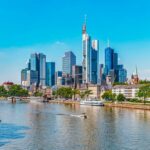
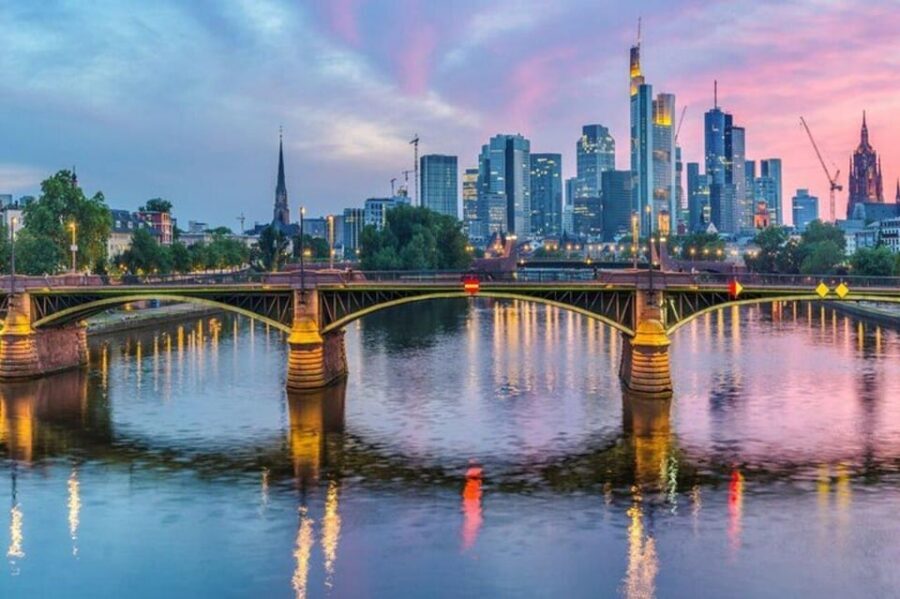
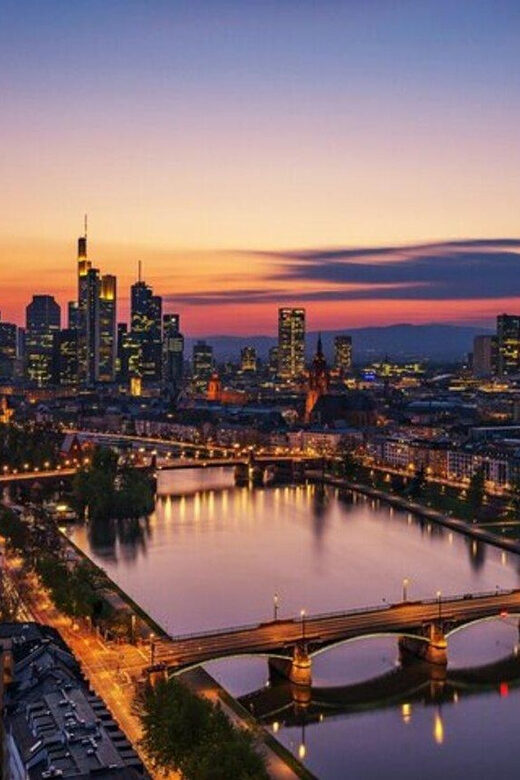
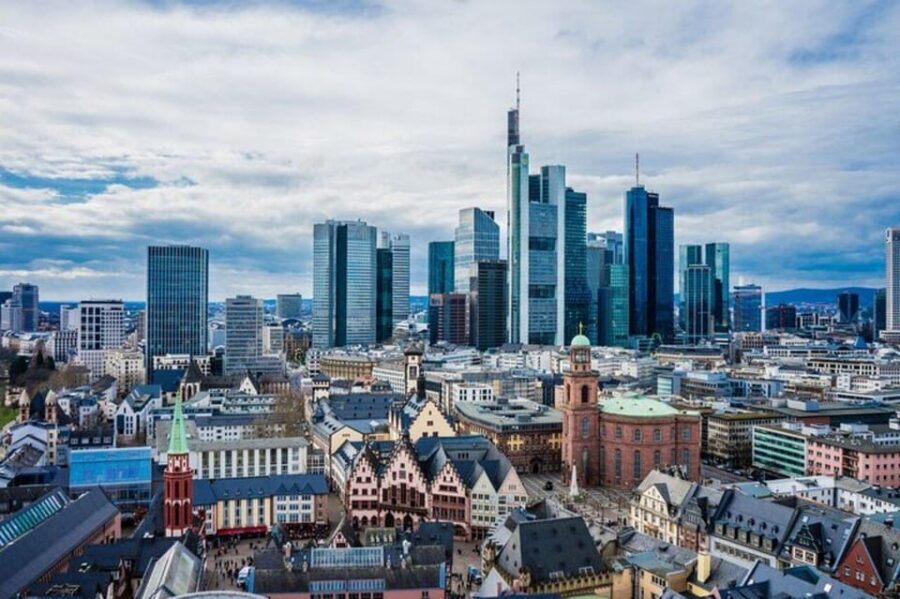
Then you cross the Iron Bridge for views over the city skyline and the Main River. This is one of those moments where Frankfurt stops feeling like a list of monuments and starts feeling like a geography puzzle. From the bridge, you can see how the center lines up with the river and where the modern buildings rise.
What makes this stop practical: it gives you a visual anchor. After you’ve seen the skyline from the river angle, later stops—like the financial district—feel easier to place.
Old Opera House: Renaissance Grandeur in Today’s City
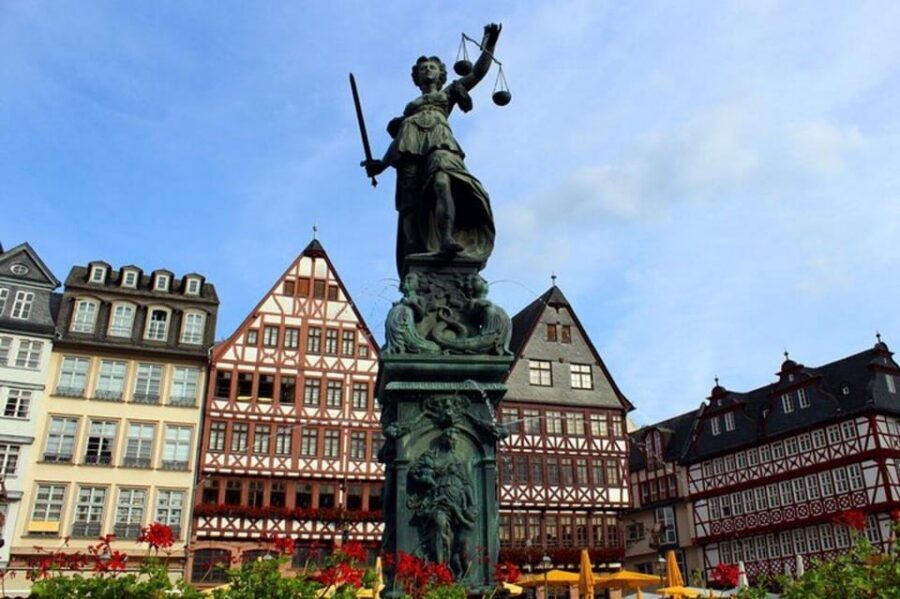
The tour includes the Old Opera House, a Renaissance building used for concerts and events. This is a great stop if you like cultural buildings that aren’t simply frozen in time. The design language is classical, but the function is still alive.
Here’s what I’d do to make the most of it: take a slow look from different angles outside, then listen to your guide’s explanation of why the building sits where it does and how it connects to the surrounding civic space.
A small drawback to consider: exterior viewing time depends on crowds and street traffic. You may want to time your photos quickly and then give your guide a second to talk through the details.
St. Paul’s Church: Where German Democracy Takes Physical Form
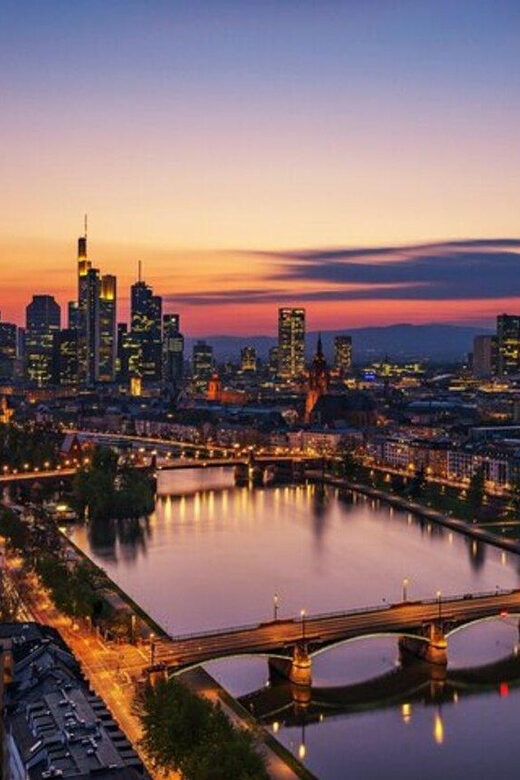
At St. Paul’s Church, you’re looking at the seat of the first democratically elected parliament in Germany. That’s not a trivia stop. It’s the kind of place where a short story makes the space click.
This is where guides shine. A good guide doesn’t just state the fact; they connect it to the building’s role in national memory. Even if politics isn’t your thing, it’s hard not to feel the weight of a space like this once someone frames it.
If you’re traveling with someone who loves history but fears long lectures, this is a good compromise. It’s meaningful without being exhausting. The setting does a lot of the emotional heavy lifting.
You can also read our reviews of more private tours in Frankfurt


Katharinenkirche, Liebfrauen, and the Borse Frankfurt for Side-Trip Variety
After the major civic stops, the tour shifts to churches and a trading building that add texture.
You’ll see Katharinenkirche, a Lutheran church with baroque style elements. Then you’ll visit Liebfrauen, a 14th-century Roman-Catholic church. I like these two because they show Frankfurt’s layers of faith and community over time. You’re not just collecting buildings; you’re seeing how different traditions left their marks in stone.
Then comes Borse Frankfurt, the Frankfurt stock exchange building. This one is important because it bridges the idea of trade and modern finance. Even from outside, the structure reads as a public monument—not a back-office detail.
Why this matters for you: a lot of walking tours focus on either churches or monuments. This route gives you both, plus the financial architecture that explains why Frankfurt became what it is today.
Sachsenhausen and Its Pub + Museum Energy
The tour also spends time on Sachsenhausen, a district known for museums and historic pubs. Your guide’s explanation helps you understand why the area developed a distinct personality—and why people go there for more than a quick drink.
If you want a practical takeaway: after this tour, Sachsenhausen becomes a high-confidence choice for your evening plans. Your guide can offer advice on what fits your tastes, whether you want museum time, a relaxed drink, or a mix of both.
Potential drawback: depending on where you’re guided to pause, the walking pace can feel brisk. If you want more time in one area, tell your guide early. Because it’s private, you can usually adjust.
European Central Bank and Main Tower: Watching the Money District From Close
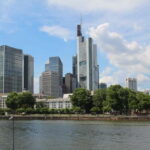
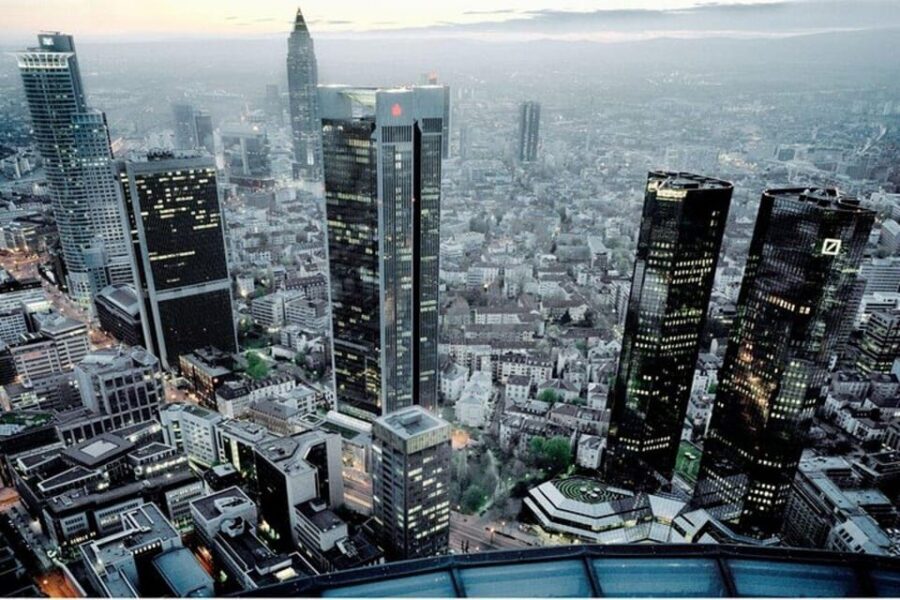
To close the loop, you finish at the European Central Bank, where you’ll see the seat of European financial power. Then you end near the Main Tower in the Bankfurt district.
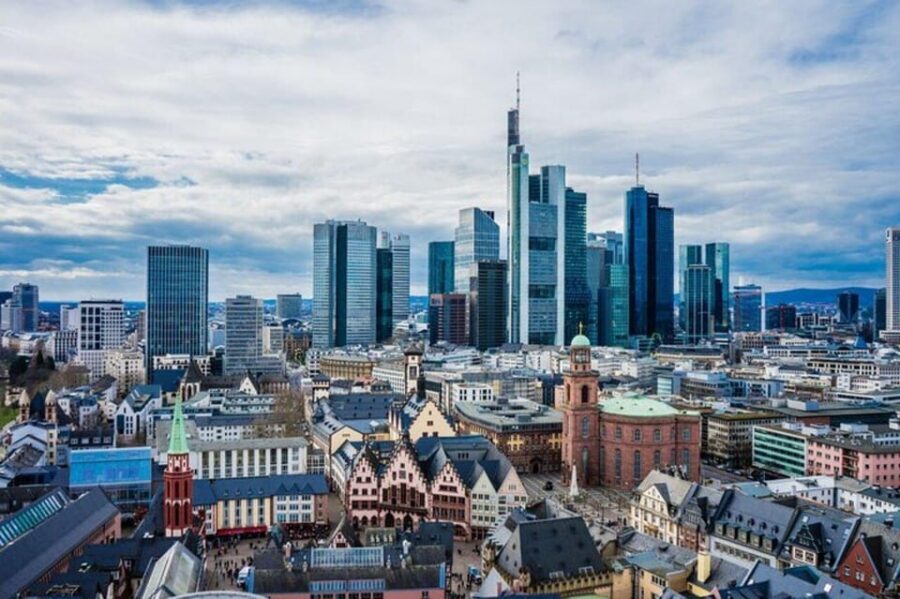
This is the part of the tour that can surprise people. If you think Frankfurt is all gothic churches and river bridges, these modern buildings change your mental picture fast. You’ll connect the dots between commerce, governance, and global influence.
For photo lovers: ask your guide for the best angles here. One guide, Ellyn, is specifically known for showing people the best spots for photos, and this area is the kind where a viewpoint tip makes a real difference.
Guides Make the Difference: What the Best Parts Have in Common
This tour’s strongest ingredient is the guide. The tour format already helps (private, customizable), but the guides are where the experience turns from sightseeing into something you can actually use.
You’ll hear stories that are clear enough to remember later. Guides like Melda, Annibal, Ellyn, and Florean are described as kind, friendly, and fun, with a focus on tailoring the day. Annibal in particular is noted for asking about your interests and adjusting the route. Florean is described as covering history, architecture, and literature, which is great if you want more than just building facts.
There’s also a behind-the-scenes benefit: when one guide had to step aside unexpectedly, the operator organized a replacement quickly and kept communication strong. That’s reassuring, especially when your schedule is tight.
Is $53 Worth It for a 3-Hour Private Walk?
Price is where you should think like a strategist, not a bargain hunter. At $53 per person for a private 3-hour walking tour, you’re paying for three things:
First, time and route logic. Instead of you stitching together places from a map, a guide builds a walk that makes sense—old center to river views to finance architecture.
Second, access to context. Church exteriors, squares, and stock exchange buildings look similar from a distance. A guide’s explanations give you a way to read what you’re seeing.
Third, personalization. You don’t have to accept a one-size-fits-all itinerary. If you want more photo stops, more storytelling, or a slightly different emphasis, a private format is your lever.
What I’d watch for: the tour includes walking and public transport (unless you select an option that changes that). If you prefer strictly on-foot, you might want to confirm how the transport component fits your comfort level.
Food and drinks are not included, so plan to carry water or decide in advance where you want a break.
Tips for Getting the Most Out of the Walk
Here are a few choices that make a difference on a 3-hour schedule:
- Wear comfortable walking shoes. You’ll be moving between squares, churches, and bridges.
- If you care about photos, tell your guide right away. Some guides are known for steering you to the best photo points.
- Bring a short list of your interests: architecture, democracy/history, river views, or finance architecture. Then you’ll get a tighter experience.
- If you want to keep options open for later, ask your guide for advice beyond the tour—people often leave with a usable plan for the evening.
Who This Tour Suits Best
This tour is a smart fit if you want:
- A private day plan without the stress of building your own route
- A mix of iconic highlights and calmer, lesser-seen stops like Liebfrauen and Borse Frankfurt
- A better understanding of why Frankfurt blends medieval and modern power
- Guides who adapt pace and topics to your preferences
It may be less ideal if you dislike walking, or if you want long indoor time at each stop without moving on. This is built as a flow, not a slow museum crawl.
Should You Book It?
Book it if you want a guided 3-hour route that connects Old Town symbols to Frankfurt’s financial identity—and you want the day tailored to you. The price-to-time ratio is decent for a private format, especially because you get city orientation, photo help, and practical guidance for what to do next.
Skip it or reconsider only if you’re expecting a leisurely, minimal-walking tour. Bring comfy shoes, bring curiosity, and you’ll get a lot out of seeing Frankfurt in motion.
FAQ
Where is the meeting point for the tour?
Meet your guide in front of TARGOBANK.
How long is the walking tour?
The duration is 3 hours.
Is this tour private?
Yes. It’s a private and exclusive tour, with no one else in your group.
What languages are available?
The live guide is available in English, Spanish, and German.
Is the tour wheelchair accessible?
Yes, the tour is wheelchair accessible.
What’s included in the price, and what’s not?
The tour includes the private walking tour, public transport (unless you select an option that changes that), and help from the team to book tickets for desired visits. Food and drink are not included.