REVIEW · MUNICH
Munich Private & Personalized Half-Day Tour with a Local Guide
Book on Viator →Operated by City Unscripted · Bookable on Viator
Munich works best when someone local sets the rhythm. This private, half-day walking tour lets you choose the start time and meeting point, then focus on the history, food, and off-the-main-street details you care about. I especially like the pre-tour questionnaire plus direct chat with your guide, and how the route can slow down (or speed up) around your interests. One drawback to plan for: it’s mostly walking, and there are extra costs if you choose public transport to connect between stops.
The tour hits the Munich basics without feeling like a cookie-cutter bus itinerary. You’ll move through classic places such as Marienplatz and the Hofbräuhaus, then get a real breather in the Englischer Garten before finishing with a major “wow” stop at the Munich Residenz. Based on guide styles I’ve seen from this operator, you can also steer the conversation toward WWII-era context, practical local food ideas, or even shopping finds like cuckoo clocks—depending on the guide you get.
At $163.98 per person for about 3 to 4 hours, this isn’t a budget add-on. It can still be good value because you’re paying for customization, a small group (just your party), and ongoing guidance before you step outside. If you like structure, you’ll get it; if you like control, you’ll get that too.
In This Review
- Key Things That Make This Munich Tour Work
- Price and Time: What You’re Really Buying for $163.98
- Meeting Point at Marienplatz: Starting in the Right Place
- The Walk’s Rhythm: How a Private 3–4 Hour Route Feels in Real Life
- Altstadt Stroll: Courtyards, Markets, and Munich on Street Level
- Englischer Garten Break: A Park Stop That Changes the Pace
- Hofbräuhaus Beer Hall: Bavarian Tradition and Practical Brew Tips
- Marienplatz and the Glockenspiel: The Square That Pulls Everything Together
- Munich Residenz: Royal Rooms Without the Rush
- How Guides Personalize It: History, Food, and Specific Munich Missions
- Getting the Most From a Private Walking Tour
- Should You Book This Munich Private Tour?
Key Things That Make This Munich Tour Work
- Start time and meeting point you control: You can align the walk with your day instead of chasing a group schedule.
- Questionnaire-led customization: You share interests ahead of time, and your guide shapes the route around them.
- No tour crowd pressure: It’s private, so you’re not trapped in someone else’s pace.
- Three big “Munich mood” stops: Old Town, a major park break, and a beer hall—then palaces to close strong.
- Guides tailor themes: People often come away talking about WWII context, local food picks, and specific shopping tips.
Price and Time: What You’re Really Buying for $163.98
This costs $163.98 per person and runs about 3 to 4 hours. For many travelers, that sounds steep for a walking tour. The value piece is that you’re not just paying for sights—you’re paying for planning power and a private guide who can adjust in real time.
Think of it like this: a group tour is a fixed route with a fixed rhythm. Here, your guide can build a walk that matches your energy and interests, whether you want more Munich history, more Bavarian culture, or practical recommendations for where to eat afterward. That flexibility matters if you’ve got limited time, if you’re traveling with a family, or if you already saw some big landmarks and want to avoid overlap.
One practical note: the tour is popular enough that it’s typically booked about 51 days in advance on average. If you’re going during a busy season or have a tight schedule, booking earlier can give you more start-time options.
You can also read our reviews of more guided tours in Munich


Meeting Point at Marienplatz: Starting in the Right Place
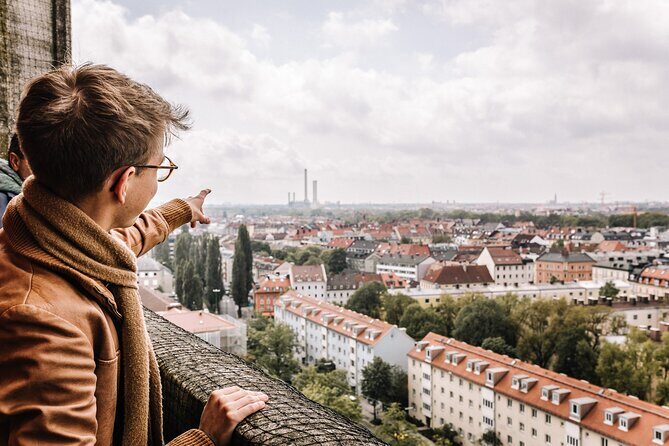
Your tour starts at Fischbrunnen, Marienplatz 8, 80331 München, and it ends back at the same meeting point. That’s smart. Marienplatz is one of the easiest bases for getting oriented, and it’s close to several of Munich’s “anchor” stops.
You can also request pickup at your chosen hotel. If your hotel isn’t listed, you’ll choose a central meeting option instead (the operator recommends using the central landmark for the smoothest start). Since it’s a private walking experience and no private vehicle is included, the goal is simple: start where you can actually begin.
Here’s the big thing for your planning: because it’s mostly walking, you’ll want comfortable shoes and a light plan for breaks. If you prefer minimal walking, you can talk with your guide about using public transport or local taxis between sites, but transportation costs would be additional.
The Walk’s Rhythm: How a Private 3–4 Hour Route Feels in Real Life

The itinerary is built around five stops, but the experience is meant to flex around your interests. That’s why the tour uses a pre-tour questionnaire and then direct communication with your host after booking. You’re not just showing up and hoping your guide reads your mind.
In practice, the route works like this:
- You start by getting bearings in the historic center.
- Then you shift from streets to a large park for a breather.
- Next comes Bavarian culture through Munich’s beer-hall traditions.
- You end with landmarks that give you a “you are here” sense of place—square, clock show, and royal architecture.
One small drawback to consider: since food, drinks, and any attraction tickets aren’t included, you may spend money beyond the tour price. If you want meals or ticketed areas inside major sights, plan for that early so you’re not making decisions on the fly.
Altstadt Stroll: Courtyards, Markets, and Munich on Street Level
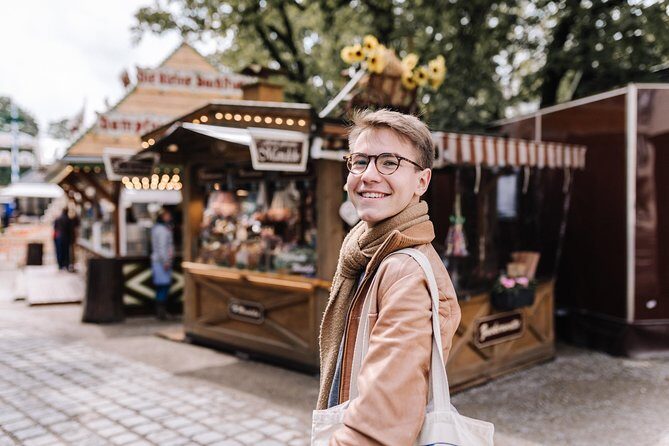
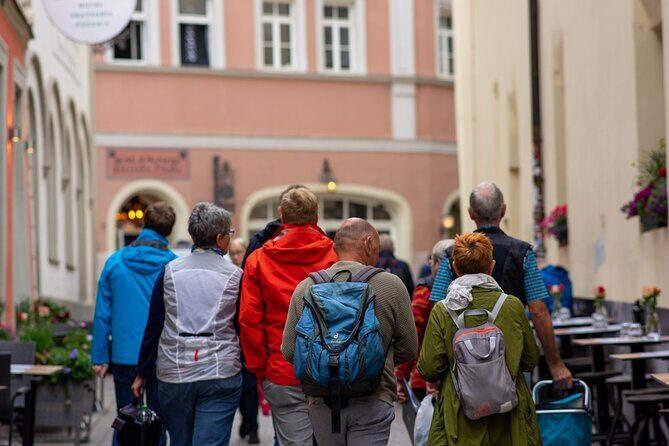
Your first major stop is the Altstadt (Old Town). This is where the city’s personality shows up in small ways: courtyards you’d walk past without looking, market vibes, and architecture that makes Munich feel distinctly Bavarian.
What I like about this stop in a private format is that you’re not just “seeing highlights.” Your guide can steer you toward what you actually want—history facts, daily culture, or simple orientation so you can navigate on your own later. If you’re the type who enjoys photo breaks, narrow lanes, or pausing to read a façade, this part tends to reward patience.
The tradeoff is time. Old Town can tempt you to slow down even more than planned. Because this is a half-day tour, your guide will likely keep things efficient—unless you ask for more time in a specific area.
Englischer Garten Break: A Park Stop That Changes the Pace

After Old Town, you head to the Englischer Garten, one of the world’s largest urban parks. This stop is more than a scenic pause. It’s a chance to reset the day and experience Munich in a way that doesn’t involve brick streets and indoor walls.
Expect big paths, bridges, and the feeling of space. Your guide can also point out local hangouts, including the river wave where you can sometimes see surfers. If your interests lean toward outdoor culture, this stop is a good match because it turns a park into a story you can picture later.
Possible drawback: parks are great—until weather gets messy. If rain is in the forecast, ask your guide about timing and whether you’ll be spending more time under shelter nearby.
You can also read our reviews of more private tours in Munich





Hofbräuhaus Beer Hall: Bavarian Tradition and Practical Brew Tips
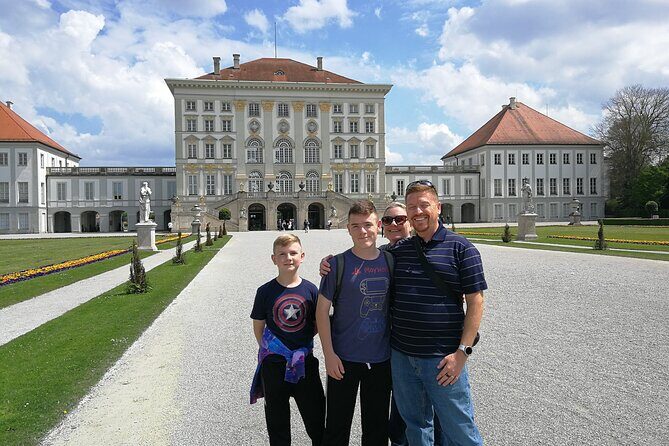
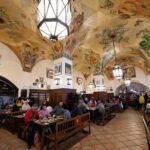
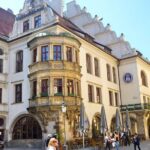
Then you swap the park air for the warm noise of Hofbräuhaus, Munich’s most famous beer hall. Even if you don’t plan to do a full sit-down meal here, this stop matters because it shows Munich as a living culture, not a museum display.
Your guide should add context: beer hall traditions, how locals talk about brews, and what to order if you want something that feels “right” for Munich. In feedback tied to this tour, guides have also been the kind of people who follow your interests—like helping someone find places to shop for cuckoo clocks afterward, so your time doesn’t just end at the last stop.
One consideration: beer halls can be loud and crowded at peak hours. The private part helps because your guide can manage the timing and keep your movement from turning into a long standstill.
Marienplatz and the Glockenspiel: The Square That Pulls Everything Together
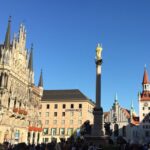
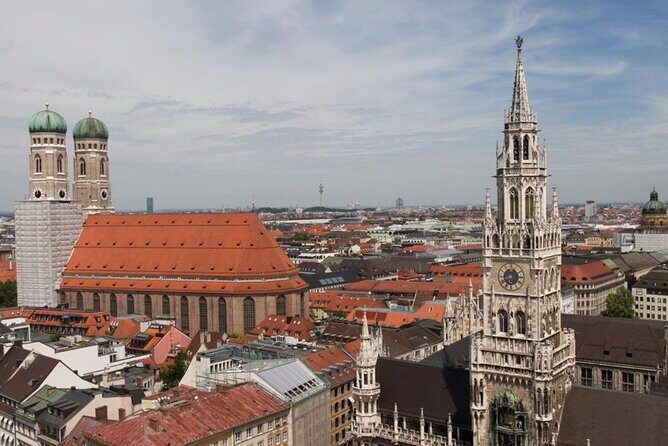
Next comes Marienplatz, the heart of Munich’s center. This is the stop for orientation and iconic imagery—the legendary Glockenspiel is the headliner, and your guide can point out how the square connects to nearby landmarks and shops.
In a group tour, this is often a “look, move, next” moment. In a private setting, you have a better chance of understanding what you’re seeing. Your guide should help you notice the details you’d miss on your own, then translate it into a plan for where you want to go after the tour ends.
If you’re traveling with kids or you just love clock theatrics, this can be a fun anchor. If you hate waiting, you can still enjoy the square—just tell your guide your time comfort level early.
Munich Residenz: Royal Rooms Without the Rush

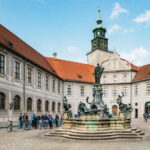
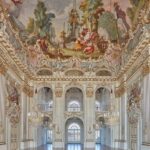
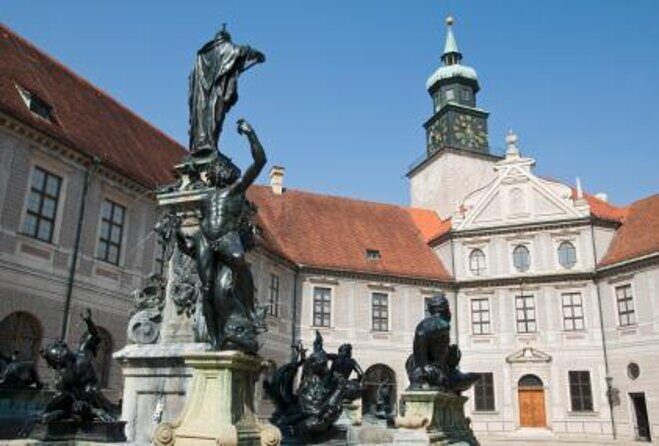
The last landmark stop is Munich Residenz, widely seen as one of Europe’s most spectacular palaces. Even if you don’t spend extra time inside ticketed rooms, the Residenz area gives you a huge “scale” moment—courtyards, royal storylines, and the feel of power in stone and layout.
Your guide should offer the background that makes the place click: what royal history means in this setting, how the palace reflects Bavaria’s past, and what nearby features are worth a second look.
A drawback to consider: palaces and museums can slow you down. Because this is a half-day tour, you’ll need to match your pacing preference. If you want more time inside, ask up front what can fit—since tickets and attraction entry are not included.
How Guides Personalize It: History, Food, and Specific Munich Missions
One reason this tour earns strong marks is the range of guide strengths. Some guides lean heavily into WWII-era context and how Munich’s story connects across decades. Others focus more on practical local culture: where to eat, what neighborhoods to explore next, and how to understand what you’re seeing in context.
A few examples from real guide styles tied to this experience:
- A guide like Naveen has been praised for tailoring to food interests, including bringing people to locally-loved options across café snacks and more full-service restaurants.
- Gaby has been highlighted for making Munich history feel alive through strong storytelling, especially around WWII-era context.
- Markus has been praised for mixing history talk with modern life, and for helping someone locate cuckoo clock shops they wanted to buy.
- Several guides have also provided follow-up suggestions after the walk, which is handy if you want a clean list of next steps when you return to your hotel.
You can use that. When you get the questionnaire, be specific:
- If you want more history, say which era or theme.
- If you want food, list what you do and don’t like.
- If shopping matters, tell your guide what you’re looking for (like German souvenirs tied to certain crafts).
Getting the Most From a Private Walking Tour
This is a walking-heavy plan, so your setup determines your enjoyment.
I’d suggest:
- Plan your pace. If you want a relaxed walk with time to linger, say so in your questionnaire.
- Come with a few must-dos, then give your guide permission to add the “in-between” stuff (courtyards, market corners, local tips).
- Use your guide’s local skill for next-day planning. Several guide experiences tied to this tour include sending people back with clear recommendations.
Also remember: food, drinks, and attraction tickets aren’t included. That’s not a problem if you treat this like a guided walk + context, then let your own tastes decide what to add.
Should You Book This Munich Private Tour?
Book this tour if you want:
- A private route that you can shape around your interests.
- A strong balance of Old Town, park time, beer hall culture, and a major palace finish.
- A guide who can explain the “why” behind what you’re seeing, plus practical follow-up suggestions.
Skip (or adjust expectations) if:
- You want fully ticketed attractions included in one price.
- You strongly dislike walking and you don’t want to rely on possible transfers between sites (which can cost extra).
- You’re only looking for the absolute fastest checklist of landmarks.
If you’re visiting Munich for the first time and you’ve got a half-day window, I think this is one of the better ways to get oriented—without feeling trapped in a rigid group schedule.