REVIEW · MUNICH
Munich: Private or Group Third Reich and WWII Walking Tour
Book on GetYourGuide →Operated by Weis(s)er Stadtvogel GmbH · Bookable on GetYourGuide
Munich taught Hitler how to be seen. This 2-hour walking tour connects everyday Old Town landmarks to the machinery of the Third Reich, using original-feeling places and the kind of context that usually stays missing on casual sightseeing. I especially like the way the guide brings documents and pictures into the street-level walk, and I like that you focus on specific locations like Marienplatz and Königsplatz, not just vague “history talk.”
You’ll also get a clear thread from the early Nazi movement in Munich to what happened later during WWII—plus the parts centered on victims and resistance, not just perpetrators. The topic is heavy, though, so if you’re looking for a light stroll, this isn’t it; it’s also not suitable for kids under 10 and video recording is not allowed.
If you want to understand how a beautiful city became a stage for propaganda and violence, this is a focused way to do it with a certified guide—people I’ve seen mention guides like Karl and Ina for being welcoming, interactive, and careful with the material.
In This Review
- Key highlights at a glance
- Why Munich became the Nazi movement’s stage
- The ground-level walk: where you start and how you find the guide
- Marienplatz: the story starts in a public square
- Königsplatz: symbolism, power, and the architecture of ideology
- Nazi headquarters and the mechanics of control
- Beer halls, propaganda, and the failure that became a springboard
- Violence and persecution: pogroms, synagogues, and burning books
- War damage versus grand Third Reich structures
- Stories of resistance, not just the loudest voices
- What the guide experience should feel like (and who it may suit)
- Price and value: 259 per group can be a smart move
- Logistics you’ll actually care about during the 2 hours
- Should you book this Munich Third Reich walking tour?
- FAQ
- How long is the walking tour?
- Is it private or a group tour?
- Where do I meet the guide in Munich?
- What languages are available?
- Is the tour wheelchair accessible?
- Is video recording allowed?
Key highlights at a glance
- From Marienplatz to Königsplatz: you’ll move through the center where key political symbolism played out
- Photos and documents in context: you’ll see what buildings looked like during the Nazi era as you walk past them
- Original locations still standing: some grand structures endured even when central Munich was heavily bombed
- Memorials alongside war-scarred streets: the tour balances Nazi-era sites with remembrance of victims
- Private group option: good value when you share the group price with friends or family
Why Munich became the Nazi movement’s stage
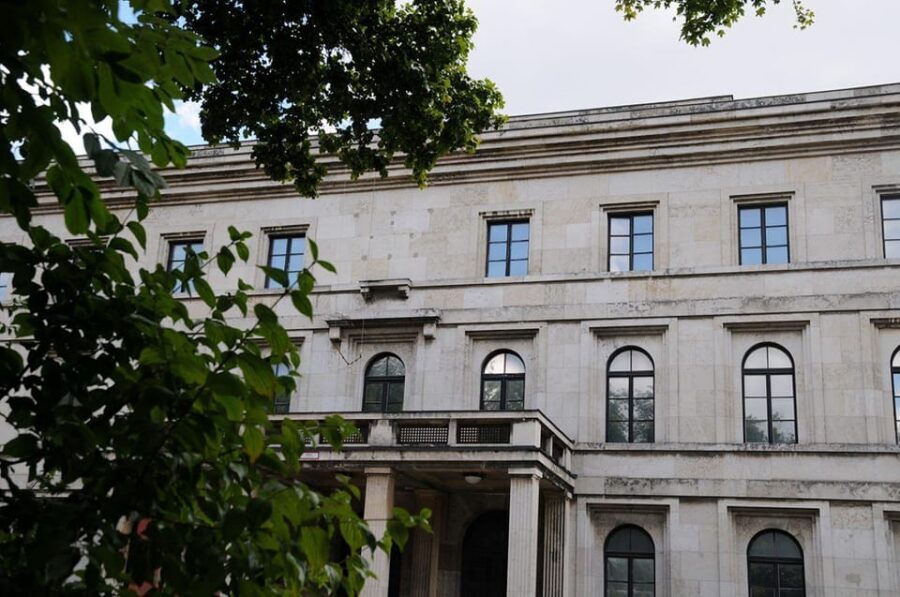
Munich is one of Germany’s easiest cities to “fall in love with”—pretty squares, big churches, long views through the center. That’s exactly why this tour matters. It shows how quickly normal public space can be turned into a political megaphone.
The tour frames Munich as the place where National Socialism gained early momentum. You’re not just hearing slogans; you’re walking through the setting linked to major stepping-stones: where the NSDAP was founded, where Hitler’s Putsch failed, and how Munich was later labeled Capital of the Movement (Hauptstadt der Bewegung) in 1935. The guide also references how Allied Supreme Commander General Eisenhower described Munich as the cradle of the Nazi beast—useful because it tells you how much the world saw this city’s political role, not just its appearance.
And here’s the important part: this walk isn’t designed to reduce events to dates on a page. It connects those milestones to the places where people gathered, marched, and were shown propaganda. That’s the difference between knowing history and understanding how it worked.
You can also read our reviews of more walking tours in Munich
The ground-level walk: where you start and how you find the guide
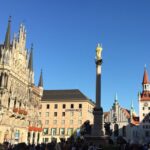
You meet at MarienSÄULE in the center of Marienplatz. Look for the golden statue on a tall red marble column. The guide will carry a blue bag with Weis(s)er Stadtvogel written on it.
This meeting point is practical for two reasons. First, it anchors you right in the heart of central Munich, so you’re not spending your limited 2 hours on transit. Second, Marienplatz is a good reminder that the Nazi story unfolded in the same public spaces tourists love today.
Bring comfortable shoes and a drink. It’s a walking tour, and you’ll want to stay focused when the content turns from “what happened” to “what that place became.”
Marienplatz: the story starts in a public square
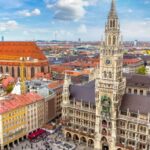
Your tour begins around Marienplatz, Munich’s most famous city center space. The guide uses the area as a starting line for the political rise of the Nazi movement, helping you connect the square’s modern familiarity to the way crowds and public attention were used for power.
This is where the tour’s style becomes clear. The guide doesn’t just point and name. You get documents and pictures to match what you’re seeing on the street. That matters because many of the buildings and facades you’ll pass may not look dramatic at a glance. With period images in mind, you can spot how propaganda and political architecture aimed to shape how people felt when they were standing there.
It’s also the right place to set tone. The tour walks you toward a deeper understanding of the darker side of Munich without turning it into sensational theater.
Königsplatz: symbolism, power, and the architecture of ideology
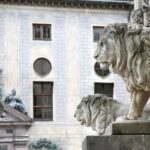
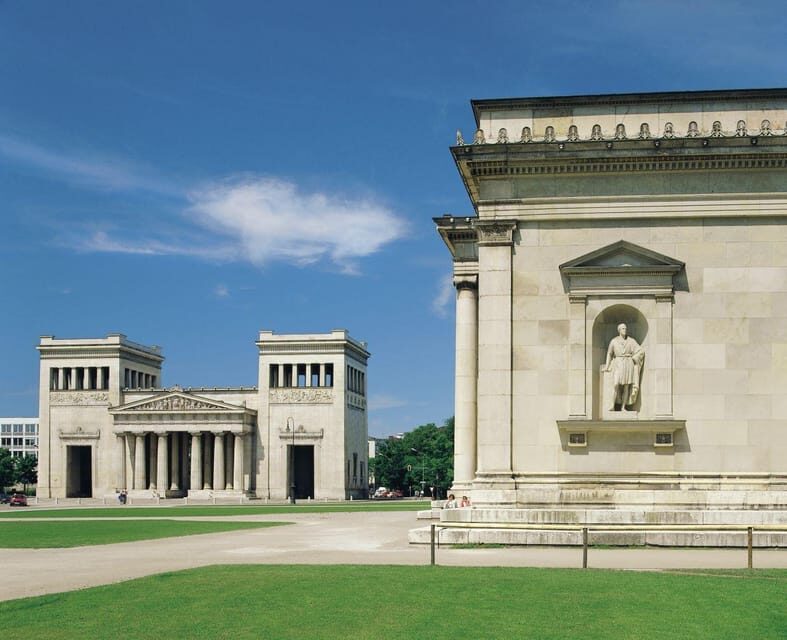
From the center you move toward Königsplatz, another key area tied to official imagery and public messaging. If Marienplatz is the classic postcard square, Königsplatz is where the “state look” feels more deliberate—more about formality, scale, and how politics tried to appear permanent.
This stop helps you understand that the Third Reich didn’t rely only on speeches. It also relied on space: the way people were arranged, the way buildings framed messages, and the way monumental design can make an ideology feel inevitable.
The guide’s materials—pictures from the era and supporting documents—help you keep the visual match in your mind. That’s one reason people often leave these tours with a stronger memory than they expect: it’s harder to forget a place once you’ve seen it paired with what it meant during the Nazi years.
Nazi headquarters and the mechanics of control
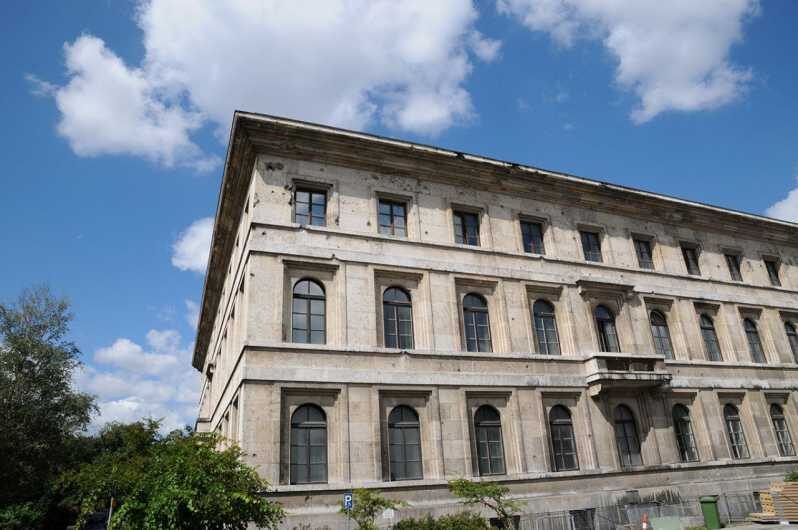
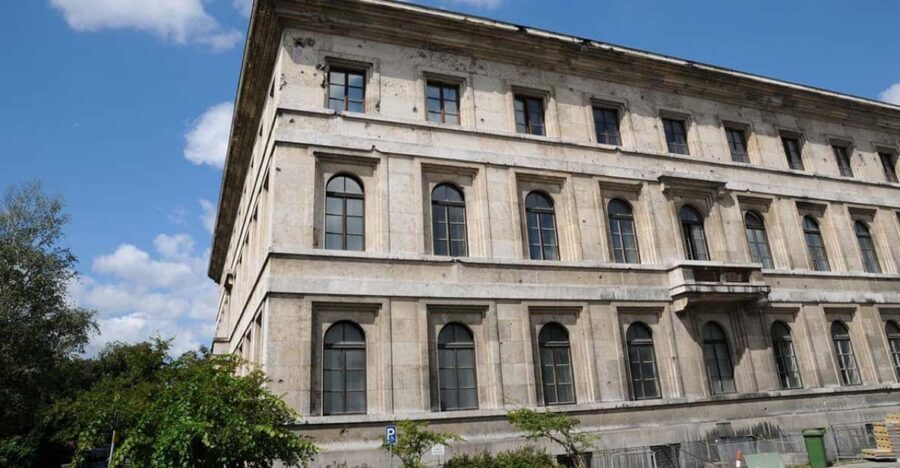
The tour includes a look at the former Nazi headquarters, where Hitler once exercised power. This is one of the moments when the tour’s purpose becomes very clear. You’re not only viewing “sites of famous events.” You’re seeing the physical proximity of authority—where decisions were made and where the movement’s influence was organized.
Even if you don’t leave with every name and date memorized, you should leave with a better grasp of how power concentrated. The guide connects the street you’re standing on to the larger story: how a party grew from extremist believers into a governing system with global consequences.
This part also helps you understand why Munich gets called out specifically. It wasn’t just a bystander city. It was a launchpad, a messaging hub, and later part of a broader war machine.
You can also read our reviews of more private tours in Munich

Beer halls, propaganda, and the failure that became a springboard
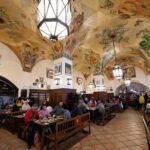
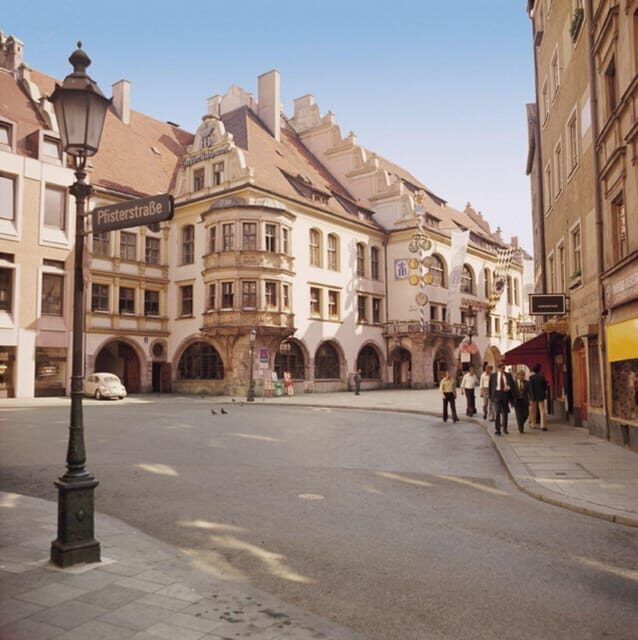
The tour’s darker thread includes the beer halls and the backstreets where early Nazi activists organized and where Hitler was already known as a major public figure—especially as a beer-hall orator.
You’ll hear about Hitler’s Putsch, which initially failed here, but also how that failure didn’t end the movement. Instead, it helped make the Nazi cause more legible to the public and more compelling to its supporters. The tour explains how a small group of extremists—revering Hitler as the Führer—gained momentum through public performance.
This section is also where context is crucial. If you only know the headline version, you may assume the Nazis took power in one dramatic leap. The tour shows the slower logic: repetition, public visibility, and the ability to turn gatherings into propaganda stages.
Violence and persecution: pogroms, synagogues, and burning books
The tour also touches some of the most brutal aspects of the Nazi era, including anti-Semitic pogroms, the destruction of synagogues, and public burning of books.
This isn’t presented as trivia. It’s handled as part of how the Nazi movement justified and carried out persecution. The guide’s job here is to place these actions into context—what was targeted, why it mattered, and how it supported the wider project of removing rights, erasing communities, and controlling thought.
If you tend to get affected by heavy subjects, consider that going in. The tour is designed to help you see and understand, but it won’t be emotionally light.
War damage versus grand Third Reich structures
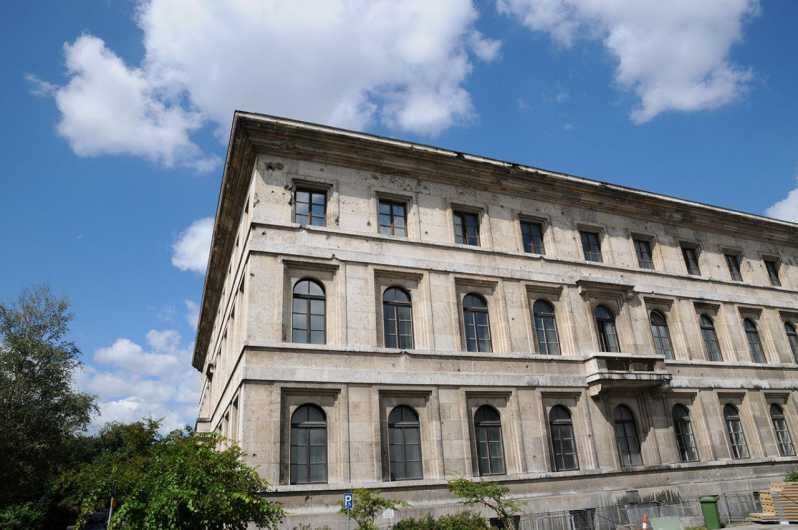
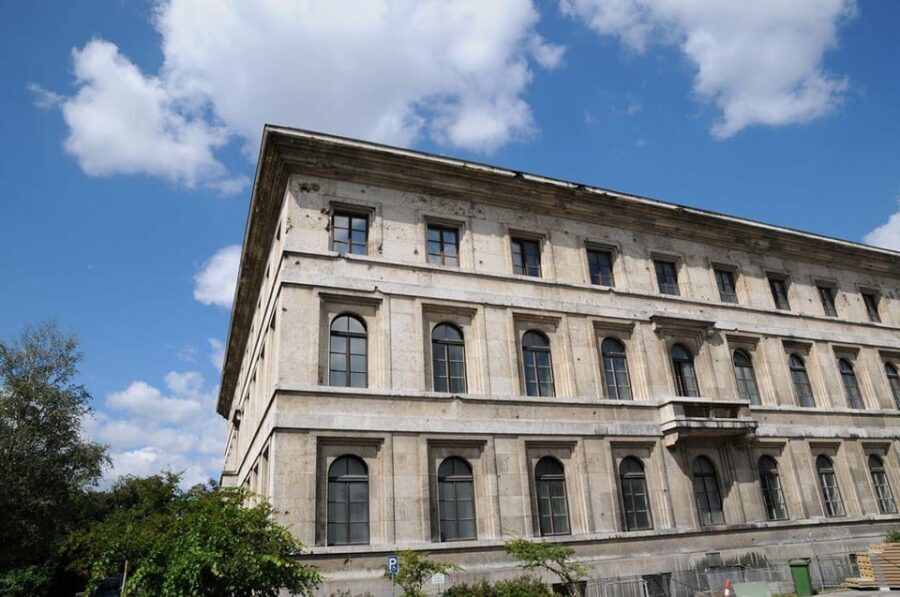
One of the tour’s most unsettling contrasts is how much of central Munich was destroyed by Allied bombing, yet many grand structures built on Hitler’s orders survived. That means you can stand in a place that still bears the “look” of the era, even when other parts of the city didn’t make it.
The guide points out how buildings and scars coexist: war destruction in some areas, long-lasting monumental architecture in others. Walking between them gives you a sense of how the built environment can outlast the people and crimes attached to it.
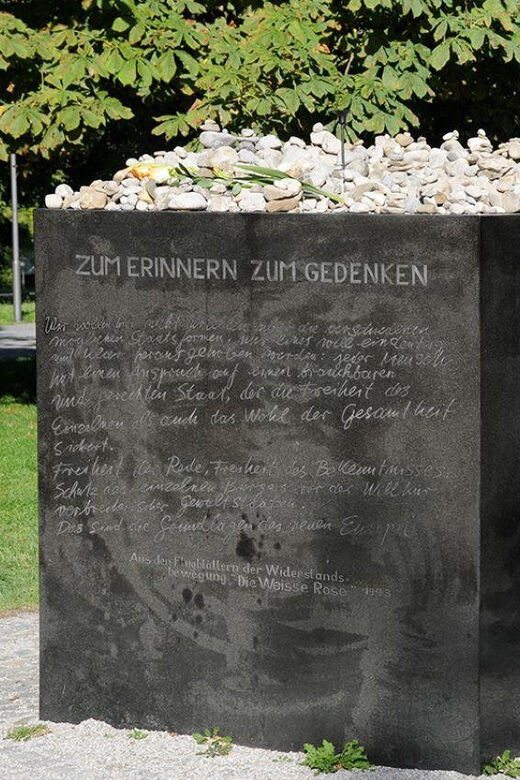
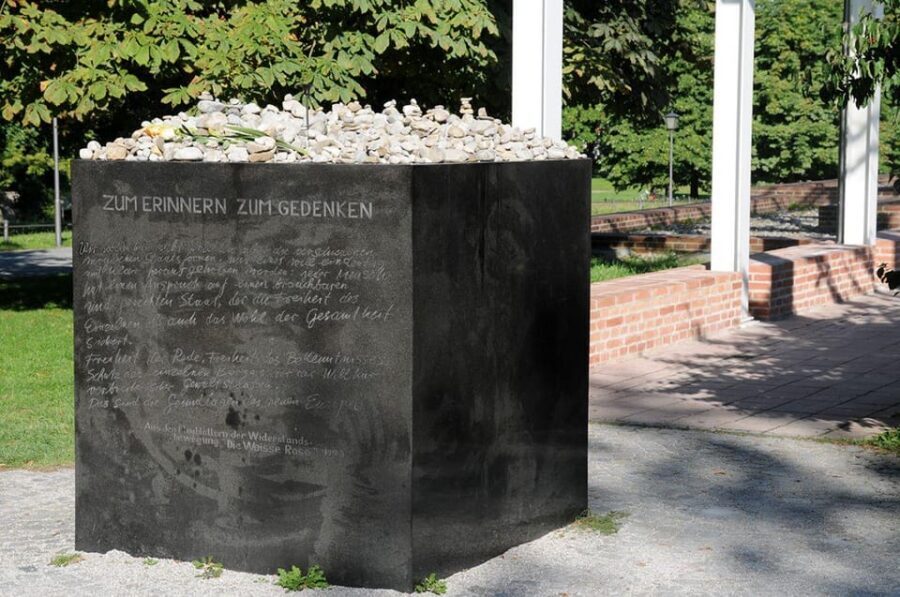
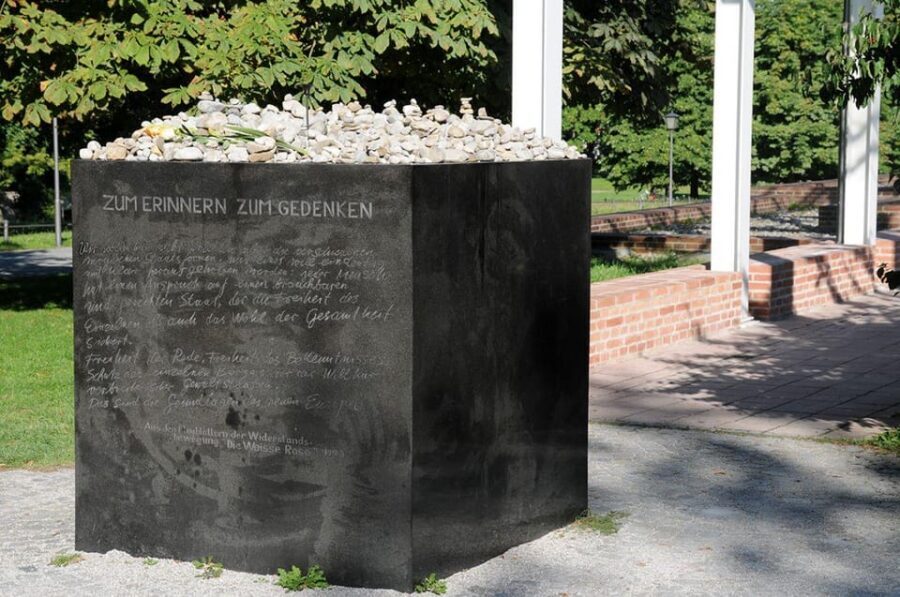
You’ll also see memorials dedicated to victims of Nazism, alongside sites that connect to the terror of the period. This balance is valuable. It keeps the walk from becoming only about power and destruction; it also gives space to remembrance and resistance.
Stories of resistance, not just the loudest voices
The tour doesn’t stop at perpetrators. It includes the story of those who resisted in the name of democracy. That matters because it changes how you process what you see. It’s easier to understand Nazi history as a human-made choice when you know there were people—at great risk—who rejected it.
Guides also tend to connect resistance to the physical spaces you pass, so it feels less like a separate moral lecture and more like part of the same street story. It’s the reason I think this kind of tour can help you leave Munich with more than anger or sadness. It can leave you with a clearer idea of how societies can be pressured—and how they can push back.
What the guide experience should feel like (and who it may suit)
This tour is led by a certified guide, and the best versions of this experience feel like a conversation with a careful expert—someone who can answer questions, keep the tone respectful, and guide your pace.
Based on feedback patterns, guides like Karl are often described as enthusiastic, welcoming, and very knowledgeable, while Ina is highlighted for being patient, thoughtful, and more personal than a scripted monologue. That doesn’t mean you’ll get therapy or a dramatic performance. It means you’ll likely feel seen as you ask questions and react to what you’re seeing.
This tour suits:
- Adults and couples who want context around Munich’s central landmarks
- Travelers who prefer walking tours with a clear narrative arc
- People comfortable with sensitive subject matter and respectful remembrance
It may not suit:
- Families with children under 10
- Anyone expecting casual sightseeing or a photo-only city wander
- Visitors who want to record everything on video (recording is not allowed)
Price and value: 259 per group can be a smart move
The price is $259 per group up to 25 people, for a 2-hour walking tour. That structure can be great value, especially if you’re traveling with several friends or family and can spread the cost.
Here’s the practical way to think about it:
- If you’re a larger group, the per-person cost drops fast.
- If you’re traveling solo or as a couple, you may want to compare this with per-person tours in Munich, because this one prices by group.
- The trade is time and focus: you’re paying for a guided narrative tied to authentic locations, not just access to a generic walking route.
Given how quickly Munich tours can turn into “look and move on,” I like group-priced tours like this when they include strong materials like pictures and documents. Those extras are what make the street scenes stick.
Logistics you’ll actually care about during the 2 hours
You’re on foot for about 2 hours and you meet at Marienplatz. There’s no transportation included, so plan to be already in the center (or be ready to walk/take a short ride before meeting).
Language options are German and English. The guide also supports wheelchair access, which is a big plus for many visitors who want a central walking experience without giving up mobility options.
One more heads-up: video recording is not allowed. If you like documenting with a camera, plan to use notes or still photos instead, depending on what the guide allows on the day.
Should you book this Munich Third Reich walking tour?
Book it if you want a Munich experience that goes beyond “pretty squares.” This tour gives you a guided way to understand why the Nazis found Munich useful—politically, visually, and socially—and you’ll connect those lessons to specific places like Marienplatz, Königsplatz, and the former headquarters.
Don’t book it if you’re after a light, casual walk, or if heavy topics could derail your day. This is education through real location and careful storytelling, so it’s best when you’re ready for that emotional weight.
If you do book, show up with comfortable shoes, a willingness to ask questions, and an open mind. You’ll walk away with a much sharper picture of how ordinary streets can carry extraordinary consequences—and how memory and memorials belong in the same frame as war-scarred buildings.
FAQ
How long is the walking tour?
It lasts 2 hours.
Is it private or a group tour?
It offers a private group option (and the pricing shown is for a group up to 25).
Where do I meet the guide in Munich?
Meet at MarienSÄULE in the center of Marienplatz, at the golden statue on a tall red marble column. Look for a guide with a blue bag that has Weis(s)er Stadtvogel written on it.
What languages are available?
The live guide is available in German and English.
Is the tour wheelchair accessible?
Yes, it is listed as wheelchair accessible.
Is video recording allowed?
No, video recording is not allowed.