REVIEW · MUNICH
From Munich: Dachau Memorial Site Half-Day Trip
Book on GetYourGuide →Operated by Radius Tours GmbH · Bookable on GetYourGuide
Dachau never lets you look away. In just 5 hours from Munich, this half-day outing pairs an authorized, English-speaking guide with surviving camp buildings and a museum-centered visit that keeps the focus on education and respect.
What I like most is the way the guides handle brutal material with dignity and sensitivity (Iain, Matt, Keith, Nick, Patricia, Jake, Emmet, and others earned consistent praise for that). You also get a structured stop in the on-site cinema for an English-language documentary, which helps set context without turning the visit into shock theater.
One thing to plan for: a big chunk of the visit happens outdoors in exposed conditions, so cold weather layers (and bringing your own snacks/drinks) matter more than you’d expect.
Key Points at a Glance
- Authorized, trained guides who keep the tone respectful while still answering hard questions
- Surviving original buildings on the camp grounds, with a clear guided route
- English documentary film in the cinema to anchor what you’re seeing
- Modern museum exhibition area that adds depth beyond the buildings
- Mostly outdoors, so dress for wind and weather
- A 5-hour total format that’s compact enough for a tight Munich itinerary
In This Review
- A Serious Half-Day: What You’ll Be Doing (and Why It Works)
- Getting There From Munich: Train, Town, Then Bus
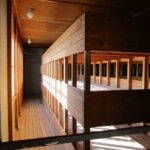
- On-Site Guided Time: Surviving Buildings and the Logic of the Place
- The Cinema Stop: An English Documentary That Sets Context
- The Museum Exhibition Area: Where Facts Become Real
- Time, Pace, and Reflection: What the 5 Hours Feels Like
- Guides Matter Here: Names You’ll See in the Reviews
- Price and Value: Is $62 a Good Deal?
- What to Bring (Because You Can’t Buy It Inside)
- Who This Tour Fits Best (and Who Might Rethink It)
- Should You Book This Dachau Half-Day Trip?
- FAQ
- How long is the Dachau memorial half-day trip from Munich?
- What does the tour cost?
- Where do I meet the tour?
- What transport is included?
- Is there an English documentary during the tour?
- Is the guide speaking English?
- What’s included in the guided portion?
- Do I need to buy food on-site?
- Is the tour suitable for children?
- What should I bring besides clothes?
A Serious Half-Day: What You’ll Be Doing (and Why It Works)
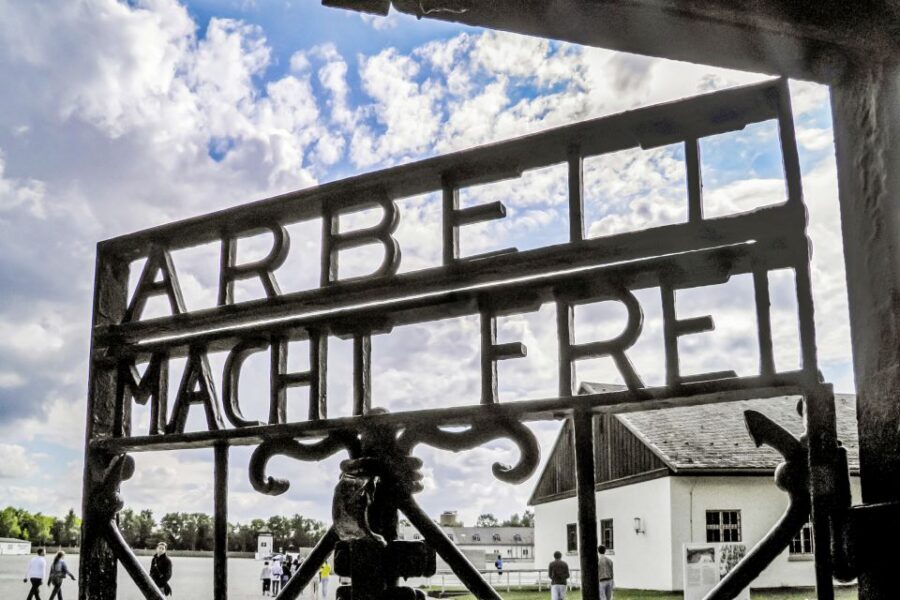
This is a tour about remembrance and education, not sightseeing. You’re visiting one of Germany’s most important memorial sites, and the experience is deliberately structured to help you understand what happened—without sprinting through it like a checklist.
The format is built for time-crunched travelers: train out, guided time on-site, then train back. Even with the emotional weight, the day feels organized rather than chaotic, and the schedule stays tight enough that you won’t waste your Munich time figuring out transport.
That said, this is also a place that asks for behavior that matches the setting. The memorial itself is clear about expectations, and your guide will set the tone early. I find it helps to treat this like a lesson you’re attending, not a tourist walk you’re doing.
Getting There From Munich: Train, Town, Then Bus
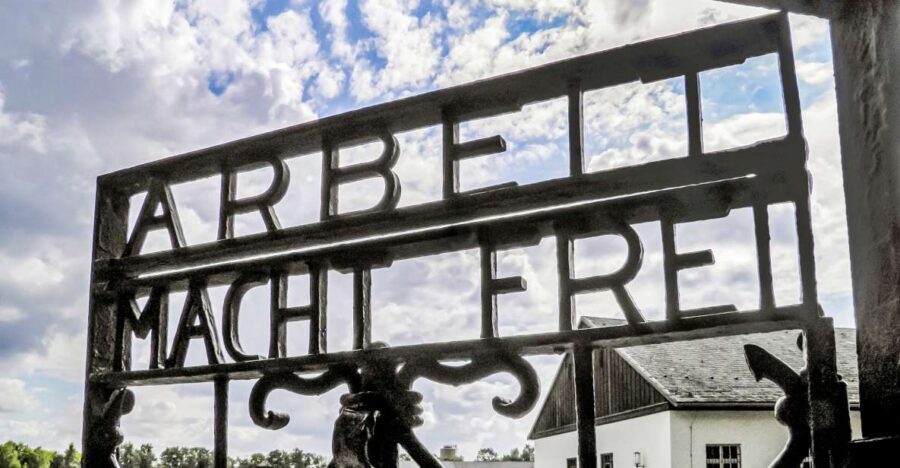
The day starts at the meeting point at the Radius Tours office. From there, you take a 30-minute train ride toward Dachau, then—once you’re in the area—you continue by bus to reach the memorial grounds. On return, it’s another 30-minute train back to Munich.
This matters because it removes a lot of friction. If you’re not used to German public transport, you’ll appreciate having the route figured out for you. Plus, several guides in the reviews emphasize group logistics and keeping everyone together, which is a real comfort when the topic is heavy and you don’t want to be playing navigation roulette.
One small practical caution: a couple reviews mention the group can get separated in busy stations. My advice is simple: stay near the guide and don’t drift off to check photos or read signs up close while people are moving between platforms.
A few more Munich tours and experiences worth a look


On-Site Guided Time: Surviving Buildings and the Logic of the Place
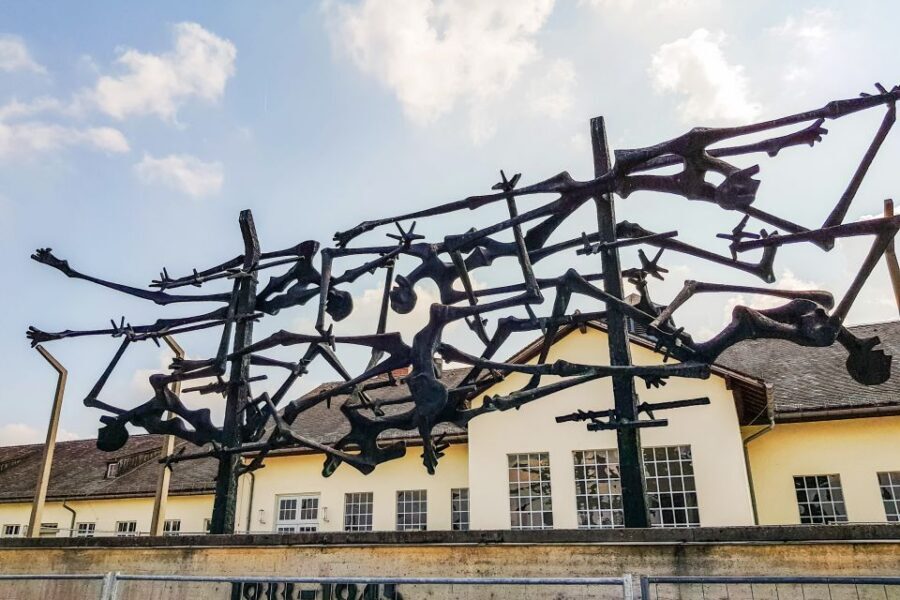
Once you reach the memorial, you’ll spend about 3 hours with a live, English-speaking guide. This is where the tour earns its keep.
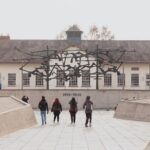
You’ll see the surviving buildings and the core camp areas that remain part of the historical record. The guide’s job isn’t just to describe what’s there. It’s to connect the physical layout to how the camp operated, and to help you understand how the system functioned in real life. That’s why this visit feels different with a guide than when you wander on your own.
Most reviews praise the way guides pace the group—often without drowning you in every detail at once. You get enough structure to understand the big picture, while still having moments that feel like breathing room. I also noticed a pattern: guides who let people walk and absorb are repeatedly praised, while people who want more free time tend to ask for slightly more room at the end of the visit.
The Cinema Stop: An English Documentary That Sets Context
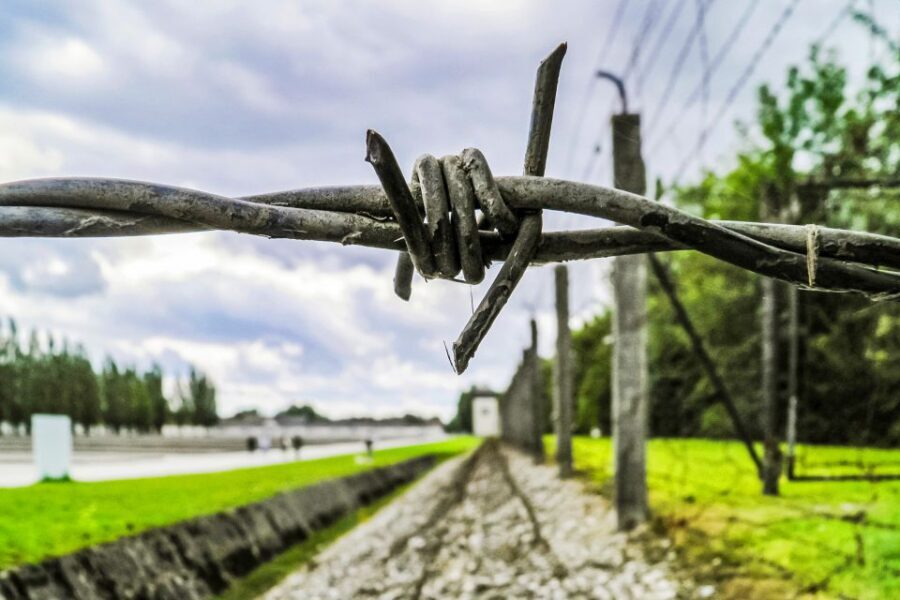
A standout feature is the included cinema time. The tour screens an English-language documentary film that focuses on life in the camp.
This is more than a break from walking. For many people, the buildings create questions fast: What did daily routines look like? How did control work? What did prisoners experience on a human level? The documentary helps stitch answers together before you keep exploring.
Also, it’s a way to keep the tone steady. Instead of relying on graphic visuals, the documentary supports understanding with explanation and testimony, which pairs well with a guide who’s trained to discuss sensitive material with restraint.
The Museum Exhibition Area: Where Facts Become Real
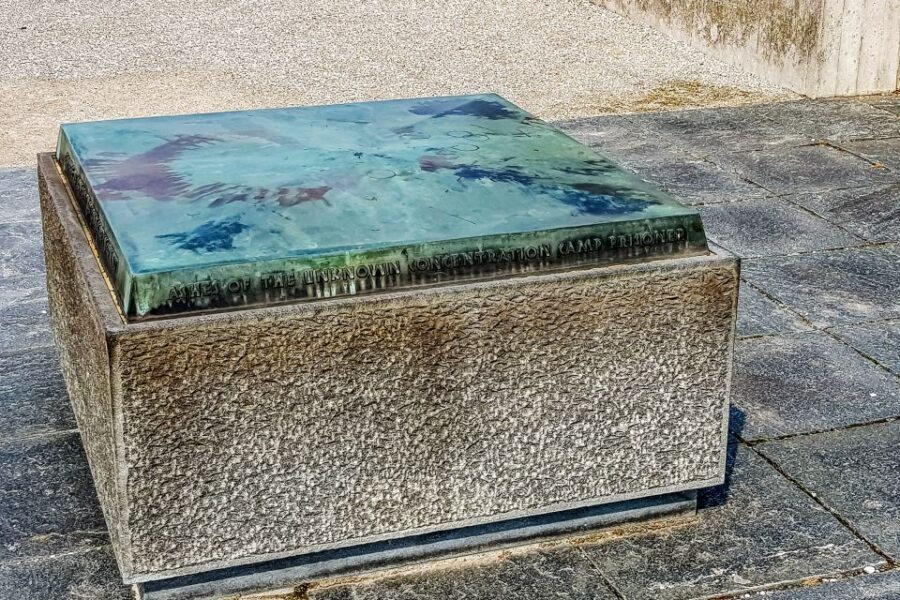
After (or alongside) the building walk, you’ll visit the modern museum exhibition area. This is where the experience stops being only about what remains on the grounds and becomes about documentation, context, and interpretation.
In a place like Dachau, exhibits can feel heavy even when you’re not looking at anything shocking. That’s why it helps that the guided portion gives you a path and a framework. You’re more likely to notice key details—dates, themes, and the evolution of the camp—because someone has already helped you understand what you’re looking at.
A fair warning: if you prefer to read everything slowly without a schedule, the guided structure may feel a bit tight. One review notes that going too fast made it hard to absorb exhibits fully. If that’s your style, I’d treat the guided half-day as the start. You may want to return later on your own to spend more time with the displays that catch your eye.
Time, Pace, and Reflection: What the 5 Hours Feels Like
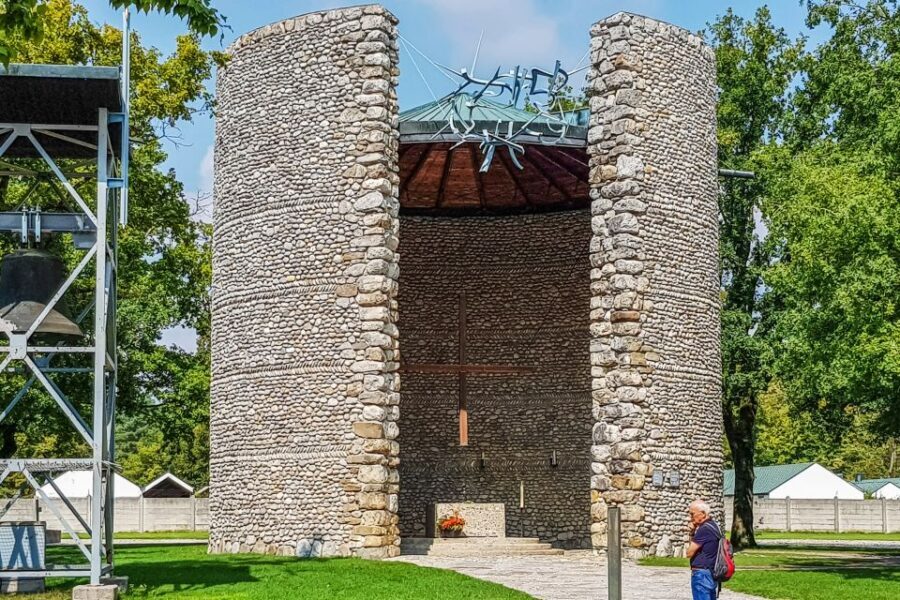
The whole tour runs about 5 hours. That includes transit and on-site time, with the memorial visit anchored by the guided 3-hour segment.
Many reviewers mention that guides strike a careful balance: enough context to make the visit meaningful, but not so much information that you can’t process what you’re seeing. I like tours that give your brain time to catch up. Dachau demands that.
Some guides also leave personal space at the end of the tour, which can be important for reflection. If you’re the kind of person who needs to stand quietly, read a sign twice, or walk slowly without being pulled along, this is the part you’ll value most. A couple reviews suggest it would be nice to have more independent time—so if you’re planning for that, go in knowing the half-day format is efficient rather than slow.
A few more Munich tours and experiences worth a look




Guides Matter Here: Names You’ll See in the Reviews
The memorial topic is hard enough without adding stress. The reviews consistently praise guides for doing two things at once: clarity and care.
You’ll see repeated mentions of guides such as Iain, Matt, Keith, Nick, Patricia, Jake, Emmet, Ian, Achim, Connie, and Steve. Across those names, the common thread is respectful delivery—talking about terror and resistance without turning the experience into spectacle.
One interesting detail from the feedback: a few guides are described as letting the group absorb the atmosphere before moving on, while still keeping the informational thread. That’s a skill. It prevents the tour from becoming either overly clinical or overly emotional. You get facts and context, but the tone stays human.
If you’re someone who worries about how a group will be managed, this is a good sign. Reviews often mention guides keeping the group together and answering questions in a calm way, including helping first-timers navigate the public transport.
Price and Value: Is $62 a Good Deal?
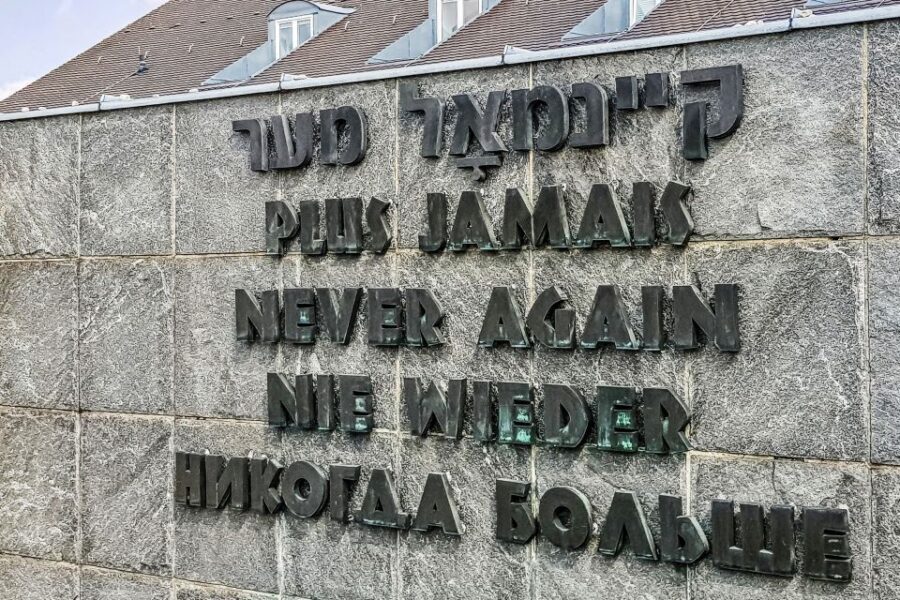
At $62 per person for a roughly 5-hour trip with an English guide plus bus-and-train transport, you’re paying for three things at once: interpretation, time saved, and an authorized approach.
The value is strongest if you want your visit framed correctly. Dachau isn’t an easy place to self-navigate with the right historical context. A trained guide helps you connect the surviving buildings, prison areas, and museum material into a coherent story—fast enough to fit your schedule, slow enough to still matter.
Still, not everyone thinks the price feels fair. One reviewer said the tour felt overpriced compared with doing it independently for less. That’s a valid perspective if you’re comfortable using German transport and reading exhibits at your own pace. If that’s you, consider whether you’d rather spend money on convenience and guidance—or save money and accept more planning.
My practical take: if you want a guided orientation you can build on, the cost feels reasonable. If you’re trying to do everything as cheaply as possible and you don’t mind doing logistics yourself, you might get similar outcomes spending less.
What to Bring (Because You Can’t Buy It Inside)
The tour rules are straightforward: bring food and drinks. You’re not allowed to purchase food or drink within the memorial grounds, and your time there is long enough that hunger can ruin your focus.
Also pack for weather. The visit takes place mostly outdoors in an exposed environment, so bring weather-appropriate clothing—layers, a warm outer layer, and something that handles wind. It’s Germany, and Dachau’s not going to care about your thin jacket choices.
If you’re traveling in winter, this becomes a real planning factor. Even the most respectful, well-paced tour can feel miserable if your hands are numb and you keep checking the time.
Who This Tour Fits Best (and Who Might Rethink It)
This tour is a strong fit if you:
- want an English-speaking, live guide to help you interpret what you’re seeing
- have limited time in Munich and need a half-day option
- like structured visits where the guide helps you avoid missing key areas
It’s also a good prelude if you’re comparing concentration camp history across Europe. Several reviews describe Dachau as an important starting point for understanding the conditions and systems used during the period.
It’s not suitable for children under 13, and the memorial setting includes material that may require parental discretion for minors. If you’re traveling with kids, be thoughtful about age and emotional readiness. This isn’t a playground-excursion kind of stop.
Should You Book This Dachau Half-Day Trip?
Yes—if you want a guided, time-efficient visit that keeps the tone respectful and the facts organized. The biggest selling point is the combination of authorized guidance, a route through surviving camp areas, a stop in the museum exhibition area, and an English documentary that gives you context.
If you hate structured tours or you know you’ll want hours of slow reading, you might feel rushed in the half-day format. In that case, you could still book this for orientation, then return later to spend more time in the exhibits that hit hardest.
My final tip: treat the day like it’s part education and part reflection. Bring snacks, dress for the weather, and stay close to your guide so you don’t lose the thread at crowded moments.
FAQ
How long is the Dachau memorial half-day trip from Munich?
It runs about 5 hours total.
What does the tour cost?
The price is listed as $62 per person.
Where do I meet the tour?
Meet at the activity provider’s office, Radius Tours.
What transport is included?
Transportation is included by train and bus for the full trip between Munich and the memorial area.
Is there an English documentary during the tour?
Yes. The cinema screens an English-language documentary film.
Is the guide speaking English?
Yes. The tour includes a live tour guide in English.
What’s included in the guided portion?
You’ll get a guided tour of the memorial area, including surviving original buildings, the museum exhibition area, and the cinema screening.
Do I need to buy food on-site?
No. You can’t purchase food or drinks within the memorial grounds, so bring your own.
Is the tour suitable for children?
It’s not suitable for children under 13.
What should I bring besides clothes?
Bring food and drinks, since you won’t be able to buy any inside the memorial grounds.