REVIEW · MUNICH
Munich: Alte Pinakothek Skip-the-Line & Guided Walking Tour
Book on GetYourGuide →Operated by Munich Art Tours · Bookable on GetYourGuide
A museum like this is never just about looking. This guided walk through Munich’s Alte Pinakothek turns the crowds and gallery rooms into a clear story of art collecting, from Bavarian rulers to major masters. You move at a smart pace, with a guide to help you spot what matters.
Two things I really like: the skip-the-ticket-line entrance that saves you time before you even reach the galleries, and the way the tour is built around the museum’s big strengths, including large focus areas like Peter Paul Rubens. You also get an actual explanation, not just a list of names you’ll forget five minutes later.
One consideration: the skip-the-line covers entry handling, but entrance fees still apply, so don’t assume everything is fully priced in. If you’re expecting a cheaper all-in deal, this is worth checking carefully before you go.
In This Review
- Key highlights you’ll feel on the ground
- Skip-the-line at Alte Pinakothek: what it changes for your day
- Alte Pinakothek inside: 700+ paintings in the 14th–18th centuries
- Seeing Dürer, da Vinci, and Rubens: why the guide’s picks matter
- The Bavarian ruler story: dukes and kings behind the collection
- What the 90 minutes to 2 hours looks like, step by step
- Price and value: is $149 fair for this museum tour?
- Practical tips so the tour feels smooth (not stressful)
- Who should book this Alte Pinakothek tour?
- Should you book this skip-the-line tour?
- FAQ
- How long is the tour?
- Does the tour include skip-the-line entry?
- Where do I meet the guide?
- What languages is the tour available in?
- Is the tour wheelchair accessible?
- Are children allowed?
- Does the tour run in bad weather?
- What’s not allowed during the tour?
- Do I need to bring any identification?
Key highlights you’ll feel on the ground
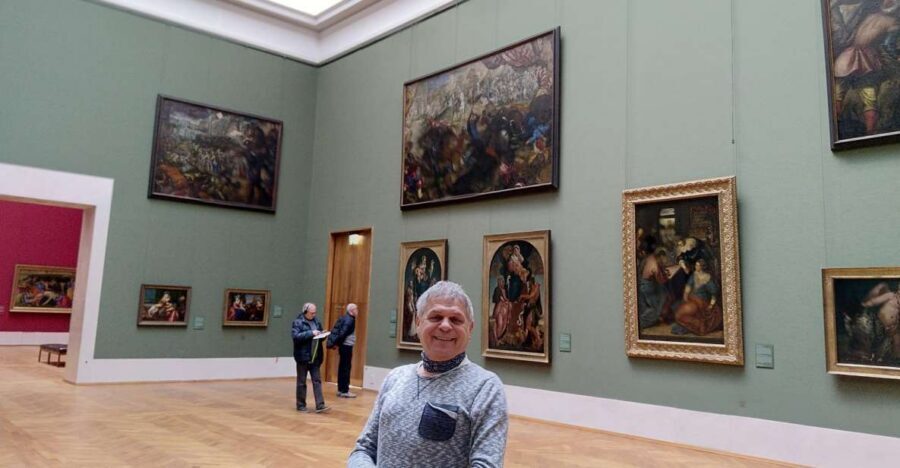
- Skip-the-line entry gets you inside faster, so you spend more time in galleries and less time waiting.
- 700+ paintings across 14th–18th centuries keeps the tour visually packed without feeling random.
- Dürer and Rubens focus helps you understand why certain artists matter in this collection.
- Bavarian dukes and kings context explains how the holdings were built, not just what’s on the walls.
- A guide who keeps it lively: guides such as Paul have been praised for being both funny and informative.
- Private or small groups help you get more from the walk-through than you might in a massive crowd.
Skip-the-line at Alte Pinakothek: what it changes for your day
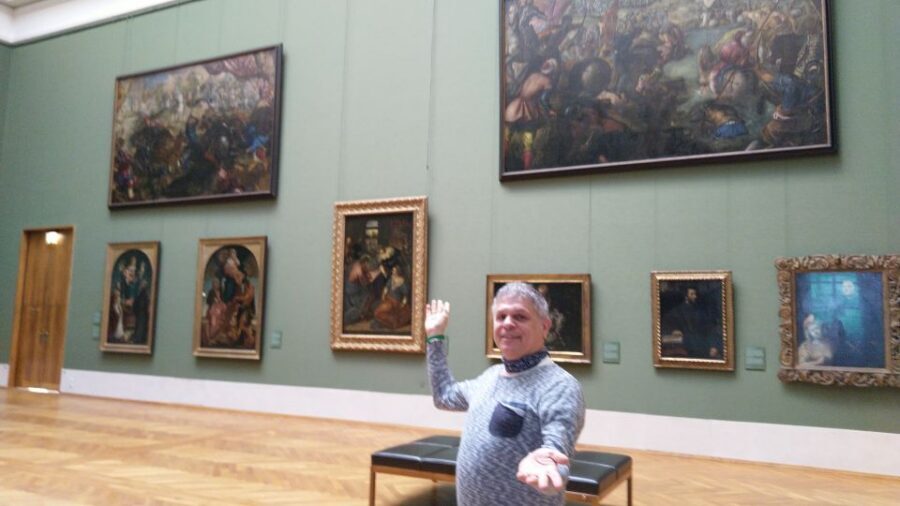
The Alte Pinakothek is popular, and that usually means lines. The big practical win here is skip-the-ticket-line access, so your museum start feels less like a waiting game and more like a plan you can trust. With only about 90 minutes to 2 hours, that matters. Short tours punish delays.
That said, read the fine print mindset-wise. This experience is a guided tour with a skip-the-line benefit, but entrance fees still apply. In other words, you’re not buying a “no extra cost ever” ticket. If you like to budget tightly, I’d treat the advertised price as the tour cost and plan for the museum ticket portion.
The meet-up is at the entrance, and the exact meeting spot can vary depending on the option you book. That variability is normal for museum tours, but it’s one reason I’d arrive a few minutes early. You’ll want calm, not frantic.
You can also read our reviews of more walking tours in Munich



Alte Pinakothek inside: 700+ paintings in the 14th–18th centuries
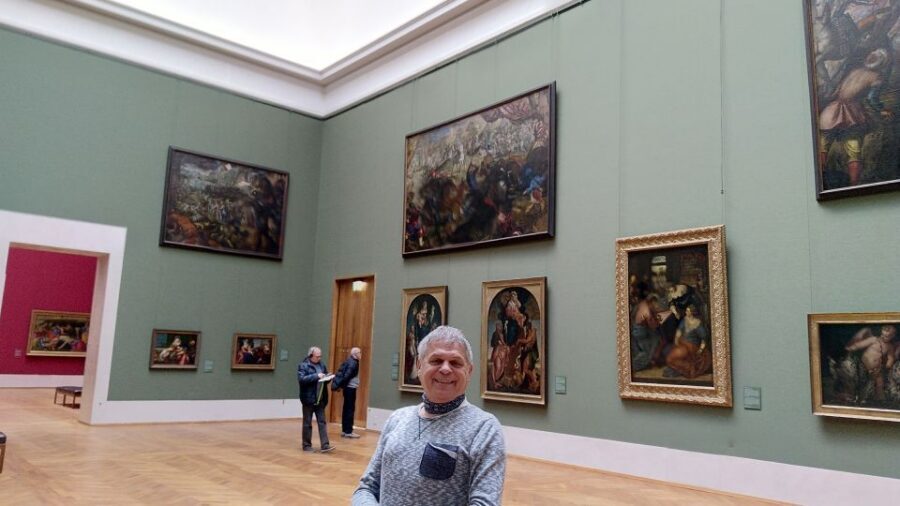
Once you’re through the door, the museum does what it’s supposed to: it slows you down in a good way. The collection covers over 700 paintings from the 14th to the 18th centuries, and the guide helps you move through that scale without getting lost.
What I like about this kind of guided structure is that it gives you a way to “read” paintings instead of just scanning them. You’ll spend time in gallery rooms where the guide points out what to notice: subject choices, artist reputation, and why certain works belong together in this museum. Even if you’re not a “serious art person,” the tour language makes it approachable.
You’ll also get that aha effect that comes from seeing breadth with a plan. A solo visit can be great, but it’s easy to drift room to room. With a guide, the time stays focused, and you can leave feeling like you actually learned something, not just saw a lot.
Seeing Dürer, da Vinci, and Rubens: why the guide’s picks matter
This isn’t a museum where the guide throws random artworks at you. The tour is designed around major names, including Albrecht Dürer and Leonardo da Vinci, plus a standout emphasis on Peter Paul Rubens. Those names aren’t just famous for marketing purposes. They connect to how power, taste, and collecting shaped European art.
Dürer matters here because you’ll likely see the collection’s strength in works associated with him and related Northern European art. Rubens matters because the museum holds one of the largest collections of paintings by Rubens. That’s not a small brag. It’s the difference between seeing “a Rubens” and understanding Rubens as a presence in this collection.
And here’s the real value for you: with a good guide, you stop treating famous painters like trivia. You start noticing patterns—how a style fits its era, how subjects reflect the world around them, and how collectors sought specific reputations. When the tour runs well, you come out with names you can actually place.
The reviews give you a clue about what that feels like in real life. A guide named Paul has been praised as both knowledgeable and funny, which is a great combo in a museum. Humor helps you remember, and clear explanations keep your eyes from glazing over.
The Bavarian ruler story: dukes and kings behind the collection
Paintings don’t appear in museums by accident. A key part of this tour is the explanation of the dukes and kings of Bavaria who were responsible for building these collections. That background matters because it changes how you view what you’re seeing.
Without that context, the museum can feel like a gallery of masterpieces with no thread. With it, you start to understand why certain artists and types of works were collected, and how wealth and authority influenced cultural priorities. It’s the kind of context that turns a roomful of paintings into a timeline.
In practical terms, the guide ties art to power. You’ll hear how rulers used collecting as a statement, and how those choices echo through the museum’s layout today. If you like history, this part is the bridge between “I saw art” and “I get why this museum exists.”
What the 90 minutes to 2 hours looks like, step by step
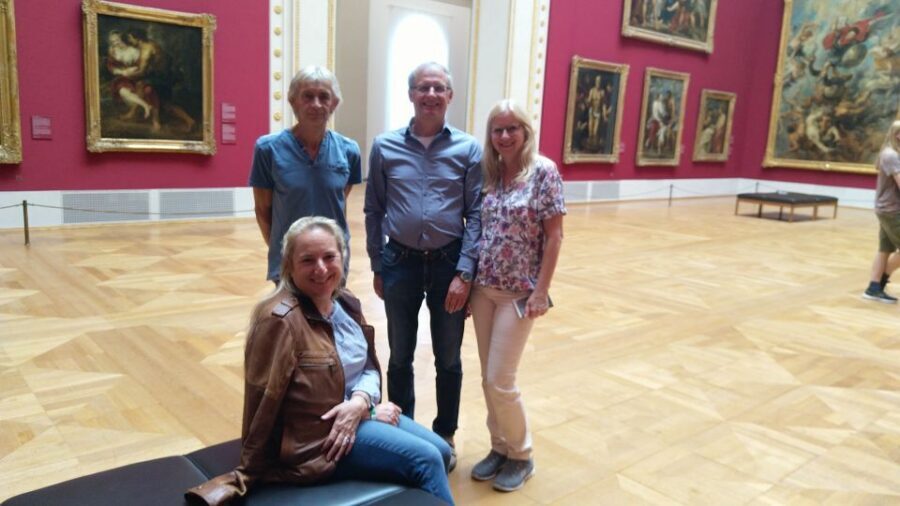
This tour is structured as a guided walking experience focused on the museum interior. Here’s what the flow usually feels like.
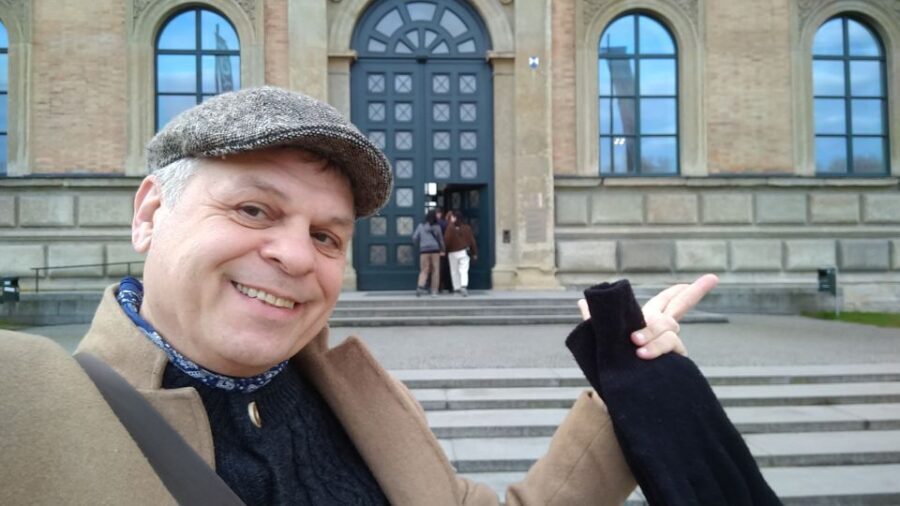
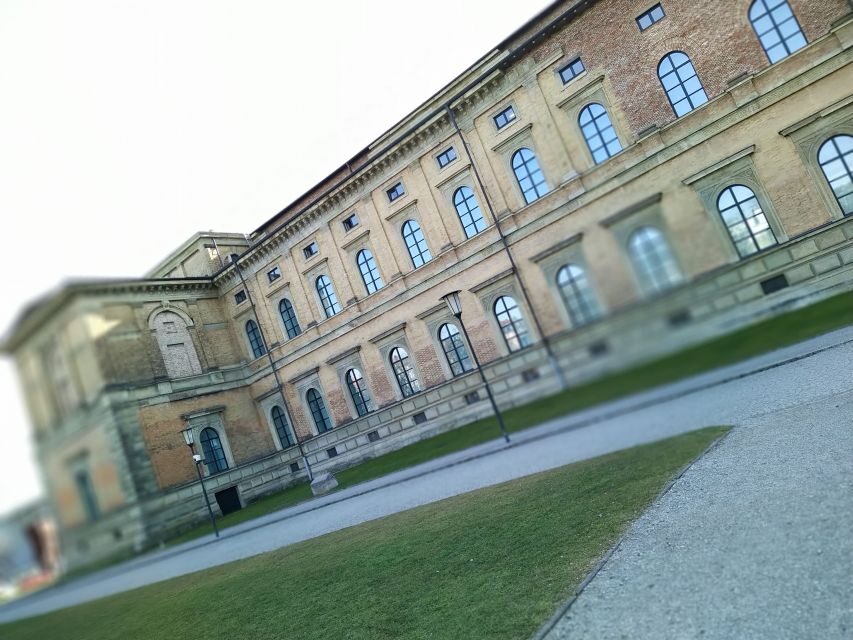
You begin at the entrance with your guide and take a quick look at the iconic building from outside. That brief moment is useful. It gives you bearings before you step into a place that can feel busy and complex.
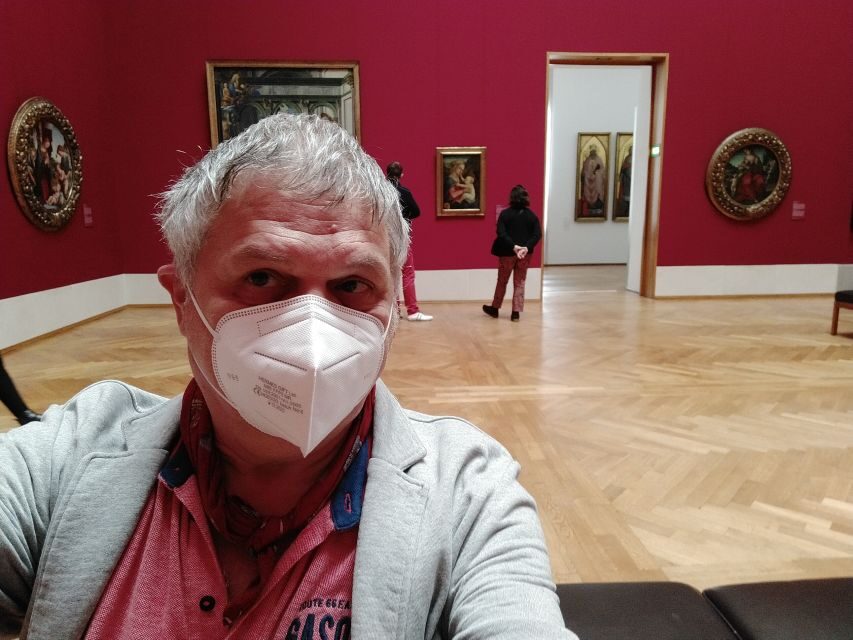
Then you move inside. The guide leads you through galleries where you’ll see major works and learn the connections between them. Expect a pace that’s active but not sprinting. The goal is to cover enough ground to feel satisfying in a short window, while still stopping to make sense of what you’re looking at.
You’ll also hear explanations as you walk from room to room—history, collection background, and artist significance. And because the tour is time-boxed, you’re unlikely to spend 20 minutes stuck on one tiny detail without direction. Instead, you’ll get guided choices about what to notice and what to skip.
The tour ends back at the museum area, with drop-off at Alte Pinakothek. Because the entire experience is contained in one museum visit, you can plug it into a broader day around Munich without needing complicated transport planning.
You can also read our reviews of more guided tours in Munich





Price and value: is $149 fair for this museum tour?
At $149 per person, you’re paying for three things: (1) a live guide, (2) guided selection of what to see inside a huge museum, and (3) the skip-the-line benefit. The tour doesn’t magically eliminate the museum ticket cost, but it does reduce the “friction” that slows many first-time museum visits.
So when does it feel like good value?
- If you’re short on time in Munich and want to hit the museum without turning your afternoon into a maze.
- If you enjoy learning while you look, and you’d rather pay for guidance than spend your day searching for meaning.
- If you don’t want to lose time to queues, especially when you only have a couple hours to spare.
If you’re the type who loves wandering with zero structure, you might decide to go on your own. But for most people, this format is a smart trade: you compress the learning curve into a tight time slot and leave with a clearer sense of the collection’s “why.”
Also, the reviews are strongly positive, with a high overall rating and multiple notes about the guide being engaging. That’s often the make-or-break factor in museum tours, and it’s a good sign for the value you’re buying.
Practical tips so the tour feels smooth (not stressful)
A great guided tour is mostly about what you do before you get there.
Bring:
- Passport or ID card
- Comfortable shoes (you’ll be walking through museum rooms)
- A face mask or protective covering (the tour notes say to bring one)
Plan for these “not allowed” items:
- No food and drinks
- No luggage or large bags
- Pets aren’t allowed (assistance dogs are allowed)
This is one of those tours where showing up with a big bag can annoy you fast. Keep what you carry small if you can.
Also note the weather rule: the tour runs rain or shine. That matters because you start at the entrance and will step around outside for the quick exterior look.
Finally, think about your group size. This experience offers private or small groups, which usually means more manageable pacing and a better chance to hear the guide clearly.
Who should book this Alte Pinakothek tour?
This tour is a strong fit if you want a guided path through a major art museum without losing half your day to logistics.
It’s especially good for:
- Adults and teens who want context on European masters
- People who like art history explained in plain language
- Anyone who prefers a short, structured museum visit (90 minutes to 2 hours)
It may not fit if:
- You’re traveling with children under 10, since the tour isn’t suitable for them
- You’d rather look at everything slowly with no guidance at all
There’s also wheelchair accessibility, which is a reassuring baseline. If mobility is a factor for you, this is one of the better types of tours to consider because it stays focused on one museum rather than requiring lots of moving between far-apart sights.
Should you book this skip-the-line tour?
I’d book it if you want to make your museum time count. The combination of skip-the-line entry, a guided route, and a focus on the collection’s real strengths (including Rubens and Dürer) is the kind of “value per hour” that works well in Munich.
I’d hesitate only if you’re looking for an all-inclusive cheap deal, because entrance fees still apply. And if you hate structure, you may not feel as satisfied, since the whole point is a guided walk with stops and explanations.
If you want a museum visit that feels like you understand what you’re seeing by the end, this is a solid choice. You’ll leave with names you can connect to ideas, not just images you passively observed.
FAQ
How long is the tour?
It runs about 90 minutes to 2 hours.
Does the tour include skip-the-line entry?
Yes, you get skip-the-ticket-line entry. Entrance fees still apply.
Where do I meet the guide?
The meeting point may vary depending on the option you book, and it’s at the museum entrance.
What languages is the tour available in?
The live guide speaks English and German.
Is the tour wheelchair accessible?
Yes, it’s listed as wheelchair accessible.
Are children allowed?
It’s not suitable for children under 10.
Does the tour run in bad weather?
Yes, it takes place rain or shine.
What’s not allowed during the tour?
Food and drinks aren’t allowed, and no luggage or large bags. Pets aren’t allowed, though assistance dogs are.
Do I need to bring any identification?
Bring passport or ID card, plus comfortable shoes and a face mask or protective covering.