REVIEW · BERLIN
Delicious Deutsch: Learn German while creating German Breakfast
Book on Viator →Operated by Eat like a Berliner - market tour + cooking class + lunch · Bookable on Viator
German breakfast turns language practice real. This is a Berlin cooking experience where you learn German by shopping, chopping, cooking, and tasting—not by memorizing lists. I like that the format uses multiple senses to help words stick, and I really enjoy how the day turns language into real actions you can repeat.
One consideration: the whole experience is strongly food-first, so if you came for lots of classic sightseeing, plan for fewer stops and more time in the kitchen and at the table.
In This Review
- Quick hits if you want the essentials
- Why breakfast cooking makes German easier to say
- Where Goltzstraße 36 fits into your day plan
- The market part: learning German with your hands
- Cooking at the host’s home with Kit
- What you actually eat (and why it’s more than a meal)
- Price and value: what $110 really buys you
- Who should book this German breakfast lesson
- Should you book Delicious Deutsch?
- FAQ
- What is the price for Delicious Deutsch in Berlin?
- How long is the experience?
- Where do we meet?
- What time does it start?
- Is breakfast included?
- Is transportation included?
- Can the host accommodate dietary restrictions and kids?
- Is it refundable if I cancel?
- Is it only my group?
Quick hits if you want the essentials
- Learn German by doing breakfast tasks like handling ingredients and following recipes out loud
- Market time matters because ingredients give you instant vocabulary and context
- Private group format means you can move at your pace
- Beginners to intermediate speakers fit best since the class builds speaking through structured talk
- Kit’s teaching style feels friendly and inclusive, including support for kids
- Dietary needs can be accommodated, so tell the host ahead of time
Why breakfast cooking makes German easier to say

German sticks best when it’s attached to something physical. That’s the whole idea here: you’re not just hearing words about food. You’re pointing at produce, smelling herbs, holding ingredients, tasting results, and then using German again to describe what’s happening.
This kind of “learn by action” approach lines up with embodied learning. In plain terms, your brain remembers better when you connect language to what your hands and senses are doing. So instead of saying Frühling once in a sentence, you might say it while choosing seasonal ingredients at the market—or while discussing what’s in your breakfast.
You’ll also get language practice built directly into recipes. The cooking portion is designed to reinforce German through explanations of ingredients, techniques, and cooking steps—the stuff you can actually reuse after you get home. Even if you’re a little rusty, breakfast is an approachable theme. You’re not jumping into advanced topics; you’re working with common daily food routines.
You can also read our reviews of more tours and experiences in Berlin.



Where Goltzstraße 36 fits into your day plan

This experience starts at Goltzstraße 36, 10781 Berlin, and it ends back at the same place. You’ll also get a mobile ticket, and the activity is set up to be near public transportation, which matters in Berlin where the easiest plan is often train + short walk.
The stated duration is about 3 hours, and it’s described as a private tour/activity, meaning it’s only your group. That tends to be a win for language learners. Less waiting around, more turn-taking, and fewer interruptions.
One small note: the start time is listed as 9:30 pm, while the experience name focuses on German breakfast. Double-check the exact time in your booking confirmation so you can dress and plan meals accordingly. If you’re sensitive to timing (coffee, hunger, kids, energy), confirm early.
The market part: learning German with your hands

Your day begins with fresh produce shopping, where you’ll see, touch, handle, and choose ingredients. This is where the German practice gets unusually practical. Every item becomes a prompt for speech: what it is, what it’s used for, and how it fits the meal.
A big plus is that the market portion is described as a hands-on, multi-sensory setup. You’re not only looking. You’re actively selecting and discussing. And the whole food focus isn’t random. One of the strongest themes you’ll hear about is fresh, local, and sustainable choices—especially around meat and produce.
You may also hear about ingredients the host personally likes to cook with and what’s seasonal right now. That matters because it gives you vocabulary you can use immediately. Instead of learning ingredient names in isolation, you connect them to a real plan for what ends up on your plate.
And if you’re the type who wonders where Berlin’s food culture actually shows up day to day, the market conversation is a good place to ask. Some hosts naturally bring in context as people browse and talk—food habits, shopping culture, and how Berliners think about daily meals.
Cooking at the host’s home with Kit
After shopping, you move into the cooking portion, which is hosted in a home setting. You’ll prepare, cook, and then taste the breakfast you made—so you get the full loop: ingredient choice → kitchen work → payoff.
The host’s name is Kit, and the tone described is warm and welcoming. In particular, Kit is noted as being great with kids, which is helpful if you’re traveling with a family. It’s also clear that the teaching approach isn’t just about telling you what to do. It’s about guiding you to speak during the process.
Practically, you should expect recipe talk that links language to technique. You’ll hear explanations of cooking steps and why certain ingredients work. That’s the sweet spot for learners: you’re building sentences around actions you can see happening. If you’re a beginner, the structure can give you a framework to repeat. If you’re intermediate, you can expand your answers by describing what you’re tasting and how ingredients change during cooking.
Dietary needs can be part of the plan. Kit has been described as happy to accommodate dietary restrictions, which is a big deal. If you have a food requirement, message the host ahead of time so they can shape the menu and ingredient list.
What you actually eat (and why it’s more than a meal)
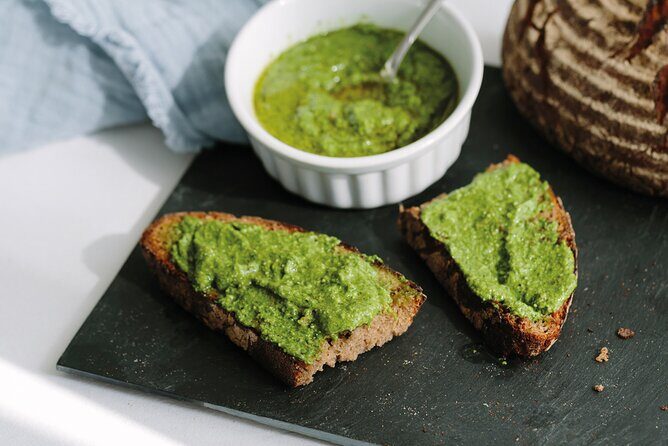
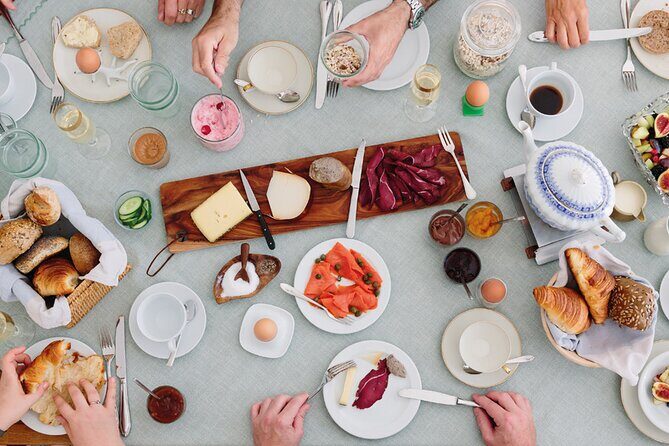
This experience includes breakfast. But it’s not just a plate of food—it’s a cultural learning tool. Breakfast in Germany often reflects bread culture, dairy, spreads, and simple but well-considered ingredients. Even without getting too fancy, the meal can teach you how Germans think about starting the day: practical, ingredient-driven, and seasonal when possible.
You also get language reinforcement at the table. Tasting is built in, which means you can connect new words to actual flavors: what something tastes like, how it feels, and what you’d pair with it. It’s an easy way to convert passive vocabulary into speaking.
Some hosts also layer in brief Berlin context and food history during conversation. If you enjoy learning culture through food rather than museum timelines, that tends to land well. You’ll likely walk away with a clearer picture of modern German food culture—because you experienced it, not just read about it.



Price and value: what $110 really buys you
At $110, you’re paying for a private, teacher-led language + cooking experience that includes the meal. That’s not cheap, but it can be good value if you factor in three things:
- Instruction time: you’re not getting a self-guided cooking video. You have a real guide working with you on German language as part of the cooking.
- Hands-on market + cooking: ingredients and meal planning are part of the cost, and that takes time and effort on the host side.
- A private group setup: your group isn’t mixed with strangers, which often makes speaking practice easier.
The experience does not include private transportation. In Berlin, that’s usually fine. Use public transit and walk the last bit. But if you’re comparing to tours that cover door-to-door pickup, you’ll need to price that in.
Also, because the experience is described as about 3 hours but some cooking-and-conversation days can run longer, you should treat it as a “slow meal” style event. If your schedule is tight, plan buffers.
Overall, I see this as a solid buy for people who want more than a meal. You’re buying language practice you can actually use.
Who should book this German breakfast lesson
This works best if you:
- Are a beginner to intermediate German learner who wants speaking practice
- Enjoy food markets and want to learn ingredients in a real context
- Prefer cultural experiences that come with hands-on participation
- Like small-group attention, since it’s described as a private activity for your group
It may not fit as well if you:
- Want a classic sightseeing-heavy itinerary
- Dislike cooking or tasting new foods
- Expect a lecture style language class with minimal kitchen time
If you’re traveling with family, the descriptions suggest it can be friendly and inclusive, with support for children and a host who helps kids feel part of the day.
Should you book Delicious Deutsch?
If your goal is to leave Berlin with more German you can speak, this is an excellent idea. The market + cooking combination gives you built-in reasons to use vocabulary, and breakfast keeps the subject approachable. Add a private group format, a real host in Kit, and the chance to practice while you cook and taste, and you’ve got a day that feels practical, not performative.
My rule of thumb: book it if you’ll actively participate. If you’re willing to ask questions, repeat phrases, and treat the kitchen like a classroom, you’ll get a lot out of it for the money.
FAQ
What is the price for Delicious Deutsch in Berlin?
The price is $110.
How long is the experience?
It runs for approximately 3 hours.
Where do we meet?
You meet at Goltzstraße 36, 10781 Berlin, Germany.
What time does it start?
The start time is listed as 9:30 pm. You’ll receive a confirmation at booking, so check that message for the exact details.
Is breakfast included?
Yes, breakfast is included.
Is transportation included?
No, private transportation is not included.
Can the host accommodate dietary restrictions and kids?
Dietary restrictions can be accommodated, and the host is described as helpful and inclusive with a daughter in the group.
Is it refundable if I cancel?
No. The experience is non-refundable and cannot be changed for any reason. If it’s canceled due to not meeting the minimum number of travelers, you’ll be offered a different date/experience or a full refund.
Is it only my group?
Yes, it’s a private tour/activity. Only your group will participate.