REVIEW · LUBECK
Lübeck: Private Historical and Architectural Walking Tour
Book on GetYourGuide →Operated by Travmonde OÜ · Bookable on GetYourGuide
Seven-spire Lübeck in 90 minutes? Yes. This private walking tour turns brick, churches, and merchant power into clear stories you can picture, especially at Holsten Gate and during the marzipan tasting. I also like the pace: focused, not rushed. The main drawback is simple—this is a walk on city streets and cobbles, so bring truly comfortable shoes and expect a bit of uneven ground.
You’ll meet your guide near Museum Holstentor in front of Holsten Gate and move through the medieval core of Lübeck, a UNESCO World Heritage Site. I like that it’s a small private group (up to 15), guided live in German or English, so the stories fit what you care about, from trade routes along the Baltic Sea to German writers Thomas Mann and Heinrich Mann. Entry tickets aren’t included, so plan on mostly seeing interiors from the outside unless you add tickets separately.
In This Review
- Key highlights to look for
- Why Lübeck’s brick-and-gate story works on a private 90-minute walk
- Starting at Holsten Gate: the medieval fortifications built to mean freedom
- Panoramic views and merchant power on the way toward Buddenbrook House
- St. Mary’s Church and the little devil outside the church door
- Marzipan break at a traditional bakery: taste, then learn why it matters
- Lübeck Town Hall: the UNESCO finish that ties civic pride to trade wealth
- Price and who this private 90-minute walk is for
- What to wear, where to meet, and how to get the most from the route
- Should you book this tour?
- FAQ
- How long is the Lübeck private historical and architectural walking tour?
- How much does the tour cost?
- Where do we meet the guide?
- Is this tour private?
- What languages are the guides available in?
- What are the main stops on the walk?
- Is marzipan tasting included?
- Are entry tickets included?
- Can I cancel for a full refund?
- Is the tour suitable for wheelchair users or mobility impairments?
Key highlights to look for
- Holsten Gate: late-medieval brick fortress symbolism, built in 1464
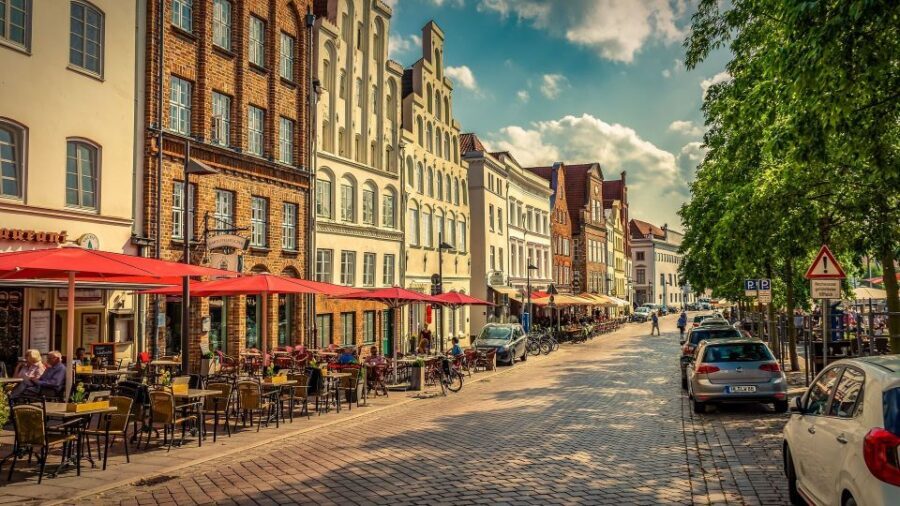
- UNESCO city core: cobbled streets and the skyline of churches, towers, and storehouses
- Buddenbrook House: the Thomas and Heinrich Mann connection
- St. Mary’s Church: third-largest brick Gothic church in Germany, plus a funny devil story
- Marzipan tasting: freshly baked samples and why the sweet matters in Lübeck
Why Lübeck’s brick-and-gate story works on a private 90-minute walk
Lübeck is the kind of place where the details do the talking. Brick churches, merchant homes, and fortifications don’t just look old—they explain how a trading city built its power and identity. On this tour, you don’t need a map with ten layers. You need a guide who can point out what’s relevant and make it stick.
I like how the route is planned around “anchors.” Holsten Gate sets the medieval defensive mood. Buddenbrook House connects the city to big German literature. St. Mary’s Church adds religious and civic meaning (and a very memorable character outside it). Then you finish with Lübeck’s Town Hall, another UNESCO touchstone that shows how trade wealth turned into civic pride.
You’ll also be walking through the kind of old-town setting that’s compact enough to feel rewarding fast. Ninety minutes is short enough that you won’t feel you “ate” the city and rushed away. It’s long enough that the stories build. If you’re the type who likes architecture but also wants context—economic, cultural, and human—you’ll get value without doing a full-day grind.
You can also read our reviews of more walking tours in Lubeck

Starting at Holsten Gate: the medieval fortifications built to mean freedom
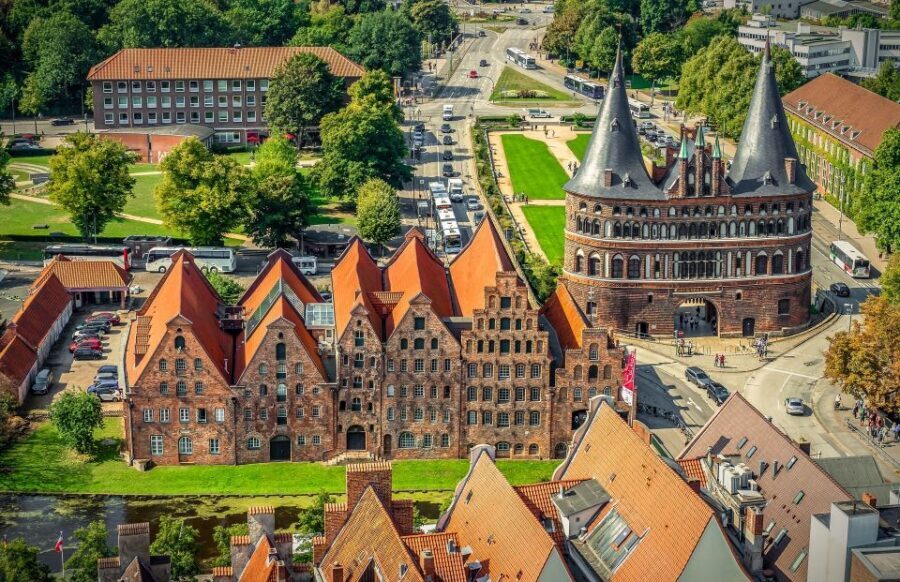
Meet your guide in front of Holsten Gate, near Museum Holstentor. This matters because Holsten Gate is where the city starts showing its big personality. Built in 1464, it’s one of the last surviving Gothic remnants of Lübeck’s medieval fortifications, and it’s also one of two remaining city gates.
The guide’s job here is to help you read the gate like a page, not a photo. You’ll learn what it symbolized when the city still relied on walls and controlled access. And since Lübeck is often called the City of Seven Spires, it helps to begin at the tall brick silhouette that anchors the skyline in your mind.
Practical tip: stand back long enough to take in the whole structure, not just the closest bricks. From the ground, it can look like “a big old gate.” With the story in your head, it becomes something else: an argument the city made about freedom and identity in late medieval times.
Panoramic views and merchant power on the way toward Buddenbrook House
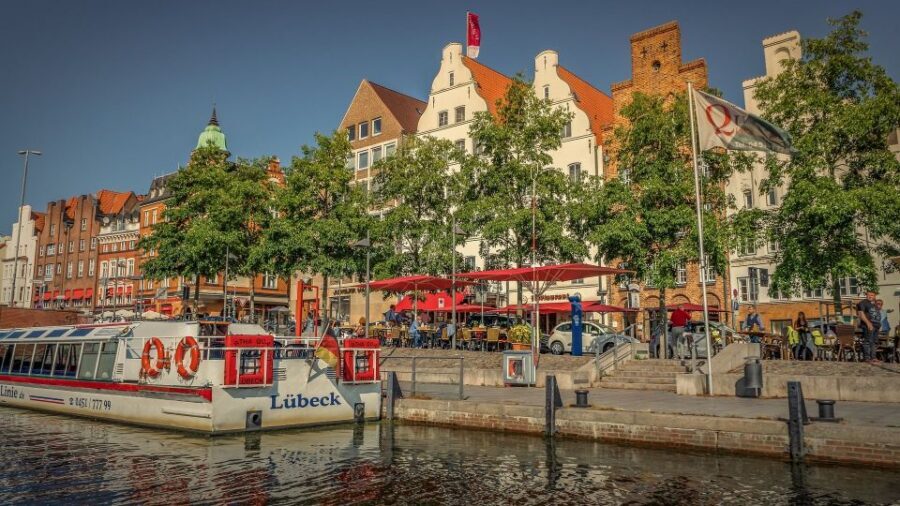
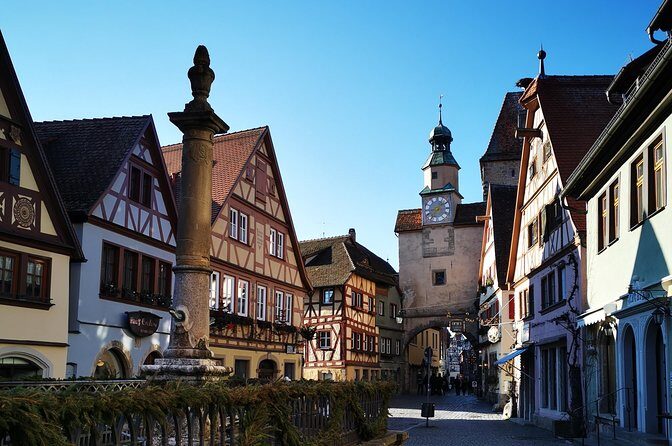
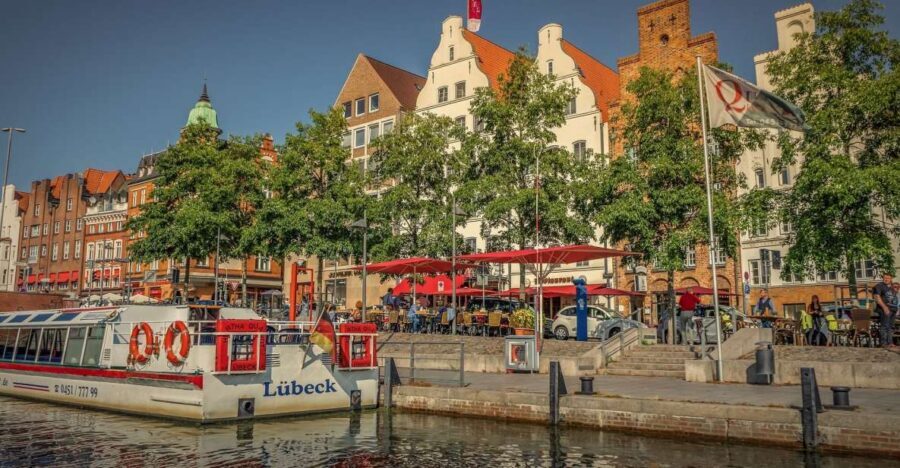
From Holsten Gate, the walking rhythm shifts from fortress to city life. As you move deeper into the historic core, you get panoramic views of Lübeck’s skyline—five churches are part of the visual mix, along with salt storehouses and luxurious brick homes.
Those merchant homes matter. In late 1700s Lübeck, wealthy traders invested in architecture that looked stable, powerful, and expensive. Your guide ties that look to the real engine behind it: trade routes along the Baltic Sea. You’ll hear how economics shaped what you’re seeing, from where money concentrated to how the city built and maintained its identity.
Then you’ll head to Buddenbrook House. This stop is for readers and history lovers alike. The guide connects Lübeck to Thomas Mann and Heinrich Mann, following their literary footsteps through a place tied to their stories. Even if you only know the names, this is where the tour stops being “just pretty buildings” and turns into culture you can locate on a street.
One consideration: Buddenbrook House time is part of a 90-minute experience, so don’t expect a long museum-style visit. The value is in the interpretation—how the location clicks into the bigger picture.
St. Mary’s Church and the little devil outside the church door
St. Mary’s Church is next, and it’s a serious sight. It’s the third largest brick Gothic church in Germany, so you’ll feel the scale fast. Brick Gothic is a Lübeck signature style, and this church shows how that style can be both sturdy and detailed.
Your guide brings the stop to life with a story tied to the church’s surroundings—specifically, a little devil figure that resides outside the church. It’s the kind of detail that tourists often miss because it’s easy to treat as “just decoration.” On this tour, you’ll learn why it matters and how such characters fit into the city’s mix of faith, everyday life, and local storytelling.
Here’s the practical reason I like this stop: it gives you a quick way to understand how buildings communicate. Churches aren’t only for worship. They were public landmarks, anchored community identity, and acted as a stage where serious ideas showed up with human flavor.
If you’re taking photos, pause for a moment before you shoot. You’ll want to frame the church with enough surroundings to show it as part of the street scene, not as an isolated monument.
Marzipan break at a traditional bakery: taste, then learn why it matters
Then comes the sweet part. You’ll stop at a traditional marzipan bakery for a taste test of different varieties of marzipan, with time to learn about its history while you eat.
Freshly baked marzipan on a walking tour is one of those small pleasures that changes how the tour feels. Before the first bite, marzipan can sound like a souvenir. After the tasting and story, it becomes a clue to the city’s food culture and how trade cities spread flavors and traditions.
This is also a nice reset from the architecture. Your feet keep moving, but your brain gets a break. And since the tour is short overall, having a food stop inside the route is a smart way to keep energy up and attention sharp.
What I’d watch for: go in ready to taste. If you’ve already had a big meal, you might not enjoy the variety as much. And if you’re sensitive to sweetness, try to pace yourself rather than rushing all the samples.
You can also read our reviews of more private tours in Lubeck
Lübeck Town Hall: the UNESCO finish that ties civic pride to trade wealth
To end, you’ll visit Lübeck’s Town Hall, known as one of the most beautiful town halls in Germany and part of the UNESCO World Heritage recognition.
This stop brings everything together. The earlier moments—Holsten Gate’s medieval symbolism, merchant homes, church prominence—point toward a city where wealth and community power mattered. The Town Hall is where you see the civic side of that story. This isn’t just trade and religion. It’s government, pride, and the confidence of a city that believed it could shape its future.
Even if you’re not a “town hall person,” this is a good closing note because it gives you a final image to remember. The tour ends with you feeling like you understand what the city does: it governs itself, honors its identity, and preserves its landmarks.
Price and who this private 90-minute walk is for
The price is $265 per group, for up to 15 people, and the tour lasts 90 minutes. That setup is unusual in a good way. Instead of thinking in per-person terms immediately, think in group terms: if you’re booking with others and your group fills toward the maximum, the cost per person drops sharply.
So who does this make sense for?
- Friends or small groups who want a guided walk without splitting into multiple groups.
- Architecture fans who like church Gothic details and brick city design.
- Literature and culture lovers interested in Thomas Mann and Heinrich Mann and how places connect to stories.
- Food people who want the marzipan tasting as part of the history lesson, not as an afterthought.
If you’re traveling solo, it can still be worth it when you want a private guide voice guiding you through the tight, walkable old town. Just know you’re paying for the private format, not a bargain group price.
What to wear, where to meet, and how to get the most from the route
This tour is built for walking. Wear comfortable shoes and clothes you can move in. Lübeck’s old streets can be uneven, and you’ll want grip and stability so the focus stays on the sights—not on your footing.
Meet your guide in front of Holsten Gate near Museum Holstentor. It’s worth arriving a few minutes early so you don’t spend the first minutes trying to locate the meeting point. One small hint from real-world experience: guides can sometimes be hard to identify if you show up with no plan. If you’re booking, check for any specific instructions you might receive and be ready to confirm you’re meeting the right person.
Because entry tickets aren’t included, don’t treat every stop like it guarantees an inside visit. The strength here is the walking and explanation. If you’re the type who loves stepping into every building, you might want to pair this with additional ticketed stops on your own later.
Should you book this tour?
I’d book it if you want a guided Lübeck overview that feels personal. The tour hits the key pillars—Holsten Gate, skyline views shaped by merchant wealth, Buddenbrook House with Thomas and Heinrich Mann, St. Mary’s Church with the little devil story, a marzipan tasting at a traditional bakery, and the Town Hall finish at UNESCO level. That’s a lot of meaning packed into 90 minutes.
Skip it only if you hate walking, have mobility limits, or want a ticket-heavy museum experience. This is a streets-and-stories format. When that matches your style, it’s a smart, efficient way to understand why Lübeck still matters.
FAQ
How long is the Lübeck private historical and architectural walking tour?
It lasts 90 minutes.
How much does the tour cost?
The price is $265 per group, up to 15 people.
Where do we meet the guide?
Meet in front of Holsten Gate near Museum Holstentor.
Is this tour private?
Yes, it’s a private group tour.
What languages are the guides available in?
The live guide is available in German and English.
What are the main stops on the walk?
The tour includes Holsten Gate, Buddenbrook House, St. Mary’s Church, a traditional marzipan bakery, and Lübeck’s Town Hall.
Is marzipan tasting included?
Yes. Marzipan is part of the experience, including a taste test of different varieties.
Are entry tickets included?
No. Entry tickets are not included.
Can I cancel for a full refund?
Yes. You can cancel up to 24 hours in advance for a full refund.
Is the tour suitable for wheelchair users or mobility impairments?
No. It’s not suitable for people with mobility impairments or wheelchair users.