REVIEW · LUBECK
Lübeck: Old Town Highlights Private Walking Tour
Book on GetYourGuide →Operated by Rosotravel Germany · Bookable on GetYourGuide
Seven towers and salt warehouses set the tone. This private walking tour is built for getting your bearings fast in Lübeck, the City of Seven Towers, with expert context as you move through the Old Town on its small island. I especially liked how the route connects Lübeck Cathedral and Holstentor into one smooth, story-driven walk.
Two things I’d repeat in a heartbeat: the church stops are genuinely worth your time, and the guide keeps it personal. In particular, St. Jakobi Church is a standout for its organ focus and its marine character details, and the private format means you can ask questions without feeling rushed.
One consideration: the tour runs in German. If you don’t speak much German, you’ll want to plan for slower pacing and rely more on visual cues.
In This Review
- Key highlights to look for
- Lübeck’s seven-tower Old Town in a single loop
- What your private licensed guide actually adds
- Holstentor and the city walls: merchant power on defense mode
- Salt warehouses, Rathaus, and the riverfront-to-bridge walk
- Churches you won’t rush: St. Peter’s and St. Jakobi organs
- Marienkirche and Lübeck Cathedral: clocks, legends, and church interiors
- What the 4-hour Holstentor exhibition adds
- Price and value for a private walking tour in Lübeck
- Should you book this Lübeck tour?
- FAQ
- What is the duration of this Lübeck walking tour?
- What does the 2-hour option cover?
- What extra access do I get on the 3-hour option?
- What’s included only on the 4-hour option?
- Is the tour private?
- Does hotel pickup work from any hotel in Lübeck?
Key highlights to look for
- A licensed guide who keeps the walk coherent: you’re not just passing sights, you’re getting the logic behind them.
- Defense walls plus Holstentor: you’ll see why this city could hold its own in the Baltic.
- Riverside salt warehouses from the 1500s: a quick reality check on what powered local wealth.
- St. Jakobi Church and its organ details: expect a stop with real visual-and-sound energy.
- Marienkirche (interior only on longer options): you’ll learn the turbulent story and see major features like the Astronomical Clock.
- Private group pacing: your family and friends set the rhythm, and the program can adapt to your preferences.
Lübeck’s seven-tower Old Town in a single loop
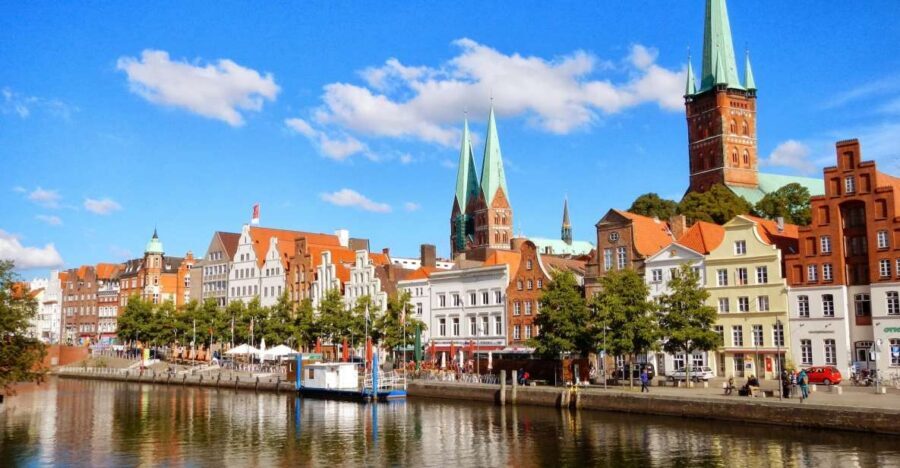
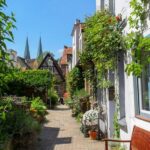
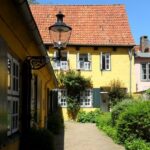
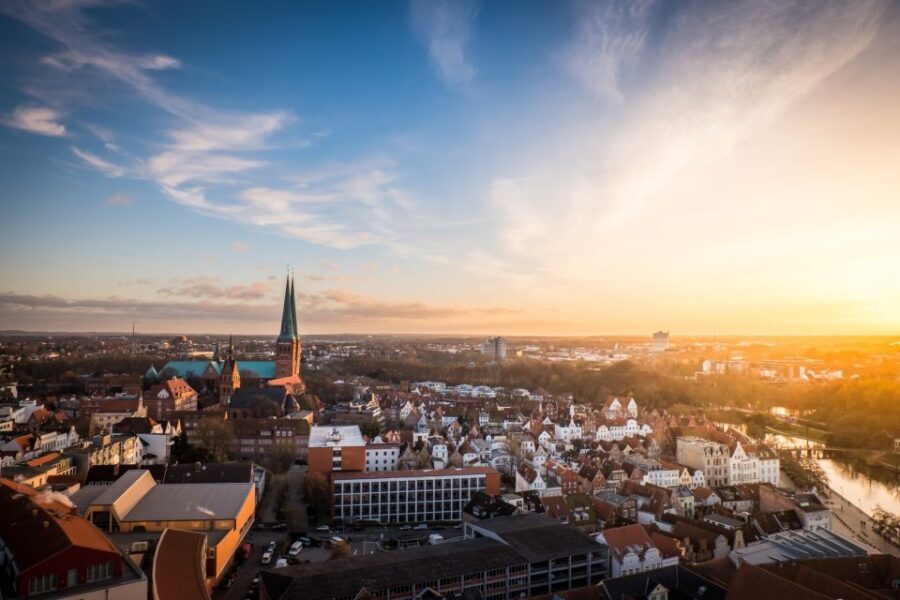
Lübeck feels tailor-made for walking. Old Town sits on a small island, and you move mostly on foot between major churches, historic civic buildings, and pieces of the city’s defensive system. The best part is that the tour doesn’t treat these as random landmarks; it strings them together so you start to understand how the city functioned—merchant life on one side, defense on the other.
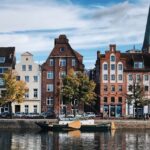
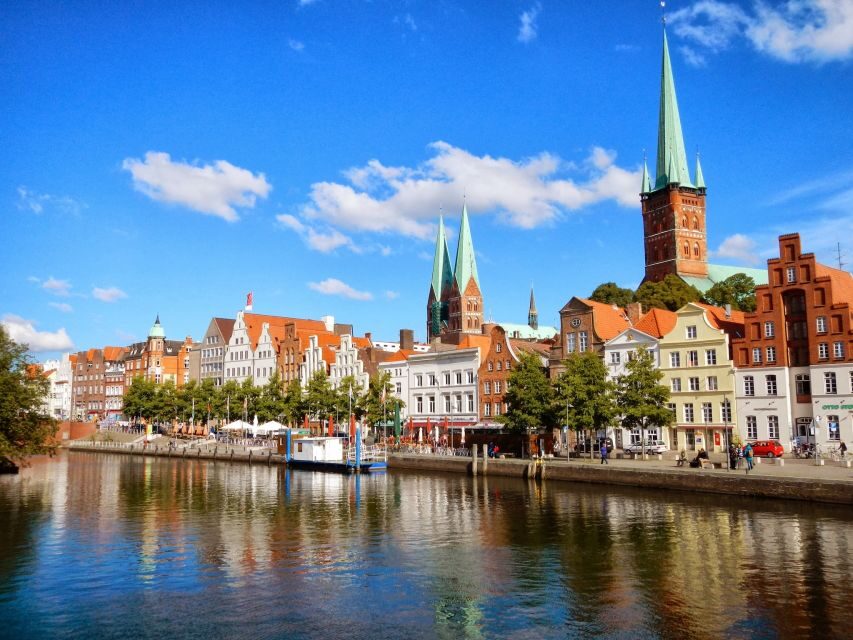
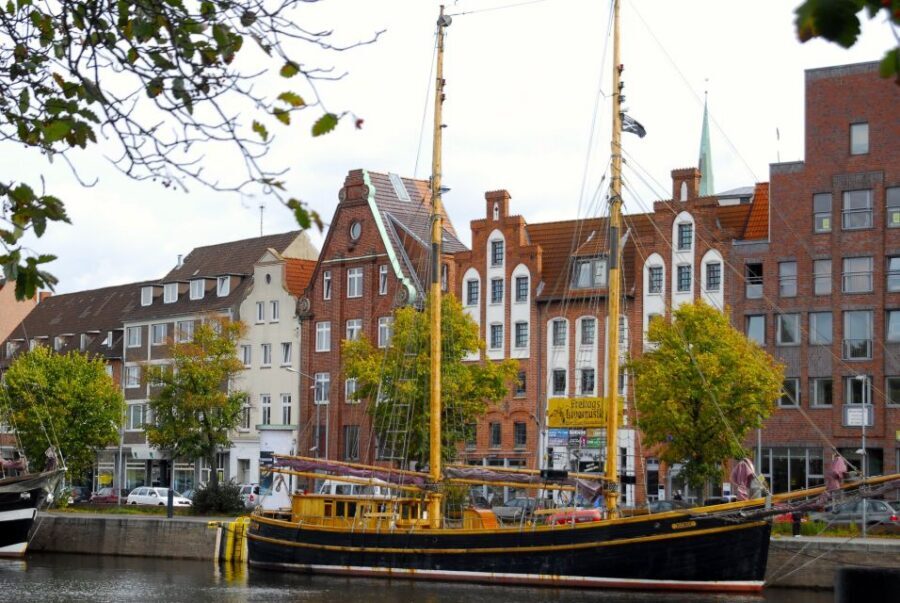
I also like that the walk keeps throwing you visual “clues.” You pass along the row of riverside salt warehouses dating to the 16th century, then you transition toward the monumental civic and sacred buildings. Even if you’re not a hardcore architecture person, you’ll get a clearer sense of how Lübeck became important in the Baltic region.
This tour is also a good fit if you want culture beyond buildings. You’ll learn local history and hear traditions and customs of Germans that help the places make more sense once you’re standing right there, looking up at towers and stonework.
You can also read our reviews of more walking tours in Lubeck

What your private licensed guide actually adds

A private walking tour only works when the guide does real work. Here, you’re with a licensed guide who talks through history, customs, and what you’re seeing as you go. That’s why the tour feels more like a guided conversation than a checklist.
One name to watch for is Christel Obenaus, who’s been praised for making the city tour extremely interesting. Even if you don’t get her specifically, the lesson stays the same: you’ll want a guide who can connect Lübeck’s power as an empire-free city to the things you can see today—walls, gates, churches, and civic pride.
Another practical advantage: the program is adapted to your group’s preferences. If your family wants more time at a church detail, or you’d rather focus on defensive architecture and less on other stops, the guide can flex within the overall route.
Quick heads-up: the guide is German. If you’re traveling with kids or someone who doesn’t follow German well, you may want to request a slower pace where needed.
Holstentor and the city walls: merchant power on defense mode
In Lübeck, defense isn’t a side note—it’s part of the identity. On the shorter options, you’ll spend time around the strong defense city walls and towers and you’ll specifically go to the famous Holstentor area. The point is to show how the city protected its trade routes and wealth, long before “globalization” had a trendy name.
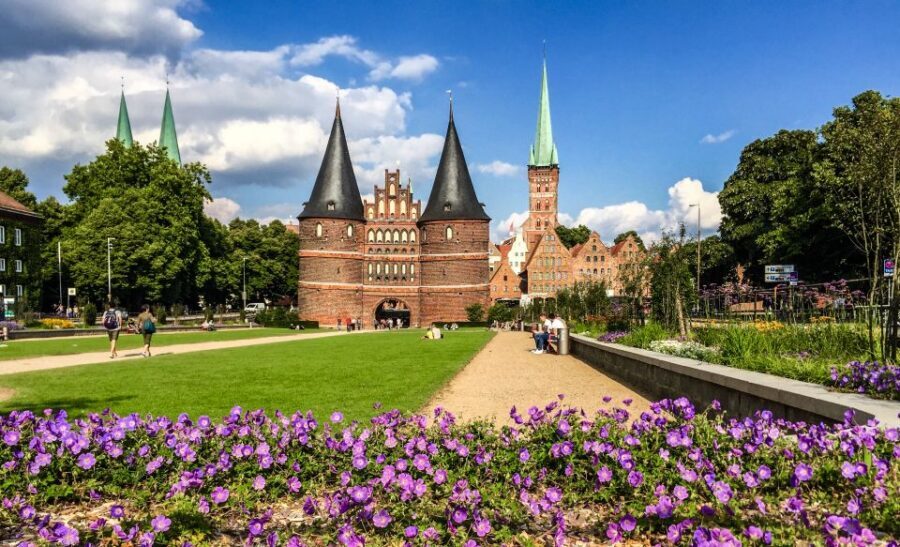
Holstentor is worth it because it’s not just a pretty gate. It’s tied to Lübeck’s proud status as an empire-free city and to its supremacy in the Baltic Sea region. When you’re standing there, it helps to have someone explain the Middle Ages logic: if your city depends on long-distance merchants, your gate and walls have to do more than look impressive.
You’ll also notice how the tour uses these defensive stops to shape your whole mental map of Lübeck. After this segment, the rest of the walk—rathaus buildings, churches, and riverfront architecture—starts to read like a system, not isolated sights.
Salt warehouses, Rathaus, and the riverfront-to-bridge walk
One reason I like this tour’s pacing is that it alternates between “work and money” and “belief and authority.” You pass a row of riverside salt warehouses from the 1500s, which grounds the city’s story in something practical: trade that paid for buildings and institutions. Then you shift toward the civic center, where the Rathaus (town hall) communicates power in stone.
From there, you move through the picturesque Old Town setting and end up at a historic bridge stop: Drehbrücke. A bridge makes a nice closing beat because it’s where the city’s geometry becomes visible. You get to look across the river setting and notice how the Old Town’s island layout shapes daily life.
This whole stretch is also a good “energy reset.” Churches can be heavy in mood and detail, but the riverfront and civic buildings keep the walk moving. If you’re traveling with mixed ages, this helps keep everyone interested without turning it into a lecture.
Churches you won’t rush: St. Peter’s and St. Jakobi organs
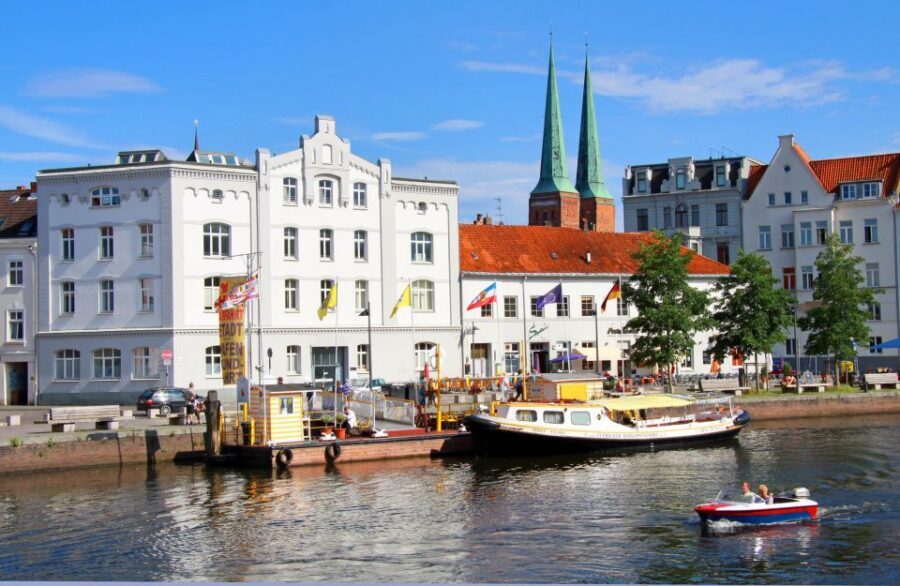
Lübeck is church country, and this tour uses that to your advantage. You’ll see multiple major churches during the walk, including St. Peter’s Church and St. Jakobi Church.
At St. Peter’s Church, the focus is on the stunning tower and the viewpoint vibe around it. There’s also an optional observation tower entrance fee listed at 3 EUR, so if you like a good “look back at the city” moment, you can add that without locking yourself into extra time. (If your group is tired, skipping the optional stop is totally fine.)
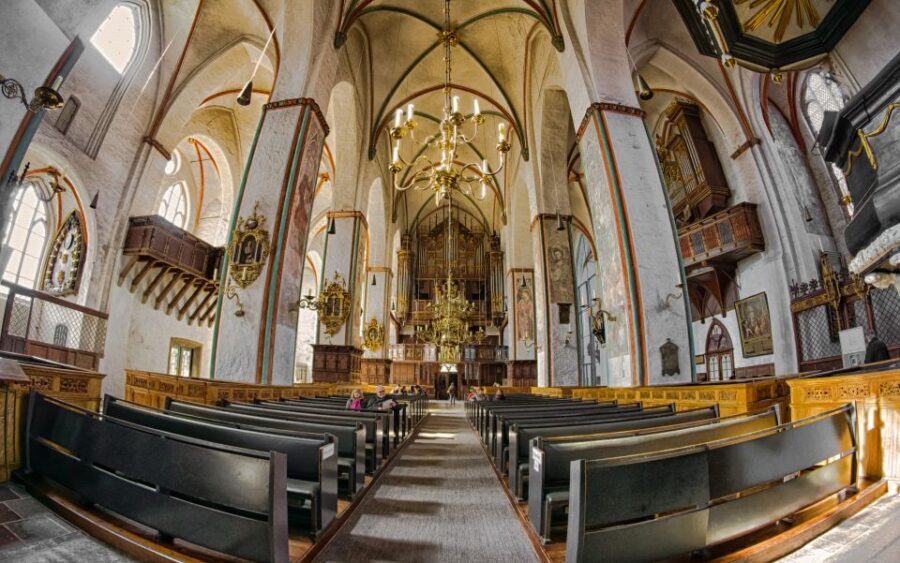
Then comes St. Jakobi Church, where the standout is the organ and the church’s detailed marine character. I like this stop because it feels different from the other churches on the route. Instead of only chasing grand scale, you get to focus on the details—how the marine identity connects to a seafaring city.
One small timing note: St. Jakobi is included as a visit in the tour framework, so even on shorter options you’re getting a meaningful church moment, not just an exterior photo stop.
You can also read our reviews of more private tours in Lubeck
Marienkirche and Lübeck Cathedral: clocks, legends, and church interiors
If you choose the 2-hour option, you’ll still learn the background of St. Mary’s Church (Marienkirche) and hear about its turbulent history and a fascinating legend connected to the place. That’s useful even without entering, because you’re primed for what you’ll notice when you look at it.
If you book the 3- or 4-hour version, you get the interior visit with an entrance ticket to St. Mary’s Church. This is when the stop turns from story to spectacle. The Astronomical Clock is highlighted, and you’ll also see medieval paintings and sculptures that were discovered after war bombing. That’s the kind of fact that changes how you look at church artwork: it stops being decoration and becomes evidence of survival and repair.
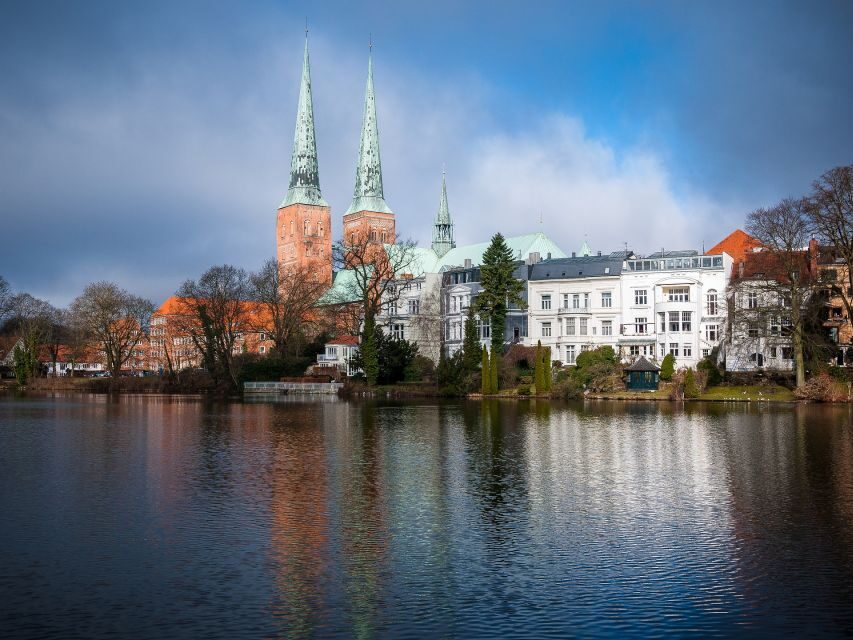
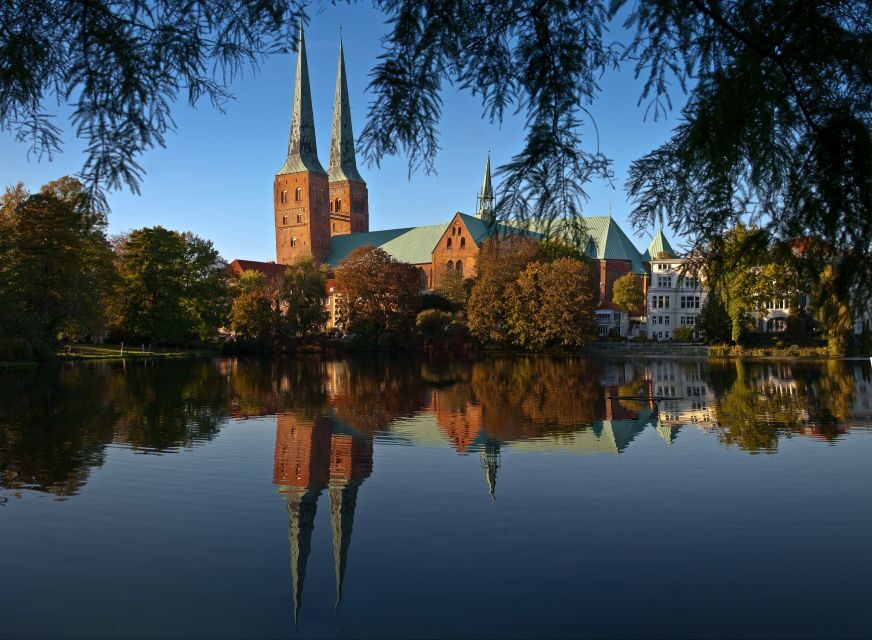
The longer options also build in Lübeck Cathedral, where you’ll hear about unique historic clocks and see sacred art within chapels. The cathedral adds a different scale of monumentality compared with the other churches. It’s a strong choice if you like places that feel curated by time—where details can take a while to absorb.
If you’re trying to pick an option level, think of it like this: the shorter tour helps you understand the city’s structure and stories. The longer tour gives you more time inside to actually see the major features that those stories point to.
What the 4-hour Holstentor exhibition adds
On the 4-hour option, you don’t just pass Holstentor—you enter it. The exhibition brings the gate to life by explaining the long-distance merchant world, the city’s topography and architecture, and how seafaring, market events, and law worked in the Middle Ages.
This is valuable if you want “connective tissue.” You’ll already understand Holstentor’s role as a symbol of Lübeck’s empire-free pride, but the exhibition adds the practical layer: who used these spaces, why trade mattered, and how governance and commerce intertwined.
If you’re the type who likes to leave a landmark knowing the why, not just the wow, this extra entrance time is a good use of your day.
Price and value for a private walking tour in Lübeck
The price is $174 per person, and private tours like this are one of those purchases that makes sense when your group gets real benefit from a licensed guide. Here, that benefit isn’t only storytelling—it’s access and time efficiency.
What you get depends on the option length:
- A focused walk with key churches plus stops like St. Jakobi and Holstentor exposure on shorter durations.
- For 3 and 4 hours, entrance ticket access to St. Mary’s Church.
- For 4 hours, entrance ticket access to Holstentor itself.
- An optional 3 EUR add-on for the St. Peter’s observation tower (if you want extra views).
So the “value math” is less about ticket savings and more about buying a guided route that hits the best-known sites plus contextual details you’re unlikely to piece together on your own. Also, you’ll get tips about local restaurants, patisserie, and pubs, which is handy when you want to eat like a local rather than guess.
The main trade-off is language: the tour is German. If that’s a challenge for your group, you might still enjoy the visual side, but the full payoff is best when you can follow the guide’s explanations.
Should you book this Lübeck tour?
Book it if you want a private, efficient way to understand Lübeck’s Old Town and you care about more than photos. The mix of defensive architecture, merchant-era detail (salt warehouses), and church-focused stops makes the walk feel like a real timeline instead of a random sightseeing loop.
I’d skip or rethink it if German is a deal-breaker for your group, or if you prefer unguided exploring with lots of unstructured wandering. Otherwise, this is a strong way to see the city’s big symbols—Holstentor, major churches like Marienkirche and Lübeck Cathedral, plus the organ-centered St. Jakobi—with a guide who can translate what you’re looking at into something you’ll actually remember.
One last practical tip: check your email the day before the tour. That’s where important information is sent.
FAQ
What is the duration of this Lübeck walking tour?
It runs for 2 to 4 hours, depending on the option you choose. Starting times vary, so you’ll need to check availability.
What does the 2-hour option cover?
The shorter tour focuses on highlights across Old Town, including defense walls and towers (with Holstentor in the mix), a row of riverside salt warehouses from the 16th century, stops at St. Peter’s Church and Rathaus, time around St. Mary’s Church, a visit to St. Jakobi Church for the organ details, and an end at Drehbrücke.
What extra access do I get on the 3-hour option?
With the 3-hour option, you add an entrance ticket to St. Mary’s Church (Marienkirche), so you can spend more time seeing the church interior features.
What’s included only on the 4-hour option?
With the 4-hour option, you get an entrance ticket to Holstentor for the exhibition, plus additional time to expand the overall experience.
Is the tour private?
Yes. It’s a private group experience for your family and friends, led by a licensed guide.
Does hotel pickup work from any hotel in Lübeck?
Pickup is included only for hotels in Lübeck Old Town. If your hotel is outside that area, pickup is not included.