REVIEW · LUBECK
Lübeck: Hanseatic League History Walking Tour
Book on GetYourGuide →Operated by Hamburg Tours · Bookable on GetYourGuide
Lübeck’s Hanseatic story hits fast. In a short 90 minutes, you start at the Holsten Gate and move through streets, salt storehouses, and harbor views that explain how merchant power shaped this part of Northern Europe. I love how the tour makes the big idea of the Hanseatic League feel concrete, not academic, and I also like the chance to see everyday Lübeck details like stepped-gable facades and cozy backyards. One possible drawback: there’s a lot packed in, so if you want lots of quiet time at each landmark, you may feel a bit rushed.
What really made this work for me is the guide energy and the way they tailor the walk to the group. Guides like Bernd and Karin (and English-speaking Chris) clearly enjoy teaching, and they can squeeze surprising amounts of context into a route that still feels like a walk, not a lecture. If you’re sensitive to fast walking, I’d plan on keeping pace for most of the tour so you don’t miss the key stops.
In This Review
- Hanseatic Power in 90 Minutes: The Big Idea You’ll Actually Get
- What You’ll See, Stop by Stop (and What It Means)
- Holsten Gate to Holstentor Wall Passage: The Start of the Trade Story
- Salt Storehouses and Trave Harbour: Where Commerce Leaves Traces
- Große Petersgrube: Old Brick, Stepped Gables, and the Rhythm of Narrow Streets
- St. Mary’s Church: A Hanseatic Model in Baltic Space
- Buddenbrook House: Merchants as Characters, Not Concepts
- Schiffergesellschaft Guild Hall: Sailors’ Stops and City Identity
- Hospital of the Holy Spirit: Ending With Courtyards That Feel Alive
- The Guides: Why This Walk Works Better Than a Self-Guided Loop
- Price and Value: What $259 Per Group Buys You
- Who This Tour Suits (and Who Might Want to Skip)
- Practical Tips to Get the Most Out of Your 90 Minutes
- Should You Book Lübeck’s Hanseatic League History Walking Tour?
- FAQ
- Where do I meet the tour guide?
- How long is the Lübeck Hanseatic League History Walking Tour?
- Is this a private tour, and how large is the group?
- What languages are offered?
- What is included in the price?
- Are food and drinks included?
- What’s the starting and ending area like?
- Is there free cancellation?
Hanseatic Power in 90 Minutes: The Big Idea You’ll Actually Get
This isn’t just a checklist of old buildings. The whole point is to understand how the Hanseatic League grew—from merchant guild connections into a confederation of cities—and why Lübeck mattered as a trade hub. You’re going to see the places where that system showed up in real life: fortification gates, storehouses, guild halls, and the churches that helped spread shared building styles.
The timing is part of the value. Ninety minutes is long enough to build a story arc, but short enough that you can still explore on your own after. You finish near the Hospital of the Holy Spirit, which is a great spot to slow down and poke around romantic backyards with a fresh sense of what you’ve been seeing.
What You’ll See, Stop by Stop (and What It Means)
You can also read our reviews of more walking tours in Lubeck

Holsten Gate to Holstentor Wall Passage: The Start of the Trade Story
You meet at the Holsten Gate and begin with Lübeck’s role as a city that protected its wealth and access routes. From here, the walk quickly links fortifications to trade reality—why the city cared about controlling movement and defending valuable connections.
This gate is more than a photo moment. It sets the tone for the whole tour: Lübeck wasn’t only about pretty old streets; it was about merchants, shipping, and networks that needed security. Even if you’ve only heard the Hanseatic League as a name, you’ll start to see it as a living system tied to walls, gateways, and controlled access.
Good to know: the tour moves early into the historic core, so come ready for uneven old-town ground and keep an eye on where your feet land.
Salt Storehouses and Trave Harbour: Where Commerce Leaves Traces
Next you’ll pass the salt storehouses and head toward the Trave Harbour. Salt mattered historically because it helped preserve food and supported long-distance trade. In a city like Lübeck, storage wasn’t glamorous, but it was essential—and that’s exactly what makes these stops useful.
Harbor views help you connect the dots between city life and maritime trade. You’re not just being told that ships mattered; you’re walking in the directions that supported shipping and supply chains.
If you like history that feels practical—how trade worked, where goods sat, why locations mattered—these sections are where the tour earns its time.
Große Petersgrube: Old Brick, Stepped Gables, and the Rhythm of Narrow Streets
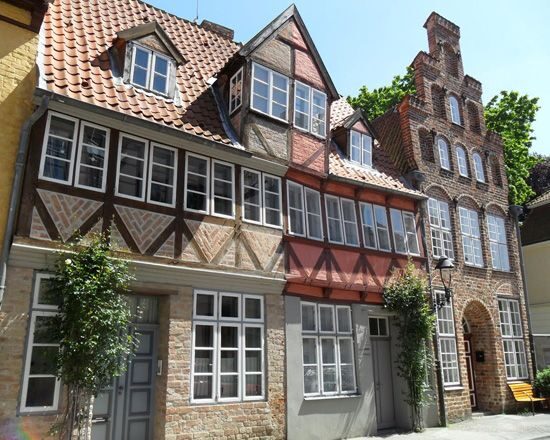
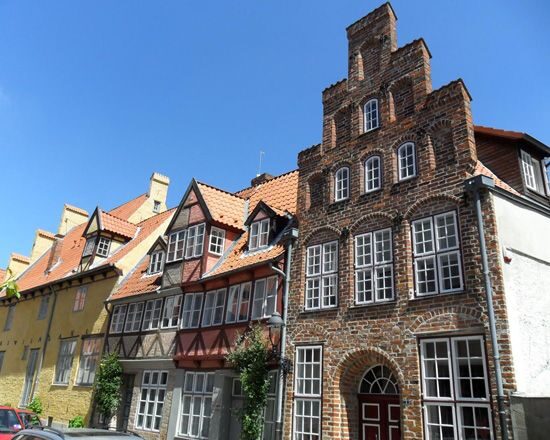
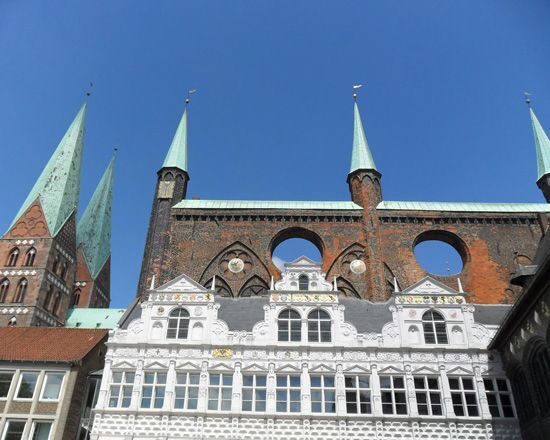
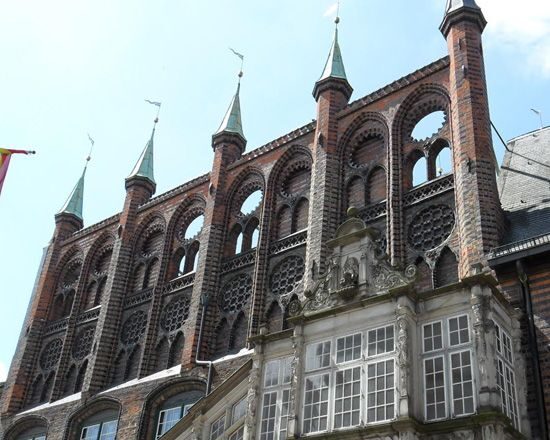
Then comes Große Petersgrube, one of Lübeck’s oldest streets, known for old brick and stepped-gable buildings. This is where you start noticing the visual language of the city: the shapes, the textures, and the tight spacing that makes the old town feel human-scaled.
For me, this is one of the best parts of the walk because it slows you down just enough to see architecture as a clue. When you recognize stepped gables and the look of traditional façades, Lübeck stops being a blur of tourism photos and becomes a place with recognizable patterns.
It also helps you prepare for what you’ll see at the churches and guild sites later—because the Hanseatic look and feel weren’t random. They traveled through shared tastes and building traditions.
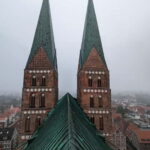
St. Mary’s Church: A Hanseatic Model in Baltic Space
You’ll see St. Mary’s Church, and the tour explains that it served as a model for numerous churches in Hanseatic cities across the Baltic region. That detail matters. It turns a local landmark into something bigger than Lübeck itself.
Instead of treating the church as only religious space, you’ll understand it as a cultural export. Shared models can spread through trade relationships because people move, ideas move, and building knowledge moves.
This is also a good stop for questions. If you want to learn why Northern European cities began to look similar, this is where it clicks.




Buddenbrook House: Merchants as Characters, Not Concepts
Next is the Buddenbrook House of the Mann family. This stop brings the human side to merchant history. It helps you picture the people connected to Lübeck’s prosperity—families tied to commerce, status, and long-term networks.
Even if you’re only casually aware of the Buddenbrooks connection, the tour frames this kind of house as part of what trade created: wealth, influence, and the social structures that grew around merchant life. It’s not just a pretty façade. It’s a window into the kind of families who benefited from the system.
Schiffergesellschaft Guild Hall: Sailors’ Stops and City Identity
As you continue, you’ll reach the Schiffergesellschaft guild hall, associated with the sailors of the Hanseatic League. Guild halls like this were practical hubs where members of particular trades gathered, shared news, and supported the community behind shipping.
What I like here is how the tour makes maritime labor feel connected to civic life. The sailors weren’t floating around anonymously; they had organizations, places, and rhythms tied to the city.
If you care about how trades organized themselves, this stop is a highlight.
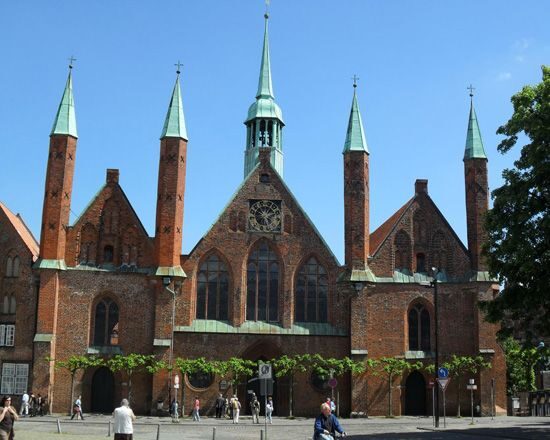
Hospital of the Holy Spirit: Ending With Courtyards That Feel Alive
The tour finishes at the Hospital of the Holy Spirit, one of Lübeck’s oldest social institutions. The best part is that you can take a look into one or two romantic backyards, which turn the end of the tour into a gentle reset.
This ending also adds balance. The Hanseatic League is about trade, but it’s also about what cities built to support people—social structures and long-term care. Ending near backyards makes the last moments feel calm, reflective, and very Lübeck.
The Guides: Why This Walk Works Better Than a Self-Guided Loop
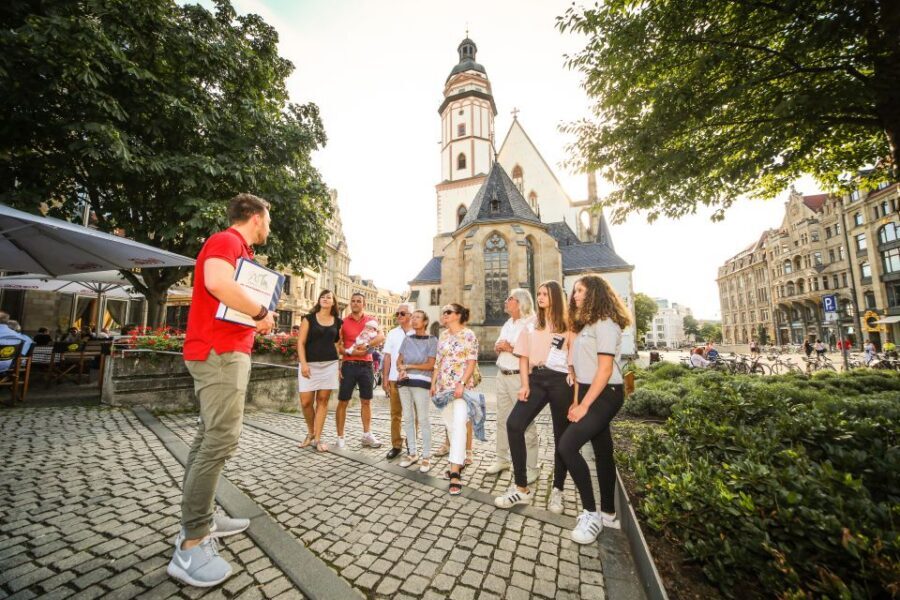
This tour’s main edge is the guide. The route is compact, so the difference between a generic walk and a strong guided experience is huge.
In particular, guides like Bernd come across as walking context without getting heavy. One thing I appreciated: the ability to adapt to what the group wants to see. When a guide responds to interests like courtyards, it changes how you experience the city, because you’re not just receiving facts—you’re being guided toward the parts that match your curiosity.
Karin also stood out for explaining a lot while keeping the mood friendly and energetic. And Chris made it easy to learn a lot about Lübeck in a short time. That’s a real skill: compressing a city’s story into ninety minutes without making it feel like you’re rushing through history.
If you want a guide who can connect architecture to trade systems—rather than just naming landmarks—this tour is built for you.
Price and Value: What $259 Per Group Buys You
The price is $259 per group up to 6, and the duration is 90 minutes. That matters because you’re not paying per person. If you travel with a small group, the per-person value can be pretty reasonable for what you get: a professional city guide and a structured route that hits key Hanseatic sites, not just random streets.
Also, the format is a private group. That’s underrated value in old towns. You can stop when something catches your eye, ask questions without waiting for a crowd, and adjust walking pace if needed.
You’re still paying for a guide-driven experience, though, so if you’re the type who prefers a map, some guidebook reading, and total freedom, you might skip the tour. But if you want the story tied to the streets, the price starts to make sense quickly.
Who This Tour Suits (and Who Might Want to Skip)
This walk is a great fit if you:
- want to understand the Hanseatic League through real locations in Lübeck
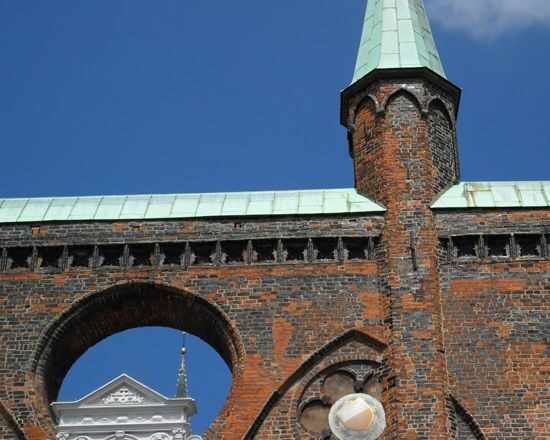
- enjoy architecture details like stepped gables and brickwork
- like short tours that still feel meaningful
- travel in a small group and want a private guide who can respond to your interests
You might reconsider if you:
- hate walking for ninety minutes without long breaks
- prefer deep museum time over city-core storytelling
- need lots of inside-entry stops (this walk focuses more on the street-and-landmark experience)
Practical Tips to Get the Most Out of Your 90 Minutes
- Wear comfortable shoes. Old town streets aren’t designed for sneakers with fragile soles.
- Plan to arrive a little early at the meeting point near Holsten Gate so you can settle before the guide starts.
- Bring questions. Ask how the trade network changed over centuries, or why certain building styles spread.
- After the tour, keep your eyes open. The visit ends near the Hospital of the Holy Spirit, but the real payoff is that you’ll start noticing Hanseatic patterns across the city afterward.
If you like to turn your walking tour into a mini self-guided quest, this one sets you up well: once you understand the role of ports, storehouses, and guild spaces, you’ll see the city differently while you keep exploring.
Should You Book Lübeck’s Hanseatic League History Walking Tour?
I think it’s worth booking if you want a fast, focused way to grasp the Hanseatic League and Lübeck’s role in it—without getting lost in facts or hopping between far-flung sites. The structure is tight, the landmarks are the right mix, and the guide experience is clearly the engine that makes it all click.
It’s also a strong choice for small groups. With private pacing up to six people, you’re more likely to get your questions answered and to spend time where your interests lie—whether that’s backyards, guild stories, or the visual details of the old town.
FAQ
Where do I meet the tour guide?
Please meet your tour guide at the Holsten Gate.
How long is the Lübeck Hanseatic League History Walking Tour?
The tour lasts 90 minutes.
Is this a private tour, and how large is the group?
It’s a private group with a group size up to 6.
What languages are offered?
The live tour guide is available in German and English.
What is included in the price?
The tour includes a professional city guide.
Are food and drinks included?
No. Food and drinks are not included.
What’s the starting and ending area like?
You start near the Holsten Gate and finish at the Hospital of the Holy Spirit, where you can take a look into one or two romantic backyards.
Is there free cancellation?
Yes. You can cancel up to 24 hours in advance for a full refund.