REVIEW · LUBECK
Lübeck: Classic Tour of the Hanseatic City
Book on GetYourGuide →Operated by Hamburg Tours · Bookable on GetYourGuide
One place on Earth feels like a postcard you can walk through: Lübeck’s Hanseatic old town. This private classic tour ties together the city’s medieval trade power, the UNESCO status since 1987, and the famous brick landmarks into one easy 90-minute loop. I especially liked the Holstentor start (simple to find, instantly meaningful) and the way the guide connects the Kaufmannshäuser merchant houses to what Lübeck was really trading and building. One possible drawback: with only 90 minutes, you’ll get a strong overview, not a slow, sit-down deep study of any single church or street.
The tour is built for people who like architecture, street-level details, and clear storytelling. You’ll hear about Lübeck’s Baltic Sea role, its five-spire skyline, and the little characters tucked into the streets, like the Teufelchen. Since it’s a private group capped at up to 6, it’s a good fit when you want questions answered in real time, but you should still expect a walking pace that feels like sightseeing, not lingering.
In This Review
- Key Highlights You’ll Actually Care About
- Entering Lübeck’s Old Town Through Its Trade Logic
- Holstentor Start: The Gateway That Sets the Tone
- Salzspeicherhäuser and the Port Story: Brick Warehouses With Meaning
- Lübeck Town Hall: Where Hanseatic Power Looked Official
- Teufelchen and St. Mary’s Church: The Skyline Gets Personal
- Kaufmannshäuser and Decorated Houses Near Buddenbrook-Haus
- Pace, Time Budget, and What 90 Minutes Covers
- Price and Value: $259 for a Small Private Group
- Guide Quality in English or German (and How to Get the Most)
- What Type of Traveler Will Enjoy This Most
- Should You Book the Lübeck Classic Hanseatic City Tour?
- FAQ
- How long is the Lübeck Classic Tour of the Hanseatic City?
- Where do I meet the guide?
- What is the tour price?
- Is the tour private?
- What does the tour include?
- What is not included?
- What languages are offered?
- Are there any cancellation options?
- Can I reserve without paying right away?
- Are there food stops during the 90 minutes?
Key Highlights You’ll Actually Care About
- Holstentor first: start right at the Holsten Gate, so your bearings click immediately
- Five-church skyline: see how Lübeck’s skyline is planned around churches
- Salt warehouses & port past: the story of trade comes through in brick and layout
- Hanseatic town hall: you’ll learn why this building mattered in the old merchant world
- Teufelchen moment: a small stop that adds personality and local lore
- Buddenbrook-Haus area: decorated streets and merchant-house façades close the loop
Entering Lübeck’s Old Town Through Its Trade Logic
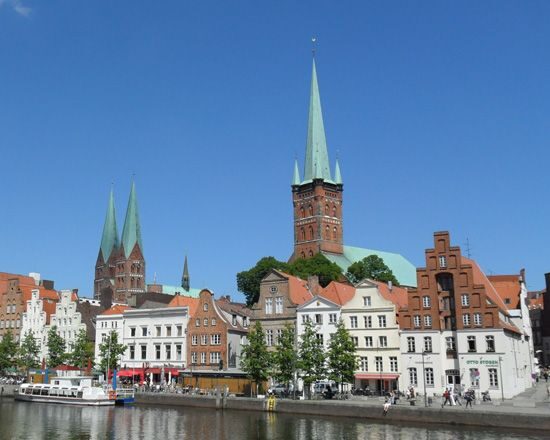
Lübeck is one of those northern German cities where the street plan and the buildings still tell you how people lived and worked. The tour focuses on that cause-and-effect: this port city made money on the Baltic Sea, and the merchants poured that money into brick churches and merchant houses. That’s why the walk feels coherent instead of like a random list of sights.
I like that you get the UNESCO context without it turning into trivia. The city’s first German World Heritage listing in 1987 isn’t just a badge; it explains why Lübeck still looks like a connected medieval whole. You’ll also get the nickname City of Seven Spires, and you’ll see what’s behind it as you move through the core.
If churches aren’t your main interest, you can still enjoy the skyline angles, the exterior views, and the way the guide links each religious landmark to the broader merchant city. If you do love churches, you’ll appreciate how your guide keeps them in the same story, not as separate photo stops.
You can also read our reviews of more city tours in Lubeck

Holstentor Start: The Gateway That Sets the Tone
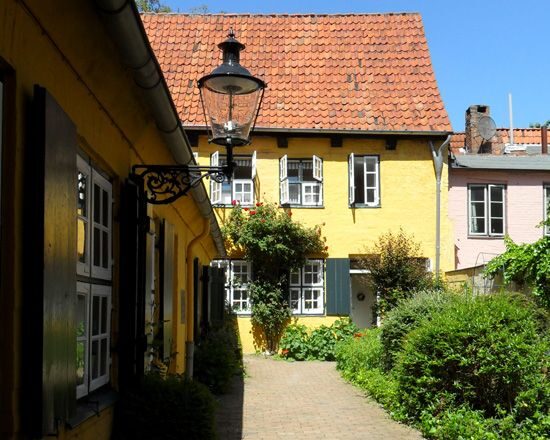
Your tour begins right at the Holstentor, the famous Holsten Gate. Starting here matters because it’s not just a pretty landmark; it’s a symbol of protection, status, and controlled access in a trading city. In other words, you’re starting where Lübeck’s old power was physically felt.
From this point, your guide frames what you’re about to see: Lübeck’s medieval character, the architecture that stayed cohesive over time, and the way the city’s institutions and merchants shaped the built environment. You’ll also get a quick sense of direction for the rest of the walk, so you don’t spend the first ten minutes trying to figure out where you are.
Tip that helps: wear shoes you trust. Even in 90 minutes, Lübeck’s old streets include cobbles and small turns, and you’ll want both comfort and balance for photos. The tour is short, so you’ll feel every step.
Salzspeicherhäuser and the Port Story: Brick Warehouses With Meaning
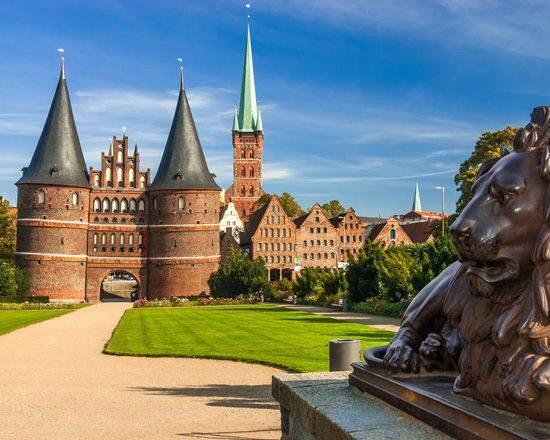
Next, you continue toward the Salzspeicherhäusern, the salt storage houses. This is where Lübeck’s trade story stops being abstract and becomes visible in architecture. These buildings represent how a Baltic Sea city stored valuable goods and managed commerce at scale.
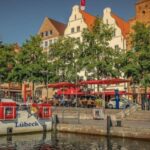
A port past can feel generic in other cities, but here it connects to the rest of the old town. As you pass the area connected to the former industrial heart and the Port of Lübeck, the guide’s stories help you understand why the merchant world looked the way it did. You’re learning the city’s “why,” not only the city’s “what.”
This is also a useful moment for photos because you get a different visual texture from church façades and town square buildings. The brick and the warehouse layout give you a sense of Lübeck as a working city, not just a museum city.
Lübeck Town Hall: Where Hanseatic Power Looked Official
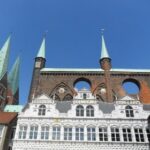
Then comes the town hall, tied to Hanseatic architecture and history. If you love civic buildings, this stop is a highlight because it represents organized authority. In merchant cities, decisions about trade, regulation, and shared interests had to have a place where power looked official and repeatable.
Your guide’s job here is to connect the building to the people and systems behind it. That’s what makes the stop feel valuable instead of just “here’s a building.” You’ll learn how Lübeck’s status as a Baltic trade hub shaped what it chose to build and preserve.
Practical note: take a moment to look up from street level. The architectural style is easier to understand when you give your eyes a chance to map details across façades and rooflines. Even if you’re not an architecture nerd, the guide will help you spot what matters.
Teufelchen and St. Mary’s Church: The Skyline Gets Personal
After the town hall, the tour moves through the sweet Teufelchen area and then to St. Mary’s Church. The Teufelchen stop adds a local flavor point—small, memorable, and useful for breaking up the heavier institutional sites. It’s the kind of detail that makes a city feel lived-in, not only historic.
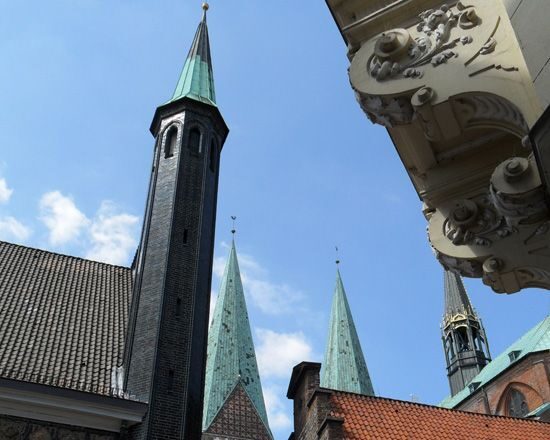
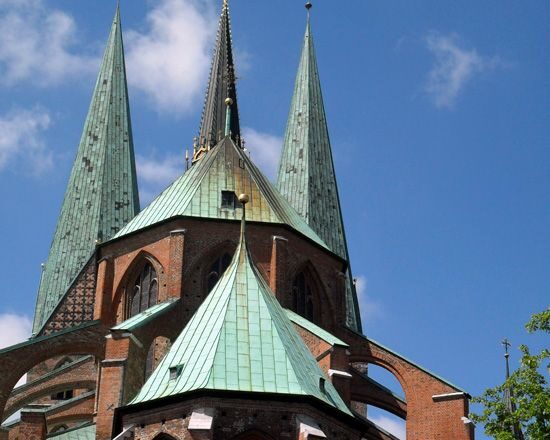
St. Mary’s Church matters because the skyline is part of Lübeck’s identity. The City of Seven Spires moniker isn’t just marketing; it’s a visual way to recognize how churches shaped the city’s presence. You’ll see how Lübeck’s skyline works, especially as the guide ties it back to the five main churches you’ll be following in the route.
If you’re short on time during your trip to northern Germany, church exteriors are one of the best ways to get meaning quickly. You don’t need long interior visits to grasp why these buildings were central to the community.



Kaufmannshäuser and Decorated Houses Near Buddenbrook-Haus
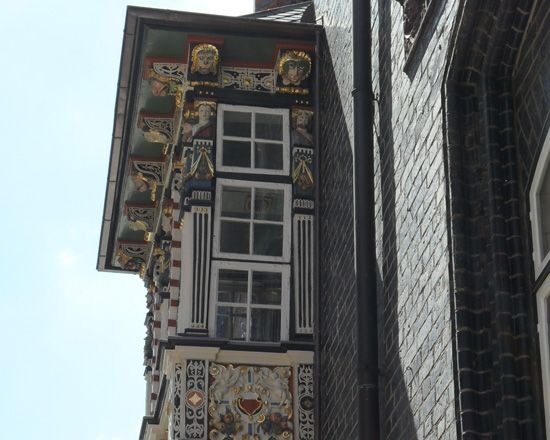
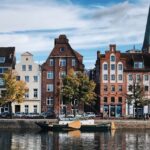
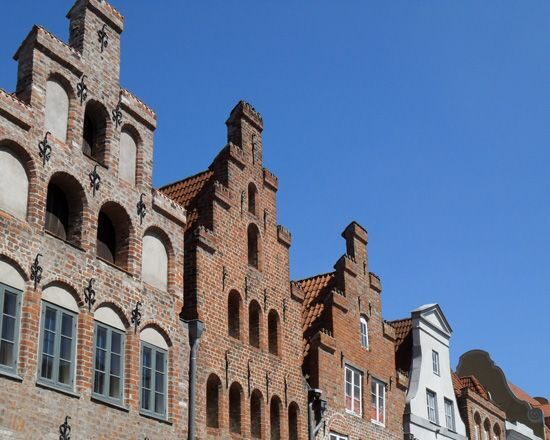
One of the main pleasures of Lübeck is walking past merchant houses that look like they belong in an illustrated history book. This tour includes the traditional Kaufmannshäuser, the brick merchants’ houses that show Lübeck’s wealth and taste. These aren’t generic old homes; they’re physical evidence of a city where commerce shaped craftsmanship.
As you stroll through the famous streets and the decorated houses near Buddenbrook-Haus, the guide’s storytelling helps you connect façade details to social life. You’ll be encouraged to look closely rather than just snap a photo and move on. That’s where the walking tour becomes more than sightseeing: you start noticing patterns.
This ending stretch is great for souvenir photos that don’t look staged. The decorated fronts and tight street geometry make it easy to frame interesting shots without walking miles. If you enjoy architecture with character—brick, ornament, and street-level scale—this is the part you’ll remember.
Pace, Time Budget, and What 90 Minutes Covers
Ninety minutes is short, but it’s designed to be efficient. The route hits the core symbols of Lübeck—gate, trade buildings, civic heart, skyline churches, then merchant-house streets—without turning into a marathon. That means you can fit it even if you have a busy day in northern Germany.
The walking pace is sight-focused. You won’t be stuck at one spot for long, and you’ll still get context at each stop. If you tend to drift or stop for extra photos, you may wish you’d set aside a little buffer time before or after the tour so you don’t feel rushed.
Private group also changes how the time feels. With up to 6 people, the guide can adjust pace and spend a little more time on the parts your group cares about. That’s a big value difference versus larger group tours where questions often get lost.
Price and Value: $259 for a Small Private Group
The price is listed as $259 per group for up to 6 people. That’s not a “per person cheap” situation, but private tours rarely are. The key is how you’ll split cost with companions. If you’re two to six people, this can be good value because you’re paying for a guide and a route crafted for your group size, not for seat-filling.
What you get for that money is a guided, story-driven loop through Lübeck’s defining landmarks: Holstentor, Salzspeicherhäusern, town hall, Teufelchen, St. Mary’s Church, Kaufmannshäuser, and the Buddenbrook-Haus area. The short duration can actually be a value advantage if you want a high-quality overview without spending your whole day on foot.
Where it might feel less worth it is if you’re traveling solo and don’t have anyone to share the group price with. In that case, it may compete with other options that are cheaper per person but less personalized. Still, if you like tight, focused routes with strong local context, the private format can make it feel worthwhile.
Guide Quality in English or German (and How to Get the Most)
The tour includes a professional live guide, available in German or English. In the material I reviewed, the guides were praised for both subject knowledge and how they handled the group. Names that came up included Christel, Crystal, and Frau Stump, with compliments tied to clear teaching and friendly group management.
Here’s how you’ll maximize your experience regardless of language. Ask one or two questions early—something like how Lübeck’s trade affected the buildings around you—and then let the guide steer you through follow-ups. A private group makes that feel natural.
Also, use the guide’s pacing to your advantage. When they point out details on merchant houses or church skyline angles, try to look where they’re looking. That small habit turns photos from random into meaningful.
What Type of Traveler Will Enjoy This Most
This tour suits you if you like:
- Old cities with strong architecture you can actually understand on foot
- Hanseatic-era stories and Baltic Sea trade context
- A guided route that avoids decision fatigue
- Short, high-impact sightseeing
It’s also a good fit if you want a calmer experience in a small group. With private format up to 6, it’s easier to move at a comfortable speed and ask questions without feeling like you’re interrupting a big crowd.
If you’re someone who needs lots of free time to wander without a plan, you might find a guided 90-minute walk too structured. In that case, consider using it as your orientation walk, then return later on your own to linger where you liked most.
Should You Book the Lübeck Classic Hanseatic City Tour?
I’d book this if you want a smart orientation to Lübeck’s core sights in a tight time window, and if you’ll enjoy architecture and city storytelling more than museum-style time. Starting at the Holstentor is a real advantage because your route makes sense from minute one. And the combination of gate, trade warehouses, town hall, church skyline points, and merchant houses gives you the Hanseatic picture in one go.
I’d pass or consider a different option if you’re traveling solo and the group price doesn’t work for your budget, or if you prefer long stops and deep interior visits. But for most people doing northern Germany, this feels like a practical, well-paced way to see what makes Lübeck matter.
FAQ
How long is the Lübeck Classic Tour of the Hanseatic City?
The tour lasts 90 minutes.
Where do I meet the guide?
Meet right at the Holstentor (Holsten Gate).
What is the tour price?
It’s $259 per group, up to 6 people.
Is the tour private?
Yes, it’s a private group tour.
What does the tour include?
A professional live guide is included.
What is not included?
Transfers and food and drinks are not included.
What languages are offered?
The guide speaks German and English.
Are there any cancellation options?
There is free cancellation up to 24 hours in advance for a full refund.
Can I reserve without paying right away?
Yes, you can reserve now and pay later.
Are there food stops during the 90 minutes?
The tour does not include food and drinks, so you’ll want to plan meals separately.