REVIEW · BERLIN
Historic Berlin: Exclusive Private Tour with a Local
Book on Viator →Operated by LocalBini - The go-to platform for Experiences by Locals in Europe · Bookable on Viator
Berlin can feel like a history book you walk through.
This exclusive private tour strings together the city’s most important memory sites and headline architecture in about two hours, with a tailored itinerary that adjusts to your interests and walking pace. I especially like how it balances heavyweight topics with clear orientation points, so you don’t just see places—you understand why they matter. I also like that the route is built for English speakers and stays practical, with a mobile ticket and a local host who can steer the pace. One thing to keep in mind: it’s still a walking route, so if mobility is limited, this one may not be the best fit.
You’ll start near the Academy of Arts at Pariser Platz and finish in the medieval-leaning streets of Nikolaiviertel. Along the way, you’ll pass major landmarks tied to German democracy, Nazi persecution, and Cold War division—then land in calmer, scenic streets that make Berlin feel human again.
In This Review
- Key highlights you’ll feel in the moment
- How the 2-hour route covers Berlin’s power, memory, and beauty
- Starting at Pariser Platz: Academy of Arts to set the tone
- Reichstag: democracy explained around the glass dome
- The Memorial to the Murdered Jews of Europe: remembrance with weight
- 1953 uprising and the former terror headquarters: Cold War scars
- The division-and-reunification crossing-point landmark you can feel
- Classic Berlin squares: classical beauty and the book burning at Bebelplatz
- Berlin Cathedral at Am Lustgarten: religious architecture as a landmark
- Nikolaiviertel: finishing in Berlin’s medieval-feeling heart
- What the $151.41 price really buys you
- Guide quality is the whole game on heavy-topic tours
- Who this tour suits best
- Should you book this Historic Berlin private tour?
- FAQ
- How long is the Historic Berlin private tour?
- What language is the tour offered in?
- Is this an exclusive private tour?
- Where does the tour start and end?
- What’s included in the tour price?
- Are museum or monument entry tickets included?
- Is the tour suitable for most travelers?
- Can service animals join the tour?
- What if I need to cancel?
Key highlights you’ll feel in the moment
- Reichstag and its glass-dome symbolism: democracy told through a single iconic landmark
- Holocaust Memorial on purpose: remembrance explained with care, not just facts
- Cold War flashpoints: the 1953 uprising site and the former terror headquarters grounds
- East and West in one crossing-point stop: you’ll grasp division and reunification through place
- Bebelplatz book burning context: infamous Nazi censorship, set in the real city square
- Nikolaiviertel at the end: a traditional-feeling Berlin finish after heavy sites
How the 2-hour route covers Berlin’s power, memory, and beauty
This tour works because it doesn’t treat Berlin like a checklist. In two hours, the stops are clustered in central areas where the city’s 20th-century story is physically close: democracy, dictatorship, genocide, division, and reunification. A private format matters here. You can ask questions, pause when something lands emotionally, and move on when you’re ready.
Price-wise, it’s $151.41 per person for an approximately 2-hour exclusive private walk. That’s not the cheapest option on the board, but it’s strong value if you want a guided “why” behind the “what,” especially if you’re traveling with a small group. Think of it as paying for clarity and momentum: you spend less time figuring out connections yourself, and more time understanding the meaning of each site.
The tour is offered in English, and the local host tailors the itinerary to your interests and walking pace. Stops may vary with weather, which is a smart way to keep the experience enjoyable rather than rushed.
You can also read our reviews of more private tours in Berlin

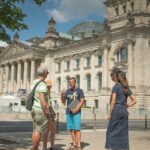
Starting at Pariser Platz: Academy of Arts to set the tone
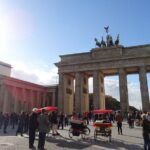
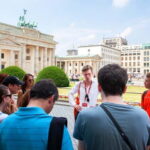
You meet at Academy of Arts, Pariser Platz 4, 10117 Berlin. This matters because you begin in a place that signals Berlin’s theatrical side and its official, civic side at the same time. From the start, your guide frames what you’re about to see: not just big monuments, but turning points that shaped modern Germany.
Pariser Platz also helps you get your bearings fast. As you walk, you’ll start to recognize how Berlin’s central streets connect the government district, the memorials, and the classic squares. That makes the later stops easier to follow mentally, not just visually.
If you’re the type who likes context before captions, this opening style is ideal. You’re not thrown into the deep end; you’re oriented.
Reichstag: democracy explained around the glass dome
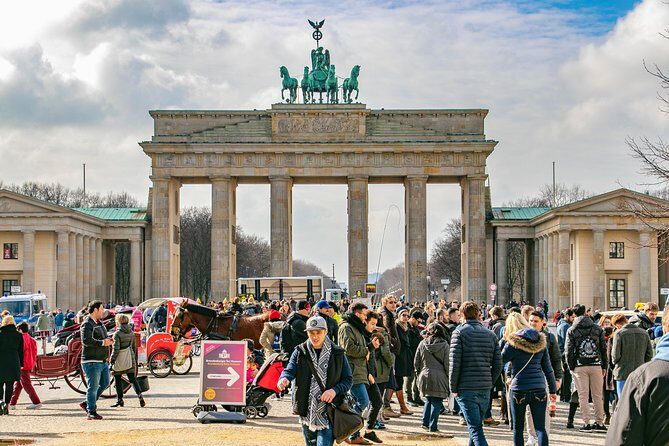
The Reichstag Building in Platz der Republik is the kind of stop that almost explains itself. Your guide brings it down to human scale: this is a symbol of German democracy, and it’s also tied to major historical turning points.
The iconic glass dome is more than a photo spot. It represents a connection between public life and government space, and your guide’s job is to translate that symbolism into something you can actually feel while standing there. You’ll likely hear why it’s seen as an outward-looking statement, rather than an inward, closed-off seat of power.
A practical tip: this is a popular area, so expect a steady flow of people. The private pacing helps. You won’t be stuck waiting for a huge group to shuffle through.
The Memorial to the Murdered Jews of Europe: remembrance with weight
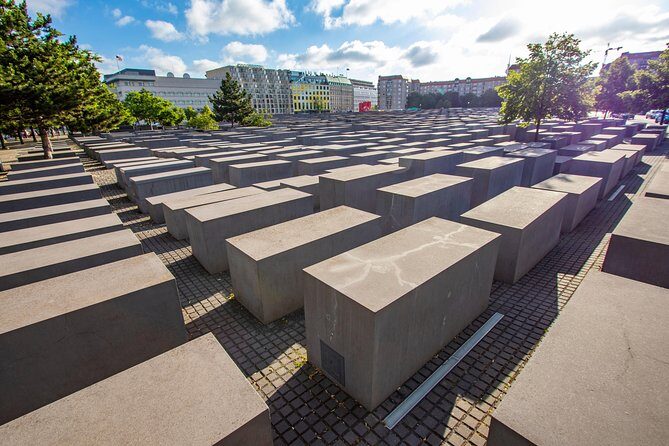
Next is the Memorial to the Murdered Jews of Europe near Cora-Berliner-Straße. This stop is about more than “a moving memorial.” It’s about how Berlin chooses to remember—visibly, permanently, and in a way that forces you to slow down.
You’ll get the kind of explanation that helps the site make emotional and historical sense without turning it into a lecture. The value here is balance. Your guide should help you understand what you’re looking at, and then give you space to react.
If you’re sensitive to heavy topics, plan for that in your day. This is the kind of place where you’ll want a minute or two longer than you expected.
1953 uprising and the former terror headquarters: Cold War scars
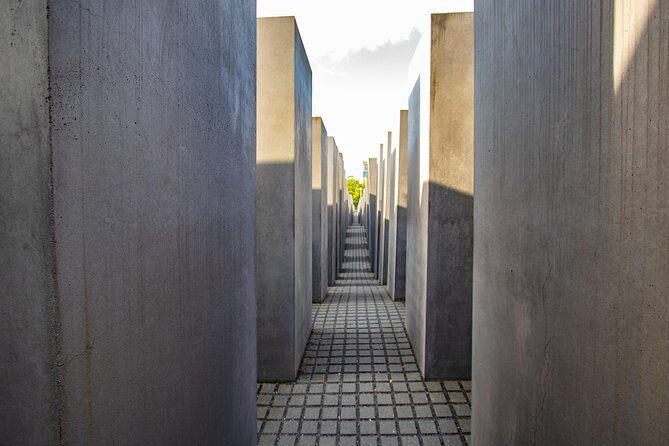
Berlin’s Cold War story isn’t abstract. It’s mapped into physical locations, and this tour uses two especially powerful ones.
First: Platz des Volksaufstandes von 1953 commemorates the East German uprising. Your guide will connect the site to the broader feeling of the era—pressure, rebellion, and the reality that politics wasn’t a distant thing. It was lived by people with no easy escape.
Then you move to a museum and memorial site on the grounds of the former Gestapo and SS headquarters. This stop is crucial because it changes the scale from protest to persecution. The grounds themselves matter; you’re standing where Nazi power did its work. A good guide keeps the focus on the human cost and the mechanisms of terror, not just the dates.
A consideration: because these stops are so serious, the most helpful thing you can do is not rush your guide. If you want to ask questions, now is the time. Private touring makes those conversations easier.
You can also read our reviews of more historical tours in Berlin



The division-and-reunification crossing-point landmark you can feel
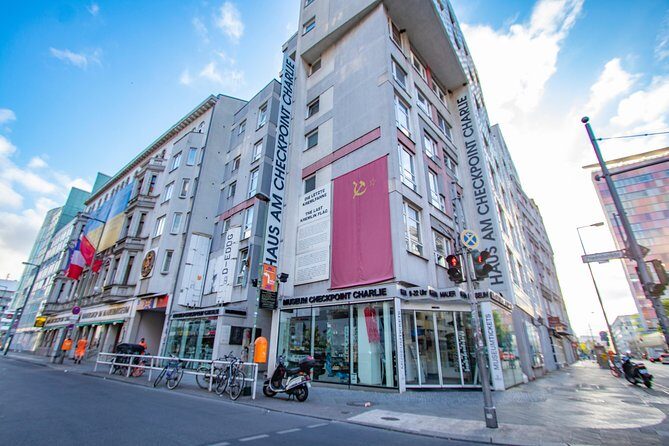
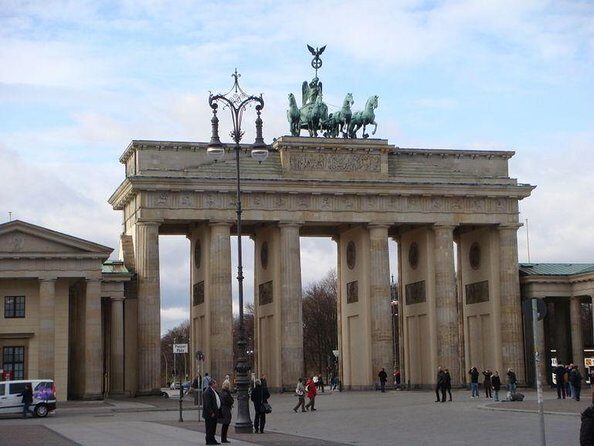
Another highlight is a stop at the landmark symbolizing the division and eventual reunification of Berlin, described as an old crossing point between East and West Berlin. Even without getting lost in trivia, the emotional logic is clear: this area represents movement, separation, and the shift from barriers to connection.
What I like about placing this stop in the middle of the walk is that it works like a “turning page.” After the weight of Nazi persecution and Cold War oppression, reunification helps you see the arc of modern Berlin as more than damage. It’s also survival and change.
Look around as you stand there. The guide’s explanation will help you interpret what the space meant then, and what it means now in a Germany that’s still processing history.
Classic Berlin squares: classical beauty and the book burning at Bebelplatz
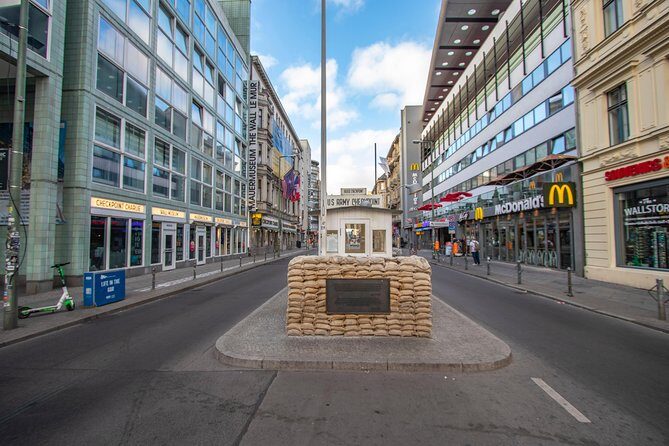
Berlin gets its character from squares. After the memory-heavy stops, this part is a nice shift without becoming light or shallow.
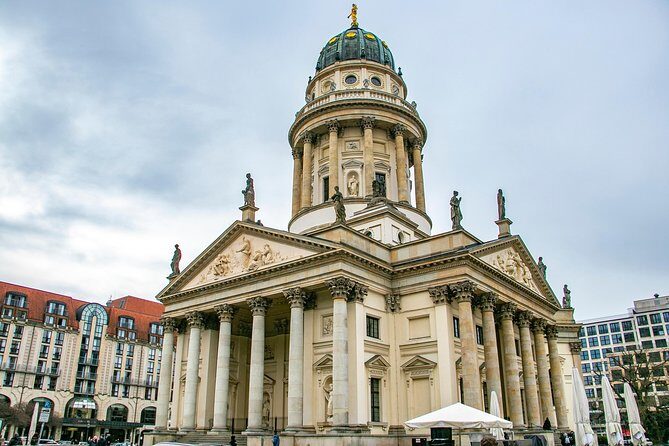
You’ll visit a picturesque square flanked by architectural masterpieces, a classic view that shows Berlin’s sense of grandeur and planning. This isn’t random sightseeing. Your guide uses this kind of setting to show how formal architecture and public space work together in Berlin—how people move through history visually, not just verbally.
Then comes Bebelplatz on Unter den Linden, steeped in history and known for the infamous Nazi book burning. This is a key stop because it turns “censorship” from a concept into a public act tied to place. You’ll understand what was targeted and why the site became symbolically charged.
If you tend to remember facts better with visuals, this is your moment. A guided explanation helps you connect the square’s calm look to what happened there.
Berlin Cathedral at Am Lustgarten: religious architecture as a landmark
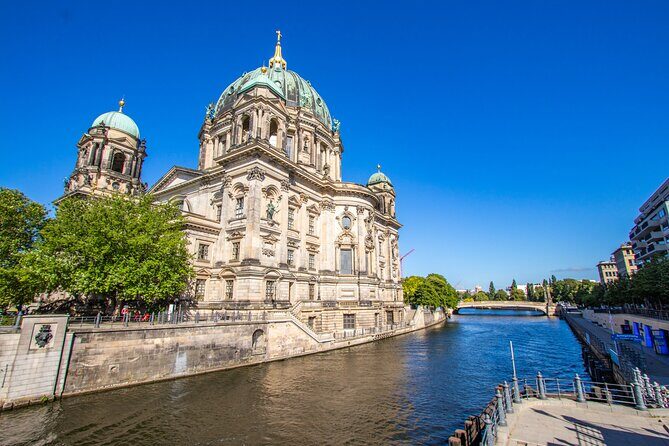
Next is Berlin Cathedral at Am Lustgarten, a magnificent example of Berlin’s religious architecture and a major historical and cultural landmark.
This stop offers a different lens on Berlin: not politics or persecution, but cultural continuity and city identity. Your guide can help you see why cathedrals function as more than churches—they’re markers of civic life, art, and long-running local narratives.
One practical note: like many central landmarks, the area can be busy. If you want quieter time for photos or reflection, ask your guide to manage the timing inside the flow of the walk. Private touring is good at this.
Nikolaiviertel: finishing in Berlin’s medieval-feeling heart
The tour ends in Nikolaiviertel at Rathausstraße 21, 10178 Berlin. This neighborhood feels like a calmer, older Berlin after the earlier stops. You get a glimpse into the city’s medieval origins through traditional-looking buildings and charming streets.
What makes this ending work is pacing. The earlier sites deal with rupture—dictatorship, mass murder, surveillance, division. Finishing with a more storybook neighborhood helps your brain “reset” while still staying in the city’s long historical arc.
If you still have energy, you’re well placed to keep exploring on your own once the guide steps away. You’ll finish near a part of town where wandering feels natural.
What the $151.41 price really buys you
At $151.41 per person for about two hours, you’re paying for three things that matter in Berlin:
- An exclusive private host: no sharing your pace with strangers
- A tailored route: the itinerary adapts to your interests and walking pace
- A local perspective that connects dots: the “why” behind each landmark
This is also a good setup if you’re the planner in your group and want to avoid the common Berlin problem: seeing a lot, but not understanding the relationships between sites.
Two cost notes to keep you comfortable: entry tickets for transportation, museums, and monuments aren’t included, and personal expenses are on you. That means your guide can focus on interpretation, but you’ll handle any paid entries if you want to go inside specific places.
Guide quality is the whole game on heavy-topic tours
Because the itinerary touches subjects like the Holocaust and Nazi terror, the host’s tone matters. In the strongest feedback tied to this experience, the guide Abie was praised for being well educated, informed, and balanced. That balance is exactly what you want when the facts are heavy and the setting is emotionally charged.
Even if your host isn’t Abie, look for the same traits: clear explanations, respect for the subject matter, and the ability to tailor the pace to your group. The private format makes it easier for your guide to adjust on the fly.
Who this tour suits best
This tour is a strong fit if you want:
- A central, efficient Berlin walk that hits major landmarks
- A guide who can explain context, not just point at buildings
- A balance of serious memory sites and classic architectural stops
- A private experience where you can slow down when needed
It’s also offered for English speakers and designed so most travelers can participate. One caution: it’s not recommended for guests with impaired mobility, likely because it’s a walking-focused route and includes multiple stops.
Should you book this Historic Berlin private tour?
Yes, if you want a guided route through Berlin’s toughest topics with clear context and a pace that won’t bulldoze your questions. The best reason to book is the private format: it’s easier to absorb emotionally intense sites when you’re not being hurried along with strangers.
Skip it (or consider another option) if you have limited mobility or if you already know Berlin history well and prefer self-guided wandering. Also, remember that some of the stops may require or benefit from extra entry time, since entry tickets for museums and monuments are not included.
If you’re balancing “must-see Berlin” with “I want it to make sense,” this tour is a very practical choice.
FAQ
How long is the Historic Berlin private tour?
It’s approximately 2 hours.
What language is the tour offered in?
The tour is offered in English.
Is this an exclusive private tour?
Yes. Only your group will participate.
Where does the tour start and end?
It starts at Academy of Arts, Pariser Platz 4, 10117 Berlin and ends in Nikolaiviertel at Rathausstraße 21, 10178 Berlin.
What’s included in the tour price?
Included are the local host, exclusive private tour, and a tailored itinerary. A mobile ticket is also part of the offer.
Are museum or monument entry tickets included?
No. Entry tickets for transportation, museums, and monuments are excluded.
Is the tour suitable for most travelers?
It says most travelers can participate, but it’s not recommended for guests with impaired mobility.
Can service animals join the tour?
Yes, service animals are allowed.
What if I need to cancel?
You can cancel for free up to 24 hours in advance for a full refund.