REVIEW · MUNICH
Discover Munich 2-Hour Small Group Walking Tour
Book on GetYourGuide →Operated by Radius Tours GmbH · Bookable on GetYourGuide
Munich hits hardest when you understand the symbols. This 2-hour small-group walk turns Marienplatz and the Rathaus-Glockenspiel from landmarks into a story you can follow.
I like the guide-led flow: clear stops, good pacing, and practical explanations that make the city feel less like a map and more like a place. I also love the real-world payoff, like where to grab food and which beer spots are worth your time, plus timing tips around the clock display. One possible drawback: the meeting area can feel a little tense at street level, so you’ll want to arrive a few minutes early and stay close to your guide and group.
In This Review
- Key highlights before you go
- Why this 2-hour Munich walk is a smart first-day move
- Meeting at Dachauer Straße 4: what to watch for at the start
- Marienplatz and the Rathaus-Glockenspiel: timed like a local
- Churches and lesser-known corners that connect the dots
- Beer hall history and food/drink pointers you can act on
- Munich after the headlines: 20th-century stories on your walk
- Guide energy, group size, and pace you can actually follow
- Should you book this Munich walking tour?
- FAQ
- Is this tour in English?
- How long is the Discover Munich 2-Hour Small Group Walking Tour?
- Where do I meet the tour?
- What is included in the price?
- Are food and drinks included?
- What group size should I expect?
- Is the tour wheelchair accessible?
Key highlights before you go
- Marienplatz + Rathaus-Glockenspiel: you get the “what am I looking at” part, not just a photo stop
- Beer and food directions you can use the same day: helpful recommendations without forcing a purchase
- Churches and off-main sights: you’ll see more than the usual postcard loop
- Unvarnished 20th-century context: the guide brings hard history into the street-level view
- Small group pacing (often around 10–15): easier to hear and keep together than big-bus tours
- English guide, wheelchair accessible: a format that works for a range of travelers
Why this 2-hour Munich walk is a smart first-day move
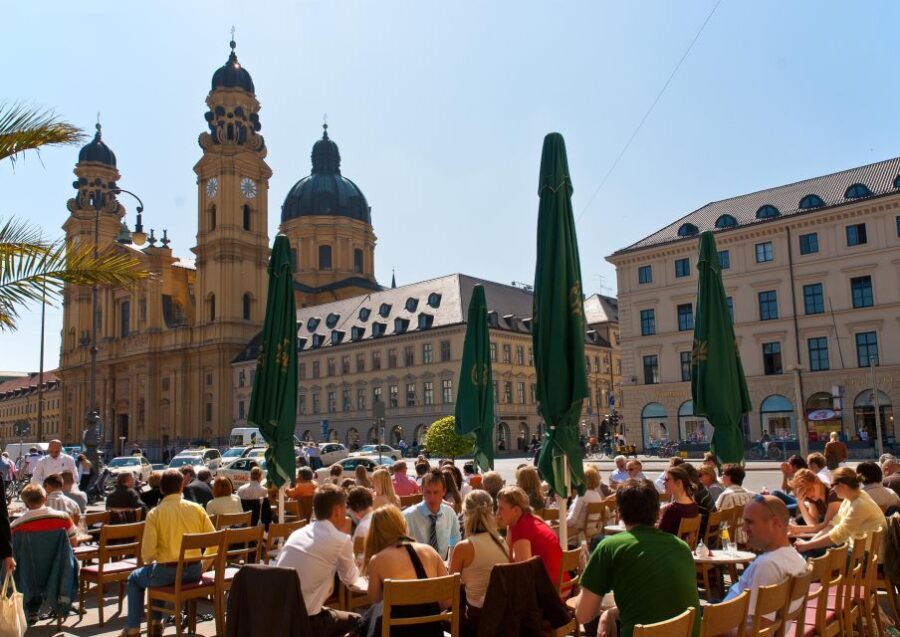
Two hours is the sweet spot in Munich. It’s long enough to cover meaningful ground and explain what you’re seeing, but short enough that you still have energy for beer gardens, museums, or just wandering afterward.
This tour is built as a personal welcome. You start with a local guide and move through central Munich on foot as a small group (usually around a dozen). That matters because Munich’s old streets can be confusing fast. With a guide, you learn what to look for: symbols on buildings, why certain squares matter, and which streets lead you to bigger sights.
I especially like that it’s not only “pretty photos.” The route includes the major highlight you’ll see in nearly every guidebook, but it also adds the kind of context that makes those sights feel connected. Even the darker parts of the 20th century aren’t treated like a detour. They’re framed as part of the city’s real layers, told in a way that keeps the walk grounded.
If you’re visiting for the first time, this is a strong “get your bearings” option. If you’re returning, it still works because Munich often rewards repeat attention: a church façade or square feels different once you know what to notice.
You can also read our reviews of more walking tours in Munich


Meeting at Dachauer Straße 4: what to watch for at the start
You meet at Dachauer Straße 4, at the local operator’s office in central Munich. That’s convenient for logistics, and it also keeps the experience simple: you’re not guessing where your group begins.
That said, start-of-tour nerves are real. Some travelers noted that the immediate street surroundings near the meeting point can feel rough or uncomfortable while you wait. You can’t control that, but you can control your behavior. Arrive a few minutes early, stay with the group, and avoid hanging back down side streets while you’re waiting for your guide.
Because the tour is only two hours, any early delays can shrink your time for the best parts. Build in a little buffer so you arrive calm and ready to walk.
Practical tip: wear comfortable shoes. The route is mostly on foot, and your time is better spent listening and looking than thinking about sore feet before the clock show at Marienplatz.
Marienplatz and the Rathaus-Glockenspiel: timed like a local
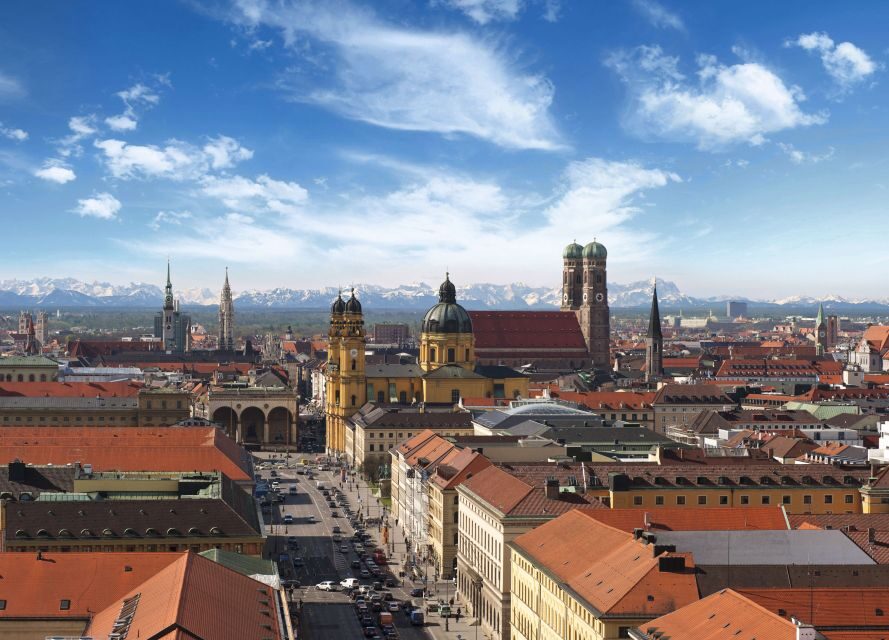
Marienplatz is the obvious anchor, but the guide makes it click. The Rathaus-Glockenspiel isn’t just a decorative feature. It’s a public storytelling machine on a grand scale, and seeing it with context helps you understand why it lives in this square.
During the walk, the guide brings you through the area so you’re in position for the key clock display moment. One of the most practical perks is timing advice—so you don’t miss the display while you’re still trying to figure out where to stand. You also get the “what’s happening” explanation, not just the view.
This is the moment many people remember most clearly because it’s concrete. You can look, you can listen (if the guide is speaking near you), and you can picture how Munich celebrates civic identity. It’s also a great reference point for the rest of your day. Once you’ve learned where Marienplatz sits in the old center, planning dinner becomes easier.
And yes, Marienplatz is popular. Having a guide who can keep you moving at the right pace helps you experience it without getting stuck in the wrong place at the wrong time.
Churches and lesser-known corners that connect the dots
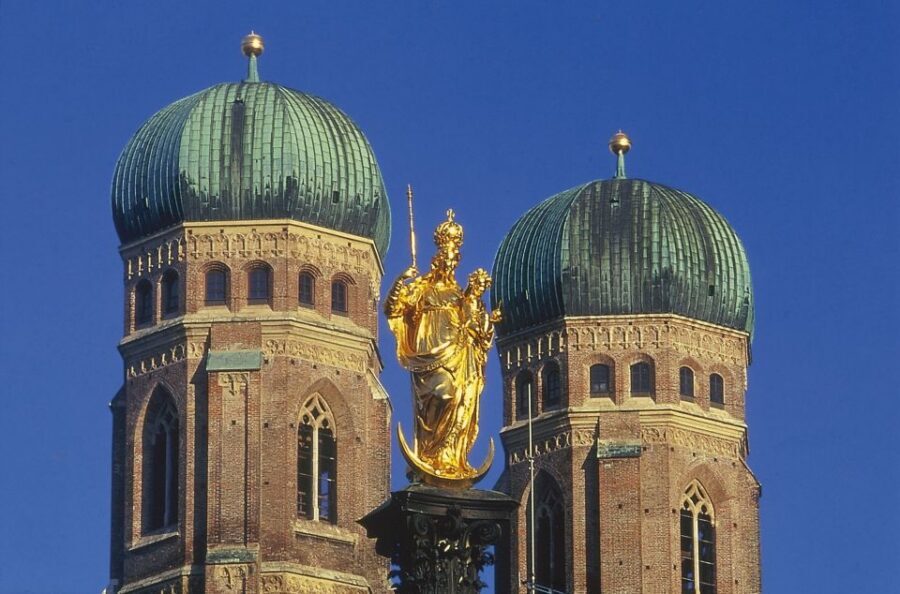
Munich can feel “orderly,” even when it’s busy. That’s partly because so much of the city’s character is built into its architecture and street geometry. On this tour, you’ll pass beautiful churches and other central sights that you might only notice in passing if you’re walking on your own.
What I like here is the way the stops are connected. The guide doesn’t treat each building like an isolated postcard. Instead, you learn how the city’s power and everyday life shaped what got built, restored, or emphasized over time.
You also get some locations you’re less likely to find just by roaming. These are the small-but-important details: the kind of street corner that helps you understand the city’s layout, or a spot that adds texture to the broader story of Munich.
One bonus from how guides run this type of walk: you’ll often hear questions answered on the fly. That’s where the route becomes more useful. If you’re the type who wants to understand why a street looks the way it does, you’ll get that.
On pacing: two hours is short, so the tour works best when you keep your phone away unless the guide gives you a clear moment to look. Let the guide lead your eyes. You’ll get more out of the visuals that way.
Beer hall history and food/drink pointers you can act on
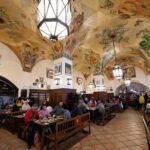
Munich and beer are inseparable, and this tour doesn’t ignore that. You’ll hear about famous beer halls you’ll likely pass or see near your route, plus where the good beer and food options tend to be.
The best part of the tips is practicality. You’re not just told names. You get guidance on what neighborhoods or streets are worth aiming for later, and how to choose where to sit depending on what kind of evening you want.
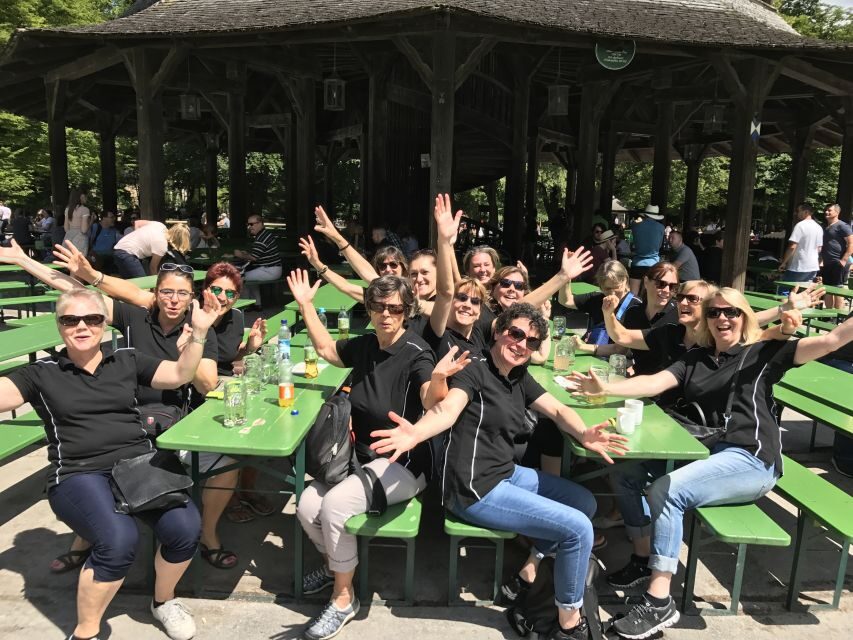
Some guides also connect those suggestions with Munich’s culture beyond beer. For example, one tour guide recommendation included a beer garden stop in the English Garden area, which is exactly the kind of add-on that turns a short walk into a full day plan.
A quick reality check: drinks and food aren’t included. That’s fine. This format keeps the tour focused on walking and storytelling. You just go on to dinner and beer with a plan, instead of wandering into expensive menus and tourist traps.
If you’re traveling with a mix of beer fans and non-beer fans, this is still a solid choice because the food and drink pointers aren’t only about alcohol. They’re about where people actually go.
A few more Munich tours and experiences worth a look






Munich after the headlines: 20th-century stories on your walk
This tour keeps it real by adding the uncomfortable layer of Munich’s 20th-century history. You’re not served a history lecture, and you’re not asked to stare at gloom. Instead, the guide frames difficult topics so they connect to places you pass through every day.
That approach matters, because Munich isn’t only about kings, churches, and clocks. It’s also about how cities change through political decisions and social pressures. When a guide points out how those pressures reshaped the city, you start noticing details you would otherwise walk past.
In practice, this kind of storytelling usually lands best if you’re mentally prepared for a tone shift. You’ll go from civic pride and architecture to heavier context, and the guide will try to keep it understandable and respectful.
If you prefer very light sightseeing only, this might feel like more than you want in a two-hour block. If you like context—how a city really got to where it is—this is one of the tour’s strongest reasons to book.
Guide energy, group size, and pace you can actually follow
The biggest variable in a walking tour is the guide. And here, the feedback pattern is clear: guides are consistently described as funny, entertaining, and genuinely helpful. Names that came up include Leon, Aileen, Thomas, Adrian, Sam, Sarah, Timmy, Daniel, Anna, Patrick, and Lucía.
Different guides have different styles, but the shared theme is communication. They answer questions as you walk, adjust to the group, and keep the pace readable even in crowded areas.
Group size is usually small—average around 10–15 people. That helps in two ways. First, it’s easier to hear explanations. Second, the guide can manage the group so nobody gets left behind at the curb.
Still, there’s a practical consideration: if the group ends up larger than expected, hearing and staying together can become harder. That’s not unusual in any walking tour format. The fix is simple: stay close to the guide, and if you’re at the edge, move inward when the group stops.
The tour is also wheelchair accessible. Since it’s a walking route, that doesn’t mean it’s effortless for everyone, but it does mean the operator intends the experience to be usable for wheelchair travelers.
Should you book this Munich walking tour?
If you want a quick, guided introduction to central Munich with the city’s signature sights explained in human terms, this is a smart buy. I’d especially recommend it as your first or second day because it gives you a structure for the rest of your trip: where the big landmarks sit, how they connect, and where to aim your food and beer plans.
Book it if:
- you want Marienplatz and the Rathaus-Glockenspiel handled with timing and context
- you like walking with a guide who answers questions and adds cultural meaning
- you want more than surface-level sightseeing, including 20th-century context
Skip it or consider alternatives if:
- you strongly prefer purely upbeat sightseeing with no heavier historical material
- you’re easily bothered by waiting outside in the meeting-area surroundings (arrive early and stick with your group)
FAQ
Is this tour in English?
Yes. The tour guide speaks English.
How long is the Discover Munich 2-Hour Small Group Walking Tour?
It lasts 2 hours.
Where do I meet the tour?
Meet at Dachauer Straße 4, 80335 Munich, at the local operator’s office.
What is included in the price?
The price includes the walking tour and a guide.
Are food and drinks included?
No. Food and drinks are not included.
What group size should I expect?
It’s a small group tour with an average of about 10 to 15 people.
Is the tour wheelchair accessible?
Yes. The tour is listed as wheelchair accessible.