REVIEW · BERLIN
City Sightseeing Berlin Hop-On Hop-Off Bus Tour
Book on Viator →Operated by City Sightseeing Ltd - Europe · Bookable on Viator
Berlin can feel huge at first.
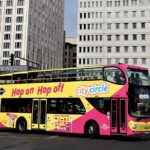
This hop-on hop-off bus tour is an easy way to pick your own sightseeing pace and use onboard audio in 13 languages while you pass major sights. One thing to plan for: the stops can be harder to spot than you’d expect, and you may want to lean on the app so you don’t waste time waiting.
You can stretch this into a half day or two full days by choosing a 24-hour or 48-hour ticket, then hopping off for photos and returning when it suits you. The buses are open-top, and you’ll also get free Wi‑Fi on board—nice when you’re checking next departures, pulling maps, or coordinating with your group.
In This Review
- Key highlights that matter on the ground
- How the 24- or 48-hour pass lets you pace Berlin
- Traditional Route vs Wall & Lifestyle: which Berlin vibe do you want
- Traditional Route stops: Tauentzienstraße to Kurfürstendamm sights
- Wall & Lifestyle Route stops: Spandauer Straße to East Side Gallery
- Audio commentary in 13 languages: useful, but check your connection
- Getting your bearings: stops, signage, and the app
- Comfort, crowds, and the 17:00 reality check
- Boat cruise add-on: when the All Lines upgrade makes sense
- Value check: is it worth it for your Berlin days?
- Who should book this bus tour (and who should skip it)
- Should you book it?
- FAQ
- How long is the bus tour?
- How often do the buses run?
- Are audio headphones included, and what languages are available?
- Can I use a mobile ticket, or do I need printed vouchers?
- Do the buses have Wi‑Fi?
- What times do the buses run on the first and last day departures?
Key highlights that matter on the ground
- Two-route freedom lets you shape your trip around either classic central sights or the Berlin Wall area
- Audio with free headphones in 13 languages helps you understand what you’re seeing without crowding your phone
- Open-top views are great for that first “getting bearings” pass through Berlin
- Free Wi‑Fi on every bus makes the City Sightseeing app more useful while you’re moving between stops
- 24-hour vs 48-hour timing helps you match the tour to your actual sightseeing energy
- All Lines upgrade can add a boat cruise and adds access to both route themes
How the 24- or 48-hour pass lets you pace Berlin
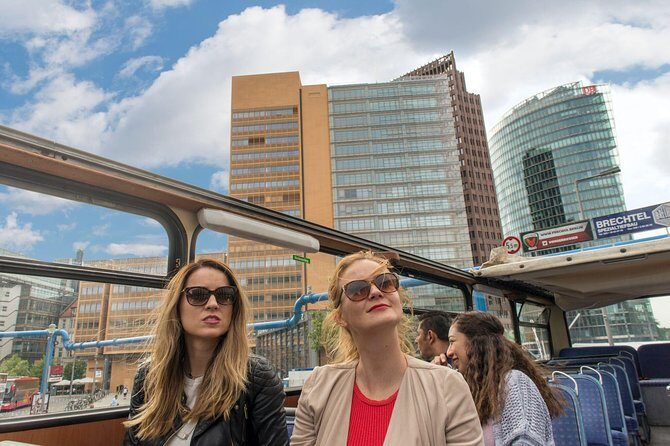
The whole idea is simple: you board, ride, listen, then hop off when something catches your eye. When you’re ready, you hop back on the next bus. With a 24-hour pass, you’ll likely do one route fairly thoroughly and make a second pass on your favorite areas. With a 48-hour pass, you can spread things out, return to photo spots, and avoid rushing.
The Classic (Traditional) route takes about 120 minutes per full loop, with buses running roughly every 25 minutes. The Wall & Lifestyle route is shorter at about 60 minutes, with departures about every 40 minutes. Either way, the buses start and finish for the day on a set schedule—so your best strategy is to time your “big hop-offs” earlier, when you still have multiple buses to choose from.
And yes, it’s designed for flexibility: your mobile ticket (or paper voucher) can be redeemed at stops along the route, so you’re not trapped into a single boarding point.
You can also read our reviews of more city tours in Berlin



Traditional Route vs Wall & Lifestyle: which Berlin vibe do you want
This is the part that can make or break your experience. The Classic route focuses on the central, postcard-and-monument Berlin track—places like Alexanderplatz, Brandenburg Gate, Victory Column, and Checkpoint Charlie. If you want your first day to feel organized and efficient, this is usually the one that makes the most sense.
The Wall & Lifestyle route shifts toward East Berlin culture and the Berlin Wall story, with stops around places like Karl-Marx-Allee, East Side Gallery, Ostbahnhof, and the Berlin Wall Memorial area. If you’re interested in how Berlin’s division shaped neighborhoods (and how the city reworked those spaces later), this route gives you a more targeted line.
If you choose the All Lines option, you get access to both route themes—and you may also receive an included boat cruise as an upgrade. That can be a smart add-on if you want a break from bus-and-walking and a different angle on the city.
Traditional Route stops: Tauentzienstraße to Kurfürstendamm sights
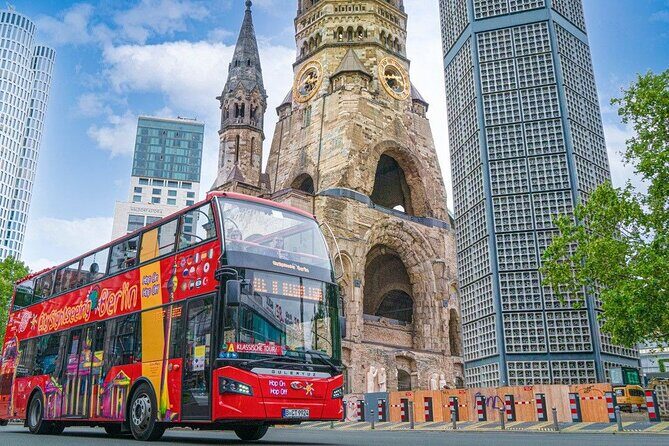
This route is built for “big overview” sightseeing, with frequent photo moments. The buses run on a loop that connects central areas and major corridors, starting at Tauentzienstraße and working through a wide slice of the city. Here’s how each stop can help you plan your day.
1) Tauentzienstraße (Frende der Hebräischen Universität Jerusalem in Berlin e.V.)
A practical starting point for orienting yourself. From here, you’re positioned to head into the central shopping-and-monument areas.
2) KaDeWe (MCM at KaDeWe Berlin)
This is your jump-off for the KaDeWe area—an easy win if you want a central landmark and a convenient place to explore near shopping streets.
3) Lützowplatz (Kulturforum Tiergarten area)
Good for the Kulturforum-side access. If you want to wander a bit and then return to the bus quickly, this is the kind of stop that works.
4) Potsdamer Platz (Potsdamer Platz 25 / Kolhoff-Hochhaus)
A key central junction. I’d use this stop when you want photos without committing to a long walk.
5) Gropius Bau
A helpful drop-off if you’re aiming for the Gropius Bau area. Even if you don’t go inside, it’s a solid “see it from the street, then decide” stop.
6) Checkpoint Charlie area (Friedrichstraße 44 / Checkpoint Charlie at Friedrichstraße 45)
This one is obvious and popular for a reason: it’s one of Berlin’s most recognizable history stops. If you plan to linger for photos, pick a time earlier in the day to reduce the crowding pressure.
7) Gendarmenmarkt area (Ocean Plastics Lab / Gendarmenmarkt)
A great stop for a more “square-and-stroll” break between big monuments. If you like walking a little but still staying efficient, this fits well.
8) Rathaus + Neptune Fountain area (Spandauer Str. 8 / Neptunbrunnen / Rotes Rathaus)
Useful if you want a classic city-center viewing point. It’s also an easy place to pause, take photos, and then re-board without losing your bearings.
9) Alexanderplatz (Allego Charging Station / Alexanderplatz / Park Inn)
A major Berlin hub. This is a strong “return point” stop because it connects well to the rest of your sightseeing day.
10) Museumsinsel (Museumsinsel / Lustgarten area)
A strategic drop-off for museum-island access. Even if you only want the external views, this stop helps you line up a future longer visit.
11) Unter den Linden / Friedrichstraße (B5 28)
Good for accessing the central boulevard feel. If you want to walk a segment of Berlin’s main sights corridor, this is a convenient place to start.
12) Brandenburg Gate (Hopfingerbräu am Brandenburger Tor)
This is the headline photo stop. I’d treat it like a “time-boxed” hop-off: see the Gate area, take pictures, then decide whether you want to extend your time on foot.
13) Reichstag / Bundestag (Reichstag/Bundestag)
A natural companion to the Brandenburg Gate stop. This is a good location for that parliament-building viewpoint and for setting up your afternoon photo route.
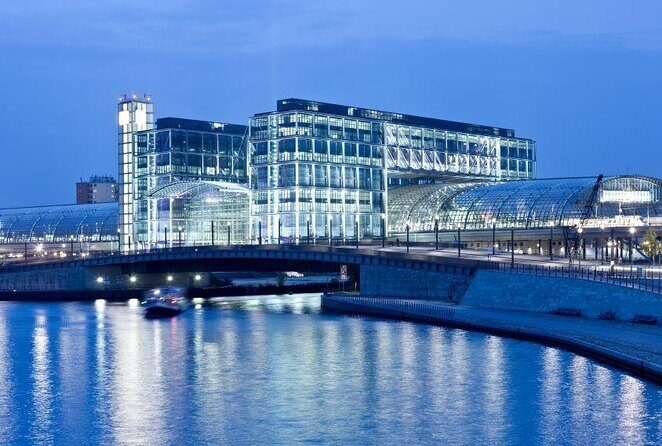
14) Berlin Central Station area (Call a Bike / Berlin Central Station)
Perfect if you need an easy transit connection back into your day. It’s also convenient if you want to end one route segment and switch to something else nearby.
15) Schloss Bellevue
A useful stop for the government-building area. If you’re pairing history stops with calmer strolling, this can break up the more crowded central zones.
16) Victory Column area (nextbike / Siegessäule / Hofjagerallee)
A good drop-off when you want a major viewpoint destination. This is also a great “I want one more big sight” moment after Brandenburg Gate and Checkpoint Charlie.
17) Zoo Berlin (Elefantentor)
If you’re mixing sightseeing with a family-friendly option, this stop is practical. It also makes it easier to jump between central sights and larger points of interest.
18) Kurfürstendamm area (Kurfürstendamm 21 / Café Kranzler)
A shopping boulevard break. This is a good match if you want to end a sightseeing loop with a more neighborhood-feel walk.
19) Kurfürstendamm (Kurfürstendamm 236)
A final stretch stop that helps you keep going without backtracking. If you’ve been hopping a lot, use this as a “wrap and regroup” point.
Wall & Lifestyle Route stops: Spandauer Straße to East Side Gallery
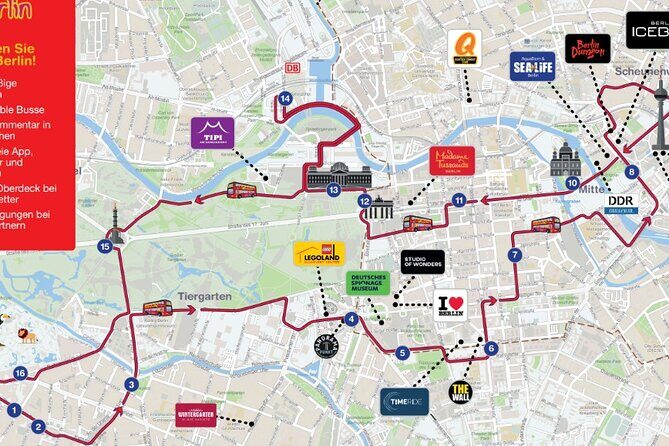
This shorter route is built around Berlin’s division story and the way neighborhoods shaped daily life. It’s especially valuable if you want to get beyond the most obvious central sights and spend time on the wall-related areas.
1) Rathaus + Neptune Fountain area (Spandauer Str. 8 / Neptunbrunnen / Rotes Rathaus)
Same central starting area as the Classic route, which makes it easy to connect plans between routes.
2) Oranienburger Straße (Oranienburger Str. 35)
A handy stop for the Oranienburger Straße corridor. Use it when you want a calmer “walk a bit, then re-board” rhythm.
3) Berlin Wall Memorial area (Bernauer Str. 25 / Mauergedenkstatte)
This is your core Wall-story stop. If the Wall and its memorial are why you booked the Wall & Lifestyle route, don’t treat this like a quick photo-only stop—give yourself enough time to slow down.
4) Mauerpark area (Bernauer Str. 45)
A strong “break between heavy stops” moment. It’s a good place to hop off, stretch your legs, and then continue the route.
5) Alexanderplatz (Alexanderplatz / Park Inn)
Another major hub. This is where you can reset your plan—either re-board easily or transition toward other parts of Berlin.
6) Karl-Marx-Allee (Philma Pictures / Karl-Marx-Allee)
A key corridor tied to East Berlin identity. If you want to see more of the built-environment side of East Berlin, this stop supports that.
7) East Side Gallery (LOVE HATE Sculpture)
One of the most recognizable Wall-related viewing points. If you’re hoping for the most iconic “Wall art” atmosphere, plan for a longer hop-off here.
8) Ostbahnhof area (DB Reisezentrum Berlin Ostbahnhof)
A practical end point. It’s also a smart stop if your next plan involves transit.
Audio commentary in 13 languages: useful, but check your connection
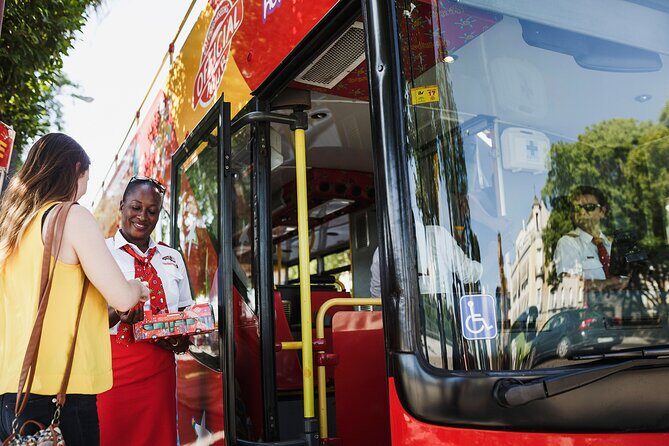
The bus includes on-board audio commentary in 13 languages, and you get free headphones. The language list includes English, German, Chinese, French, Italian, Japanese, Spanish, Polish, Portuguese, Hebrew, Arabic, and Turkish. For practical use, this means you don’t have to rely on your phone’s signal the whole time you’re riding.
That said, you should do two quick checks when you board:
- Plug in the headphones firmly and test sound in both ears.
- If the audio cuts in and out, adjust the cable rather than assuming it’s your phone.
Some people have had issues where audio was weak or one side wouldn’t play until the plug/cable was positioned just right. It’s not a deal-breaker, but it’s worth handling early so you don’t miss key narration.




Getting your bearings: stops, signage, and the app

Berlin is big, and hop-on hop-off only works if you can find your bus fast. One repeated theme: you may not see “traditional” stop markings the way you do in other cities. In some places, you might only find staff holding signs, so it’s easier to miss than you’d think.
Here’s how to protect your time:
- Download the City Sightseeing Berlin app on arrival.
- Use it to check latest times, stops, and updates while you’re waiting.
- If you see multiple similarly branded companies nearby, make sure you’re boarding the correct City Sightseeing bus.
Mobile and printed vouchers both work, and you can redeem at any stop along the route. That flexibility is helpful when you get delayed, but it also makes it even more important to confirm the right bus before you step on.
Comfort, crowds, and the 17:00 reality check

This tour can be a lifesaver on a first visit because you’re covering a lot of ground without wearing your feet out. But Berlin’s traffic and passenger demand can affect how “snappy” the hops feel.
A few practical things I’d plan for:
- Seats can be limited on fuller buses, especially earlier in the day when everyone piles in for the same must-see stops.
- If audio requires a stable connection, being jostled in a crowded aisle can make things more annoying than you want.
- Traffic diversions can happen. One driver was praised for smoothly navigating road changes during a protest, but you should still expect delays sometimes.
Also, pay attention to the daily end time. For the Classic route, the first departure from the start stop is 9:30am and the last is 5:00pm. For the Wall & Lifestyle route, the first is 10:00am and the last is 5:00pm. With limited operating hours, don’t structure your day so the most important stop depends on being back on the bus after late afternoon.
If you switch between routes (for example, from the Classic/Traditional line to the Wall & Lifestyle line), you should assume you could end up away from where you began. In practice, that means your final plan might need a short walk or transit connection.
Boat cruise add-on: when the All Lines upgrade makes sense

If you upgrade, your ticket can include a boat cruise. You only get access to both route themes with the All Lines ticket, so this option can be a good match when you want variety without adding extra booking work.
I’d consider the All Lines choice if:
- You’re doing Berlin in two days and want both central sights and Wall-related areas.
- You don’t want to keep commuting between neighborhoods under your own steam.
- You like the idea of breaking up your day with water views.
Value check: is it worth it for your Berlin days?
Here’s the honest value math as I see it. This tour is strong when you want:
- Orientation fast (your first pass through major areas)
- A low-effort planning backbone (you can decide later what deserves your time on foot)
- A weather-friendly option (you can hop off for photos, then get back on when conditions shift)
It’s also good value because the tour includes audio in 13 languages, free headphones, and free Wi‑Fi. Those extras matter when you’re juggling multiple places and don’t want to drain your phone battery during the ride.
Where the value can dip:
- If you hate waiting, buses that run less frequently in your exact moment (or stops that are hard to find) can feel frustrating.
- If audio equipment is finicky, you might lose some of the narration unless you fix the headphone connection right away.
- If you buy a 48-hour pass, you should activate it on the first day. Some people reported that if activation doesn’t happen on day 1, the pass can disappear from the system.
So think of this as a practical city tool, not a deep history lecture. For real depth, you’ll still want targeted stops on foot after the bus gives you your bearings.
Who should book this bus tour (and who should skip it)
This tour fits best if you:
- Are short on time and want a clear first overview
- Prefer open-air sightseeing with audio guidance
- Like setting your own schedule instead of following a fixed walking tour
- Want an easier approach to Berlin’s distance between neighborhoods
It may not feel great if you:
- Want minimal waiting and highly “marked” stops at every corner
- Expect flawless audio all the time and don’t want to troubleshoot headphones
- Plan to do it late in the day and risk missing the last 5:00pm departures
- Are traveling with someone who gets impatient with hopping around
Should you book it?
I’d book this if you’re arriving in Berlin for the first time and you want a simple way to map the city. The mix of Classic sights like Brandenburg Gate and Checkpoint Charlie with a Wall-focused route makes it a smart way to cover both the obvious and the essential, without burning your legs.
If you’re choosing between pass lengths, lean toward 48 hours if you can realistically use two days to hop off, walk, and re-board. And if you really care about Wall-related areas, the All Lines upgrade (with possible boat cruise) is worth considering so you’re not forced into only one theme.
One last tip: you can cancel for a full refund up to 24 hours before the experience start time. So if your schedule is still flexible, you’ve got a safety net.
FAQ
How long is the bus tour?
The Traditional (Classic) route is about 120 minutes per loop, and the Wall & Lifestyle (Trendy East Berlin & Wall) route is about 60 minutes per loop.
How often do the buses run?
For the Traditional route, buses run about every 25 minutes. For the Wall & Lifestyle route, buses run about every 40 minutes.
Are audio headphones included, and what languages are available?
Yes. You get free headphones and audio commentary in 13 languages, including English and many others.
Can I use a mobile ticket, or do I need printed vouchers?
Mobile tickets and printed paper vouchers are both accepted, and you can redeem them at any stop along the route.
Do the buses have Wi‑Fi?
Yes. Free Wi‑Fi is available on all buses.
What times do the buses run on the first and last day departures?
For the Traditional route, the first departure from Stop 1 is 9:30am and the last is 5:00pm. For the Wall & Lifestyle route, the first departure from Stop 1 is 10:00am and the last is 5:00pm.