Berlin’s snacks come with context. This 2.5-hour street food walk in Prenzlauer Berg pairs a hands-on food crawl with street art, neighborhood history, and an impressive church stop you won’t get on a generic Berlin list. I especially like how the tour uses food to explain why the neighborhood looks and tastes the way it does, and I also love the jump from everyday bites to the Gethsemanekirche Cold War meeting-place story. One heads-up: it’s mostly an outdoor walk, so Berlin wind can be annoying if you show up underdressed.
I’m also drawn to the fact that you’re not just handed random samples. You get a sequence of tastings that mix local and international flavors, plus dessert and drinks, and the guide shares practical follow-up ideas for what to do after you finish eating. The group stays small (up to 10), which makes it easier to ask questions and keep the pace friendly.
If you’re the type who likes your travel with a side of context, this is a strong match. Just come hungry, dress for the weather, and keep an eye on the one dietary limitation.
In This Review
- Key points before you go
- Prenzlauer Berg street food: the neighborhood you can taste
- The food stops: flatbreads, tacos, East Berlin bites, and dessert
- Street art, hidden corners, and what you learn on the walk
- Gethsemanekirche: neo-Romanesque architecture and Cold War meetings
- Your guide: small-group energy and real personality (Alex, Rafael, Laura)
- Pace and timing: 2.5 hours that actually works for lunch
- Price and value: what $143.92 buys you in real terms
- Practical tips: weather, what to wear, and diet limits
- Who this tour suits best (and who should skip it)
- Should you book Beyond Currywurst?
- FAQ
- How long is the tour?
- What does the tour cost and what’s included?
- Is the tour offered in English?
- Can I get vegetarian or vegan food?
- Can it accommodate gluten-free diets?
- Where do we meet?
Key points before you go
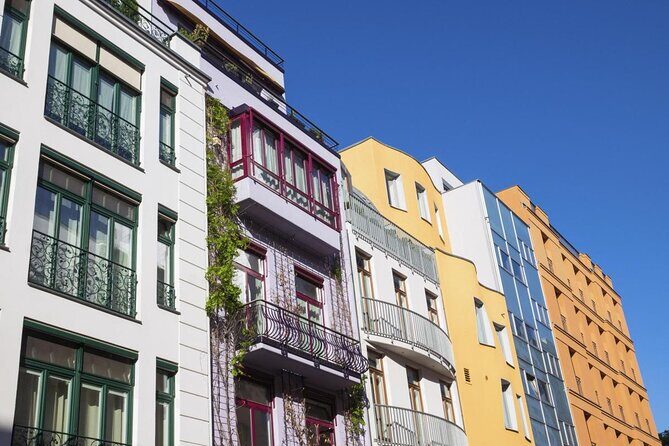
- Prenzlauer Berg’s multi-ethnic food story connects what you taste to how Berlin changed over time
- 4–5 tastings plus dessert means you’re not sampling once and moving on
- Gethsemanekirche stop brings architecture and Cold War history into the middle of lunch
- Small group (max 10) keeps the walk personal rather than rushed
- Vegetarian and vegan options available for most common preferences
- No gluten-free accommodations, so plan accordingly
Prenzlauer Berg street food: the neighborhood you can taste
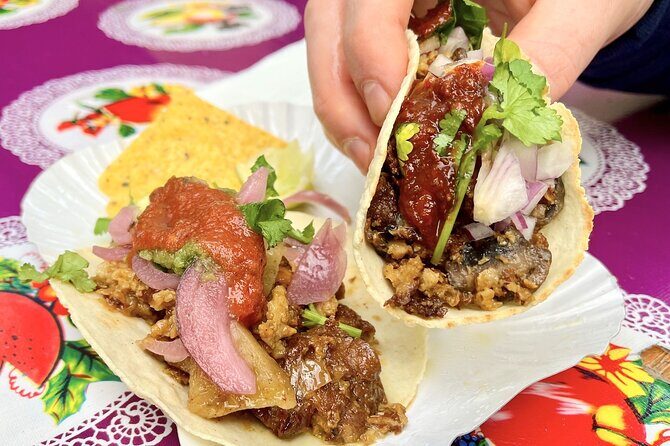
Prenzlauer Berg sits in the former East Berlin zone, and the area’s current vibe is very tied to waves of migration and shifting communities. On this tour, you’re walking one of the neighborhood’s main restaurant and bar strips while also spotting less-obvious corners along the way. That matters, because the point isn’t only to eat. It’s to understand why certain flavors show up here, and how Berlin’s multicultural mix plays out on the street.
I like tours that treat food like a map. Here, your tastings act like guideposts: traditional flatbreads, street tacos, and an East Berliner-style snack you’d be unlikely to pick on your first day. Between stops, you also get street art and neighborhood history talk—so the walk feels like you’re reading the city, not just walking through it.
And yes, this neighborhood is also trendy. That’s not a negative on a food tour. It’s exactly what you want when you’re looking for variety you can actually taste without long detours.
You can also read our reviews of more food & drink experiences in Berlin



The food stops: flatbreads, tacos, East Berlin bites, and dessert
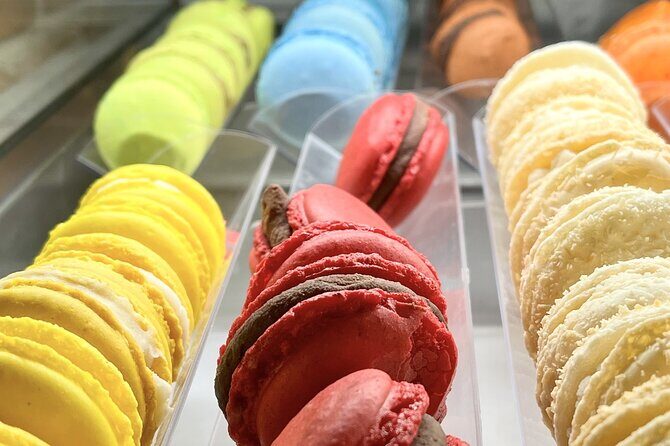
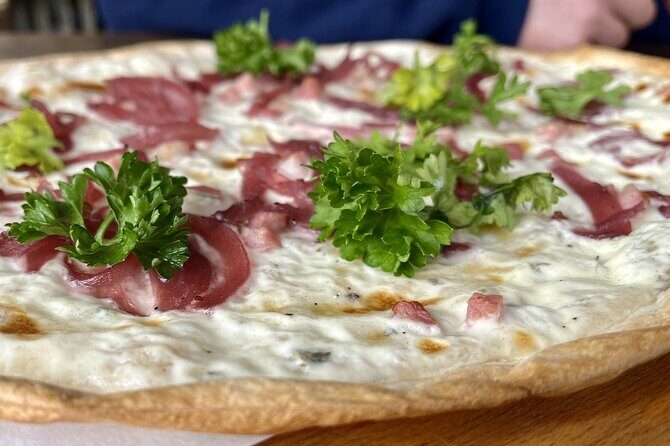
This experience includes 4–5 food tastings, with dessert included, plus two drinks (Berliner beer or water and non-alcoholic options). The mix is built to cover more than one flavor lane. You’ll hit classic-style street food formats like flatbreads and also more portable bites like street tacos.
You don’t need to know what you’ll eat in advance. The value is that the guide matches tastings to the neighborhood story. In practice, that usually means fresh ingredients at places that locals actually use, not just tourist traps.
A few details help you set expectations:
- You’ll get vegetarian and vegan options, which is a big deal in a city where meat often feels like the default.
- The tour can feel bread-forward. One guest noted it was heavier on bread than expected, and suggested a few more vegetable-focused bites. If you’re watching carbs, you might still enjoy it, but go in with eyes open.
- Dessert is not an afterthought. One guest even named Hokey Pokey ice cream as a highlight, so yes, sweet ends tend to land well.
Also, a practical note: treat this as lunch replacement. People specifically said they wished they had not eaten lunch beforehand. Come hungry and you’ll have more fun.
Street art, hidden corners, and what you learn on the walk
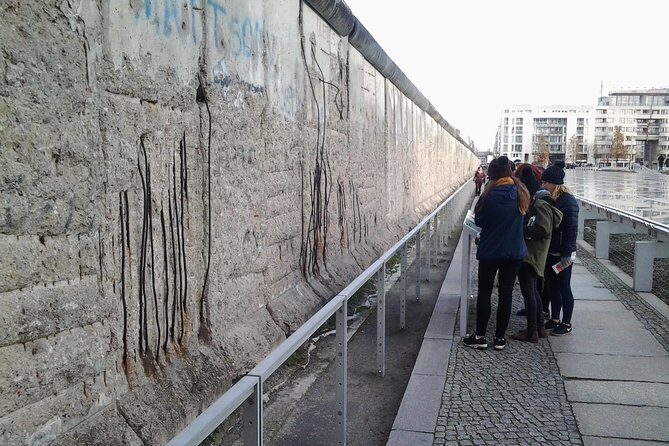
This isn’t a museum tour where the facts hang on walls. It’s an on-foot explanation of Berlin’s layers: past borders, present communities, and how those forces show up in daily life. As you walk, you’ll hear about migration history and how multiculturalism is rooted in the city’s food scene.
You also get recommendations for what to do next in Berlin. That’s valuable because Berlin is big and spread out. After a food tour, you’re in the best mood to translate tips into actual plans.
One thing you can look for: don’t only watch the food. Watch the street art and the small side streets the guide points out. That’s where the tour’s “off the usual path” feel comes from. People have highlighted the guide enthusiasm and how they brought the neighborhood to life, not just recited facts.
Gethsemanekirche: neo-Romanesque architecture and Cold War meetings
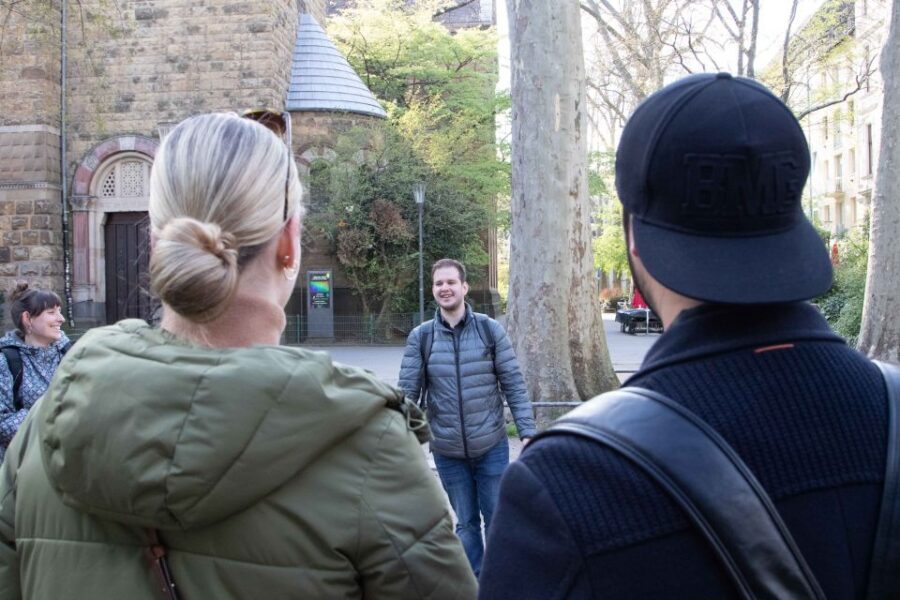
The second stop is Gethsemanekirche, in Prenzlauer Berg. It’s a historic church built in the late 19th century in a neo-Romanesque style, known for its detailed exterior and a large domed roof.
What makes it more than a photo stop is the Cold War story attached to it. During the era when Berlin was divided, the church served as a meeting place for East German opposition, often referred to as the peaceful revolutionaries. They gathered there to discuss plans for change. Today, the church is described as a symbol of Berlin’s resilience and the courage of those who fought for democracy.
This stop is also short—about 5 minutes, with free admission—so you don’t lose the day to paperwork. It works like a scene change: street-level eating shifts into “how the neighborhood carried history” for a moment.
If weather is rough, you may appreciate that you can step out of the open sidewalk for a bit, even if the stop is brief.
Your guide: small-group energy and real personality (Alex, Rafael, Laura)
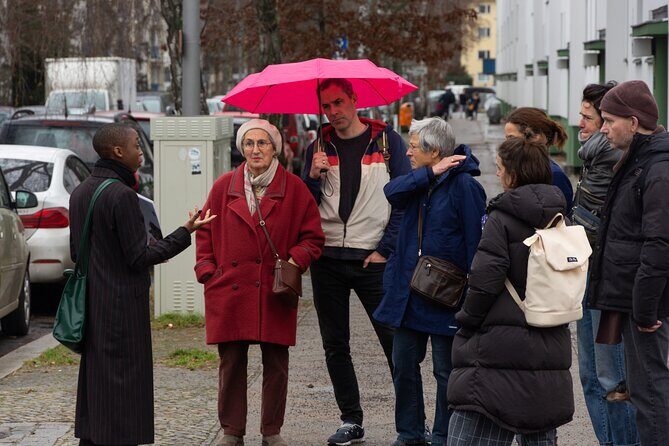
With up to 10 travelers, the guide has room to keep conversations going. That’s one reason guests repeatedly praised the people leading the tour. Names that came up include Alex, Rafael, Paula, Iram, Joseph, and Laura.
Here’s the pattern I’d expect you to notice:
- Guides explain history and culture while still moving at a relaxed pace
- They tend to make the walk feel personal rather than scripted
- Many mix facts with humor and neighborhood pride
Laura, in particular, came up in a note about explaining stolpersteines—those small “stumbling stones” used as memorials in many European cities. Even if you don’t know what you’re looking at at first, a good guide helps you connect details to meaning without turning it into a lecture.
If you’re new to Berlin, this kind of guide energy helps you get your bearings fast—you’ll learn what matters locally and also pick up next-day ideas.
A few more Berlin tours and experiences worth a look



Pace and timing: 2.5 hours that actually works for lunch
The tour runs about 2 hours 30 minutes. You’re walking through Prenzlauer Berg for the main stretch, then wrapping with the church stop. The structure keeps it manageable: one main walking segment plus a short final stop.
A relaxed pace matters because food tours can turn into a sprint if the group is big or the tastings are too spread out. Here, the small group size helps keep it under control, and the schedule is built around frequent samples rather than long waits.
The one timing tip I’d give you is the same one I’d give on any food walk in a cool-weather city: plan your schedule so you’re ready to eat right away. If you already ate a full lunch, the tastings may feel like extra, not fun.
Price and value: what $143.92 buys you in real terms

At $143.92 per person, you’re paying for more than snacks. You’re paying for:
- 4–5 tastings plus dessert (so you’re not gambling on one meal)
- two drinks
- a small-group guided walk
- neighborhood history and street art context
- practical recommendations for what to do after the tour
For Berlin, this can be good value if you’d otherwise spend time hunting down the right places yourself. It also saves you decision fatigue. Instead of asking What’s good here? you get a sequence where the guide has already made the picks.
It’s also booked fairly ahead of time on average, so if your dates are set, it’s smart to reserve early. When a tour stays small, demand matters.
Practical tips: weather, what to wear, and diet limits
Because this is an outdoor walking tour, you should dress for Berlin weather—not your home forecast. One guest specifically noted cold wind and limited sheltered seating at several stops. In other words: bring a warm layer, and don’t assume a light jacket will be enough.
Now the diet reality check:
- Vegetarian and vegan options are available
- Gluten-free diets are not accommodated
If gluten affects you medically or severely, this is the big limitation to respect. If you’re mostly avoiding meat, you’ll likely be okay because the tour explicitly offers vegetarian and vegan options.
One more common “new to the tour” mistake: going in expecting it to be a snack break only. It’s more filling than that.
Who this tour suits best (and who should skip it)
This works best if you want a food-first introduction to Prenzlauer Berg with history and street art mixed in. It’s a great option for:
- first-time visitors who want neighborhood context
- people who like tasting international flavors in a real city setting
- travelers who prefer small-group walks with a guide who answers questions
It’s less ideal if:
- you need a gluten-free plan (not supported)
- you hate outdoor walking in cool or windy conditions
- you’re only interested in one specific cuisine and want long seated meals (this is tasting + walking)
Should you book Beyond Currywurst?
If you’re planning just a short stay, I’d book this. It’s one of the more efficient ways to get both food and context in the same window, and the final church stop gives you a strong historical anchor without dragging the tour into a long schedule.
Book it if you:
- want to eat your way through Prenzlauer Berg
- care about the story behind the neighborhood’s multicultural food scene
- like guided street art spotting and practical tips for after
Skip it if you:
- need gluten-free accommodations
- can’t handle mostly-outdoor walking in wind and chill
If you do book, come hungry, wear layers, and ask your guide for what to do next in Berlin. That’s usually where the tour’s value keeps paying off.
FAQ
How long is the tour?
The tour lasts about 2 hours 30 minutes (with the main walking portion and a short church stop).
What does the tour cost and what’s included?
It costs $143.92 per person and includes 4–5 food tastings (including dessert), 2 drinks (Berliner beer or water/non-alcoholic options), plus recommendations for things to do after the tour.
Is the tour offered in English?
Yes. The tour is offered in English, and you’ll receive a mobile ticket.
Can I get vegetarian or vegan food?
Yes. Vegetarian and vegan options are available.
Can it accommodate gluten-free diets?
No. This tour cannot accommodate gluten-free diets.
Where do we meet?
The meeting point is Pappelallee 2, 10437 Berlin, Germany, and the tour ends back at the meeting point.