REVIEW · BERLIN
Sachsenhausen concentration camp.
Book on Viator →Operated by cultourberlin · Bookable on Viator
Sachsenhausen is heavy, but you’ll understand it. This 6-hour small-group tour walks you through Sachsenhausen concentration camp and the later NKVD special camp period, with a guide who keeps the focus on people, not slogans.
What I like most is the structured, full-history approach—from 1936 through May 1945, then the Soviet use until 1950—and that it’s clearly built around what life inside was like day to day. I also like the Spanish-speaking guidance and the tone: serious, respectful, and grounded in explanation.
One thing to plan for: this is emotionally intense and involves walking, so you’ll want comfortable shoes and a moderate fitness level for a long visit.
In This Review
- Key highlights you’ll notice right away
- Sachsenhausen in one guided 6-hour visit
- Meeting at Berlin TV Tower and how the route works
- What you’ll see at Gedenkstatte und Museum Sachsenhausen
- The camp’s history: from 1936 to the Soviet NKVD years
- Daily camp life and the focus on prisoners
- Language and group size: why it matters here
- Price and value for a Berlin concentration camp tour
- What to wear and bring for the walking time
- Who should book this Sachsenhausen tour
- Should you book this tour or not?
- FAQ
- How long is the Sachsenhausen tour?
- Where does the tour start?
- What language is the guide?
- Is museum admission included?
- Is a transportation ticket included for getting around Berlin?
- How many people are in the group?
- What kind of ticket do I receive?
- What is the cancellation policy?
Key highlights you’ll notice right away
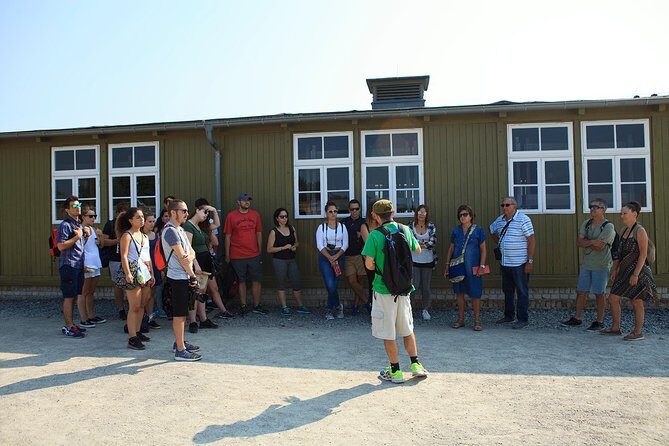
- 6 hours focused on the camp’s full timeline, including Nazi and Soviet NKVD use
- Spanish-speaking local guide with a respectful, serious delivery (Juan is one named guide you may get)
- Museum admission included for the main site time, so you don’t scramble for tickets
- Small group size (max 30), which makes questions and pacing easier
- Start at Berlin TV Tower and end in Mitte, with help figuring out onward transit
Sachsenhausen in one guided 6-hour visit
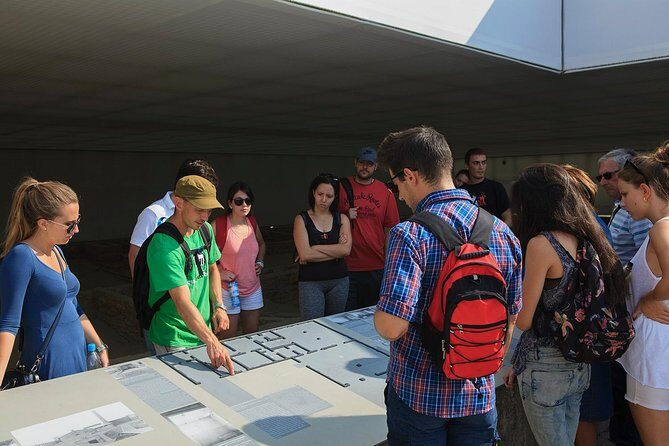
Sachsenhausen is one of those sites where “just seeing it” isn’t enough. The value of this tour is that it’s built to explain how the camp worked—its purpose, its systems of control, and how prisoner life unfolded—rather than turning the visit into a checklist of stops.
You’re looking at a place with multiple chapters. The camp functioned under the Nazis from 1936 until the end of the Third Reich in May 1945, used mainly for political prisoners. After World War II, when Oranienburg sat in the Soviet Occupation Zone, the same camp complex was repurposed as an NKVD special camp (special camp No. 7), lasting until 1950. That two-regime story matters, because it helps you understand that the camp wasn’t a single moment in time—it was a system that changed hands.
This is also a people-centered tour. Instead of treating victims like a blur, the guide’s approach covers prisoners and their profiles, and it’s paced as a “day-to-day life” explanation. That’s what helps you leave with clearer mental pictures, not just photos.
You can also read our reviews of more tours and experiences in Berlin.


Meeting at Berlin TV Tower and how the route works
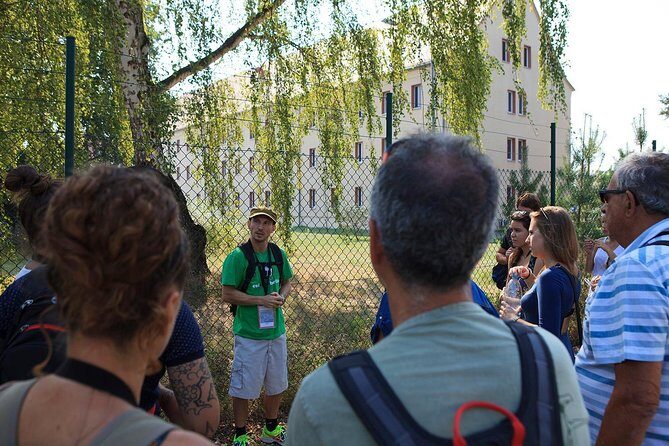
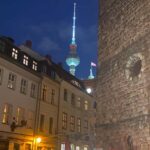
You start at a super clear landmark: the Berlin TV Tower (Fernsehturm), Panoramastraße 1A, 10178 Berlin. The good news is that it’s near public transportation, so you don’t need a car or a complicated plan to get there.
The tour begins at 10:00 am, and it runs for about 6 hours. The provider uses a mobile ticket, which means you’ll want your phone charged and ready for check-in.
At the end, you finish in Mitte—but there isn’t a single, fixed “finish point” promised on the exact spot. The upside is that the guide travels with you enough to explain how to get wherever you want next in Berlin. Reviews specifically praise the support with transfers, which is exactly what you’ll appreciate if your hotel isn’t right near Mitte or if you’re trying to connect to something later in the day.
What you’ll see at Gedenkstatte und Museum Sachsenhausen
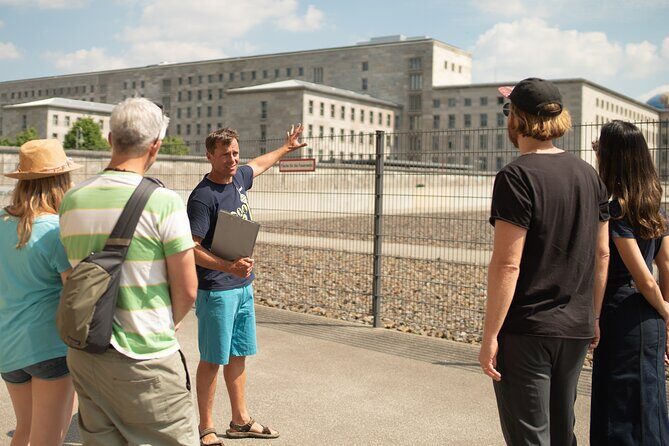
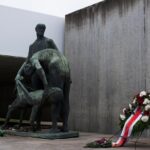
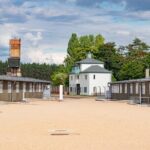
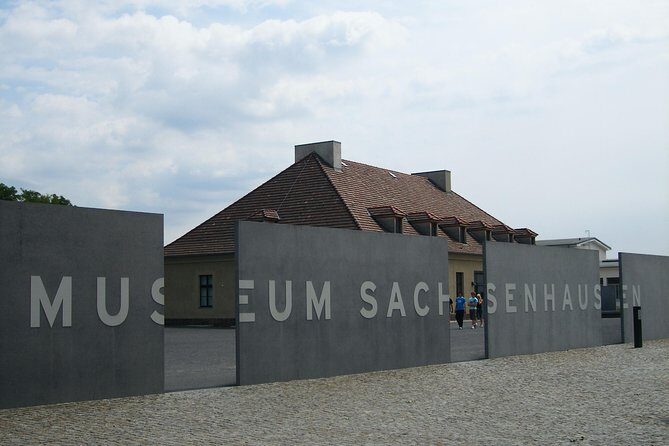
The tour’s core is the Gedenkstatte und Museum Sachsenhausen, located in Oranienburg just outside central Berlin. The visit is scheduled for about 3 hours of museum time, with admission included. That’s a practical win: you avoid a separate ticket purchase step while you’re already committing to the schedule.
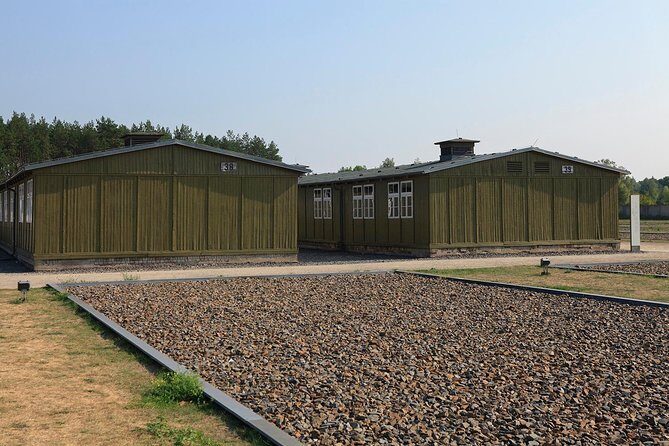
What makes the museum portion valuable is that it helps you place the site in context. Sachsenhausen wasn’t only buildings and fences; it was an operating institution. As the guide moves through the grounds, you’ll get the camp’s history laid out in a way that supports the later, more personal details—prisoner experiences and the systems behind them.
One consideration: a museum tour like this often asks you to process a lot of information in a short window. The pace is manageable, but the subject matter is not light. Bring your patience. If you need to slow down at certain exhibits, do it—this is the kind of site where taking a moment helps you stay respectful and absorb what you’re seeing.
The camp’s history: from 1936 to the Soviet NKVD years
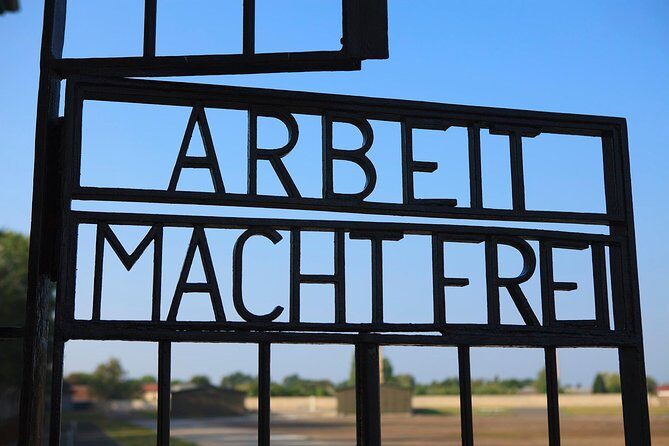
Sachsenhausen doesn’t make sense unless you understand the timeline. The tour is designed to cover it clearly, and that’s one reason it earns such strong recommendations.
Under the Nazis, the camp functioned primarily for political prisoners starting in 1936. Then, as Germany moved toward defeat, the camp’s role continued right up to the end of the Third Reich in May 1945. That arc matters because it shows continuity in how the camp system was used, even as the war changed.
After the war, the camp didn’t simply become “history.” Oranienburg was in the Soviet Occupation Zone, and the site became an NKVD special camp (Nr. 7). The tour includes this second chapter up to 1950. For you, this is one of the most important parts of the experience: it helps you avoid thinking of the camp as a single political story with a neat ending. Instead, you see how the structures and authority models continued in different hands.
If you want to get more from the visit, keep this timeline in mind while you walk. When you hear dates and policy changes, try to map them to what you’re seeing on the grounds. That simple mental habit turns “information” into understanding.
Daily camp life and the focus on prisoners
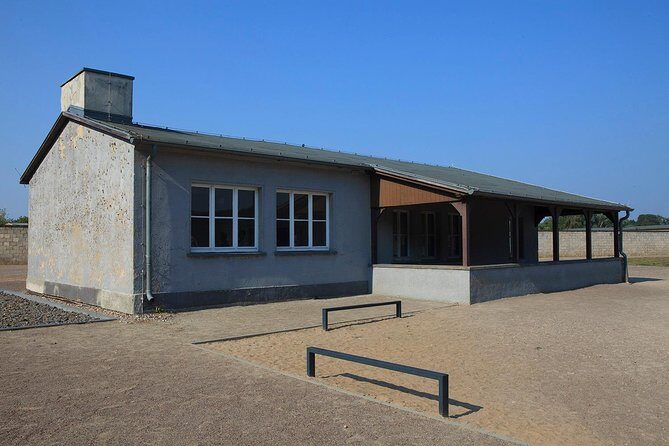
This tour doesn’t treat prisoners like background. It aims to review day-to-day life, and it covers the prisoners and their profiles as part of explaining how the camp functioned.
That approach is especially important at a site like Sachsenhausen because people often come with a vague idea of what a concentration camp was. But concentration camps weren’t one uniform experience. The systems were designed, administered, and enforced—meaning daily routines, power structures, and prisoner classifications shaped what life felt like hour to hour.
You’ll likely notice that the guide keeps the tone steady and respectful. Reviews highlight a guide named Juan for being serious, with strong preparation and a careful approach to a topic this important. That tone isn’t just nice—it changes the quality of your understanding. When a guide speaks with care, you can focus on learning instead of getting lost in sensational details.
A gentle warning: this is emotional territory. If you’re sensitive to difficult topics, plan for that. Take breaks when you need them. You don’t have to power through.



Language and group size: why it matters here
This experience is offered with a local Spanish-speaking guide. That matters because precision is everything at historical sites. You want to understand what’s being said about dates, roles, and processes, and Spanish guidance lets you follow the thread without constantly translating in your head.
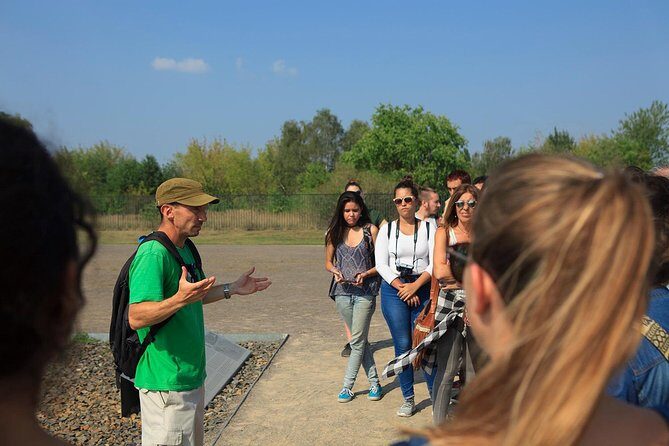
Group size is capped at 30 travelers. For a site this heavy, small-group pacing can make a real difference. You get time for questions. You’re less likely to get swept along. And you’re more likely to feel the guide’s rhythm instead of being lost in a crowd.
The tour also gives you a meeting point that’s easy to find and a guide who helps with onward routes. That reduces the usual travel stress so you can focus on the learning part of the day.
Price and value for a Berlin concentration camp tour
At $34.76 per person, the price is positioned as an accessible guided option for such a significant site. The value comes from what’s included, not just the price tag: museum admission is included for the main site time, and you get a local guide for the full structured visit.
Also, you’re not dealing with a long, complicated logistics puzzle. You start at the TV Tower, you get a clear time (10:00 am), and you finish in Mitte with help for getting where you need next. That lowers the “hidden costs” of your day—especially time and confusion.
Two more practical notes:
- The tour includes no food and drink, so you should plan a meal strategy before you go.
- An ABC transportation ticket is not included, so if you’re relying on transit, you’ll need to cover that separately.
Compared with DIY visits, the big value is interpretation. At Sachsenhausen, the guide’s job is to connect the ground-level details to the larger history, including both the Nazi period and the Soviet NKVD years. Without that, the site can feel like it’s only “places,” not a story. With guidance, it becomes a timeline you can hold in your head.
What to wear and bring for the walking time
The tour is listed as requiring moderate physical fitness, and you’ll be walking long distances. That means you should think like this is a walking day, not a quick museum stop.
Bring:
- Comfortable shoes (non-negotiable)
- A way to keep warm, since you’ll be outdoors at points on the grounds
- A fully charged phone, since the ticket is mobile
Also, plan your expectations. Even if you’re comfortable physically, this site is mentally demanding. Build in quiet time afterward if you can.
Who should book this Sachsenhausen tour
This is a great fit if:
- You want a guided, structured understanding of Sachsenhausen, not just a self-guided wander
- You speak Spanish or prefer learning in Spanish
- You like the idea of a small group and a guide who can help with onward transit
- You’re the kind of traveler who wants the camp explained as a system, including prisoners and daily life
It might be less ideal if:
- You’re looking for a lighter, entertainment-style outing
- You’re expecting the visit to feel “short and casual”
- You have trouble with emotionally intense topics, since the subject matter is unavoidable
Should you book this tour or not?
If you’re going to Sachsenhausen, I think booking a guided option is the smart move. The reason is simple: Sachsenhausen is complicated, and it covers more than one regime. This tour gives you the timeline and the explanation style that helps you understand what you’re looking at—and it does it in a careful, respectful way.
I’d book it if you can handle serious history and you’re ready for a day that includes long walking. I’d hesitate only if you’re worried about emotional difficulty or physical stamina. Otherwise, at $34.76 with museum admission included and a Spanish-speaking guide, it’s strong value for a site where good interpretation matters.
FAQ
How long is the Sachsenhausen tour?
The tour lasts about 6 hours (approx.). The main museum-site time is planned for about 3 hours with the admission ticket included.
Where does the tour start?
The meeting point is at the Berlin TV Tower, Panoramastraße 1A, 10178 Berlin, Germany.
What language is the guide?
You’ll have a local Spanish-speaking guide.
Is museum admission included?
Yes. The museum admission for the Sachsenhausen site is included.
Is a transportation ticket included for getting around Berlin?
No. An ABC transportation ticket is not included.
How many people are in the group?
The tour has a maximum of 30 travelers.
What kind of ticket do I receive?
You receive a mobile ticket.
What is the cancellation policy?
You can cancel for free up to 24 hours before the experience starts for a full refund. If you cancel within 24 hours, the amount paid is not refunded.