REVIEW · BERLIN
Berlin Uncensored: A History of Sex & Freedom
Book on Viator →Operated by BerlinGuide.de · Bookable on Viator
Sex in Berlin is never just about sex.
This 3.5-hour tour links sexual freedom to science, nightlife, persecution, and the city’s postwar split, with an easy Q-and-A style guide. Two things I really liked: the tour is led by Jeff, a sociologist and certified sex educator who keeps it respectful and trauma-informed, and the pace works for real questions (not just a lecture). One thing to consider: the subject matter covers coercion, Nazi persecution, and queer history under threat, so go in expecting some heavy context alongside the party stories.
You’ll walk a tight loop that starts at Nollendorfplatz and ends where you began, stopping at places tied to nudism (FKK), Magnus Hirschfeld’s groundbreaking Institute for Sexual Science, the LGBTQ memorial, and the nightlife landmarks that shaped Berlin’s reputation. You’re also getting AR visuals, plus a pack of 200+ rare photos and archival materials, so the sites feel less like random street corners and more like chapters of one long story.
In This Review
- Key highlights I’d plan around
- A 3.5-hour Berlin walk built for questions, not awkwardness
- Starting at Nollendorfplatz: FKK nudism and Berlin’s body-freedom angle
- Magnus-Apotheke and Hirschfeld’s Institute: sex science, then erasure
- The LGBTQ memorial: Nazi persecution and the meaning of pink triangles
- Kurfürstenstraße: where sex, prostitution, and kink lived openly before the crackdown
- Schwerinstraße 9: lesbian community, Toppkeller, and songs you’ll remember
- The Christopher Isherwood building: why Berlin made Cabaret possible
- Denns BioMarkt and the Eldorado Club: drag, Vogue, and Nazi fear
- Postwar Berlin and the Wall: East vs West attitudes, plus AIDS survival context
- Modern Nollendorfplatz: Berghain, KitKat Club, and Folsom Europe
- What the AR, Mixies photos, and 200+ archives add on foot
- Practical value: does $82.90 make sense for you?
- Who should book this (and who might not)
- Should you book Berlin Uncensored?
- FAQ
- How long is the Berlin Uncensored tour?
- Where does the tour start, and when is it scheduled?
- Is the tour in English, and is there a minimum age?
- How large is the group?
- What’s included with the tour besides the guide?
- Do I need to pay admission fees at the stops?
- What should I do about breaks during the tour?
- What happens if weather is bad?
- Can I cancel for a full refund?
- Are service animals allowed?
Key highlights I’d plan around
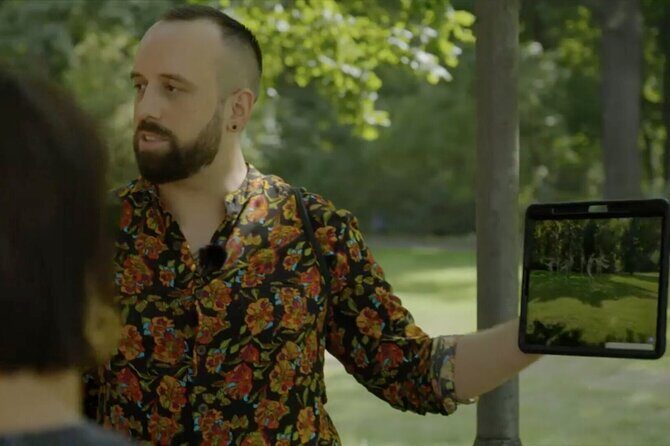
- Small group (max 10) with time to ask questions, not just listen.
- Jeff as guide: sociologist + certified sex educator, with a responsible, trauma-informed approach.
- Nollendorfplatz to Nollendorfplatz route: nudism, LGBTQ persecution, and modern nightlife in one flow.
- Magnus Hirschfeld stop: Berlin’s Institute for Sexual Science and why 1933 is a turning point.
- AR + Mixies photos plus 200+ archival materials to connect stories to visuals.
- Modern sex-positive Berlin stops that name real clubs and events, including Berghain, KitKat Club, and Folsom Europe.
A 3.5-hour Berlin walk built for questions, not awkwardness
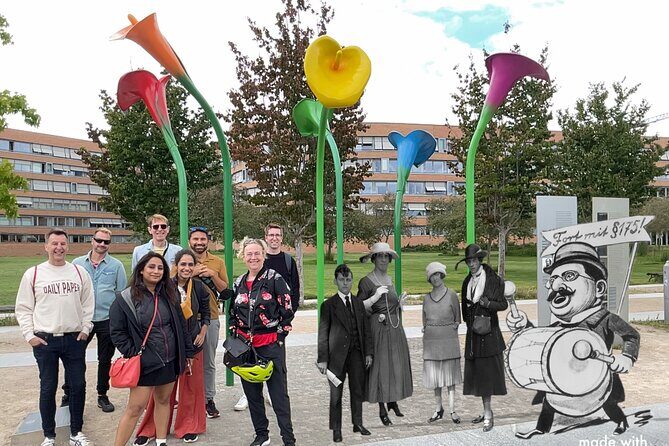
This is a 3 hours 30 minutes walking tour in English, priced at $82.90 per person. The big practical win is the group size: you’ll be capped at 10 travelers, so you’re not lost in a crowd. Jeff runs it like a guided conversation, and the best part is that you can ask questions during the walk without the vibe turning icy.
The tone matters here. Based on what’s emphasized in the tour feedback, Jeff’s approach is respectful and responsible, and he’s careful with how sensitive topics are handled. That doesn’t mean it avoids hard stuff. It means it gives you context and keeps the group safe while talking about sex, gender, and the risks LGBTQ people faced.
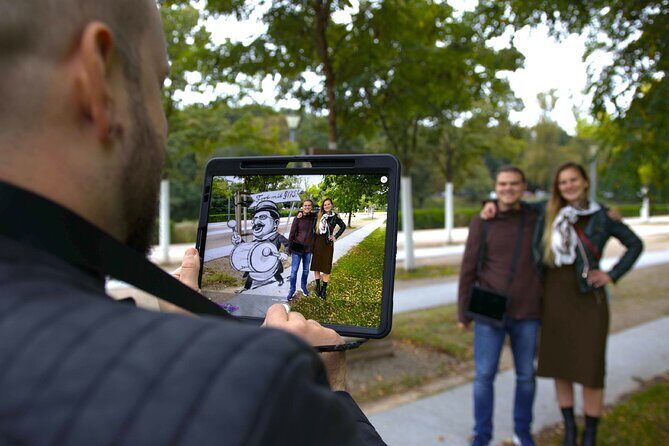
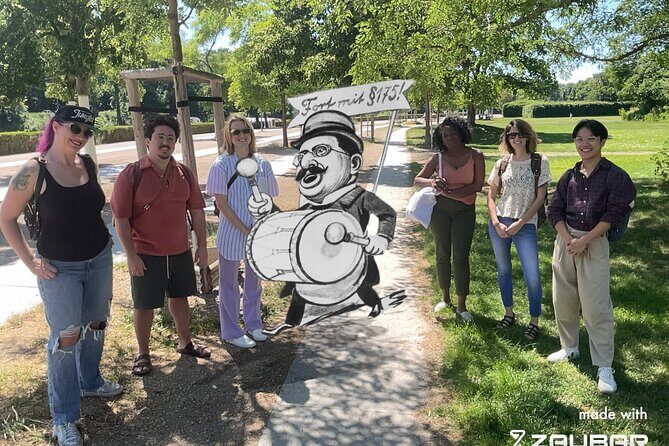
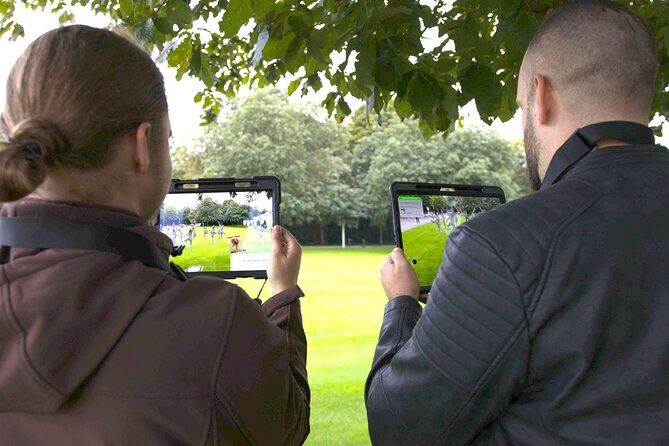
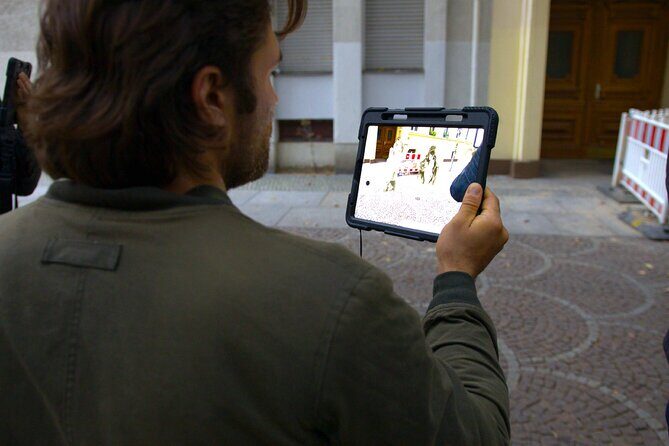
Also, you’re not just hearing facts. You’re using AR elements and video/visual material at points along the route, so the tour supports both curiosity and memory.
You can also read our reviews of more historical tours in Berlin

Starting at Nollendorfplatz: FKK nudism and Berlin’s body-freedom angle
Nollendorfplatz kicks things off with a welcome from Jeff, then you shift into Berlin’s long relationship with nudism, especially FKK (Freikörperkultur). You’ll connect the movement to body freedom that stretches from the 19th century to today, and you’ll hear why this matters in Berlin’s lakes and parks culture.
What I like about starting here is that it frames sex and sexuality as something Berlin argued about publicly—long before it became a nightlife tagline. You’re also given a lens to compare eras. Nudism isn’t treated as a gimmick. It’s presented as a cultural move: people trying to redefine the body’s place in public life.
A small practical note: this early stop is short, so if you’re the type who likes to read signage and linger, keep your expectations. The goal is to set the context fast, then build toward the heavier story later.
Magnus-Apotheke and Hirschfeld’s Institute: sex science, then erasure
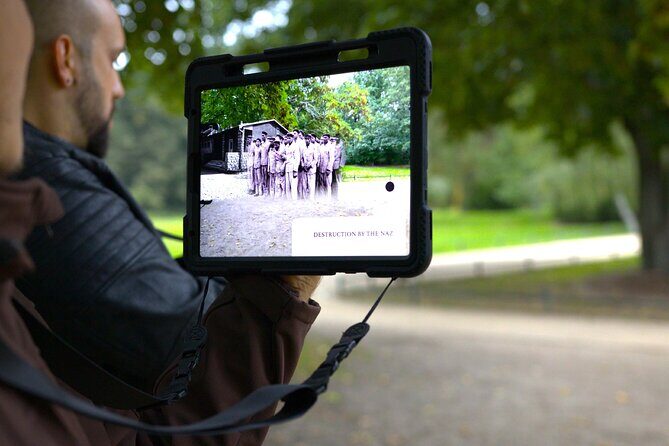
At Magnus-Apotheke, the tour turns into science and policy history at street level. Berlin hosted the world’s first Institute for Sexual Science, founded by Magnus Hirschfeld—a name you’ll hear again and again if you keep exploring German LGBTQ history.
Here, you’ll learn what that institute worked on: research tied to desire, relationships, contraception, and gender identity. And you’ll hear about some of the breakthroughs connected with the institute’s legacy, including the invention of the rubber condom and early studies related to Viagra precursors. The tour also links Berlin to early gender affirmation surgery, with mentions of people like Dora Richter, Lili Elbe, and Karl M. Baer.
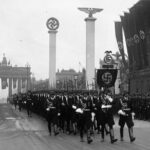
Then the story hits a brutal turn. In 1933, the Nazis destroyed the institute. The lesson you take away is simple and chilling: ideas and research don’t just fade when regimes change. They get targeted, shut down, and erased.
If you’re expecting a light “sex history” walk, this is the moment that reframes everything. It’s still engaging, but it’s not cute.
The LGBTQ memorial: Nazi persecution and the meaning of pink triangles
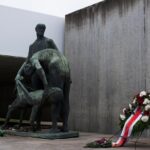
Next comes the Monument to Homosexuals Persecuted Under the National Socialist Regime. This stop is short, but it carries weight. You’ll hear how the Nazi regime cracked down on sexual freedoms through censorship and the shutdown of erotic clubs, while also outlawing sexual diversity.
A key detail you’ll be given is the Nazi purge timeline, including the Night of the Long Knives. The tour explains how figures like Ernst Röhm were executed, and how his well-known homosexuality became part of the regime’s messaging and violence.
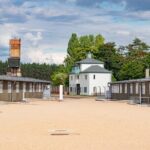
Then Jeff connects the persecution to what happened in concentration camps, including the pink triangle marking—later reclaimed by LGBTQIA+ rights movements. The memorial makes the story harder to “spiritualize.” This is physical harm tied to state power.
Possible drawback for some people: if you’re sensitive to topics around imprisonment or state violence, this stop may feel heavy. But it’s also the stop that keeps the tour honest.
Kurfürstenstraße: where sex, prostitution, and kink lived openly before the crackdown
Kurfürstenstraße shifts from state persecution to the kind of nightlife Berlin became known for in the years before Nazis took over. You’ll walk through locations tied to prostitution practices that were openly done, alongside underground fetish and kink culture that existed long before it felt mainstream.
This is where the tour earns its title Berlin Uncensored. It doesn’t treat sexuality like a hidden secret. It treats it like a street-level reality that included commerce, community, and subculture.
One thing to watch for: this stop is about locations and stories, not door-to-door browsing. You’ll get names and context, but don’t plan this as a “go try this place” outing. The value is in understanding how Berlin built spaces for desire, then how those spaces got threatened.

Schwerinstraße 9: lesbian community, Toppkeller, and songs you’ll remember
At Schwerinstraße 9, you get a look at Berlin’s early 20th-century lesbian scene. The stop includes places tied to that subculture, including the famous Toppkeller, described as a meeting place for women who pushed back against social norms.
The tour also uses culture as evidence. You’ll hear stories linked to cabaret singer Claire Waldoff and how nightlife, music, and queer identity moved together. The mention of the Lavender Song helps you understand how art carried coded community messages even when society tried to control sexuality.
And then there’s Josephine Baker. The tour includes her Berlin time as both adoration and discrimination, which adds an important layer: queer and sexual freedom in Berlin didn’t exist in a bubble that was free of racism.
This stop works well if you like history you can “hear,” meaning you remember it through music and names instead of only dates and events.
The Christopher Isherwood building: why Berlin made Cabaret possible
In the residential building tied to Christopher Isherwood, the tour taps into literature and the way observers turned Berlin nightlife into story. You’ll hear how 1920s and early 1930s Berlin pulled in gay men from across Europe, and you’ll walk through areas connected to Isherwood’s life and social world.
Isherwood’s writing becomes a bridge to later adaptations, including how his memoirs fed into what became Cabaret. The tour uses this angle to show that Berlin’s sexual freedom wasn’t only about clubs and sex scenes—it also created the material that artists turned into global storytelling.
What I like: it gives you a “so what” question answered. Why does it matter today? Because if a city shapes writers and artists, it shapes how future generations imagine that city.
Denns BioMarkt and the Eldorado Club: drag, Vogue, and Nazi fear
At Denns BioMarkt, the focus turns to one of the most famous nightlife places of 1920s Berlin: the Eldorado Club. You’ll hear it described as a meeting place for drag performers, sexually open individuals, and even high-ranking Nazi officials—until the Nazi crackdown reframed everything as degeneracy.
One detail you’ll be told: Ernst Röhm was known to frequent the club. The story also includes a journalist visit from Vogue and the claim that a drag queen was named the most beautiful woman in Berlin.
Even if you don’t care about the club-by-club nightlife history, the bigger takeaway is powerful: open scenes didn’t just vanish because of changing morals. They were shut down by force and propaganda.
Postwar Berlin and the Wall: East vs West attitudes, plus AIDS survival context
The stop at Internationale Stele GEGEN DAS VERGESSEN brings the story into the post-WWII split. The tour lays out a comparison: West Berlin leaned into a sexual revolution and more open attitudes, while East Berlin restricted freedoms in many ways but popularized public nudism (FKK).
You’ll also hear a striking phrase for how the Wall was described—called the condom of the GDR—plus how that symbolism connects to controlling bodies and behavior.
Then the tour makes a jump forward into the AIDS crisis. You’ll learn that a conservative politician saved thousands of lives during that period. The point isn’t who you think the politician was. It’s that Berlin’s story includes unexpected public health outcomes, even inside tense political systems.
This stop is where the tour feels most like real-world history: not only about sex as culture, but sex as public health, law, and survival.
Modern Nollendorfplatz: Berghain, KitKat Club, and Folsom Europe
Back at today’s Nollendorfplatz, the tour lands on the Berlin you might recognize now: an intensely sex-positive nightlife scene. Jeff walks you through the history of clubs and events, including Berghain, with a mention of its strict no-photo policy and the club’s reputation for intense, hedonistic parties.
You’ll also hear about KitKat Club, Insomnia, and Lab.Oratory—places where electronic music and sexual exploration are part of the brand and the experience. The tour also covers Folsom Europe, described as the largest fetish festival in the world, drawing thousands of visitors each year.
This modern segment is useful because it gives you names you can later plan around. But the tour doesn’t ask you to act like Berlin is one giant nightclub. Instead, it frames the current scene as the end of a much longer argument about bodies, identity, and freedom.
What the AR, Mixies photos, and 200+ archives add on foot
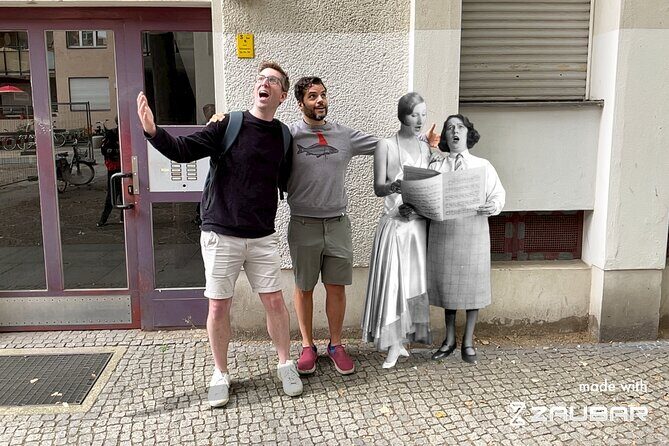
This tour comes with more than a storyteller. You’ll get AR elements that bring history to life, and Mixies for fun, personalized AR photos you can use later as memories. There’s also access to 200+ rare historical photos, videos, and archival materials.
On the walk, that matters because the sites can be easy to miss if you’re just sightseeing. A stone plaque can look like nothing. AR and visual material help you connect what you’re seeing to what you’re being told.
The feedback I’ve picked up from the tour tone also suggests a balance: the AR and virtual imagery is sometimes extra, but when it’s working it makes the story click. I’d treat AR here like a study tool, not a replacement for reading street history.
If you’re the type who prefers purely “walk and talk,” you might still enjoy it. The visuals tend to support the main narrative rather than take over.
Practical value: does $82.90 make sense for you?
At $82.90, this isn’t the cheapest walking tour in Berlin. But it also isn’t generic. You’re paying for four things that actually change the experience:
1) A small group size that keeps the Q-and-A real.
2) A guide with a specific credential set: sociologist and certified sex educator.
3) AR + Mixies + 200+ archival materials, which adds preparation and recall.
4) A route that connects local sites from FKK nudism to Nazi persecution to modern nightlife.
In plain terms, if you like history with direct context and you’ll use the modern club/event knowledge later, you’ll likely feel the price is fair. If you want a casual stroll with zero heavy material, then you might bounce off the Nazi persecution and public-health parts.
Also, it helps that many stops note admission ticket free, which means you’re not constantly paying little entry fees while walking.
Who should book this (and who might not)
I think this tour fits you best if you:
- want a sex-positive look at Berlin that takes history seriously
- like LGBTQ history connected to real street locations
- enjoy Q-and-A tours, not monologues
- can handle some difficult topics with a responsible guide
You might think twice if you:
- don’t want discussions of Nazi persecution and concentration-camp context
- get easily uncomfortable with sexuality topics in public settings
- prefer tours without AR extras
The good news is the tour’s structure, short stops, and small group size keep it manageable. It doesn’t try to throw everything at you at once.
Should you book Berlin Uncensored?
If you’re in Berlin and you want a tour that treats sex, identity, and freedom as serious history—while still naming the clubs and festivals people actually talk about today—this is a strong choice. The Jeff-led format, the chance to ask questions, and the mix of street sites (FKK, Hirschfeld, memorials, nightlife) make it feel purposeful rather than sensational.
My recommendation: book it if you like Berlin stories with context and you want names you can revisit later in your plans. Skip it only if you know you’ll struggle with the darker chapters. For everyone else, it’s one of the few walks that makes Berlin’s sexuality history feel concrete, not abstract.
FAQ
How long is the Berlin Uncensored tour?
It runs about 3 hours 30 minutes.
Where does the tour start, and when is it scheduled?
It starts at Alnatura Super Natur Markt, Else-Lasker-Schüler-Straße 18, 10783 Berlin. The listed start time is 2:00 pm, and it ends back at the meeting point.
Is the tour in English, and is there a minimum age?
The tour is offered in English, and the minimum age is 18.
How large is the group?
The tour has a maximum of 10 travelers.
What’s included with the tour besides the guide?
You get AR elements, Mixies AR photos, 200+ rare historical photos/videos/archival materials, and insider tips on Berlin’s modern sex-positive nightlife and events.
Do I need to pay admission fees at the stops?
The stop durations list admission ticket free for the sites included on the route.
What should I do about breaks during the tour?
Coffee and/or tea are not included. The tour notes you might visit a café for a break, but it’s not built into a included package.
What happens if weather is bad?
It requires good weather. If it’s canceled due to heavy rain or storm conditions, you’ll be fully refunded or offered a different date.
Can I cancel for a full refund?
Yes. You can cancel up to 24 hours in advance for a full refund.
Are service animals allowed?
Yes, service animals are allowed.